


Primary sourceArtifactc. AD 200
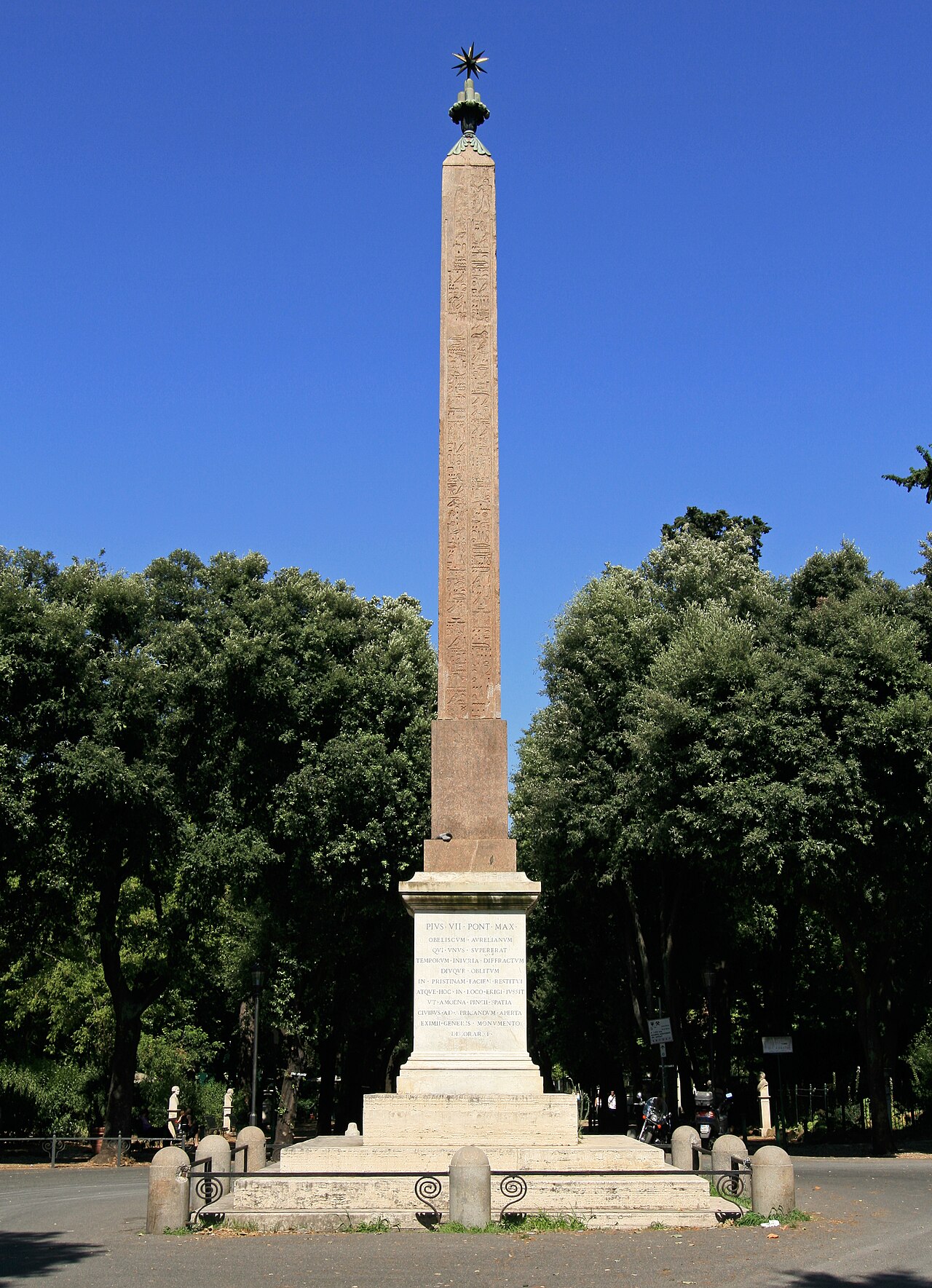
Pincian Obelisk
c. AD 200
A Roman obelisk from around AD 200 carved with hieroglyphic texts honoring the deified Antinous and Hadrian's grief over his death.
Hadrian commissioned this obelisk to express his grief and establish the cult of the deified Antinous.
About this source
What it is
The Pincian Obelisk, also called the Antinous Obelisk, is a stone obelisk standing on Pincian Hill in Rome. It dates to around AD 200 and is covered in hieroglyphic inscriptions.
Why it matters
The obelisk's hieroglyphic texts commemorate the deified Antinous and express Hadrian's grief at his death. It is one of the main Egyptian-style sources for the religious cult that Hadrian founded in Antinous's memory, showing how the emperor blended Egyptian, Greek, and Roman traditions to honor someone he loved.
Look closer
- Why might Hadrian have chosen Egyptian hieroglyphs rather than Latin or Greek for this monument?
- What does commissioning a monument like this tell you about Hadrian's feelings and his power to shape religion across the empire?
- What questions does the obelisk leave unanswered about Antinous's life and death?
This artifact is part of the curated material that grounds the AI version of Hadrian on Humy.ai — when students ask about related events, the AI can quote it and cite it.
More Hadrian sources
Browse all 96 → Artifact
Primary source
Hadrian's Wall
Hadrian · begun AD 122
 Artifact
Primary source
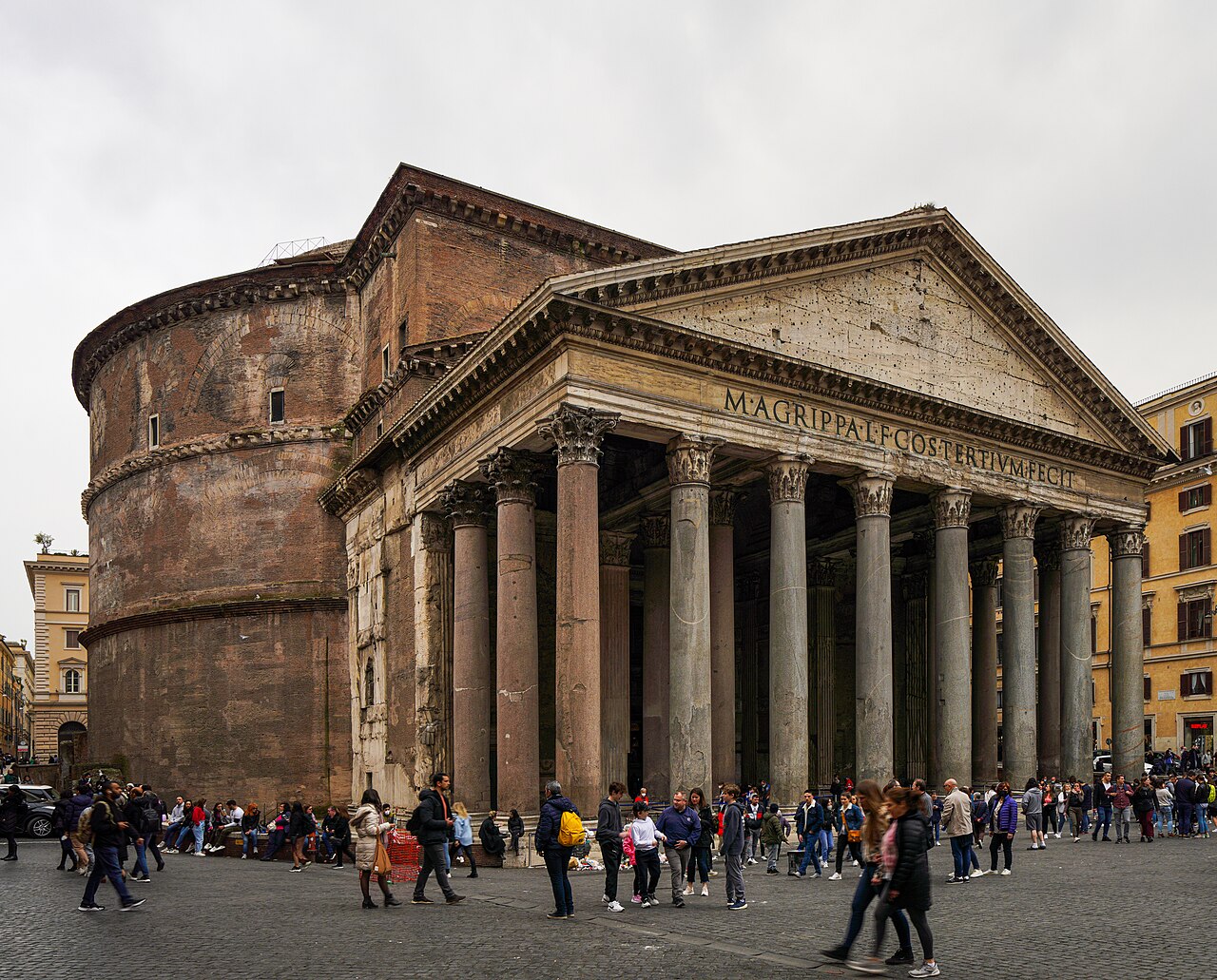
Pantheon
Hadrian · c. AD 126-128
Secondary source
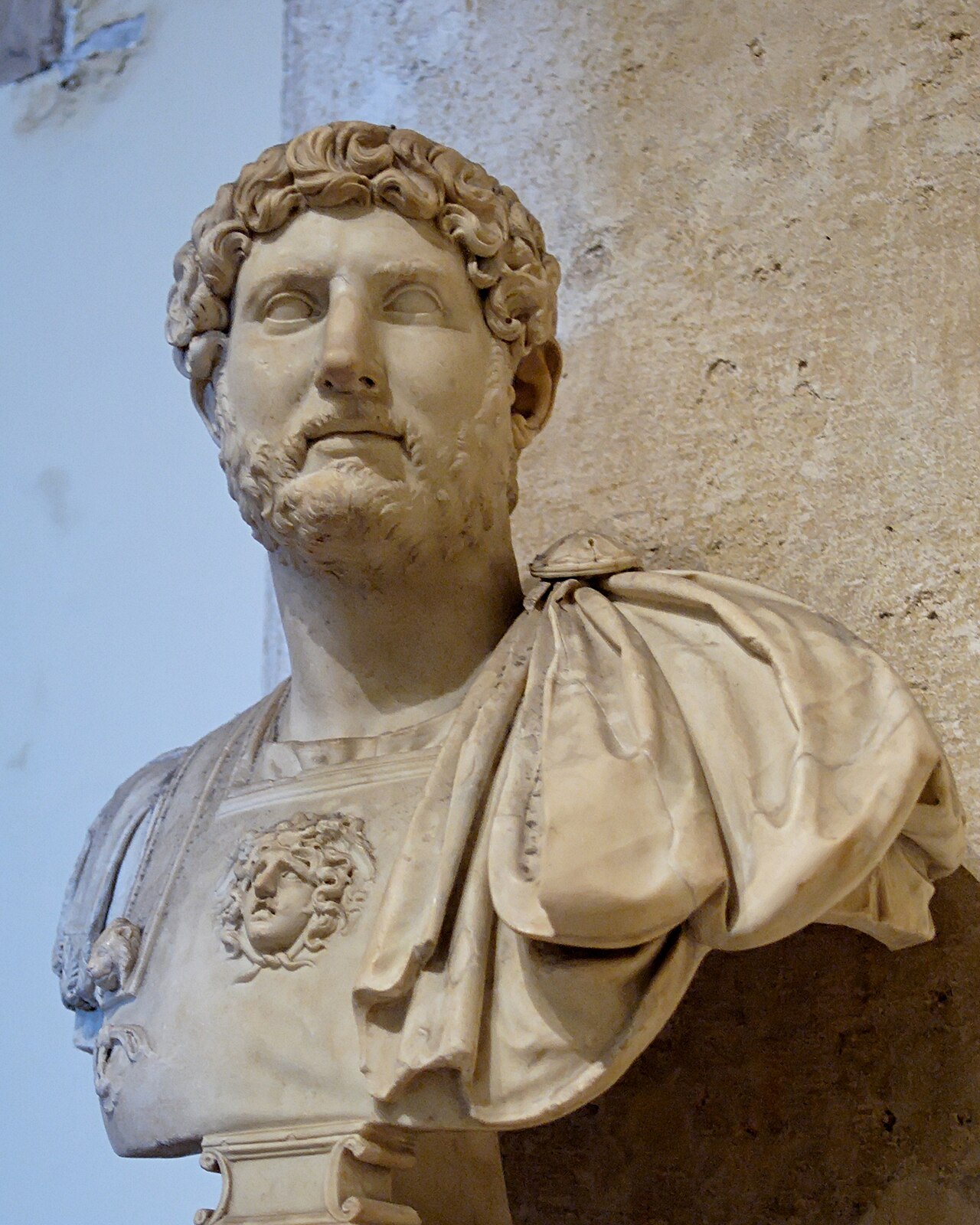
Hadrian
Scriptores Historiae Augustae · late 4th century AD
 Artifact
Primary source
Hadrian's Villa
Hadrian · begun c. AD 120
Free account
Read every Hadrian source
Sign up free →
Ready when you are
Start chatting with Hadrian now.
20 messages free · No credit card · Available in 50+ languages.