


Secondary sourcePainting19th century
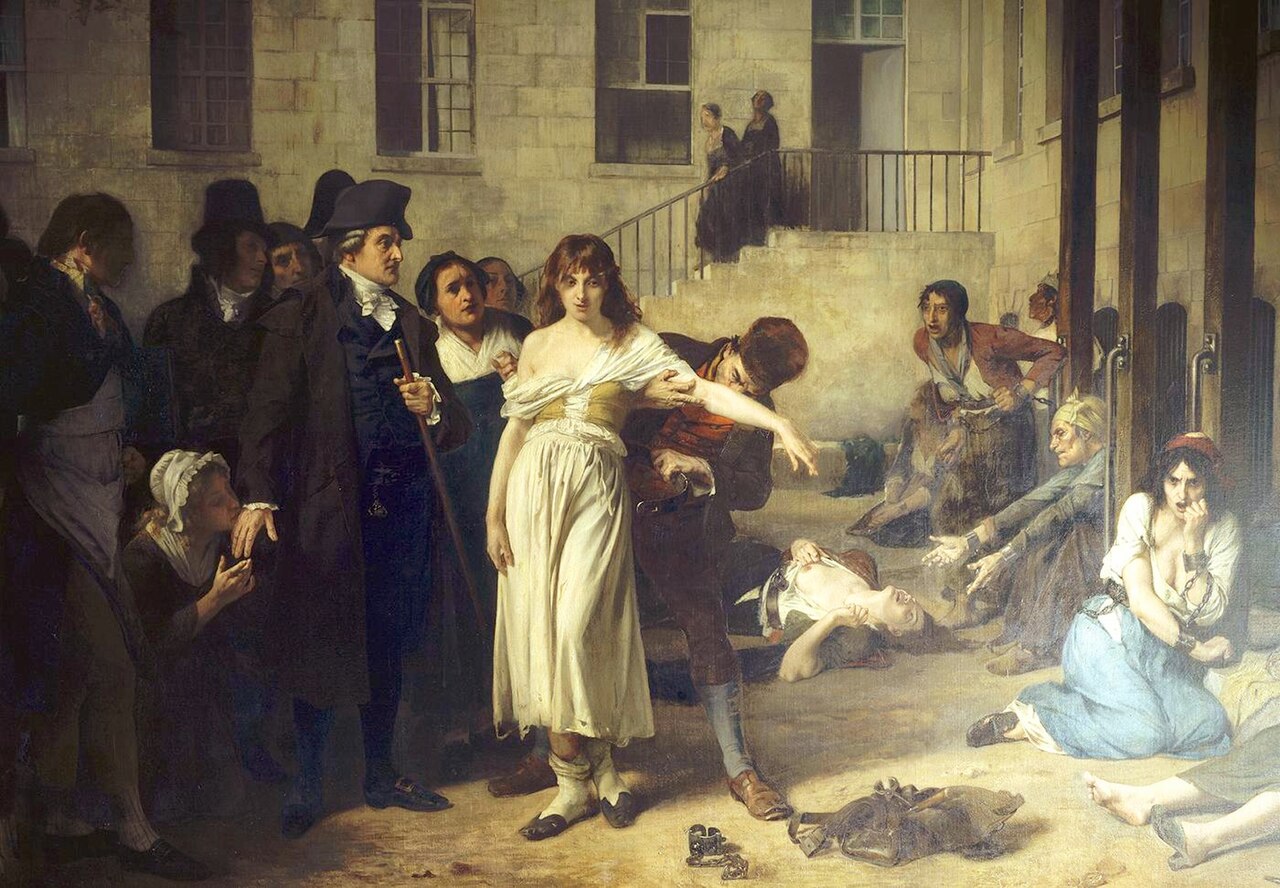
Pinel Freeing the Insane at the Salpêtrière
Tony Robert-Fleury · 19th century
A 19th-century painting depicting physician Philippe Pinel unchaining a patient at the Salpêtrière asylum, a scene Foucault later questioned as myth.
This painting depicts the Pinel legend that Foucault's History of Madness argued was a simplifying myth about the treatment of madness.
About this source
What it is
This painting by Tony Robert-Fleury, made in the 19th century, depicts French psychiatrist Philippe Pinel releasing patients from their chains at the Salpêtrière asylum in Paris, an event set in 1795. It shows a courtyard crowded with patients and onlookers as a chain is unfastened from a woman's arm.
Why it matters
This painting became part of a popular story celebrating Pinel as a humane reformer of the treatment of the mentally ill. Michel Foucault challenged this heroic image in his book History of Madness, arguing that the reality of confinement and control of 'madness' was far more complicated than this comforting myth suggests.
Look closer
- How does the painting use light, posture and clothing to make Pinel look like a hero?
- Why might this scene have been painted decades after it supposedly happened?
- What does Foucault's criticism suggest about trusting images like this as historical evidence?
This painting is part of the curated material that grounds the AI version of Michel Foucault on Humy.ai — when students ask about related events, the AI can quote it and cite it.
More Michel Foucault sources
Browse all 29 →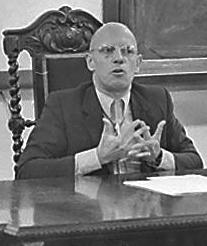 Photograph
Primary source
Michel Foucault Lecturing in Rio de Janeiro
1974
 Document
Primary source
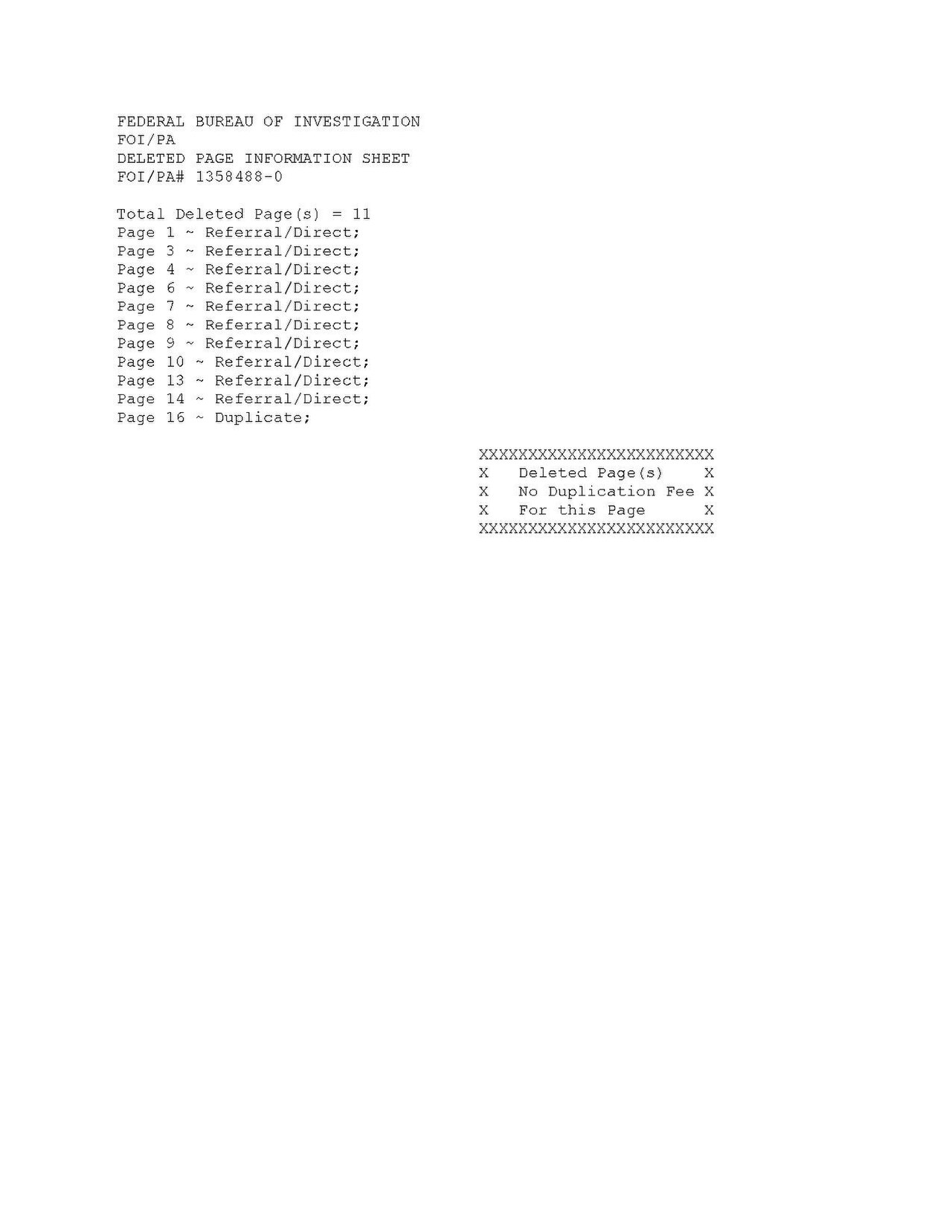
FBI File on Michel Foucault
Federal Bureau of Investigation
 Photograph
Primary source
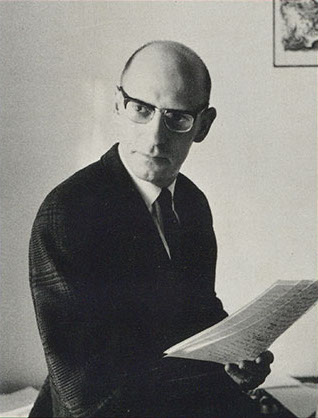
Portrait of Michel Foucault on The Order of Things Dust Jacket
1970
 Photograph
Primary source
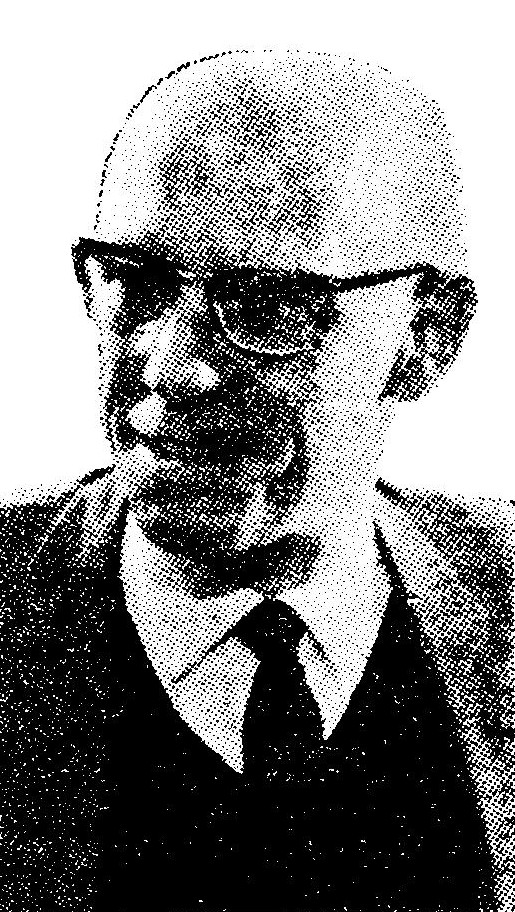
Portrait of Michel Foucault, c. 1968
c. 1968
Free account
Read every Michel Foucault source
Sign up free →
Ready when you are
Start chatting with Michel Foucault now.
20 messages free · No credit card · Available in 50+ languages.