


Primary sourceArtifact16th century
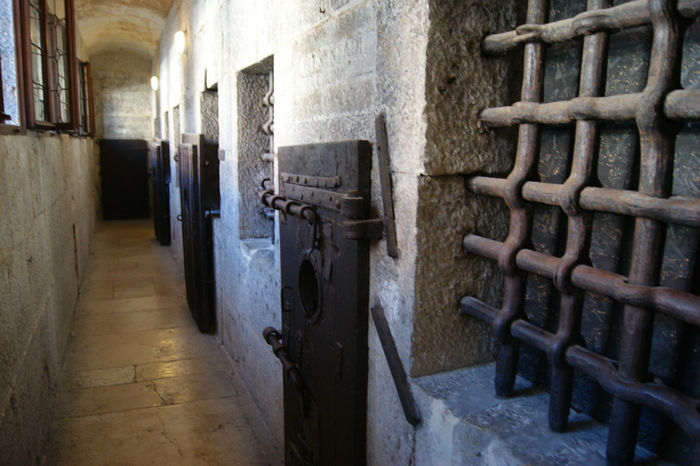
Piombi
16th century
The lead-roofed prison cells in the Doge's Palace in Venice where Casanova was held and from which he made his famous 1756 escape.
The actual prison from which Casanova made the escape that became the foundation of his fame.
About this source
What it is
The Piombi, meaning "The Leads," was a prison in the attic of the Doge's Palace in Venice, built in the 16th century and named for the lead slabs covering its roof. It held prisoners including Giacomo Casanova, who was imprisoned there in 1755–56.
Why it matters
The harsh conditions of this prison, extreme heat in summer, cold in winter, made Casanova's escape in 1756 all the more remarkable, and he later turned it into one of the most celebrated stories of his life. The building's history also connects to other famous inmates and to the wider justice system of the Venetian Republic.
Look closer
- What do the physical conditions described tell you about how Venice treated its prisoners?
- Why might a lead roof make a prison especially harsh?
- How does knowing the real conditions change how you read Casanova's escape story?
This artifact is part of the curated material that grounds the AI version of Giacomo Casanova on Humy.ai — when students ask about related events, the AI can quote it and cite it.
More Giacomo Casanova sources
Browse all 60 →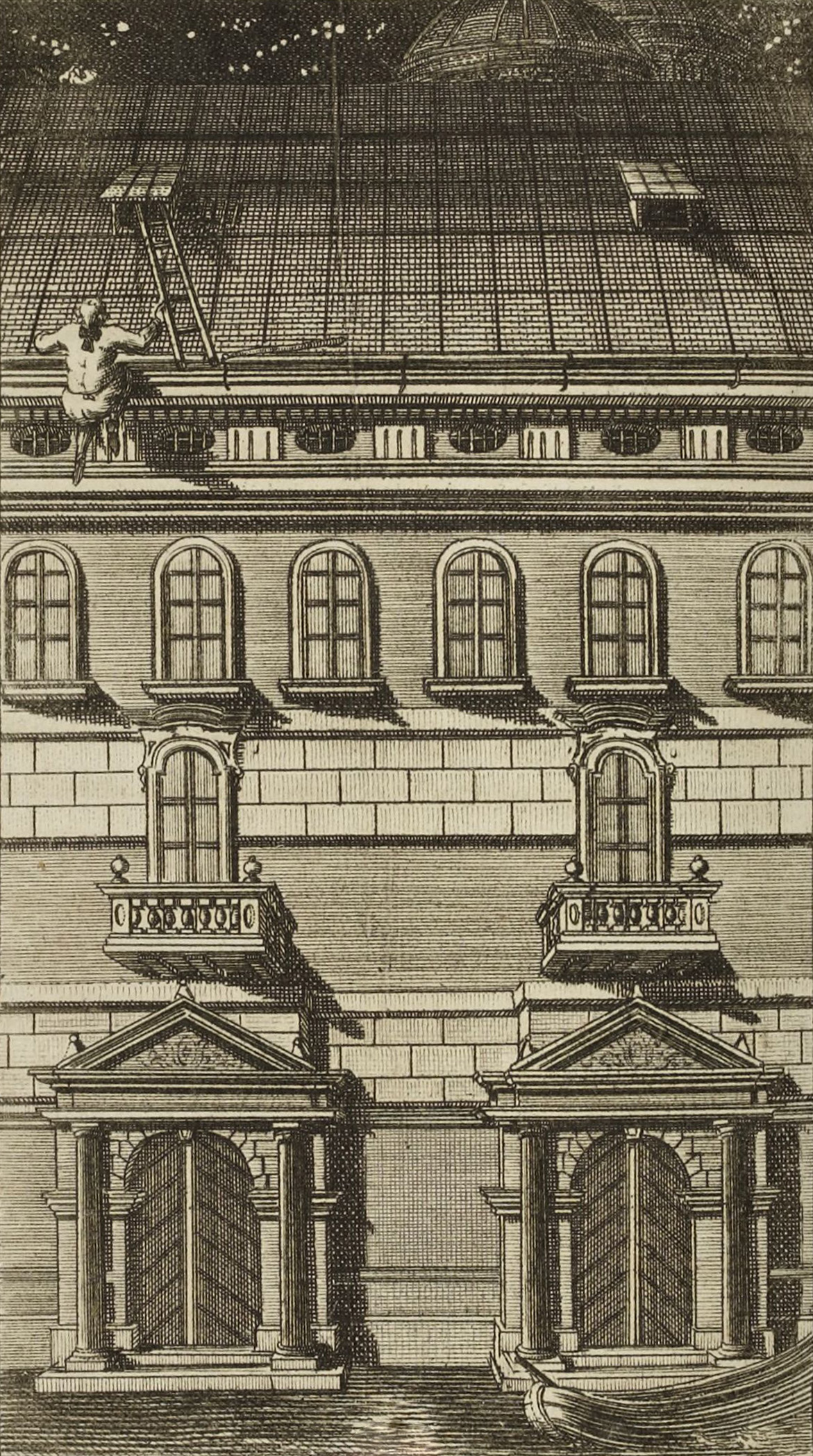 Book
Primary source
Story of my flight from the prisons of the Venetian Republic
Giacomo Casanova · 1788
 Painting
Primary source
Portrait of Giacomo Casanova
Francesco Casanova
 Painting
Secondary source
Presumed Portrait of Giacomo Casanova
Alessandro Longhi · 1774?
 Diary entry
Primary source
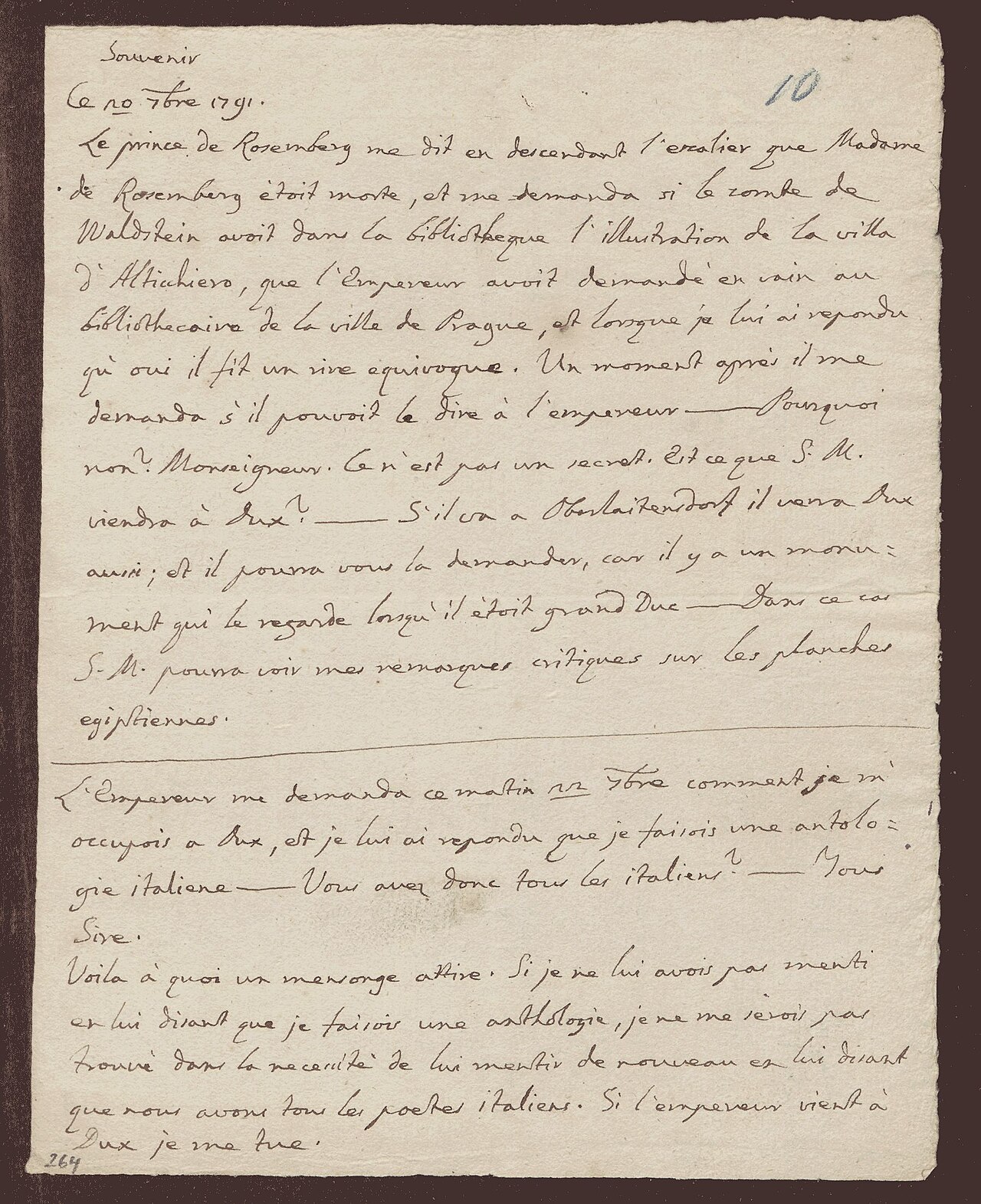
Casanova's Account of an Imperial Audience, 1791
Giacomo Casanova · September 1791


Free account
Read every Giacomo Casanova source
Sign up free →
Ready when you are
Start chatting with Giacomo Casanova now.
20 messages free · No credit card · Available in 50+ languages.