


Primary sourcePaintingc. 1795
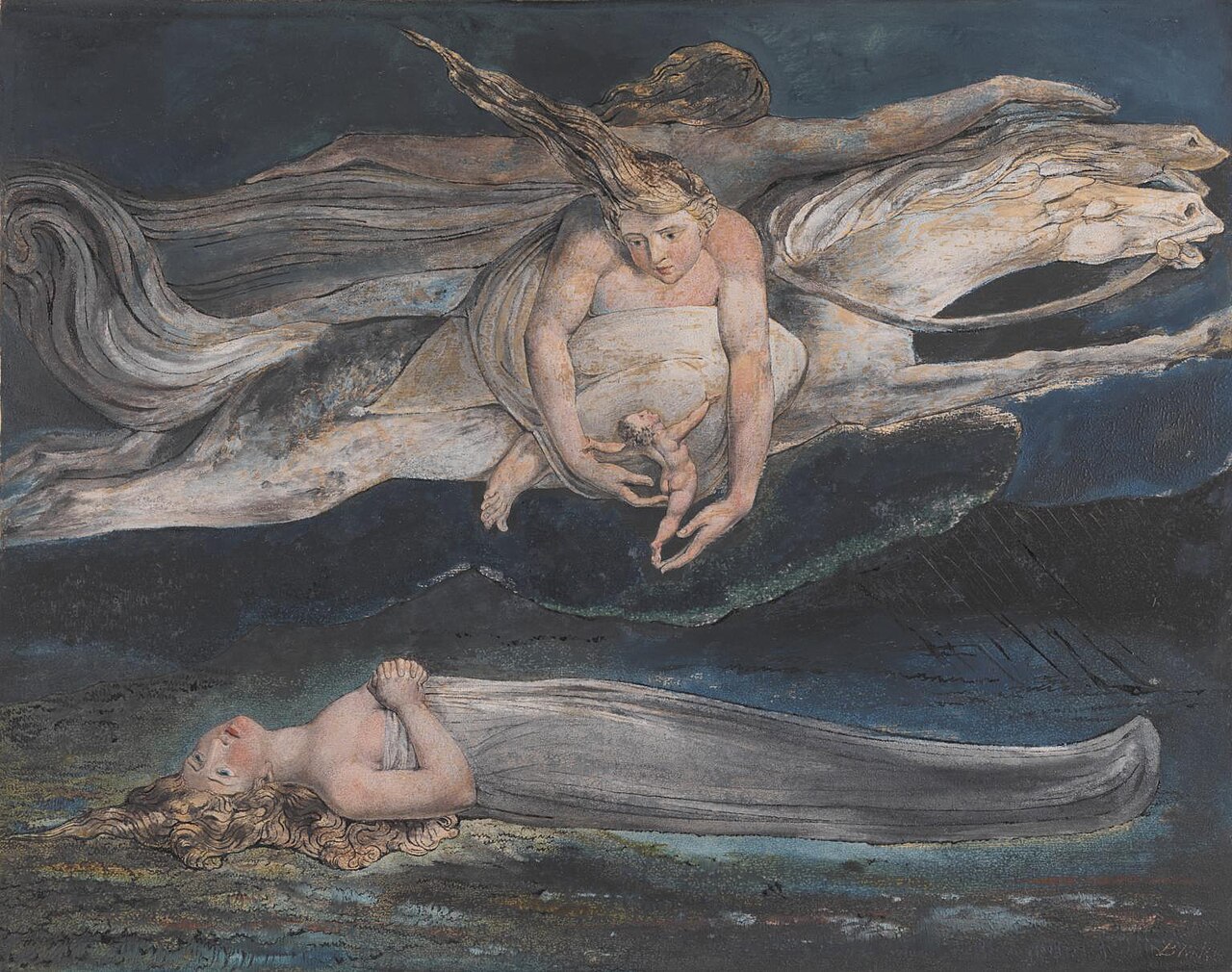
Pity
William Blake · c. 1795
A colour print by William Blake, c. 1795, that visualises two lines from Shakespeare's Macbeth, showing a winged figure carrying an infant above a reclining woman.
Blake made this print himself, and it shows how he turned a line of Shakespeare into a visual image, one of his main methods as an artist.
About this source
What it is
Pity is a colour print on paper, finished by hand in ink and watercolour, made by William Blake around 1795. It is a monotype: Blake printed from a painted matrix on gessoed millboard and then finished each impression by hand. Four versions survive from two matrices. The most elaborate version is in the Tate in London, and it was given to the gallery in 1939.
Why it matters
The print is a literal illustration of a double simile in Shakespeare's Macbeth, where pity is compared to a naked new-born babe and to cherubim riding the air. Critic Martin Butlin called it one of the most inspired literal illustrations of a text in art history. The work belongs to a group of large colour prints by Blake and was influenced by the Bible, Milton and Shakespeare. It also shows Blake reading texts pictorially, a habit that connects to his wider interest in the imagination.
Look closer
- Which words from Macbeth can you find in the picture, and how does the artist turn them into images?
- Why might the artist place a reclining figure on the ground beneath the winged figure?
- What does a print made by hand-finishing each copy tell you about how Blake made and sold his work?
This painting is part of the curated material that grounds the AI version of William Blake on Humy.ai — when students ask about related events, the AI can quote it and cite it.
More William Blake sources
Browse all 75 →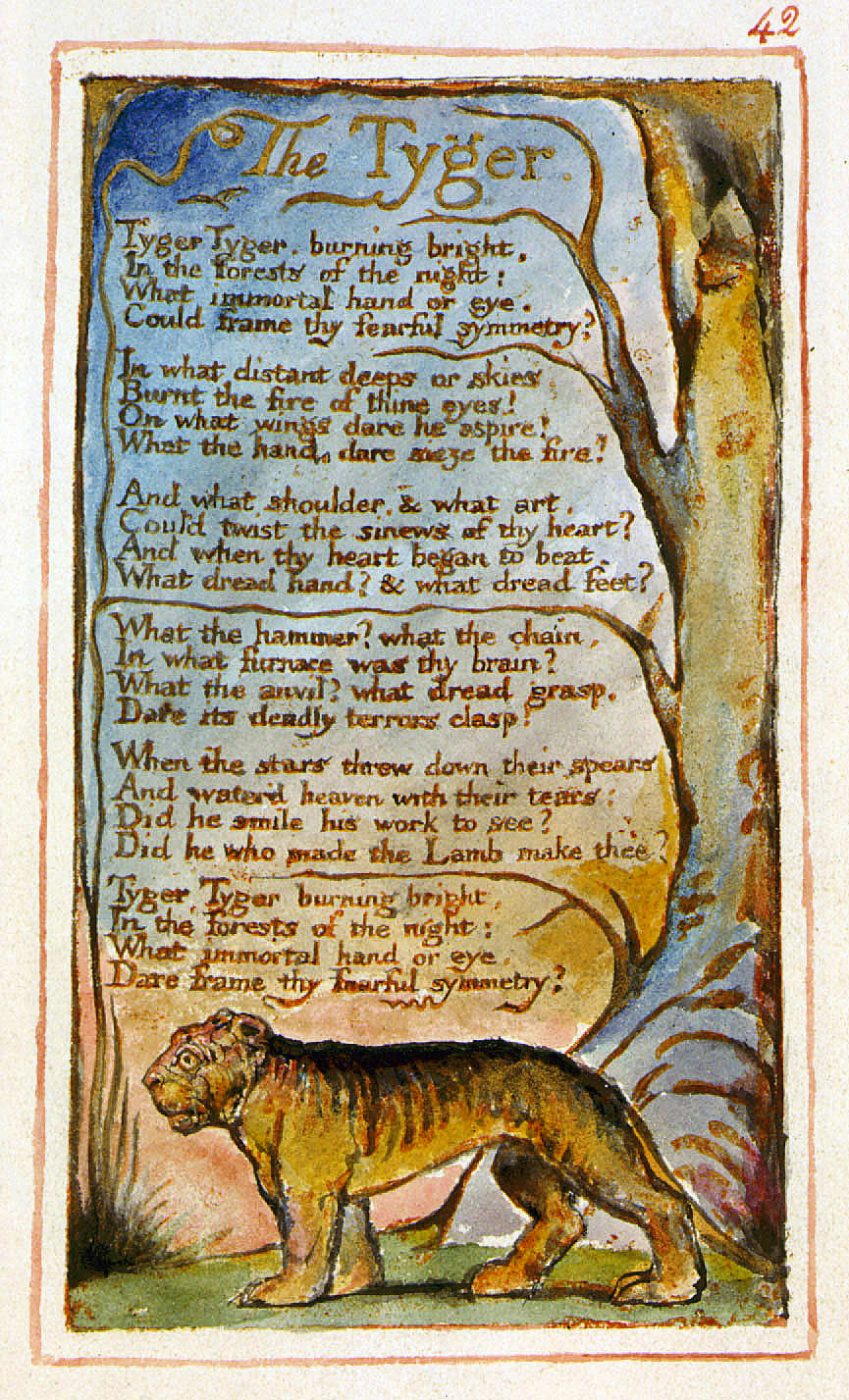 Book
Primary source
The Tyger
William Blake · 1794
 Book
Primary source
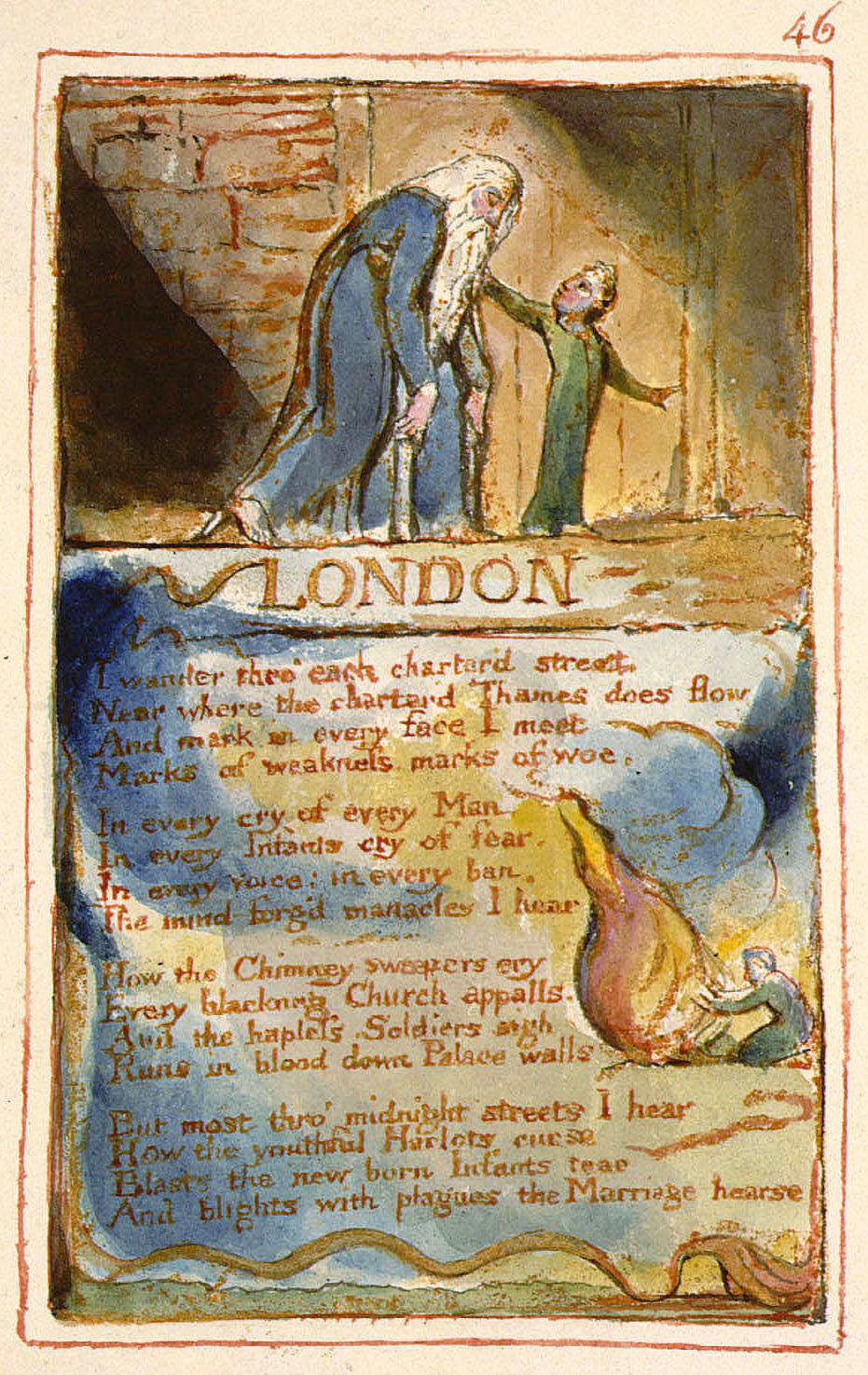
London
William Blake · 1794
 Book
Primary source
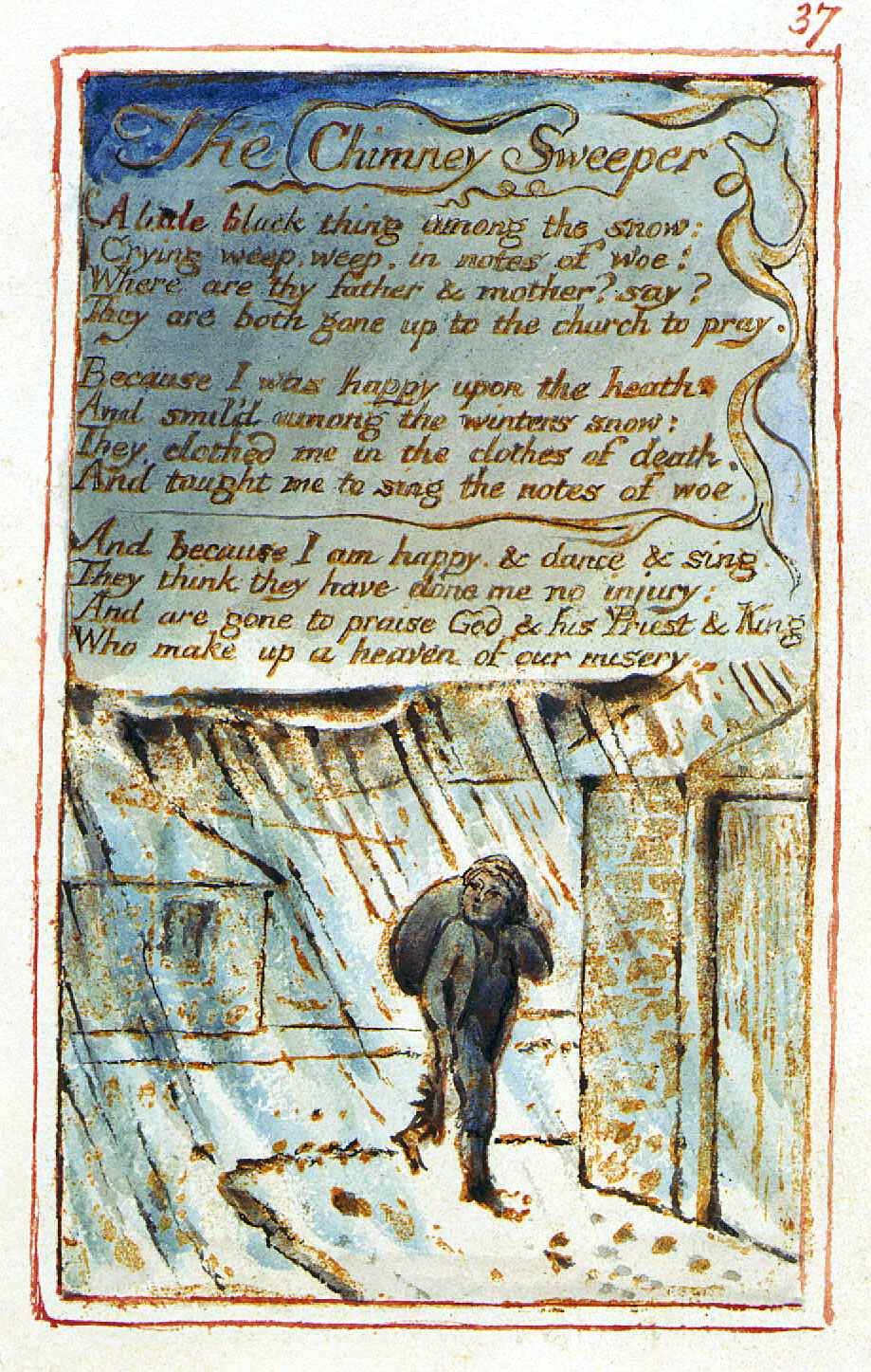
The Chimney Sweeper
William Blake · 1789 and 1794
 Book
Primary source
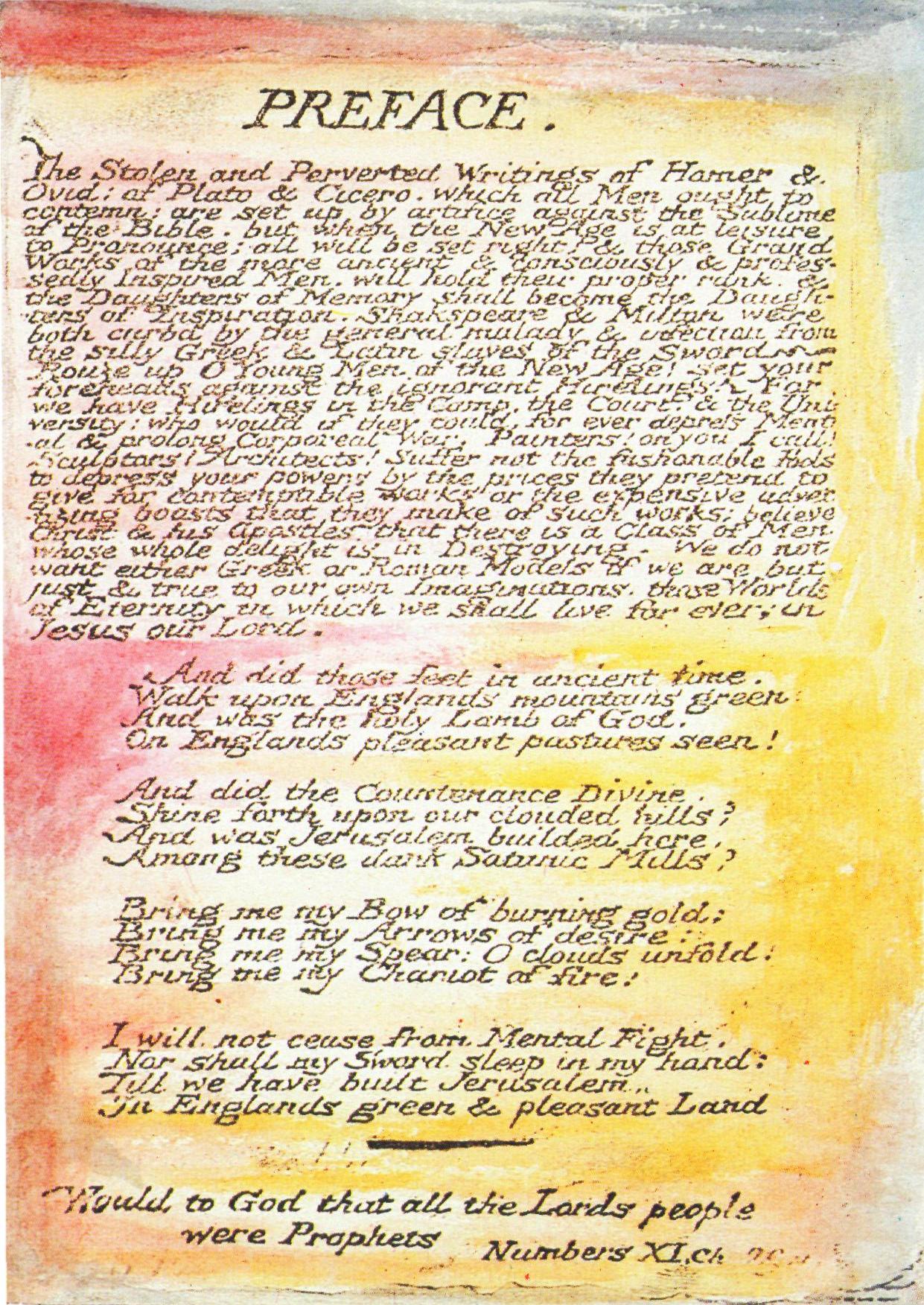
And did those feet in ancient time
William Blake · 1804 (printed c. 1808)
Free account
Read every William Blake source
Sign up free →
Ready when you are
Start chatting with William Blake now.
20 messages free · No credit card · Available in 50+ languages.