


Secondary sourceSculpturephotographed 2014
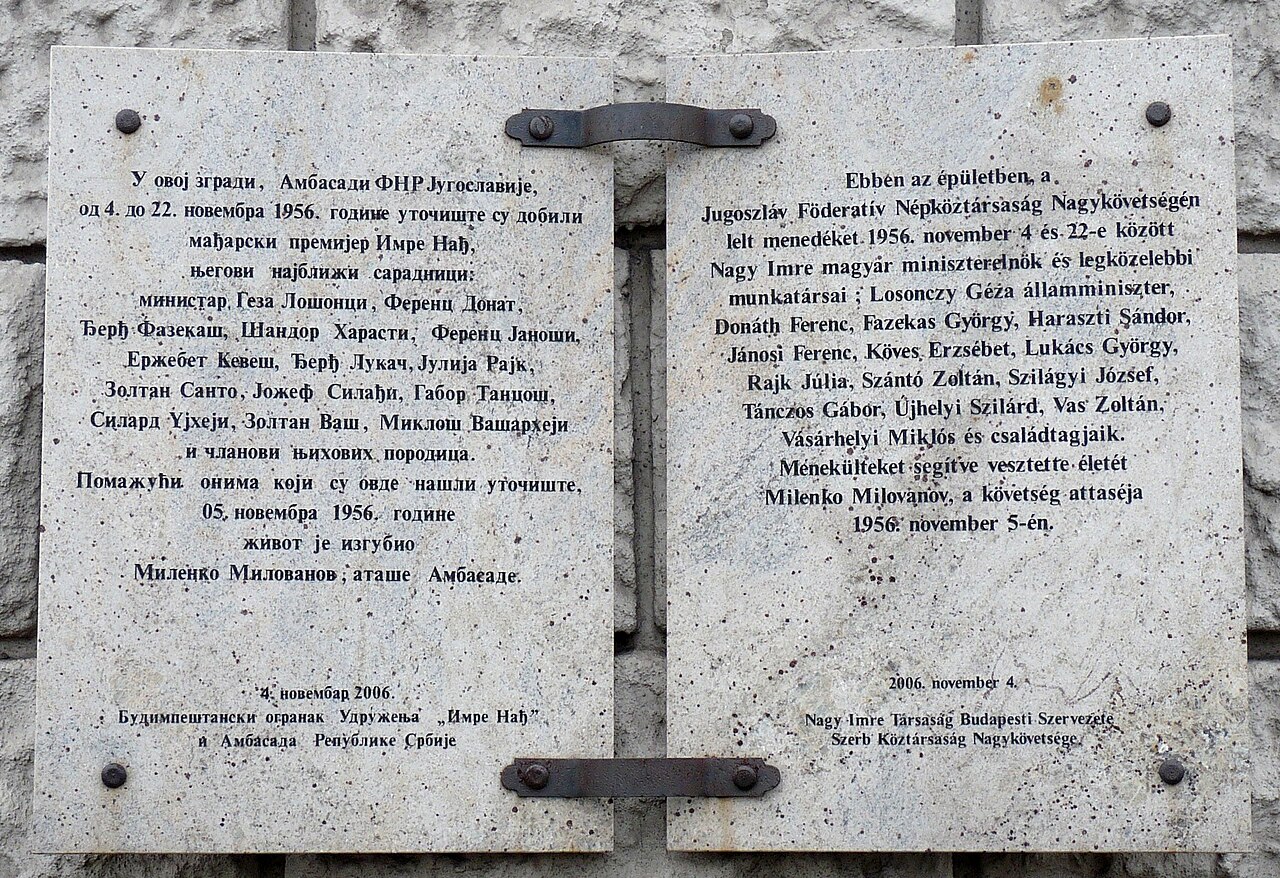
Plaque at Former Yugoslav Embassy, Nagy's 1956 Asylum
Fekist · photographed 2014
A bilingual plaque marking the former Yugoslav embassy where Nagy and his collaborators sought asylum in November 1956.
Marks the embassy where Nagy sought asylum with his collaborators during the 1956 revolution.
About this source
What it is
This photograph, taken in 2014, shows two marble plaques on the wall of a building in Budapest, one in Serbian Cyrillic and one in Hungarian. They commemorate Imre Nagy, Hungary's prime minister, and his closest collaborators, who sought asylum here between 4 and 22 November 1956.
Why it matters
The site marks a dramatic episode of the Hungarian Revolution, when Nagy and his allies took refuge at the Yugoslav embassy. The bilingual inscriptions reflect the diplomatic relationship between Hungary and Yugoslavia during this crisis.
Look closer
- Why might a plaque at this site be written in two languages?
- What does seeking asylum at a foreign embassy tell us about the danger Nagy faced?
- What questions does this plaque leave unanswered about what happened to Nagy after he left the embassy?
This sculpture is part of the curated material that grounds the AI version of Imre Nagy on Humy.ai — when students ask about related events, the AI can quote it and cite it.
More Imre Nagy sources
Browse all 90 →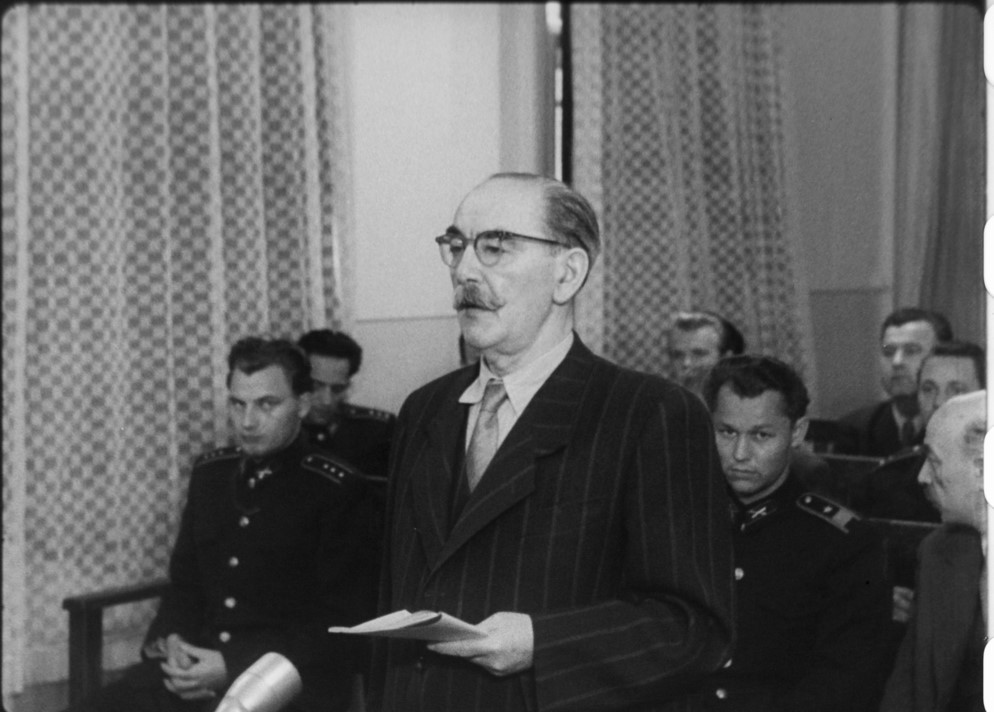 Photograph
Primary source
Nagy Addressing the People's Court, 1958
Fortepan / Magyar Nemzeti Levéltár · 1958
 Photograph
Secondary source
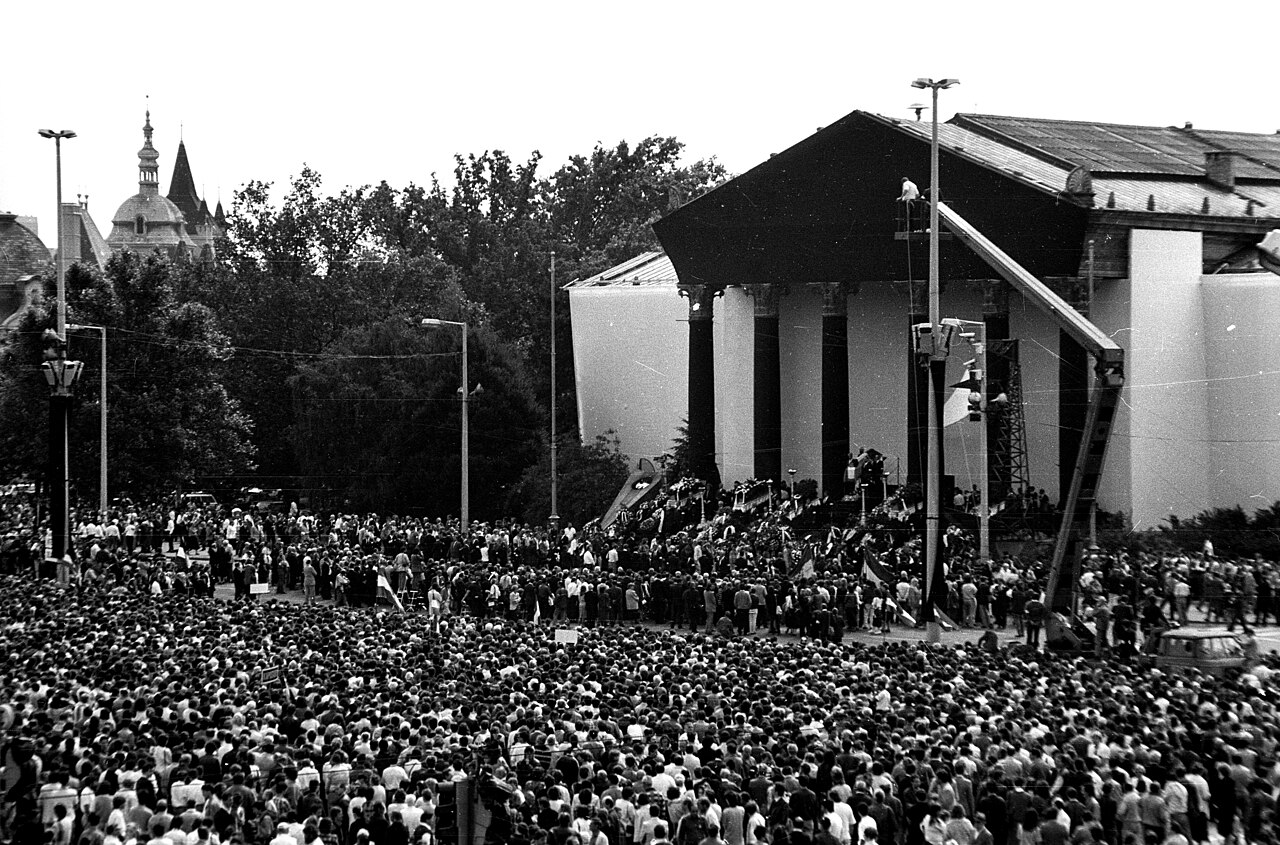
Reburial of Imre Nagy, Heroes' Square
Fortepan adományozó TM · 16 June 1989
 Document
Primary source
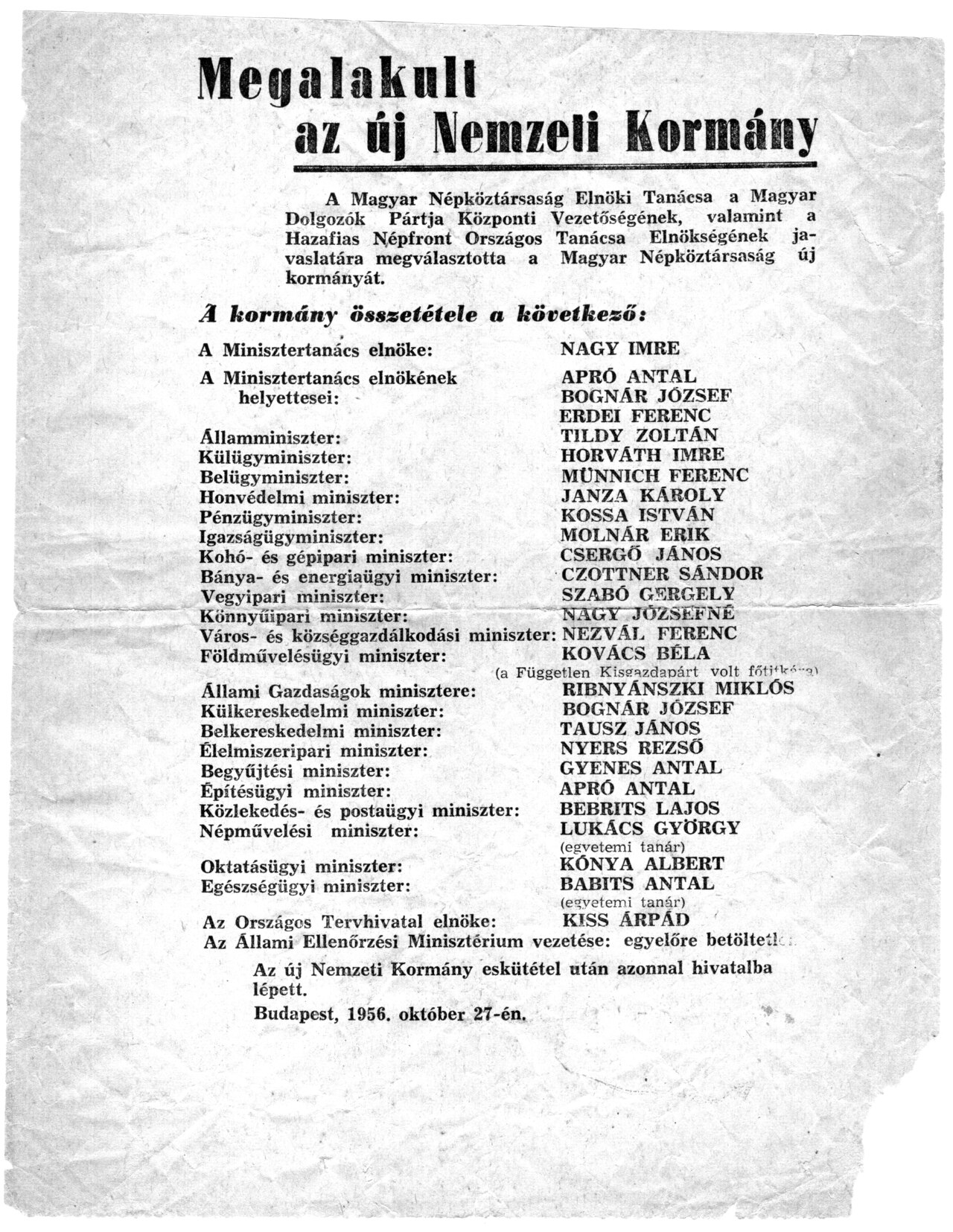
Flyer Announcing the New National Government, 1956
Government of Nagy Imre · 27 October 1956
 Photograph
Primary source
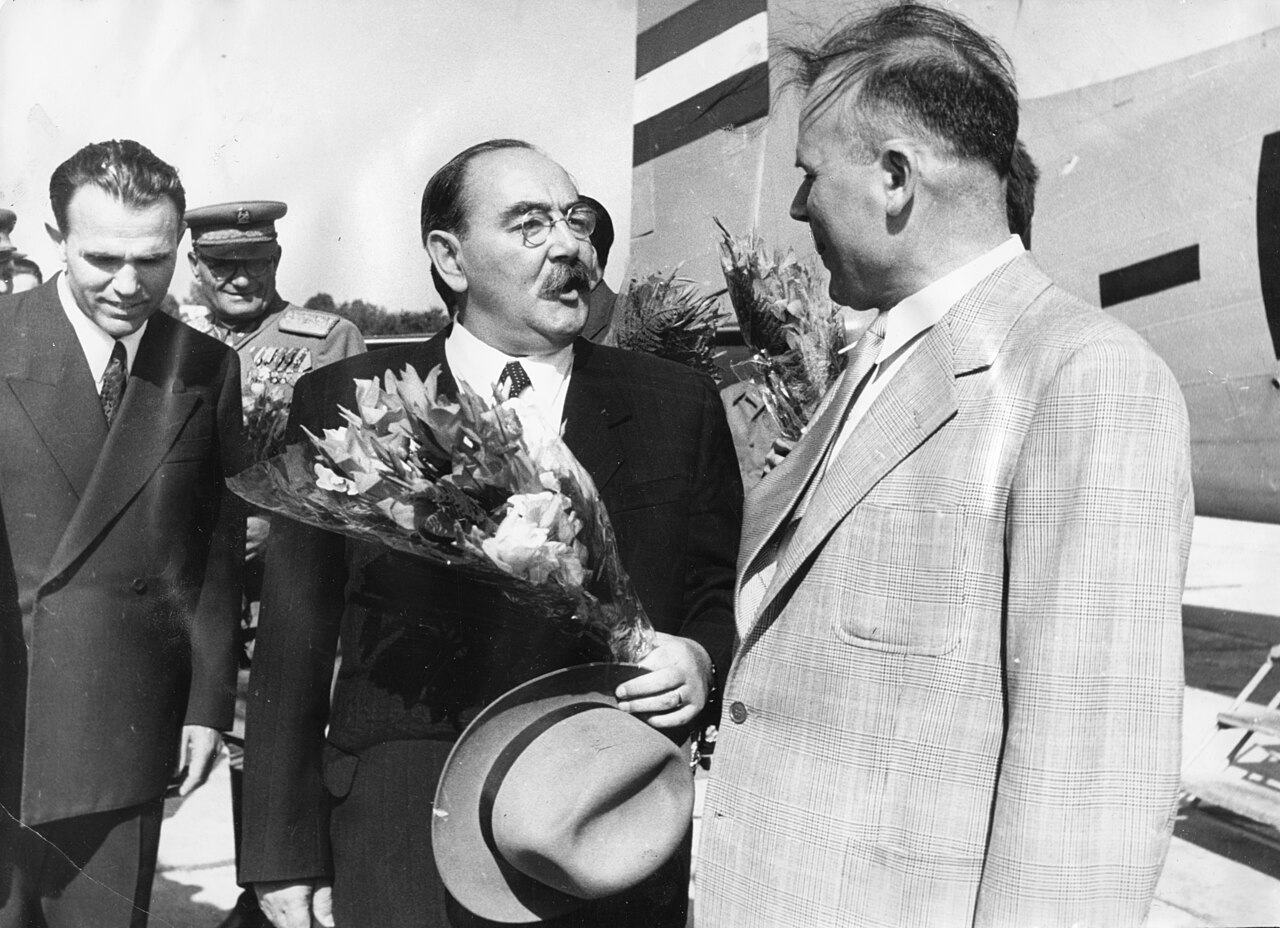
Nagy Returning from Moscow, June 1953
Fortepan / Jánosi Katalin · June 1953
Free account
Read every Imre Nagy source
Sign up free →
Ready when you are
Start chatting with Imre Nagy now.
20 messages free · No credit card · Available in 50+ languages.