


Primary sourceSculpture1784
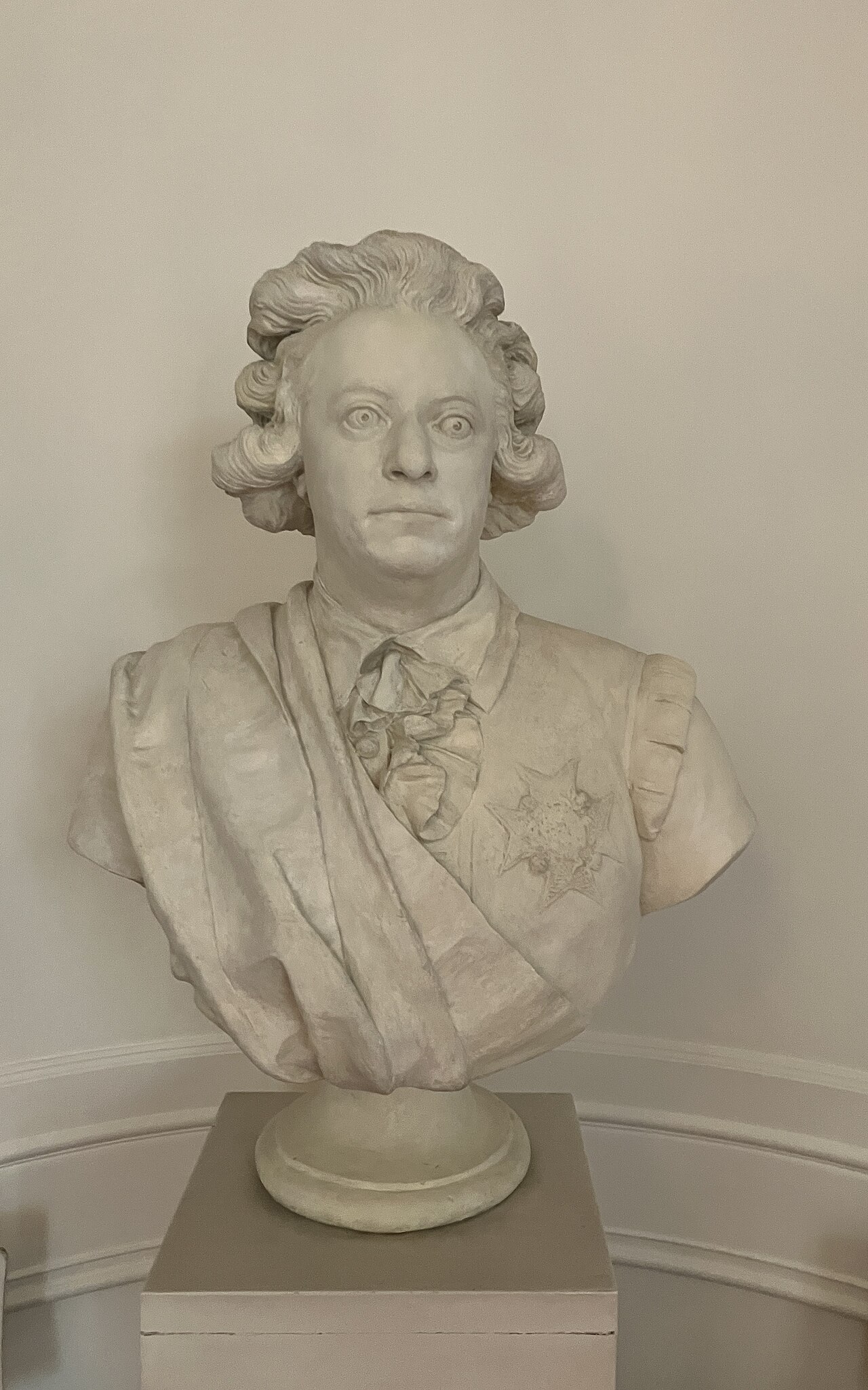
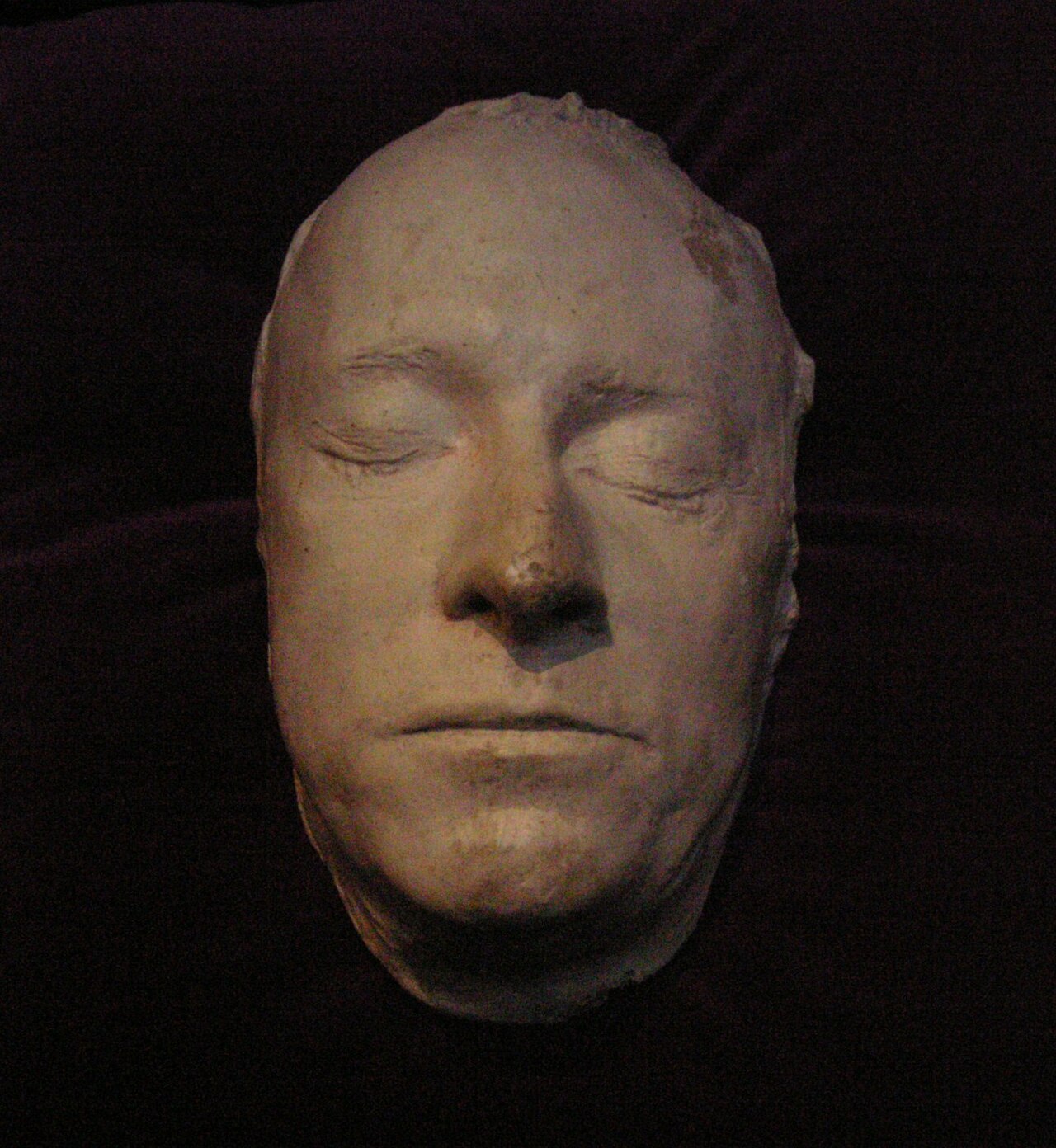
Plaster Bust of King Gustav III by Johan Tobias Sergel
Johan Tobias Sergel · 1784
A 1784 plaster portrait bust of Gustav III made by the sculptor Johan Tobias Sergel, now at Waldemarsudde.
This bust, made during Gustav III's reign, is a formal sculpted portrait of the king by a leading court sculptor.
About this source
What it is
This plaster bust portrays Gustav III with voluminous curled hair, a draped cloak, a ruffled cravat and a star-shaped order on his chest. It was made in 1784, during his reign, by the Swedish sculptor Johan Tobias Sergel and is signed by the artist. The bust stands 82 cm tall and is now part of the collection at Prince Eugen's Waldemarsudde.
Why it matters
Sergel was one of the leading sculptors working for the Swedish court, and this bust shows the kind of classical, idealized portraiture used to present monarchs as dignified and timeless figures. It offers a sculptor's-eye view of the king, made while he was still alive and ruling.
Look closer
- How does the sculptor use pose, hair, and clothing to create a sense of dignity and authority?
- Why might a king sit for a bust like this rather than, or in addition to, a painted portrait?
- What does a plain white plaster bust leave out that a painting could show, such as color or setting?
This sculpture is part of the curated material that grounds the AI version of Gustav III on Humy.ai — when students ask about related events, the AI can quote it and cite it.
More Gustav III sources
Browse all 92 →Primary source
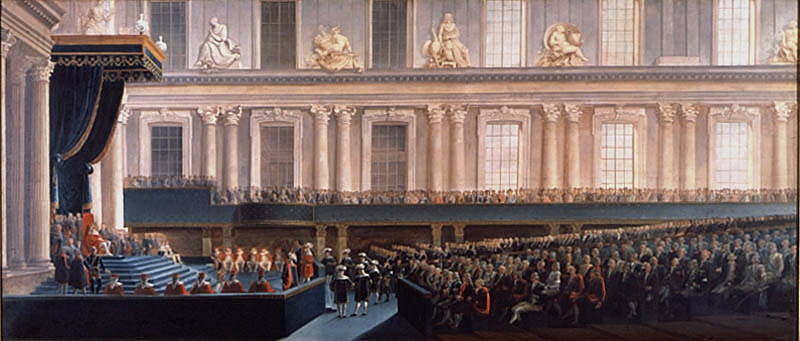
Swedish Constitution of 1772
Gustav III of Sweden · 21 August 1772
 Painting
Primary source
Riksdagen 1789
Louis Jean Desprez · 1789
 Painting
Primary source
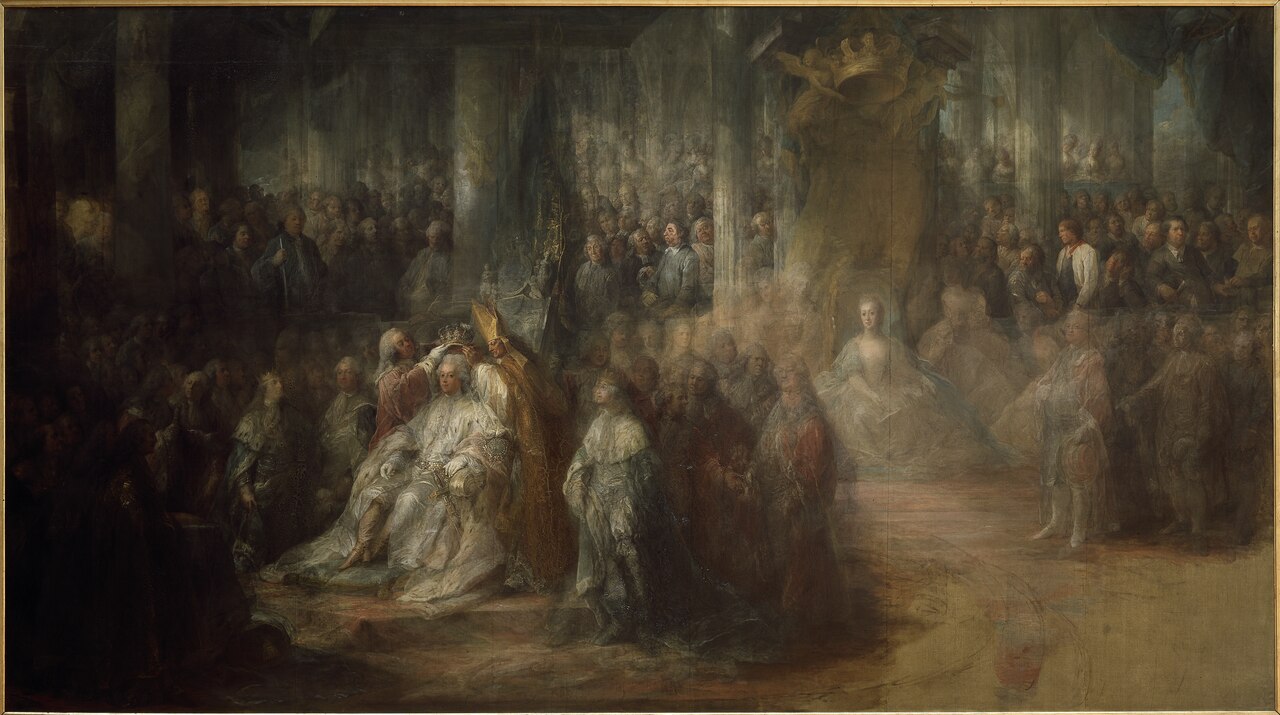
Coronation of Gustav III
Carl Gustaf Pilo · 1792
 Painting
Primary source
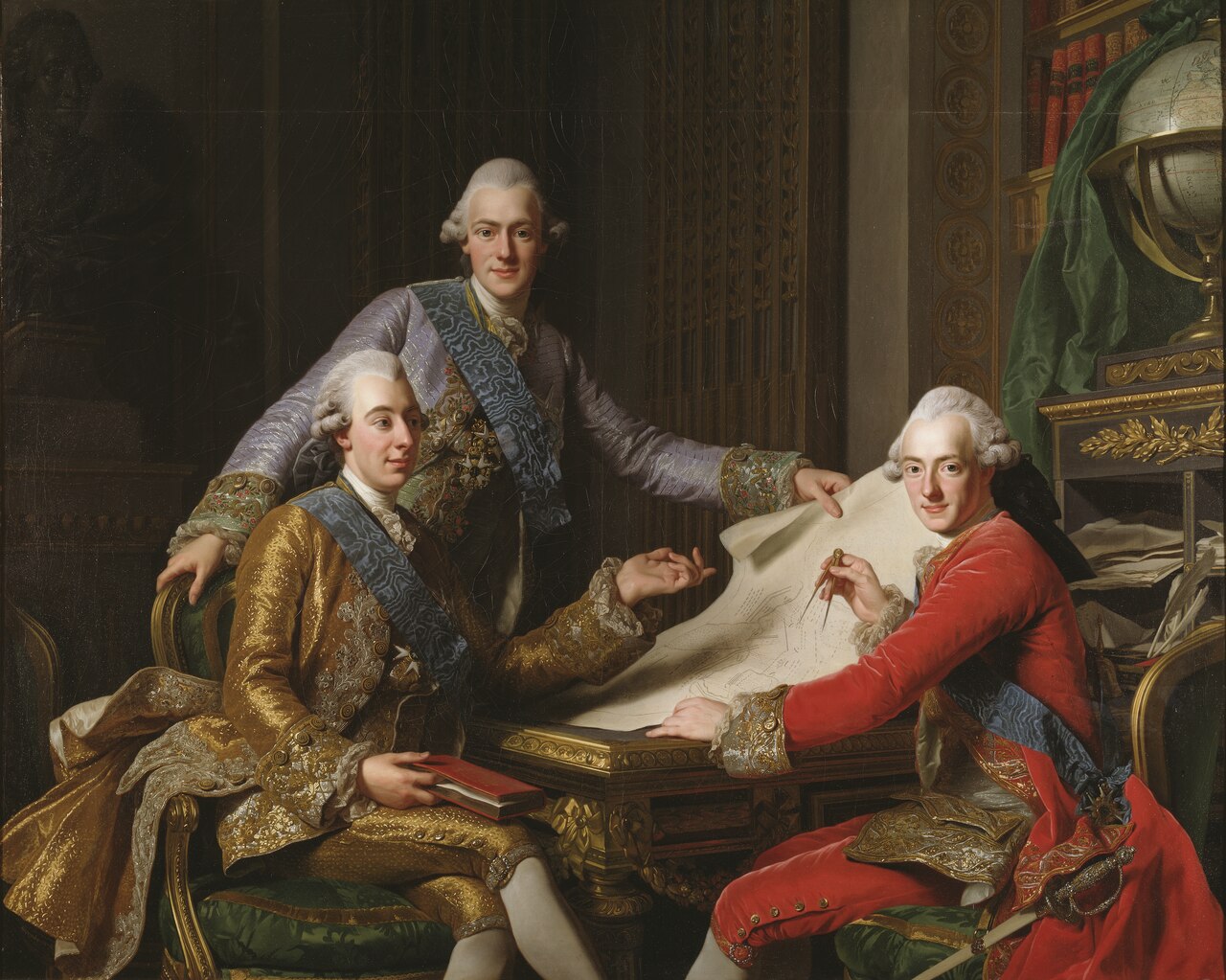
King Gustav III of Sweden and his Brothers
Alexander Roslin · 1771
Free account
Read every Gustav III source
Sign up free →
Ready when you are
Start chatting with Gustav III now.
20 messages free · No credit card · Available in 50+ languages.