


Primary sourceSculpture1910-1913
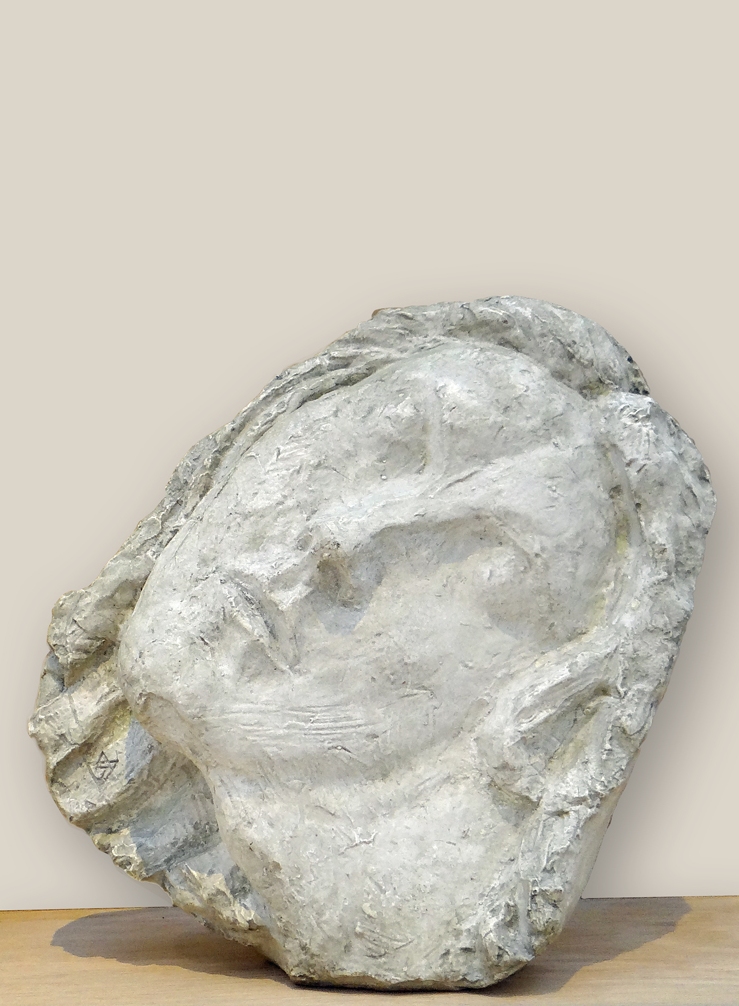
Plaster Study for La Danse by Antoine Bourdelle, after Isadora Duncan
Antoine Bourdelle · 1910-1913
A plaster mask study by sculptor Antoine Bourdelle, made after Isadora Duncan for the dance relief of the Théâtre des Champs-Élysées.
This sculptural study was made directly after Duncan, for a major public relief celebrating modern dance.
About this source
What it is
This plaster study, a mask leaning back, was made by the sculptor Antoine Bourdelle between 1910 and 1913 as preparation for the relief sculpture of La Danse at the Théâtre des Champs-Élysées in Paris. The study was made directly after Isadora Duncan.
Why it matters
Bourdelle, a leading sculptor of his time, used Duncan as a model for a major public artwork celebrating modern dance. This shows how deeply her distinctive, flowing style of movement shaped the visual arts of the early twentieth century, inspiring sculptors as well as painters.
Look closer
- Why might a sculptor study a dancer's face and expression before carving a large public relief?
- What does the leaning-back pose suggest about the kind of movement being captured?
- What does a plaster study, as opposed to the finished relief, tell you about an artist's working process?
This sculpture is part of the curated material that grounds the AI version of Isadora Duncan on Humy.ai — when students ask about related events, the AI can quote it and cite it.
More Isadora Duncan sources
Browse all 91 →Primary source
My Life
Isadora Duncan · 1927
Primary source
The Dance of the Future
Isadora Duncan · 1903
Secondary source
The Art of the Dance
Isadora Duncan (ed. Sheldon Cheney) · 1928
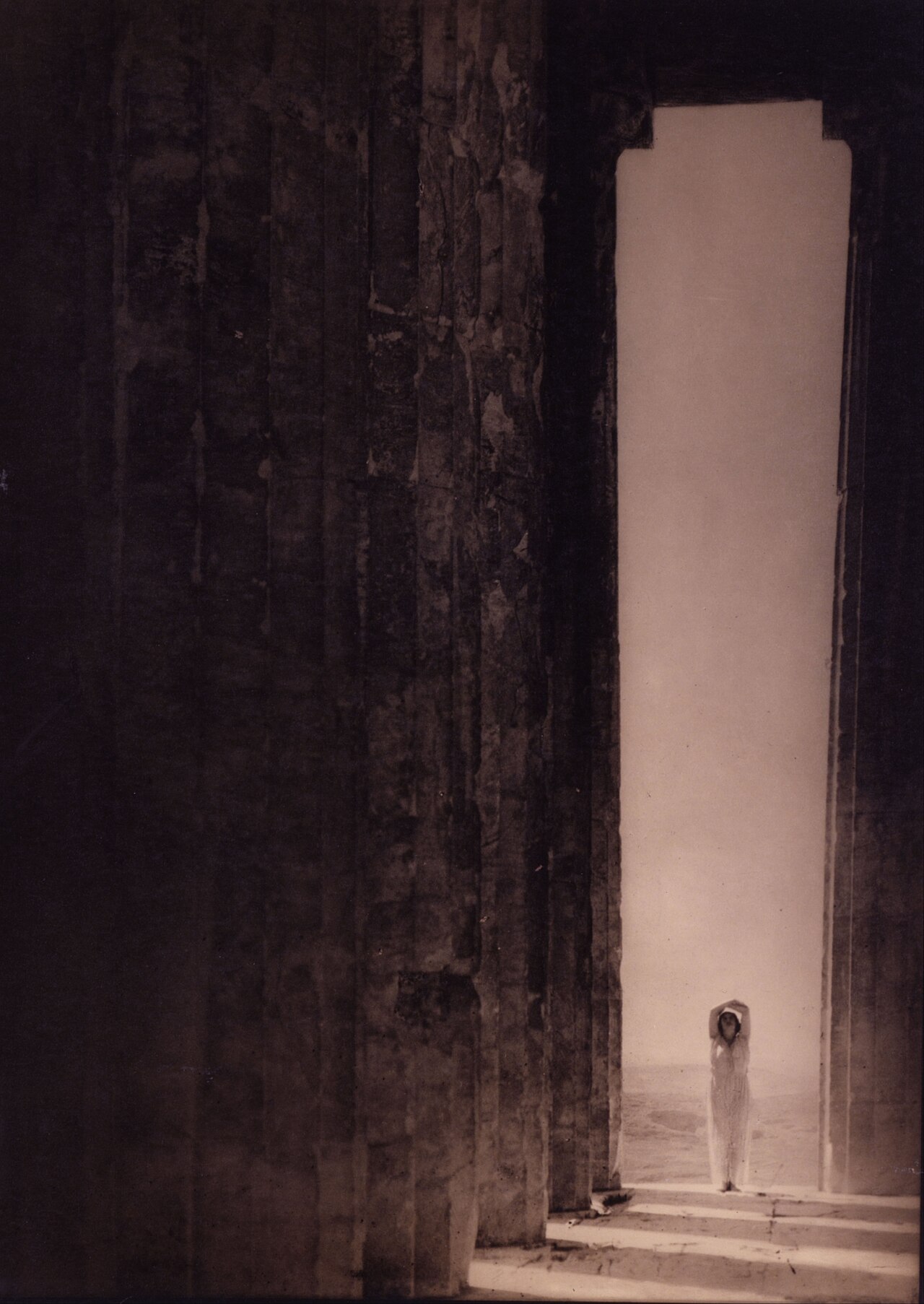 Photograph
Primary source
Isadora Duncan in the Parthenon, Athens
Edward Steichen · 1921
Free account
Read every Isadora Duncan source
Sign up free →
Ready when you are
Start chatting with Isadora Duncan now.
20 messages free · No credit card · Available in 50+ languages.