


Secondary sourcePainting1707-1710
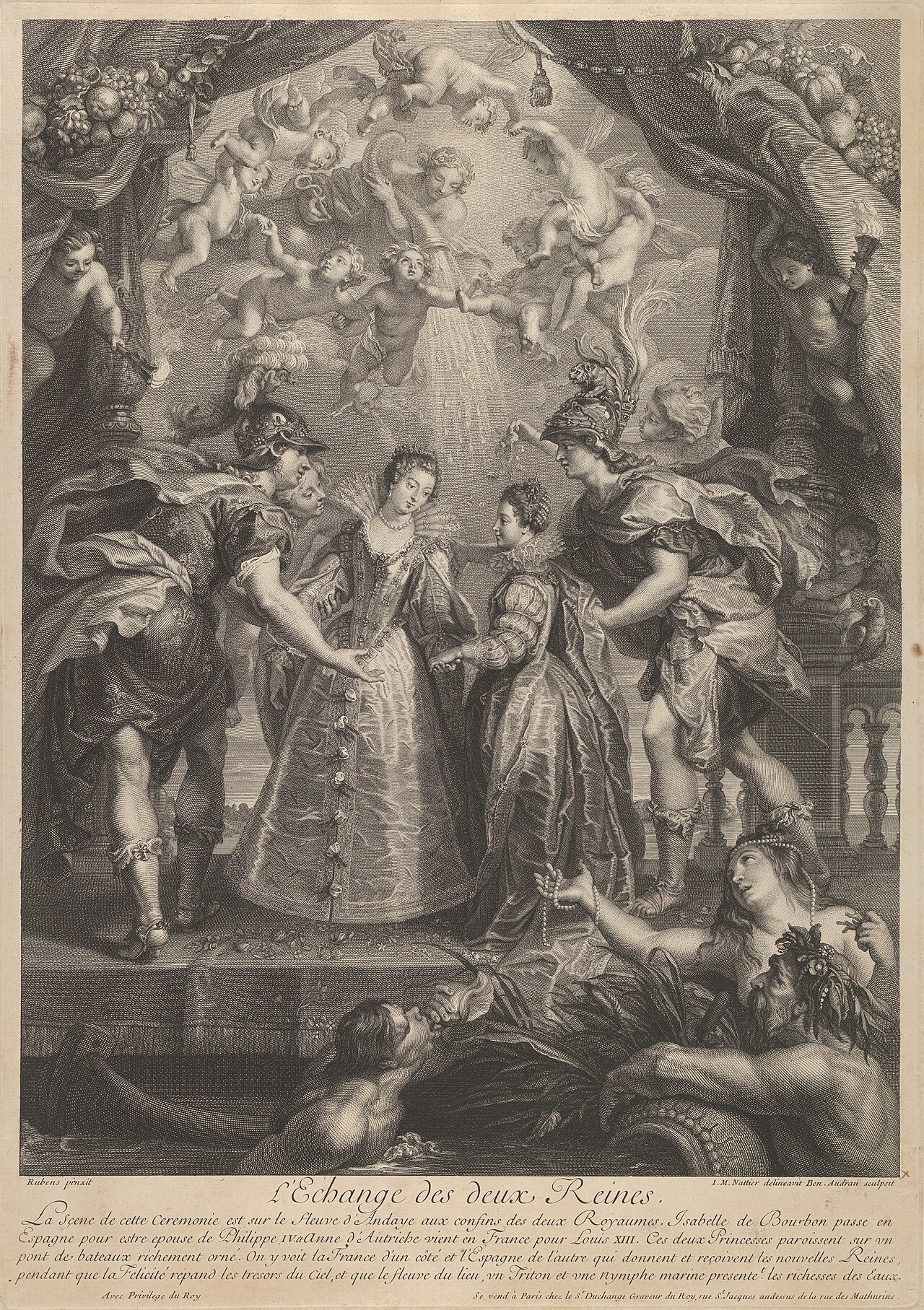
Plate 17: Exchange of the two princesses at Hendaye
Jean-Marc Nattier, Benoît Audran the Elder, Peter Paul Rubens, Gaspard Duchange · 1707-1710
An allegorical print from 1707 to 1710 showing Anne of Austria and Elizabeth of Bourbon on the bridge at the 1615 exchange.
Shows Anne of Austria on the bridge at the 1615 exchange of princesses, presented in an allegorical way.
About this source
What it is
This is an engraving of an allegorical scene. Two elegantly dressed women in ruffled collars stand on a raised platform, and one reaches out to the other. Winged cherubs fill the clouds, a soldier in a plumed helmet stands at left, and a personification in a helmet stands at right. Reclining river figures, a sea nymph and a triton appear in the foreground. The print was made in 1707 to 1710, with designs associated with Jean-Marc Nattier and Peter Paul Rubens and engraving by Benoît Audran the Elder and Gaspard Duchange.
Why it matters
The print shows Anne of Austria and Elizabeth of Bourbon meeting on the bridge at Hendaye during the 1615 exchange of princesses. Anne was the Spanish princess who became queen of France, and Elizabeth was the French princess who became queen of Spain. Allegory turns a diplomatic meeting into a symbolic image of peace between the two kingdoms, and the print shows how such images were used to celebrate royal alliances.
Look closer
- Which figures are real people, and which are symbolic personifications?
- What might the river figures and the sea nymph suggest about the meaning of the scene?
- What does an allegorical print leave out about the actual negotiations behind the exchange?
This painting is part of the curated material that grounds the AI version of Anne of Austria on Humy.ai — when students ask about related events, the AI can quote it and cite it.
More Anne of Austria sources
Browse all 94 →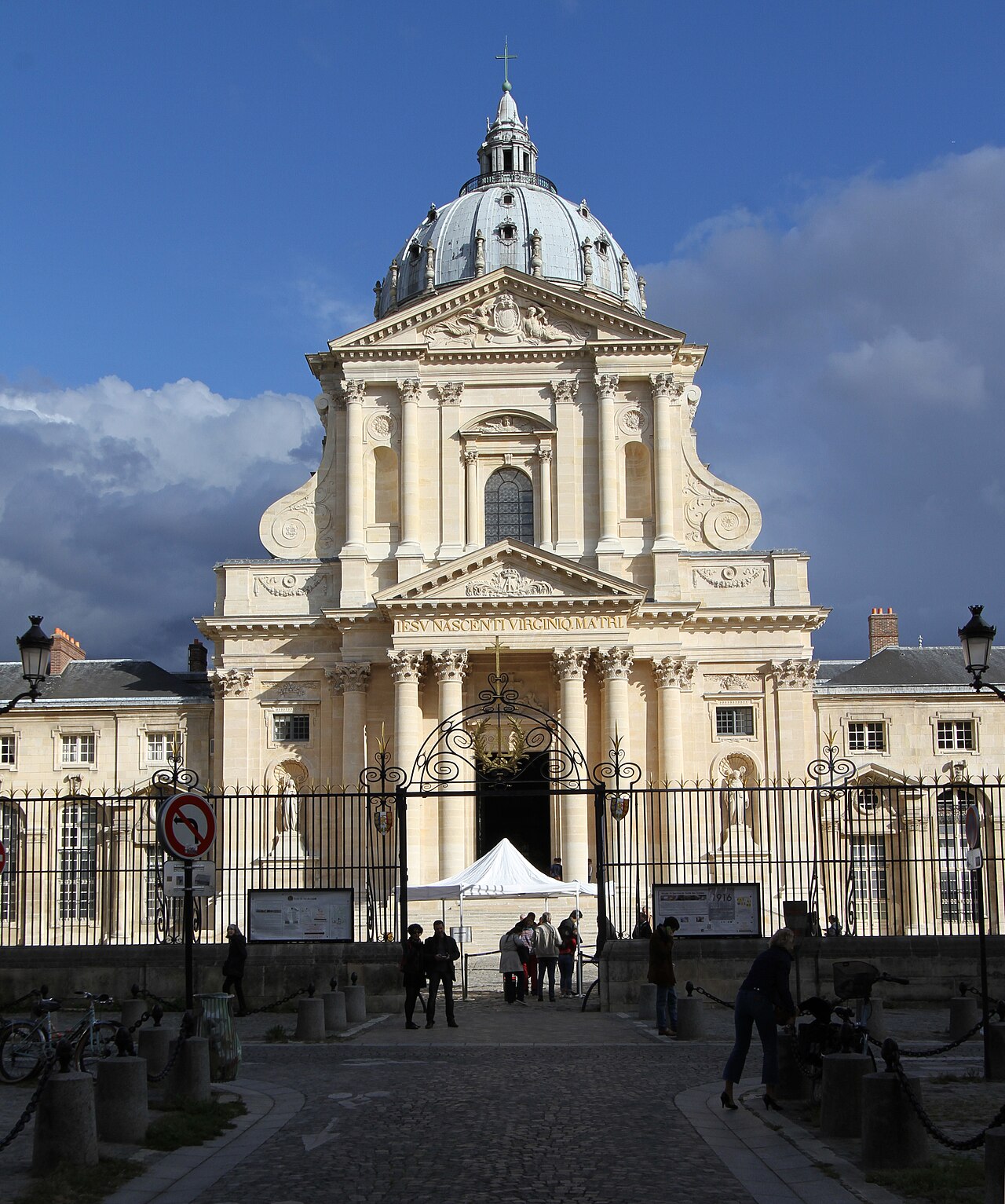 Artifact
Secondary source
Église du Val-de-Grâce
François Mansart; Gabriel Le Duc · 1667
 Painting
Primary source
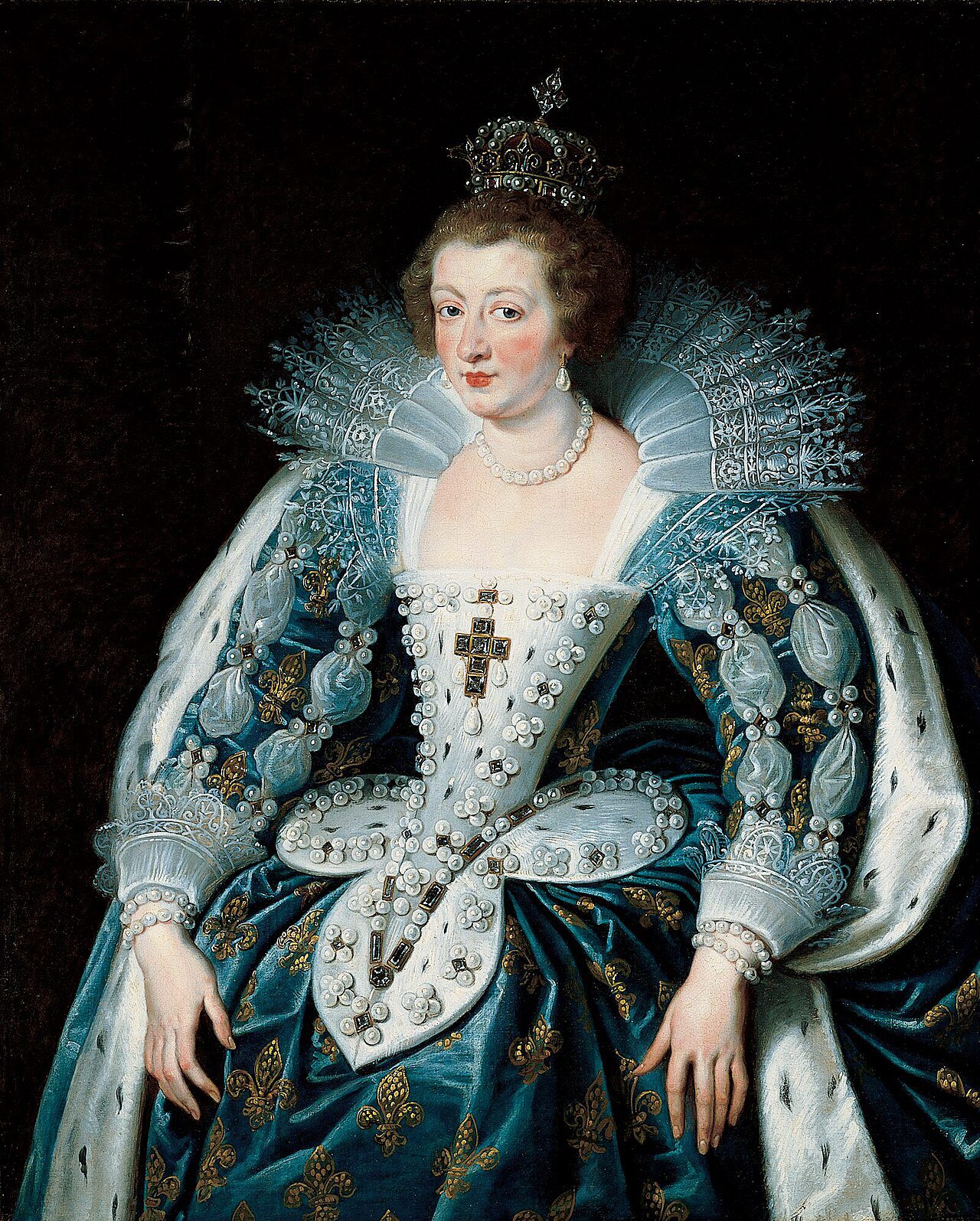
Portrait of Anne of Austria
Peter Paul Rubens · 1623
 Painting
Secondary source
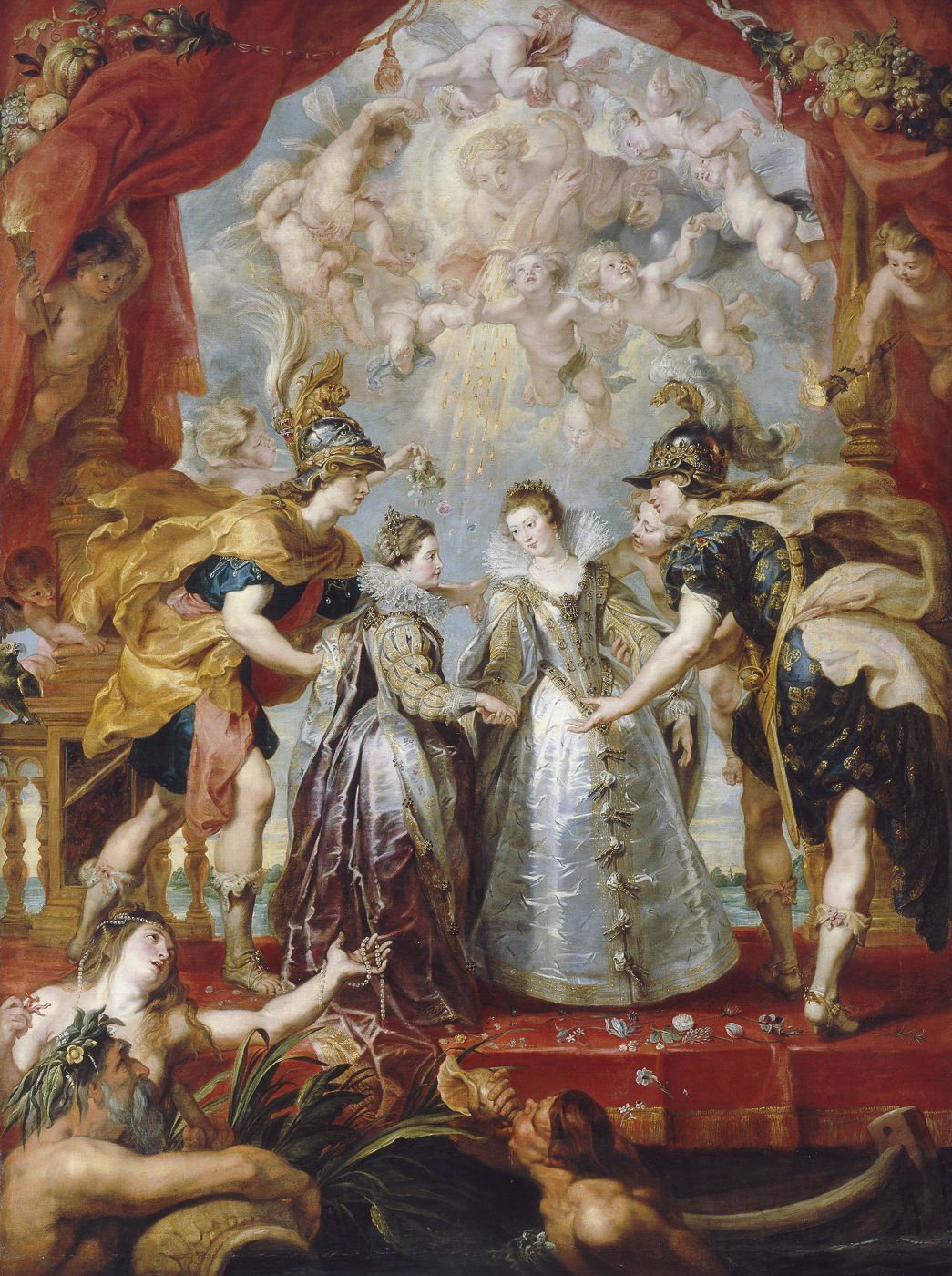
Exchange of the Princesses between Spain and France
Peter Paul Rubens · 1623
 Painting
Secondary source
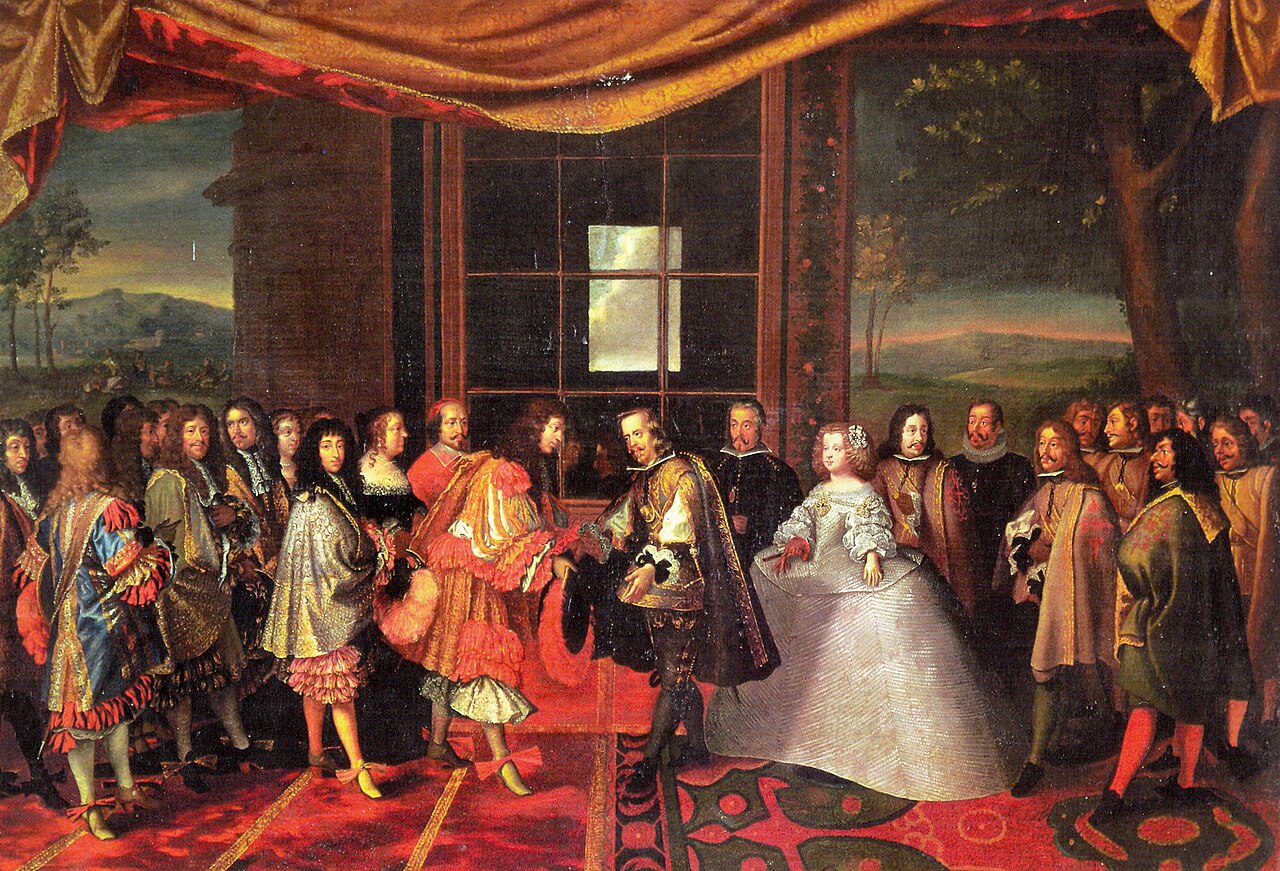
The Interview of Louis XIV and Philip IV on the Isle of Pheasants
Jacques Laumosnier · 1660
Free account
Read every Anne of Austria source
Sign up free →
Ready when you are
Start chatting with Anne of Austria now.
20 messages free · No credit card · Available in 50+ languages.