


Secondary sourceDocument1900
Plate I, Treatise on the Astrolabe, Skeat edition
Walter W. Skeat · 1900
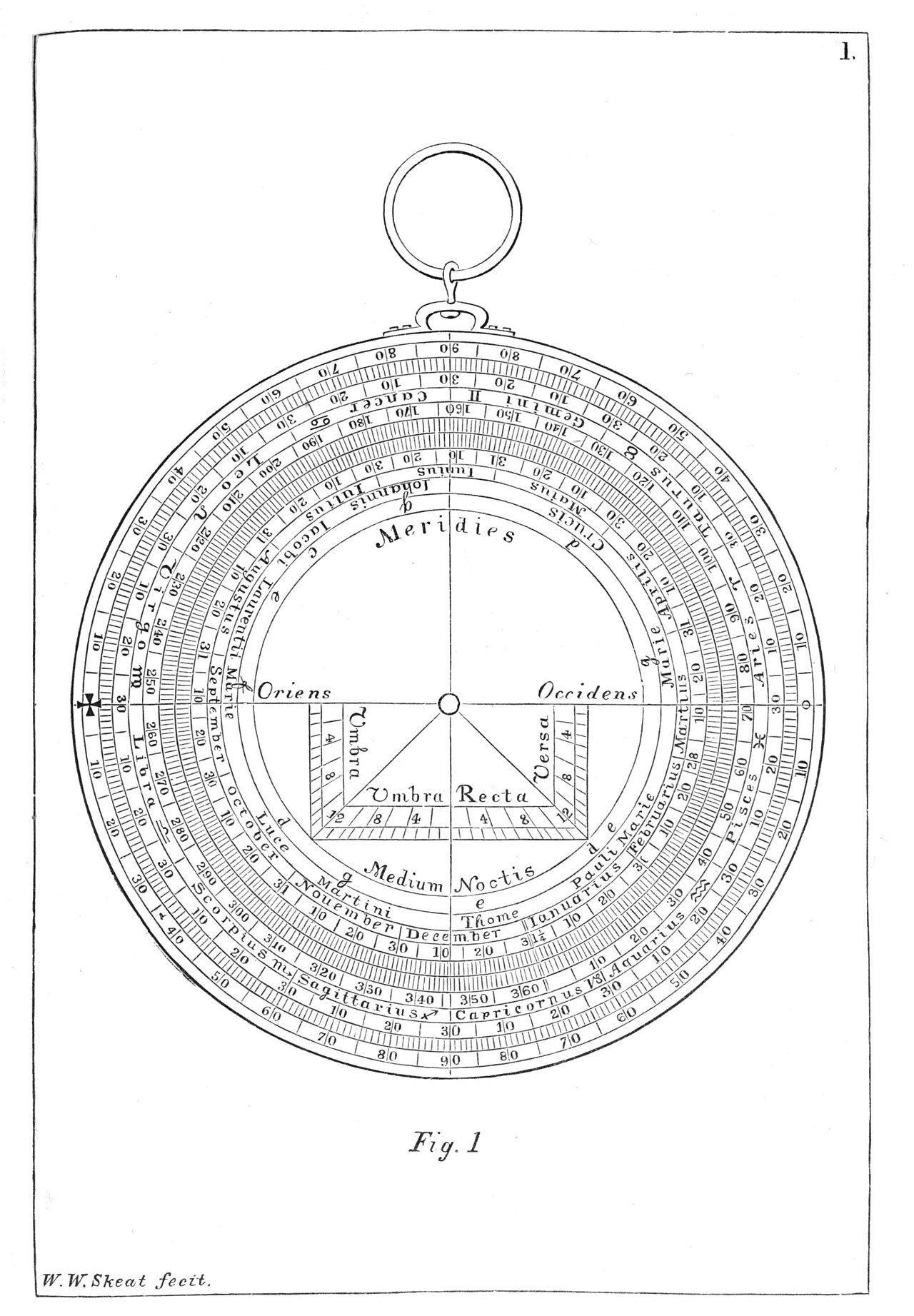
A diagram of the flat back of an astrolabe, drawn for Walter W. Skeat's 1900 edition of Chaucer's treatise on the instrument.
It illustrates the instrument described in Chaucer's treatise, so it shows how his technical text was explained in a later edition.
About this source
What it is
This is Plate I from Walter W. Skeat's 1900 edition of Chaucer's Treatise on the Astrolabe. The plate is captioned Fig. 1 and shows the flat back of an astrolabe. It has a suspension ring at the top, concentric scales with zodiac signs and month names, a horizontal and vertical axis labeled Oriens, Occidens and Meridies, and shadow square scales below. It is signed W. W. Skeat fecit.
The plate was made to accompany the treatise in a modern printed edition. It is a later scholarly drawing, not a page written by Chaucer.
Why it matters
Chaucer's treatise describes the astrolabe in words, and a diagram helps readers match those words to the real parts of the instrument. Skeat's edition shows how late 19th-century scholars studied and explained medieval texts for new readers.
Look closer
- Which labels on the diagram help you find the directions of the sky?
- Why would an editor add a drawing of the back of the instrument to a book about Chaucer?
- What does a flat diagram leave out that a real object would show?
This document is part of the curated material that grounds the AI version of Geoffrey Chaucer on Humy.ai — when students ask about related events, the AI can quote it and cite it.
More Geoffrey Chaucer sources
Browse all 95 →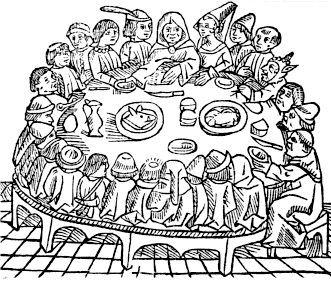 Book
Primary source
The Canterbury Tales
Geoffrey Chaucer · 1387-1400
 Book
Secondary source
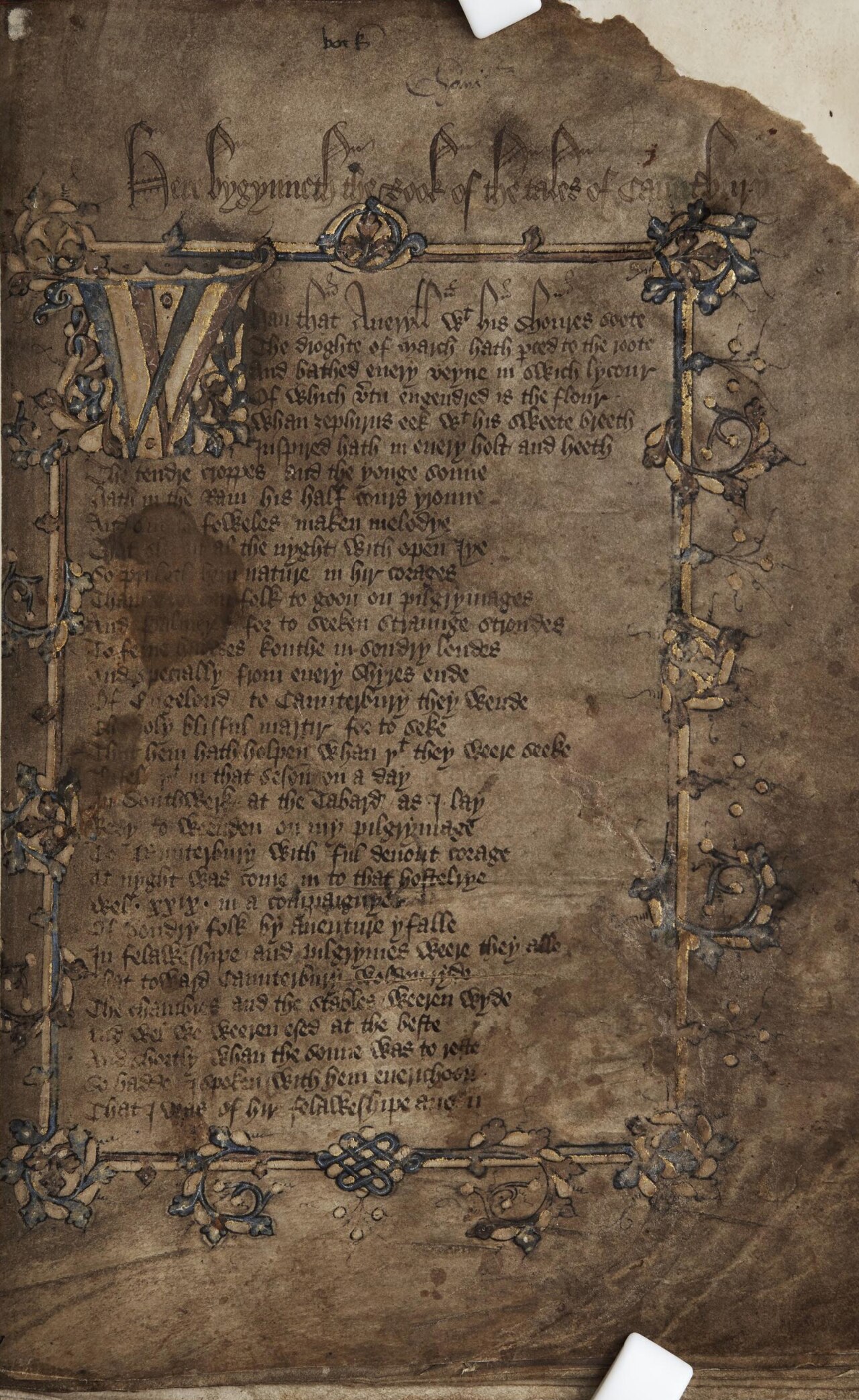
General Prologue
Geoffrey Chaucer · 1389
 Book
Secondary source
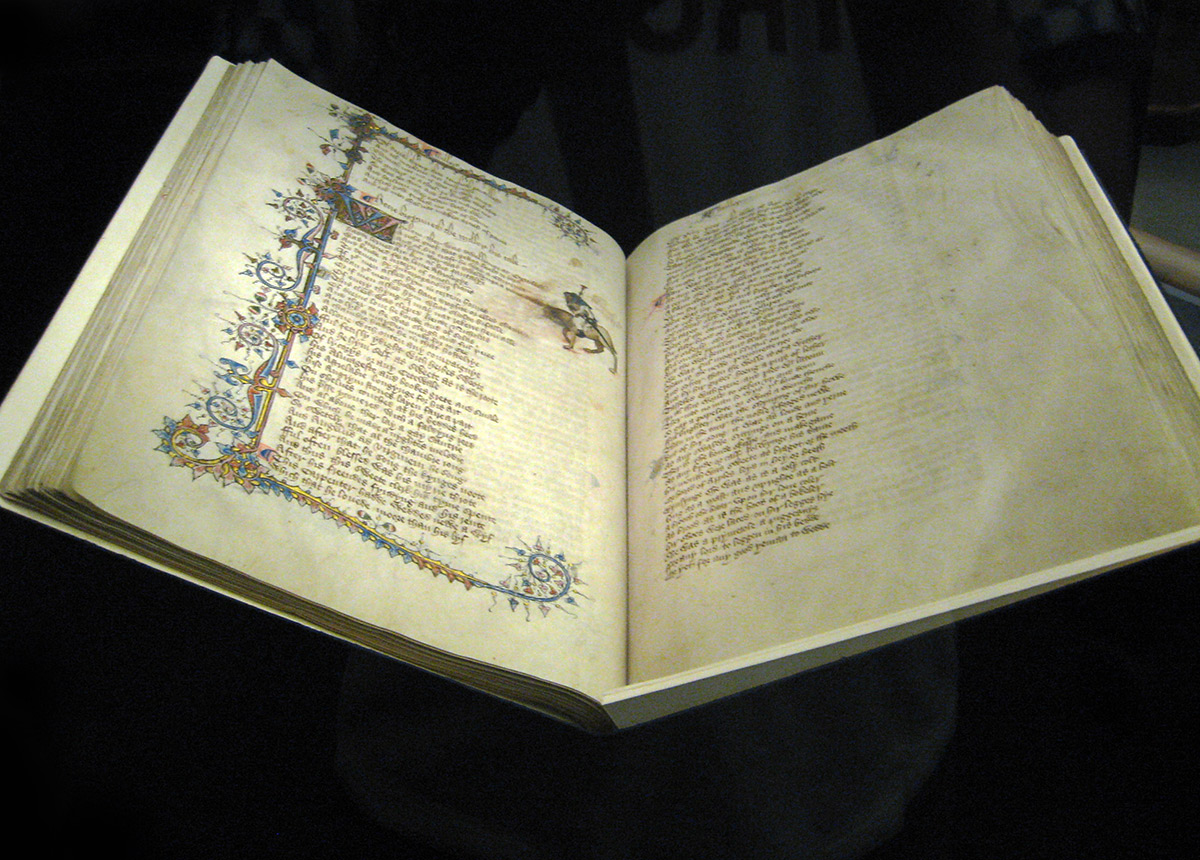
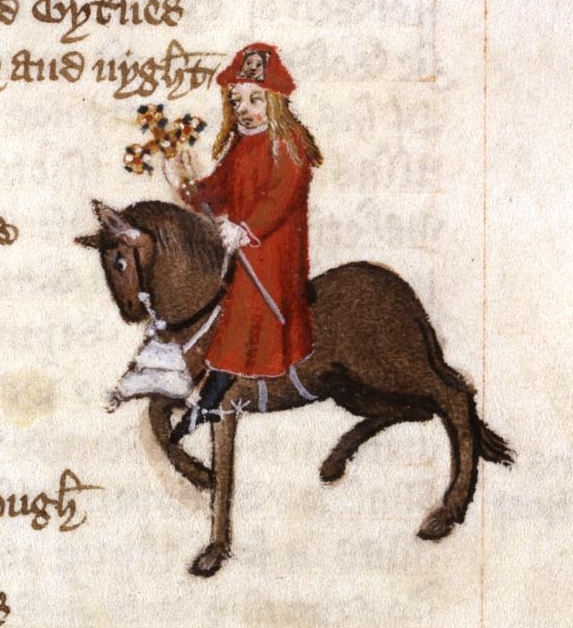
Ellesmere Chaucer
c. 1405
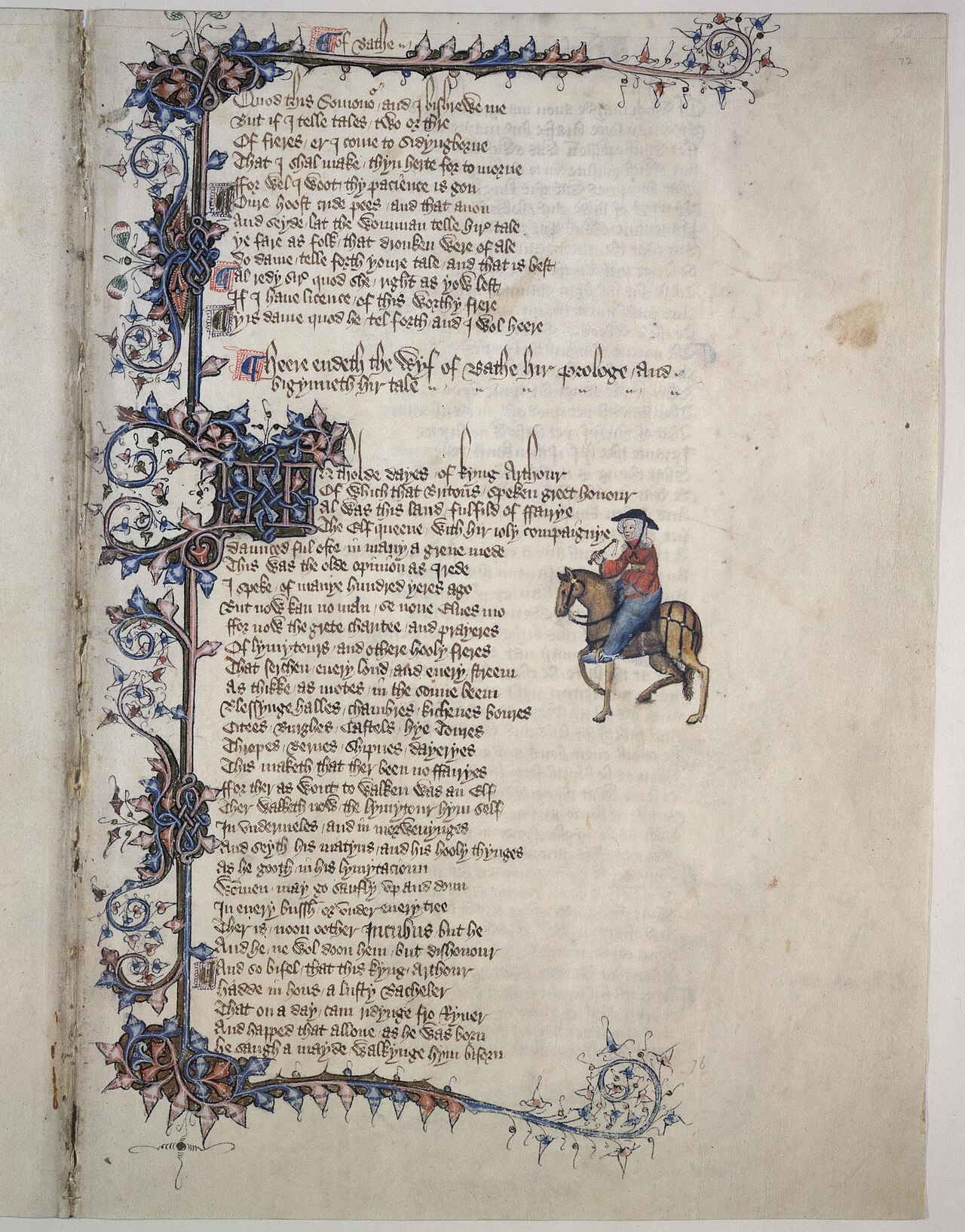
BookPrimary source
Hengwrt Chaucer
Geoffrey Chaucer · c. 1400
Free account
Read every Geoffrey Chaucer source
Sign up free →
Ready when you are
Start chatting with Geoffrey Chaucer now.
20 messages free · No credit card · Available in 50+ languages.