


Secondary sourcePainting1616
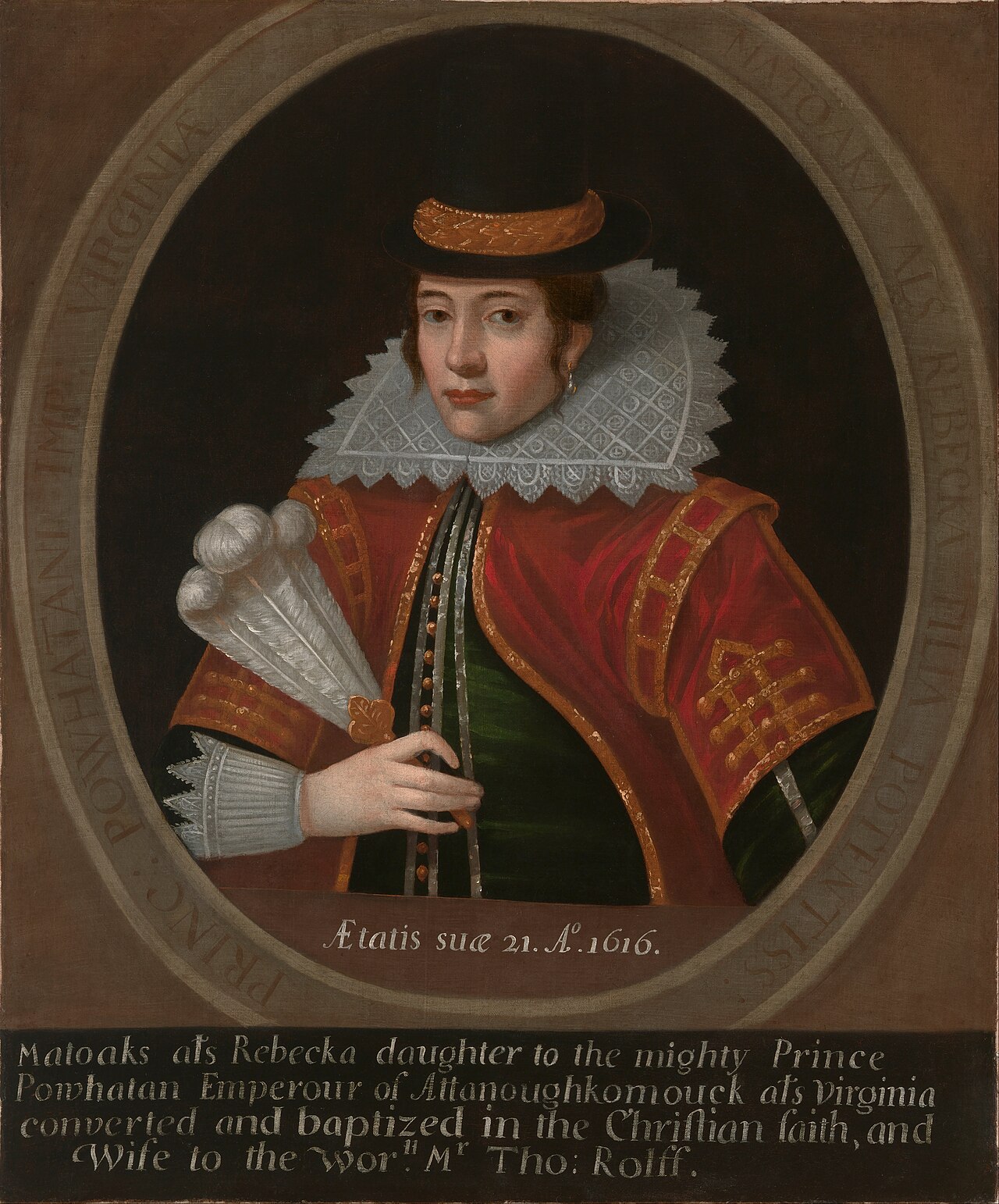
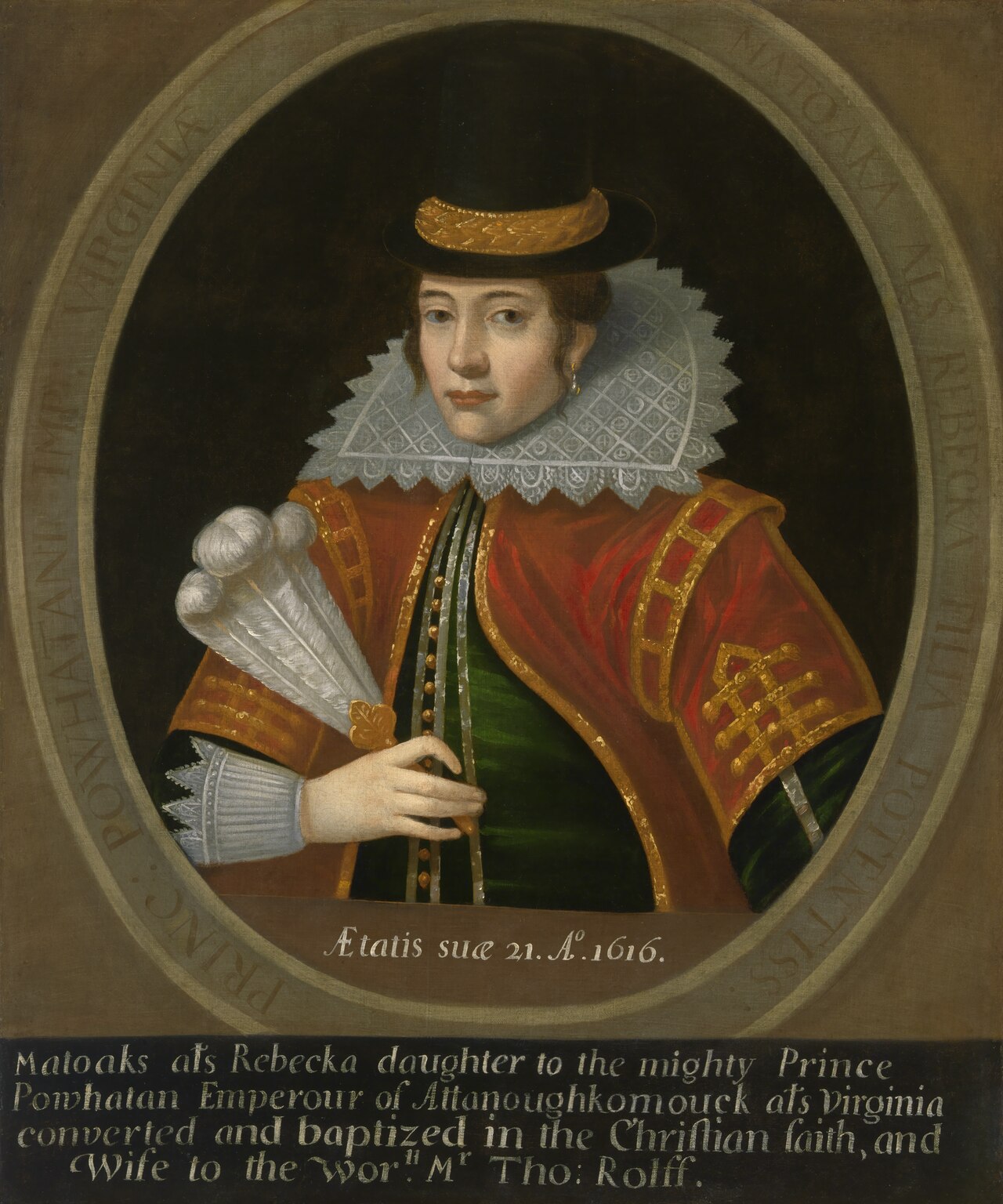
Pocahontas (Oil Portrait after van de Passe)
Unidentified Artist · 1616
An oil painting of Pocahontas copied from the 1616 engraving, showing how she was presented to English society as 'Rebecca Rolfe'.
This painted portrait, derived from the life engraving, became the standard image of Pocahontas as 'Rebecca Rolfe'.
About this source
What it is
This oil painting, held by the National Portrait Gallery, is based on the 1616 engraving by Simon van de Passe. It shows Pocahontas in English dress, with an inscription naming her as Matoaks, alias Rebecca, daughter of the 'mighty Prince Powhatan', aged 21 in 1616.
Why it matters
Because this is the best-known painted image of Pocahontas, it shaped how generations of English and American viewers imagined her — not as a Powhatan woman, but as an English lady named Rebecca. It shows how the Virginia Company used her story and image to represent successful colonization and conversion to Christianity.
Look closer
- How closely does this painting follow the original engraving, and what might have changed in copying it?
- What does the clothing tell you about the identity she was given in England?
- What questions can't this portrait answer about her life before she went to London?
This painting is part of the curated material that grounds the AI version of Pocahontas on Humy.ai — when students ask about related events, the AI can quote it and cite it.
More Pocahontas sources
Meet the AI Pocahontas →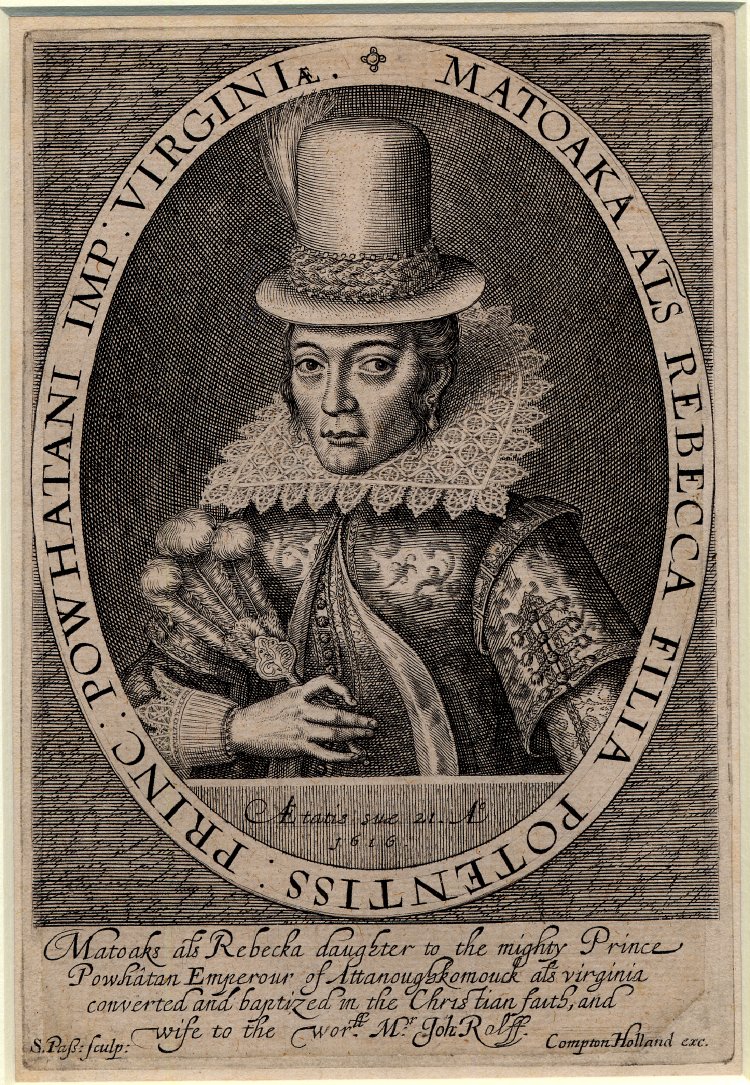 Painting
Primary source
Matoaka alias Rebecca Engraving
Simon van de Passe · 1616
 Book
Primary source
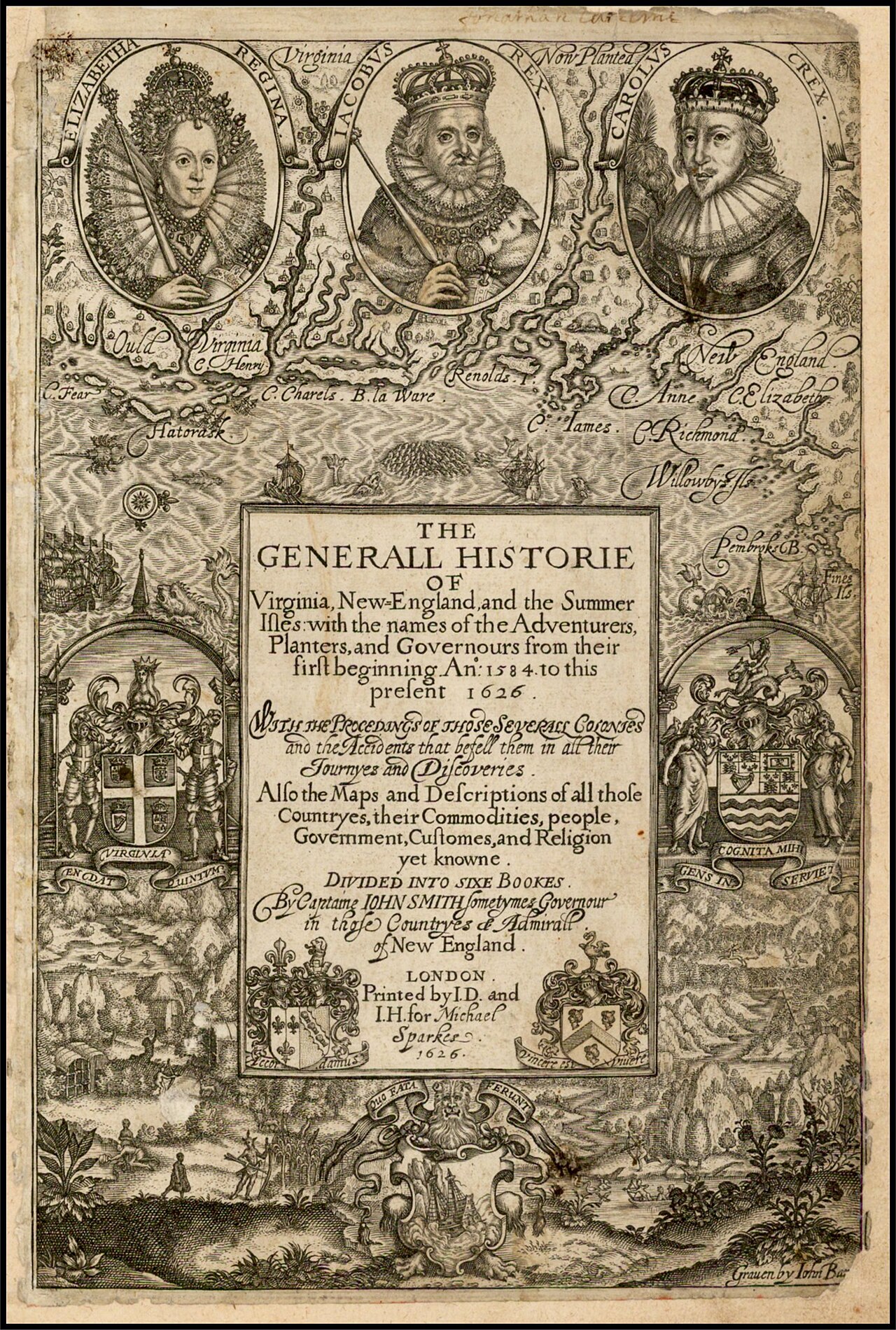
The Generall Historie of Virginia, New-England, and the Summer Isles
John Smith · 1624
 Book
Primary source
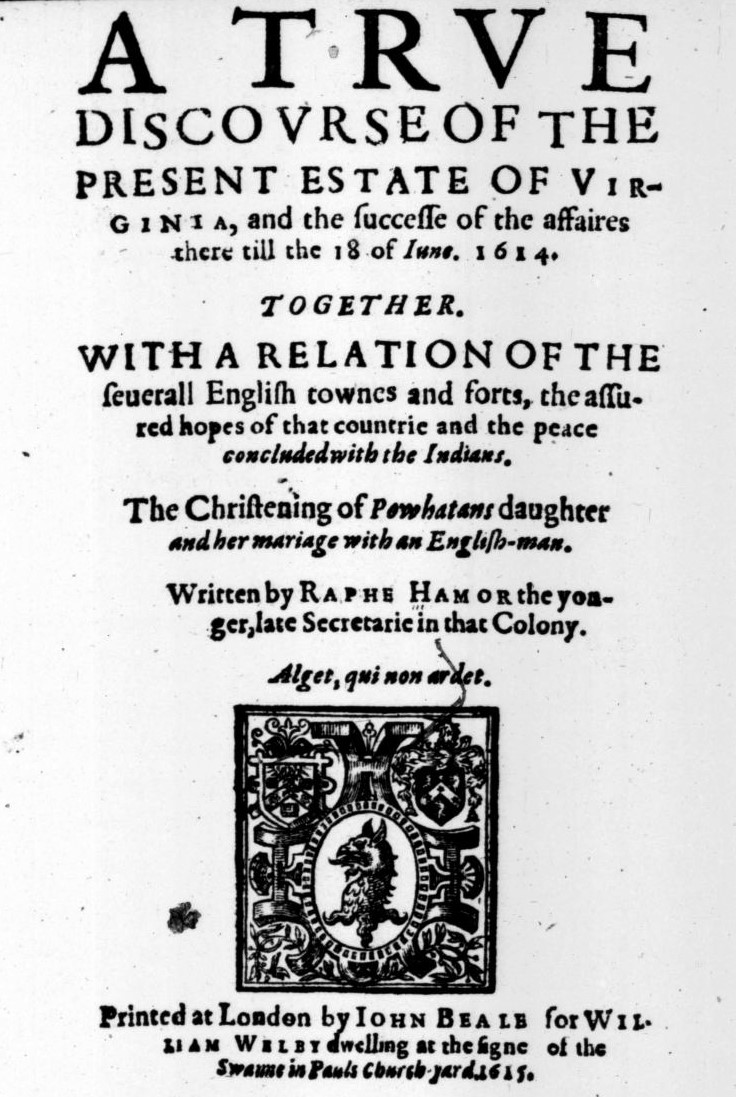
A True Discourse of the Present Estate of Virginia
Ralph Hamor · 1615
 Painting
Secondary source
Portrait of Pocahontas
1616
 Artifact
Primary source
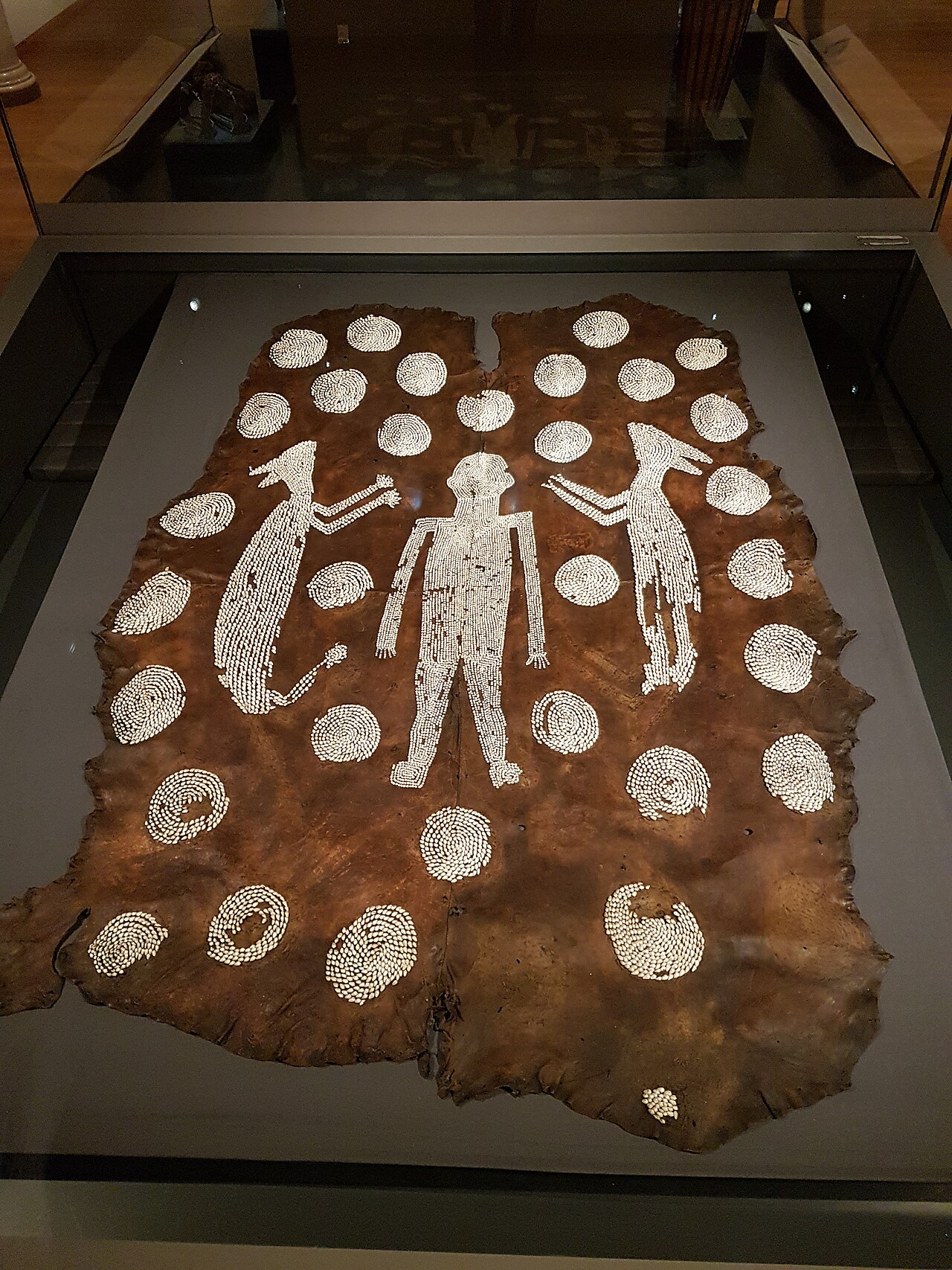
Powhatan's Mantle
Powhatan people · before 1656
Ready when you are
Start chatting with Pocahontas now.
20 messages free · No credit card · Available in 50+ languages.