


Secondary sourceSculpture1958
Polio Hall of Fame
Edmond Romulus Amateis · 1958
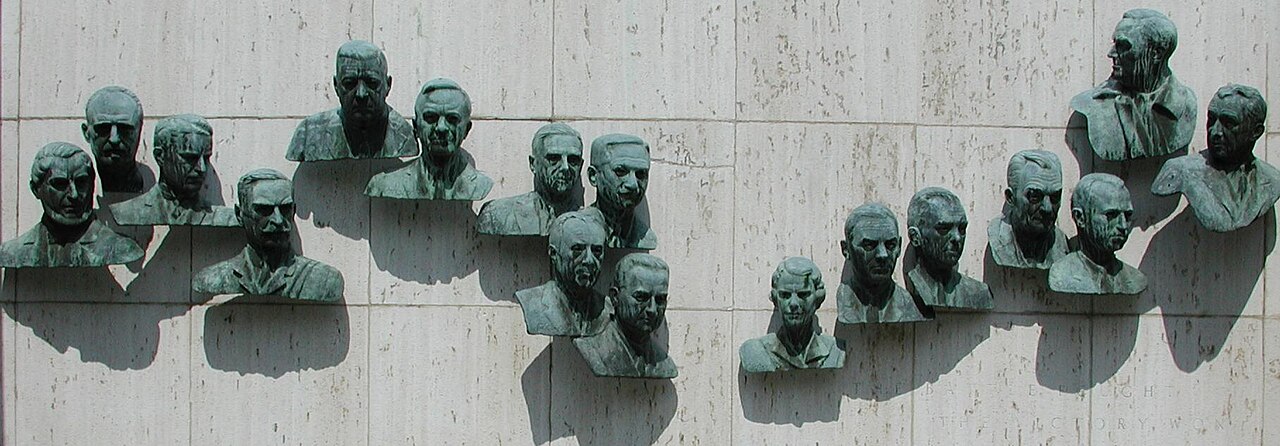
A 1958 monument of bronze busts at Warm Springs, Georgia, honoring seventeen people who contributed to polio research and treatment, including Jonas Salk.
Salk is one of the honored researchers whose bust appears on this monument, made during his lifetime.
About this source
What it is
The Polio Hall of Fame is a wall of bronze busts designed by sculptor Edmond Romulus Amateis, unveiled in 1958 at the Roosevelt Warm Springs Institute for Rehabilitation in Georgia. It honors fifteen scientists and two laymen who contributed to understanding and treating polio, including Jonas Salk.
Why it matters
The monument reflects the scale of the international effort against polio, bringing together European pioneers like Jakob Heine and Karl Landsteiner with American researchers and public figures such as Franklin D. Roosevelt and Basil O'Connor. Notably, Hilary Koprowski, inventor of an early live vaccine, was left out, showing how such honors can be selective.
Look closer
- Why might the busts be arranged in an irregular, non-chronological order?
- What might it mean that some important contributors, like Koprowski, were excluded?
- Why would a rehabilitation institute choose to build a monument like this?
This sculpture is part of the curated material that grounds the AI version of Jonas Salk on Humy.ai — when students ask about related events, the AI can quote it and cite it.
More Jonas Salk sources
Browse all 76 →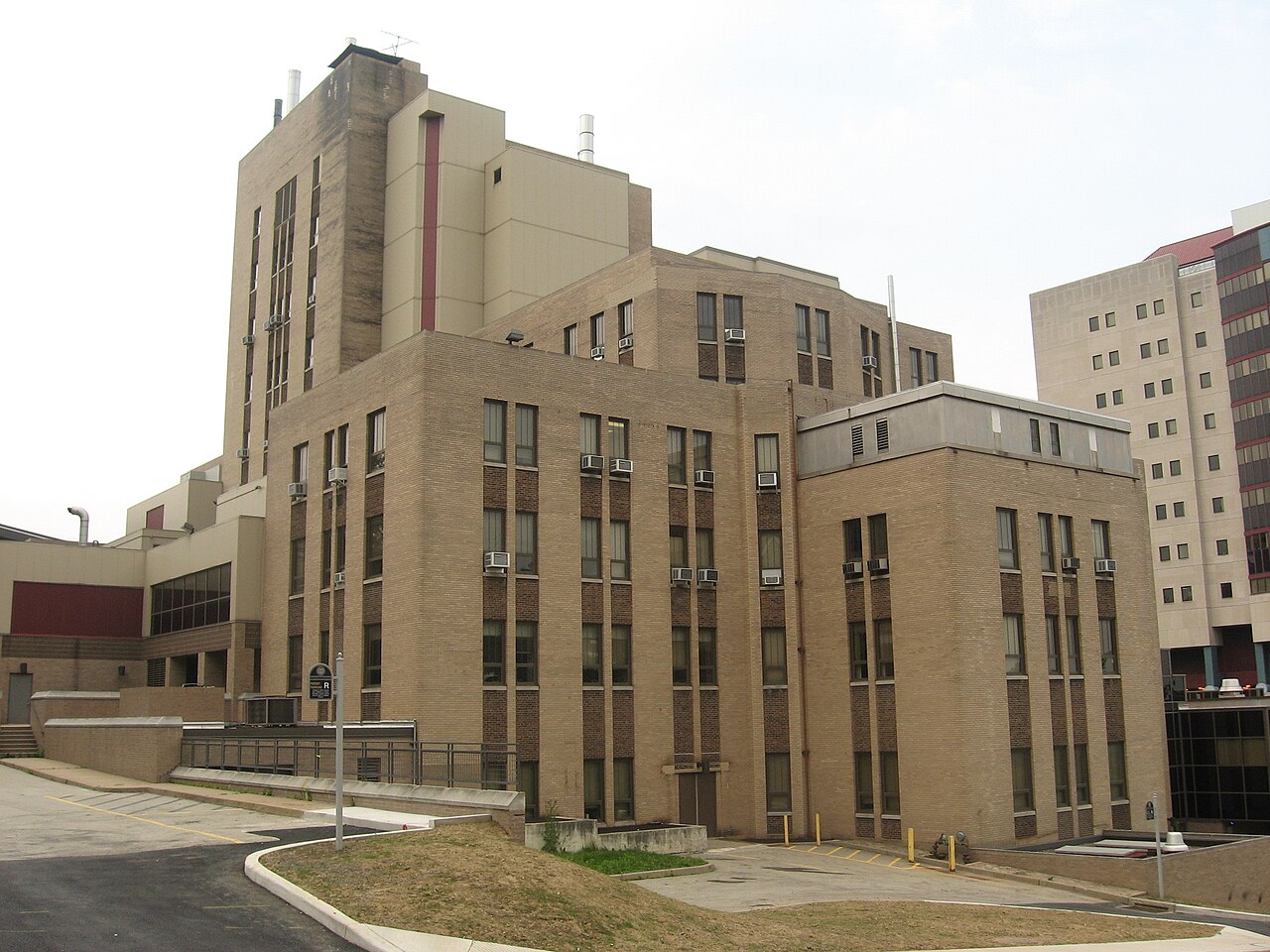 Artifact
Secondary source
Salk Hall, University of Pittsburgh
1940
 Photograph
Primary source
Salk at Pitt
The Owl
 Photograph
Secondary source
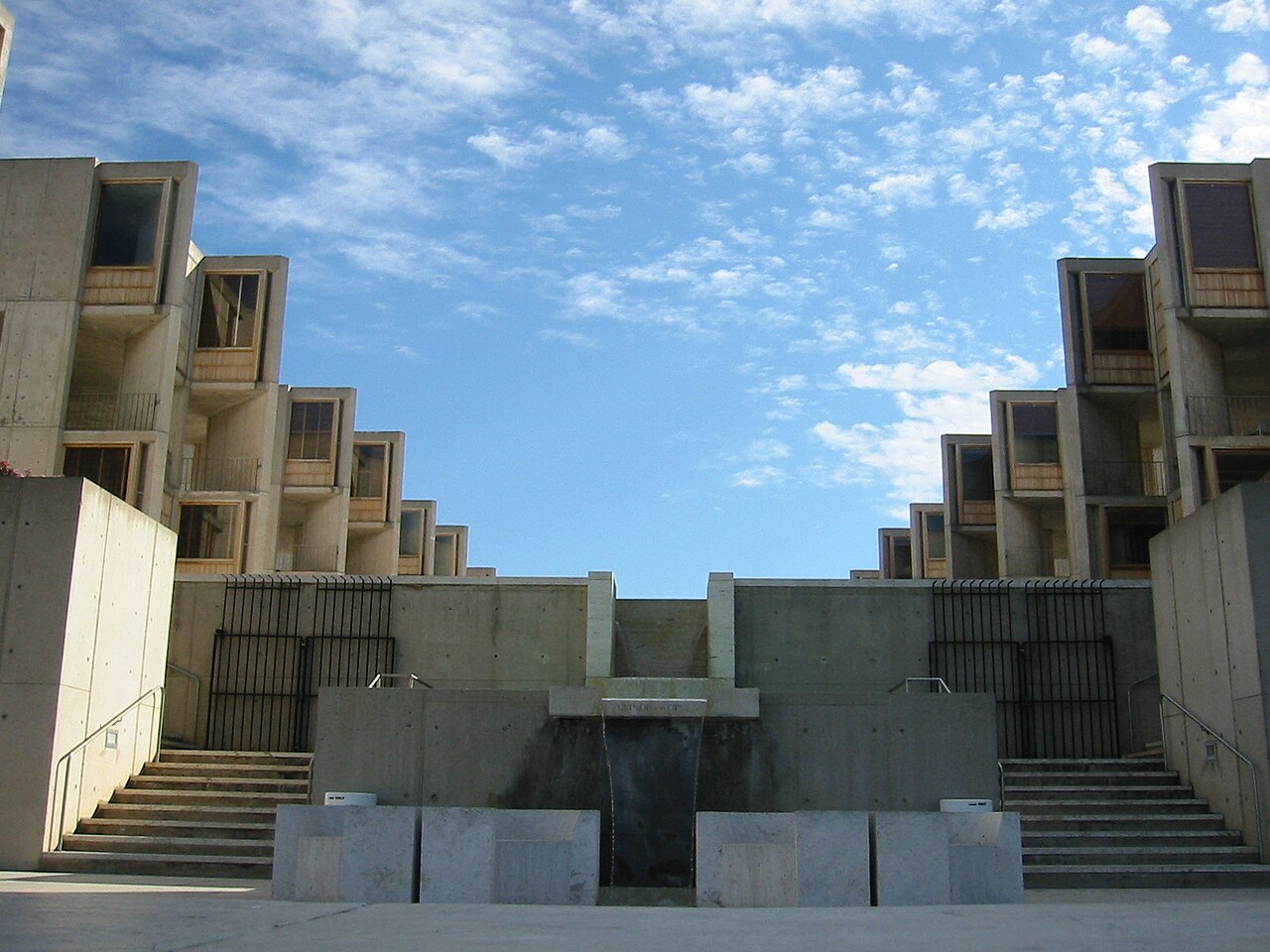
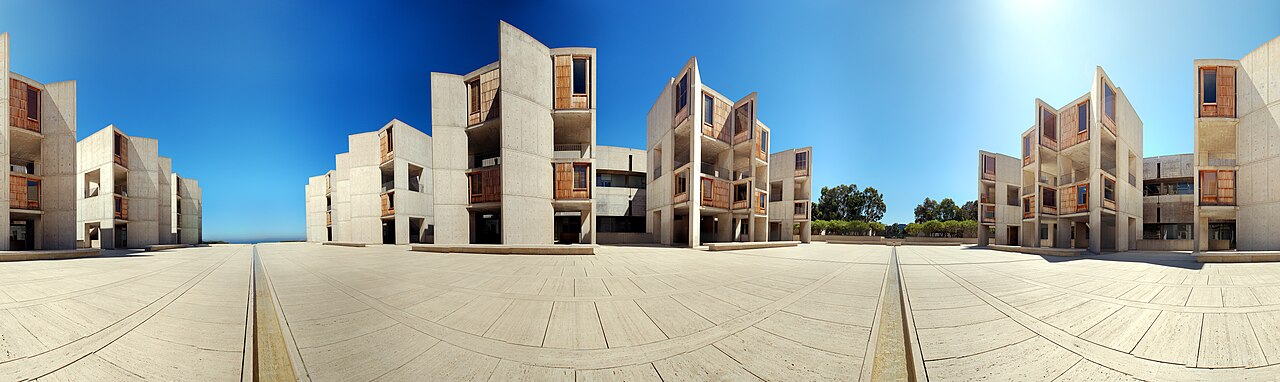
Salk Institute Building, La Jolla
Jim Harper · 2004-02-09
 Photograph
Primary source
Salk Receiving Medal from Eisenhower
U.S. Govt. photographer · 1955

Free account
Read every Jonas Salk source
Sign up free →
Ready when you are
Start chatting with Jonas Salk now.
20 messages free · No credit card · Available in 50+ languages.