


Primary sourceArtifactcarved 25 July 1806; designated monument 2001
Pompeys Pillar National Monument
William Clark · carved 25 July 1806; designated monument 2001
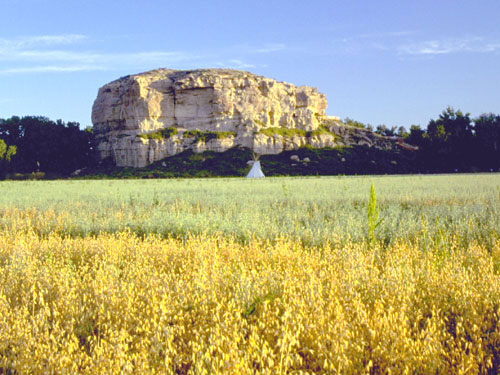
A sandstone rock formation in Montana that William Clark named after Sacagawea's son and carved his signature upon in 1806.
Clark named this landmark after Sacagawea's son and his carved signature is the expedition's only surviving physical trace.
About this source
What it is
Pompeys Pillar is a sandstone rock formation in south-central Montana. It was designated a U.S. National Monument in 2001 and is managed by the Bureau of Land Management. The pillar bears Native American petroglyphs as well as William Clark's carved signature and the date July 25, 1806.
Why it matters
Clark named the rock after Jean-Baptiste Charbonneau, Sacagawea's infant son, whom he nicknamed 'Pompey.' His carved signature is the only physical evidence still surviving along the expedition's route, directly connecting the landscape to Sacagawea's family and the journey she undertook.
Look closer
- Why might Clark have chosen to name this landmark after Sacagawea's son rather than after her?
- What does the survival of Clark's signature, but not other traces of the expedition, tell us about how history gets remembered?
- What do the other petroglyphs and carvings on the rock add to the story that Clark's signature alone does not?
This artifact is part of the curated material that grounds the AI version of Sacajawea on Humy.ai — when students ask about related events, the AI can quote it and cite it.
More Sacajawea sources
Meet the AI Sacajawea →Primary source
Journals of the Lewis and Clark Expedition
Meriwether Lewis and William Clark · 1804–1806
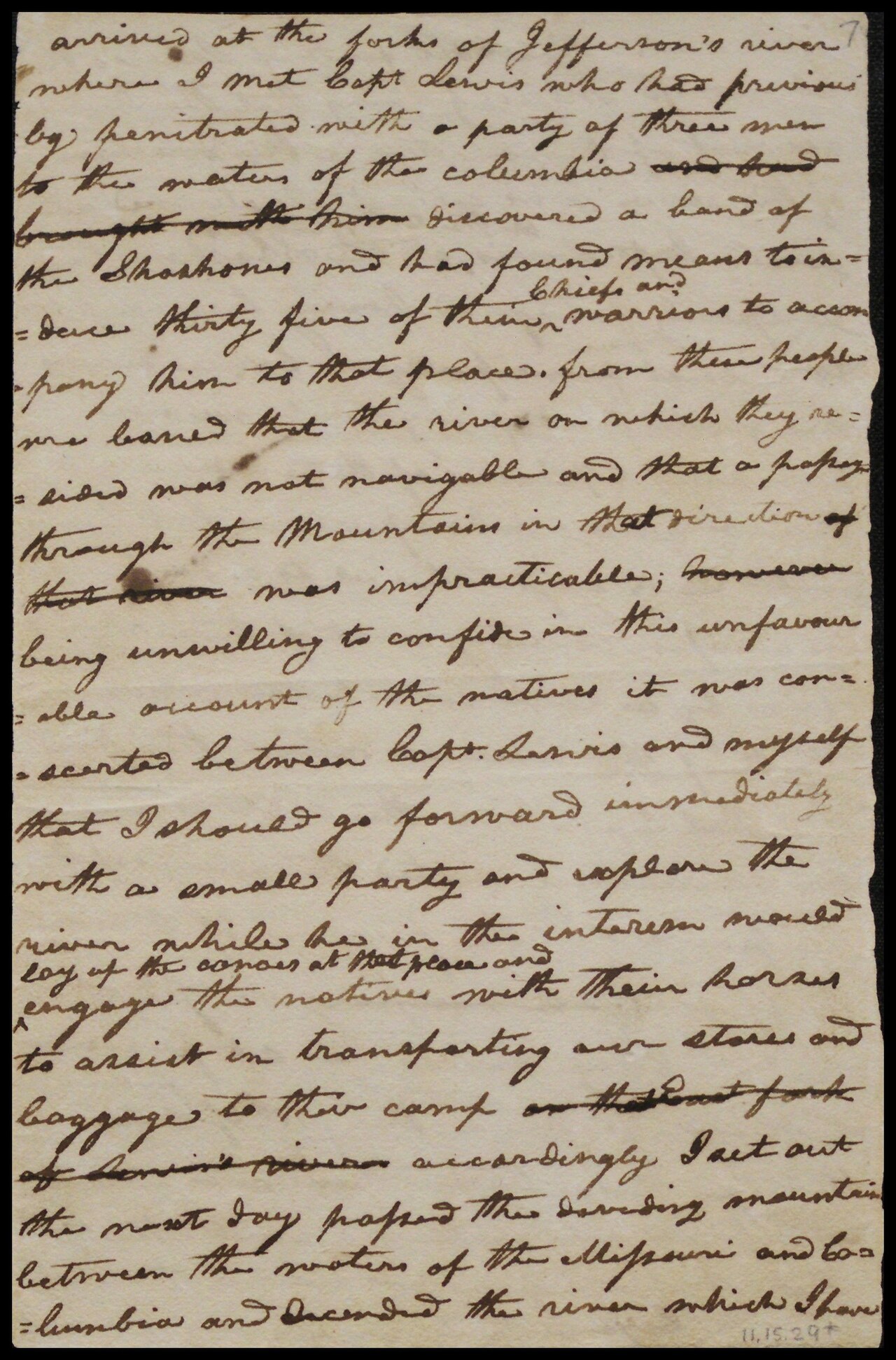 Letter
Primary source
William Clark's Letter to Toussaint Charbonneau
William Clark · 20 August 1806
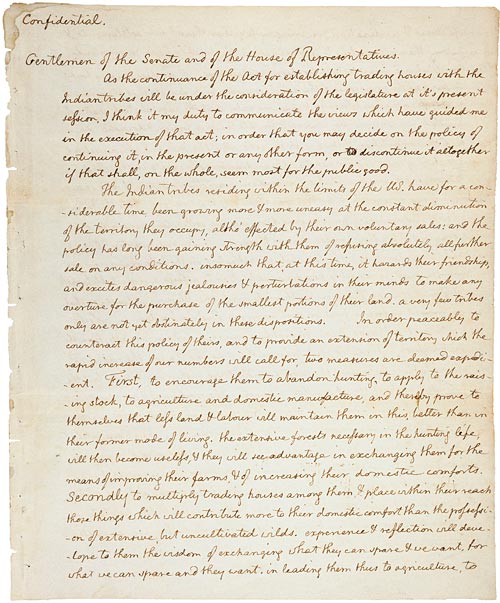 Document
Primary source
Jefferson's Secret Message to Congress Regarding the Lewis and Clark Expedition
Thomas Jefferson · 18 January 1803
Primary source
Louisiana Purchase Treaty
30 April 1803
Secondary source
The Conquest: The True Story of Lewis and Clark
Eva Emery Dye · 1902
Ready when you are
Start chatting with Sacajawea now.
20 messages free · No credit card · Available in 50+ languages.