


Primary sourceSculpture1748
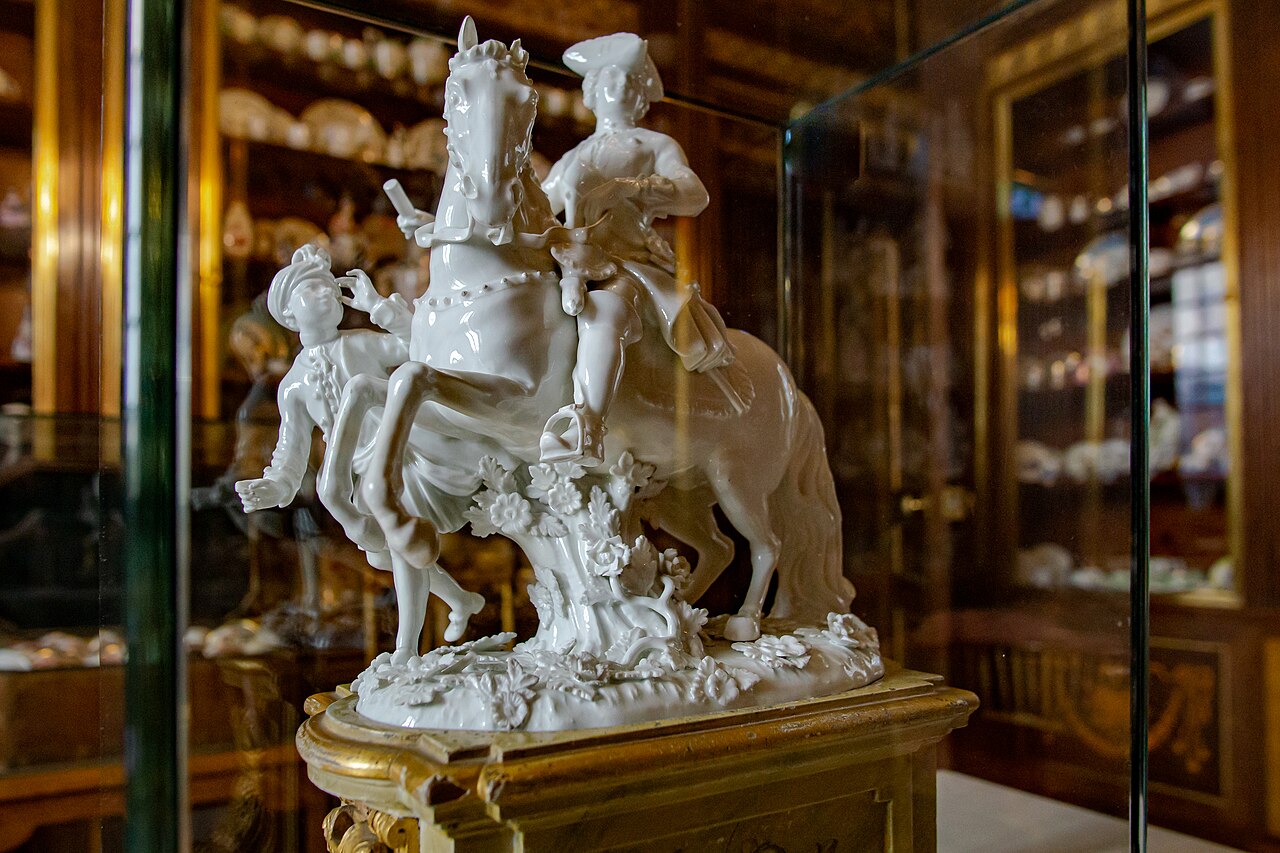
Porcelain Figure of Empress Elisabeth by Kändler
Johann Joachim Kändler · 1748
A porcelain figure group made in 1748 by Johann Joachim Kändler, showing Empress Elizabeth, now displayed in the Hallwyl Museum.
A luxury porcelain figure made during Elizabeth's reign, showing how her image circulated as a decorative art object in Europe.
About this source
What it is
This is a white porcelain figure group made in 1748 by the sculptor Johann Joachim Kändler, known for his work in fine porcelain. It shows a mounted rider with a small attendant figure, set on a decorated gilt base, and is identified as representing Empress Elizabeth of Russia. It is now displayed in the Porcelain Room of the Hallwyl Museum.
Why it matters
Fine porcelain figures of rulers were valuable luxury items in the 18th century. Having a porcelain likeness made showed how far Elizabeth's fame as empress had spread among European courts and collectors, and how rulers' images were used as decorative art.
Look closer
- Why might a European workshop choose to make a figure of a Russian empress?
- What does the fine, delicate material of porcelain suggest about how rulers wanted to be shown?
- What is missing from this object that a painted portrait might show instead?
This sculpture is part of the curated material that grounds the AI version of Elizabeth of Russia on Humy.ai — when students ask about related events, the AI can quote it and cite it.
More Elizabeth of Russia sources
Browse all 84 →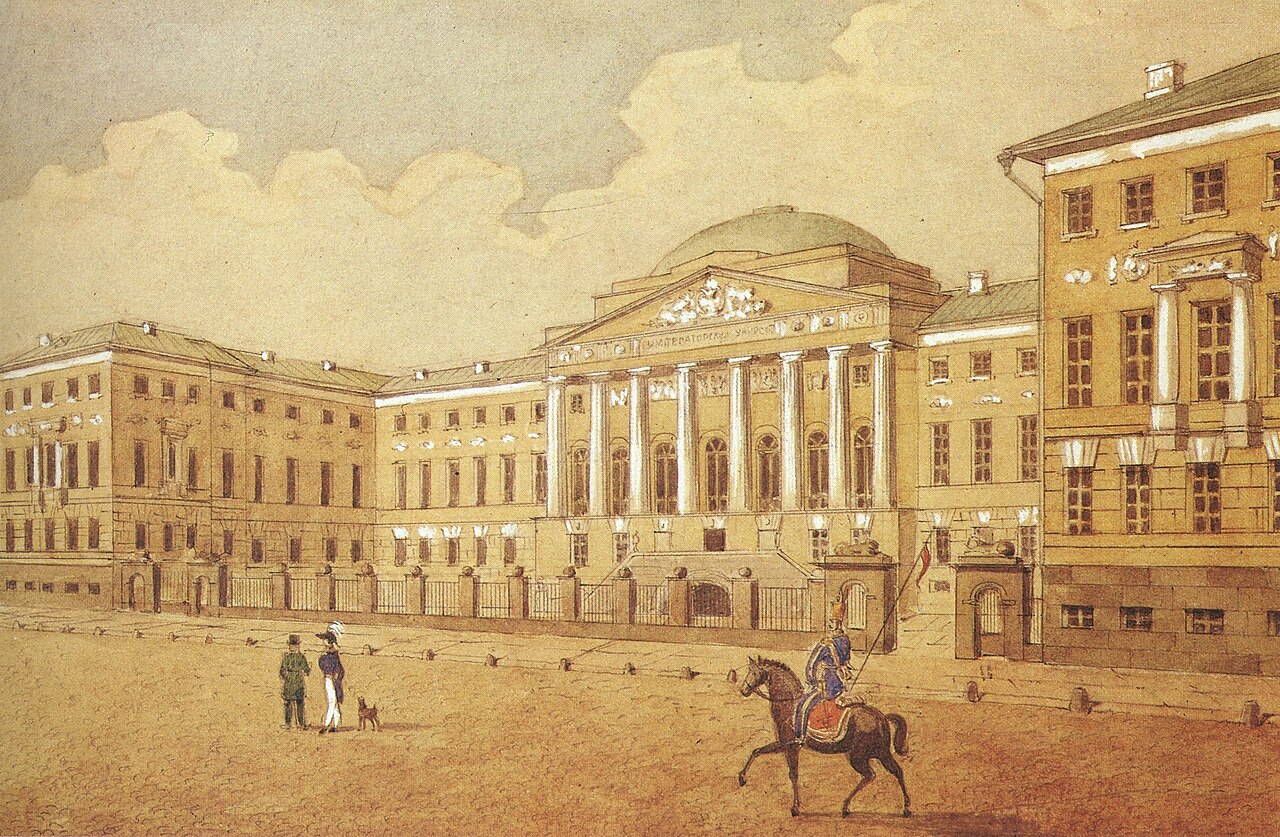 Document
Primary source
Imperial Moscow University
Elizabeth of Russia · 1755
 Artifact
Primary source
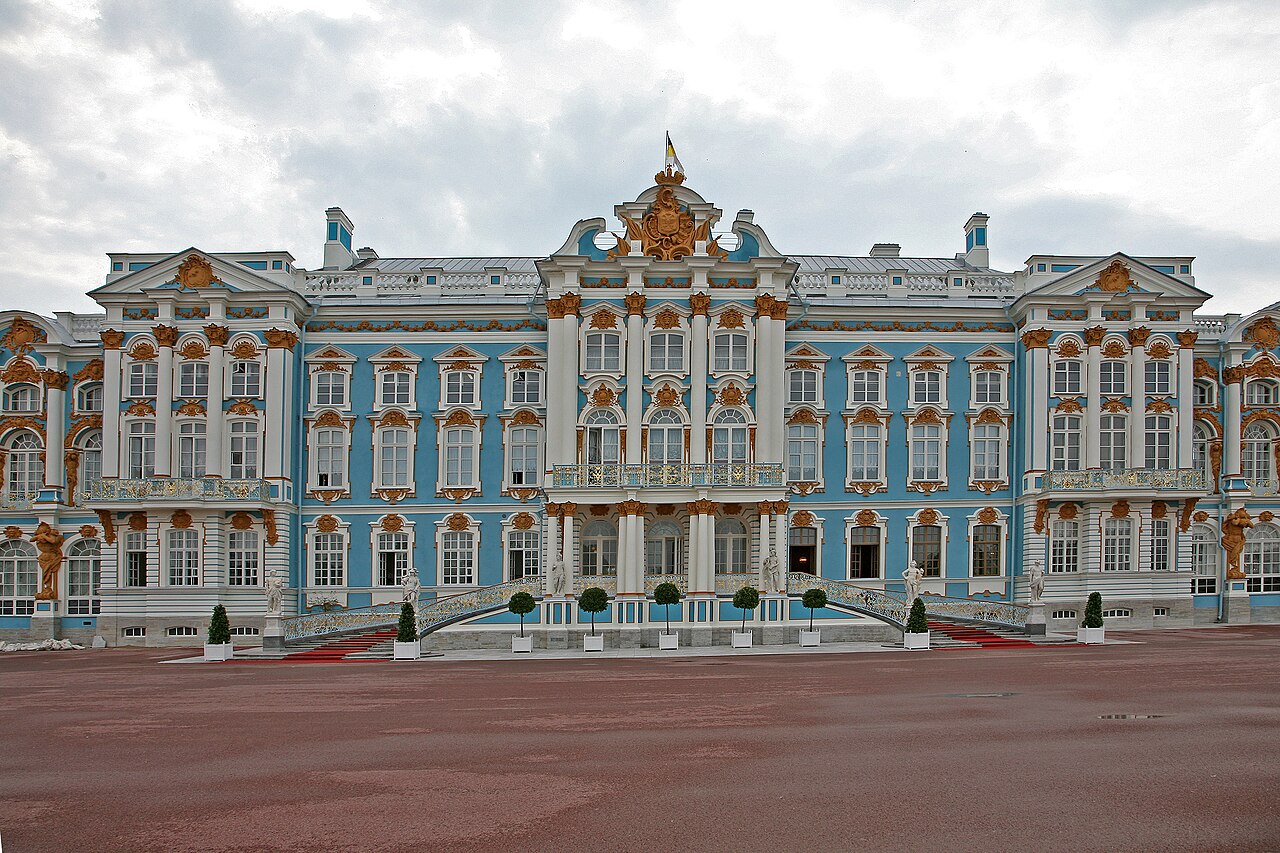
Catherine Palace
Bartolomeo Rastrelli · 1752-1756 (rebuilding)
 Artifact
Primary source
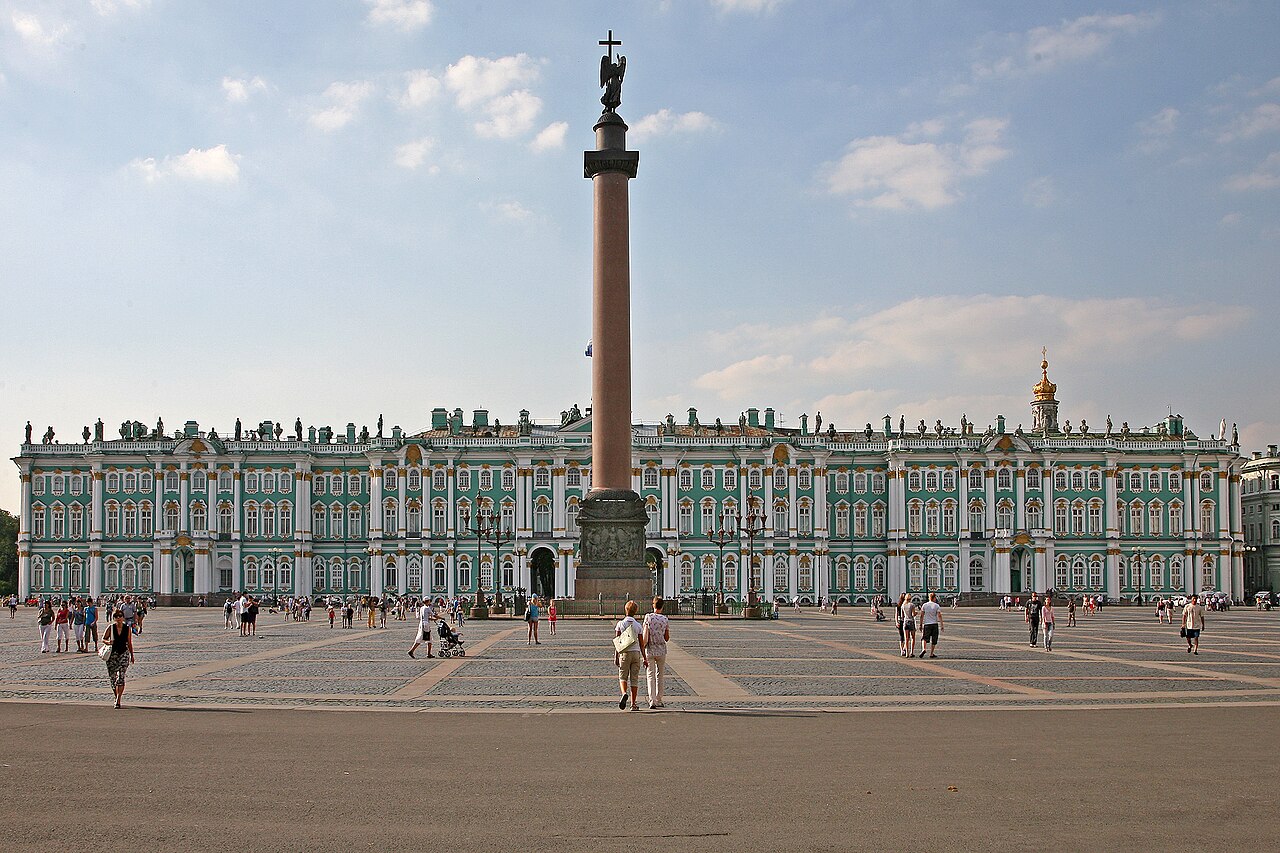
Winter Palace
Bartolomeo Rastrelli · 1754, rebuilt 1837-1838
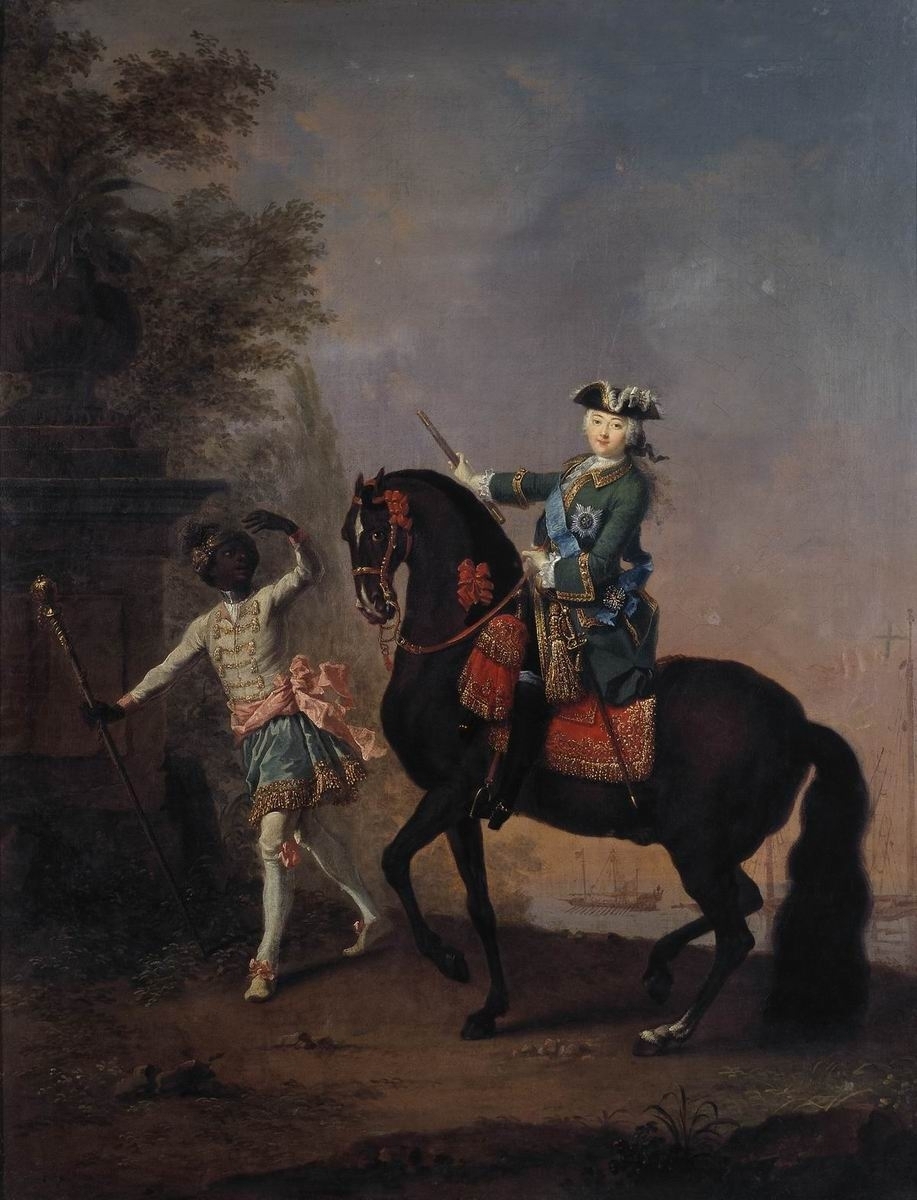 Painting
Primary source
The Empress Elizabeth of Russia on Horseback, Attended by a Page
Georg Christoph Grooth · 1743
Free account
Read every Elizabeth of Russia source
Sign up free →
Ready when you are
Start chatting with Elizabeth of Russia now.
20 messages free · No credit card · Available in 50+ languages.