


Primary sourceArtifact1756-1762
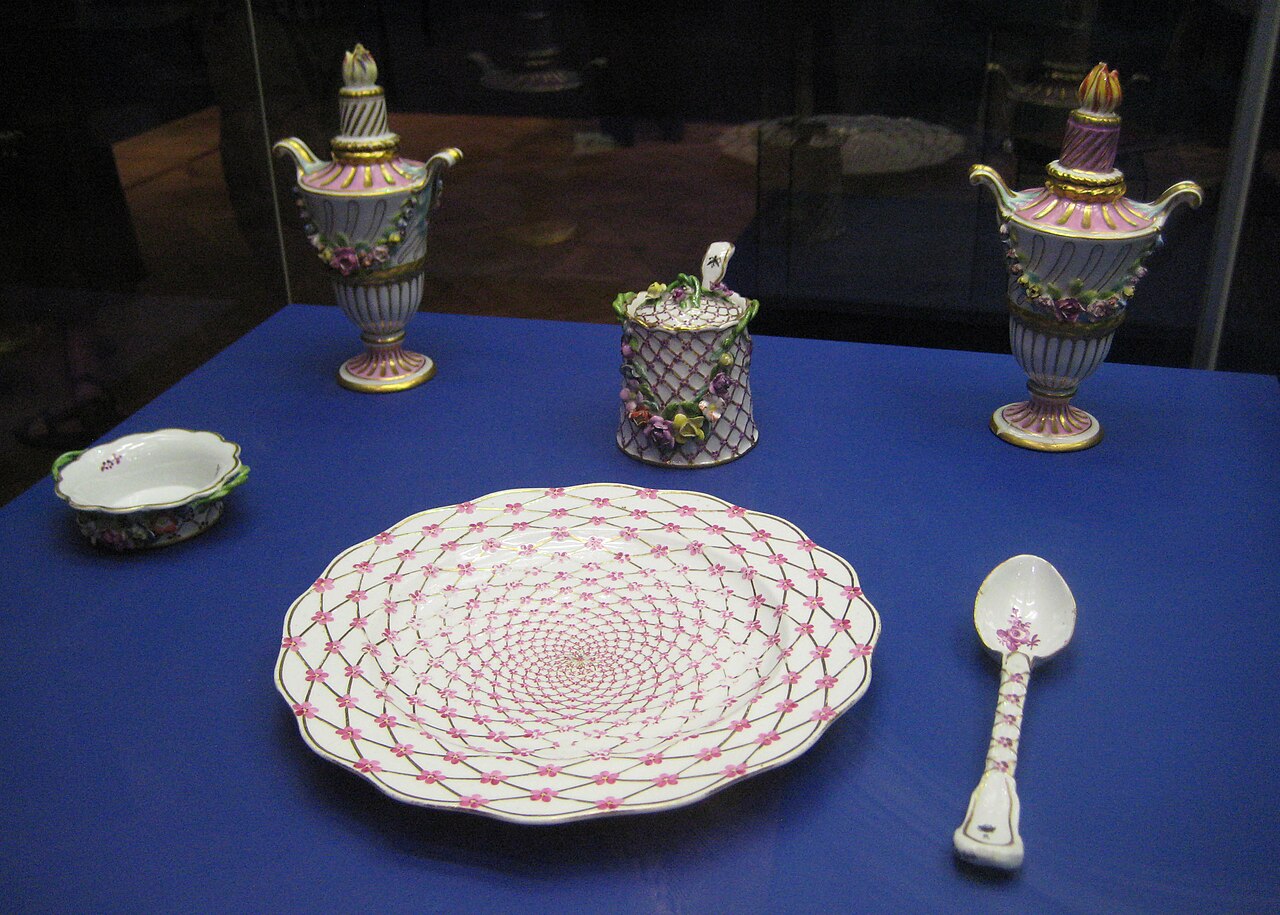
Porcelain from Empress Elizabeth's personal service
Imperial Porcelain Factory · 1756-1762
Pieces of the first Russian table and dessert service made for Empress Elizabeth at the Imperial Porcelain Factory, 1756-62. They show court luxury in her reign.
Shows objects made for Elizabeth's own use at court, illustrating the luxury of her reign.
About this source
What it is
These are porcelain pieces from Empress Elizabeth's personal service, made at the Imperial Porcelain Factory in Saint Petersburg between 1756 and 1762. The record describes this as the first Russian table and dessert service. The surviving items listed include a covered mustard pot with a spoon and a salt cellar held at Kuskovo, a small plate and spoon held at the State Historical Museum, and a pair of candlesticks also held at the State Historical Museum. The photograph shows pink and white pieces with floral decoration in a glass case. The photo was uploaded to Wikimedia Commons in 2012 by a user, so that date is when the image was shared, not when the porcelain was made.
Why it matters
A personal service of tableware shows how the court used everyday objects to display wealth and taste. Porcelain was costly, and a ruler's own set signalled status at dinners and receptions. Because the factory was imperial, these objects also show how the state invested in its own craft production during Elizabeth's reign.
Look closer
- What does the decoration suggest about the taste of the people who ordered the set?
- Who would have used these pieces, and who would have made or served them?
- Why might only a few surviving pieces be kept in museums today, and what would a full set have looked like?
This artifact is part of the curated material that grounds the AI version of Elizabeth of Russia on Humy.ai — when students ask about related events, the AI can quote it and cite it.
More Elizabeth of Russia sources
Browse all 84 →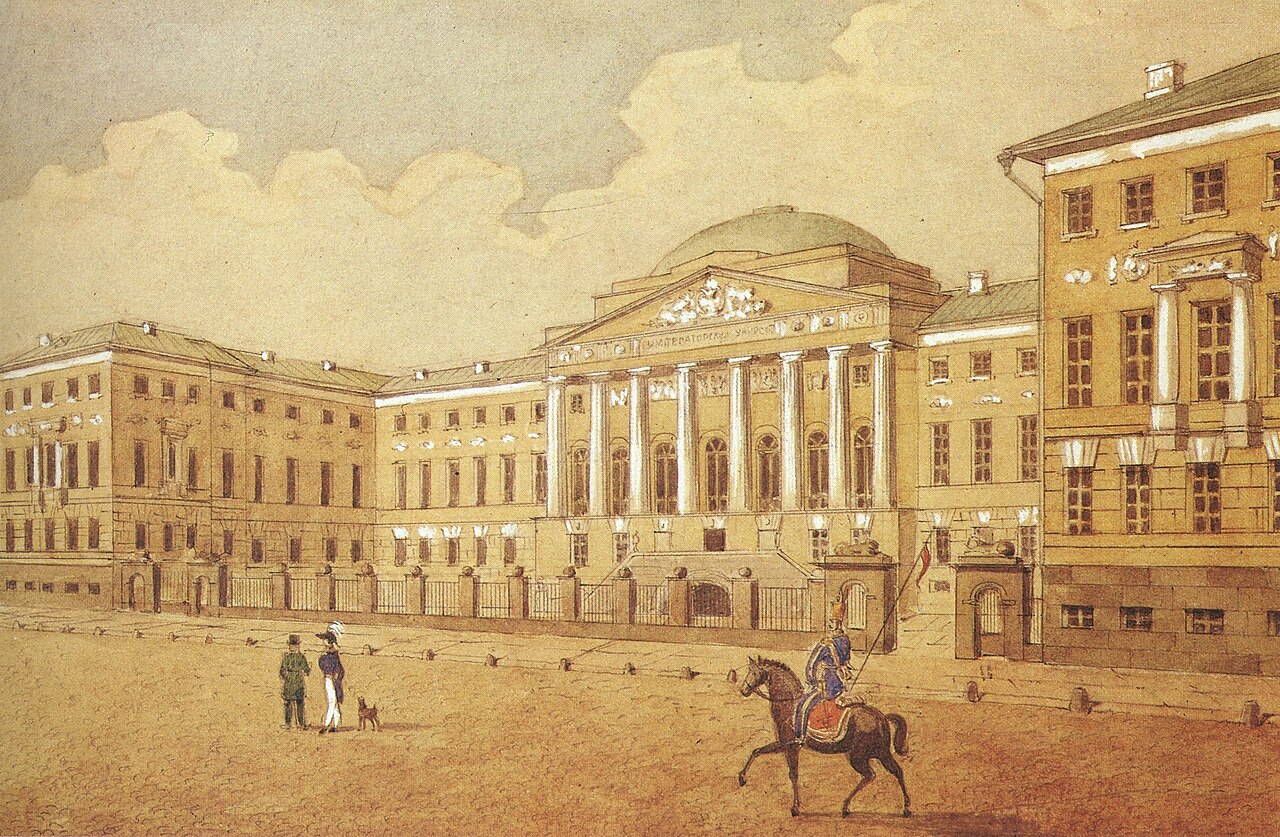 Document
Primary source
Imperial Moscow University
Elizabeth of Russia · 1755
 Artifact
Primary source
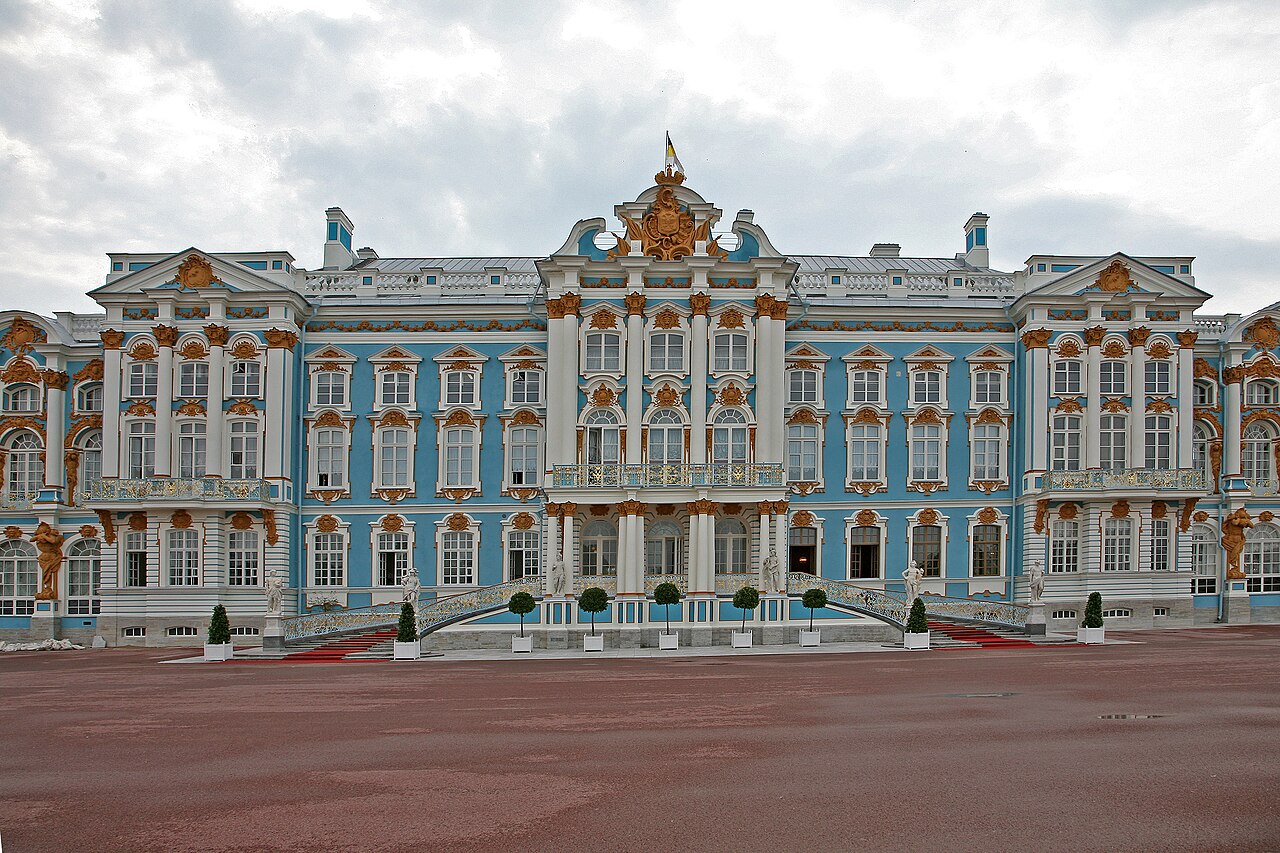
Catherine Palace
Bartolomeo Rastrelli · 1752-1756 (rebuilding)
 Artifact
Primary source
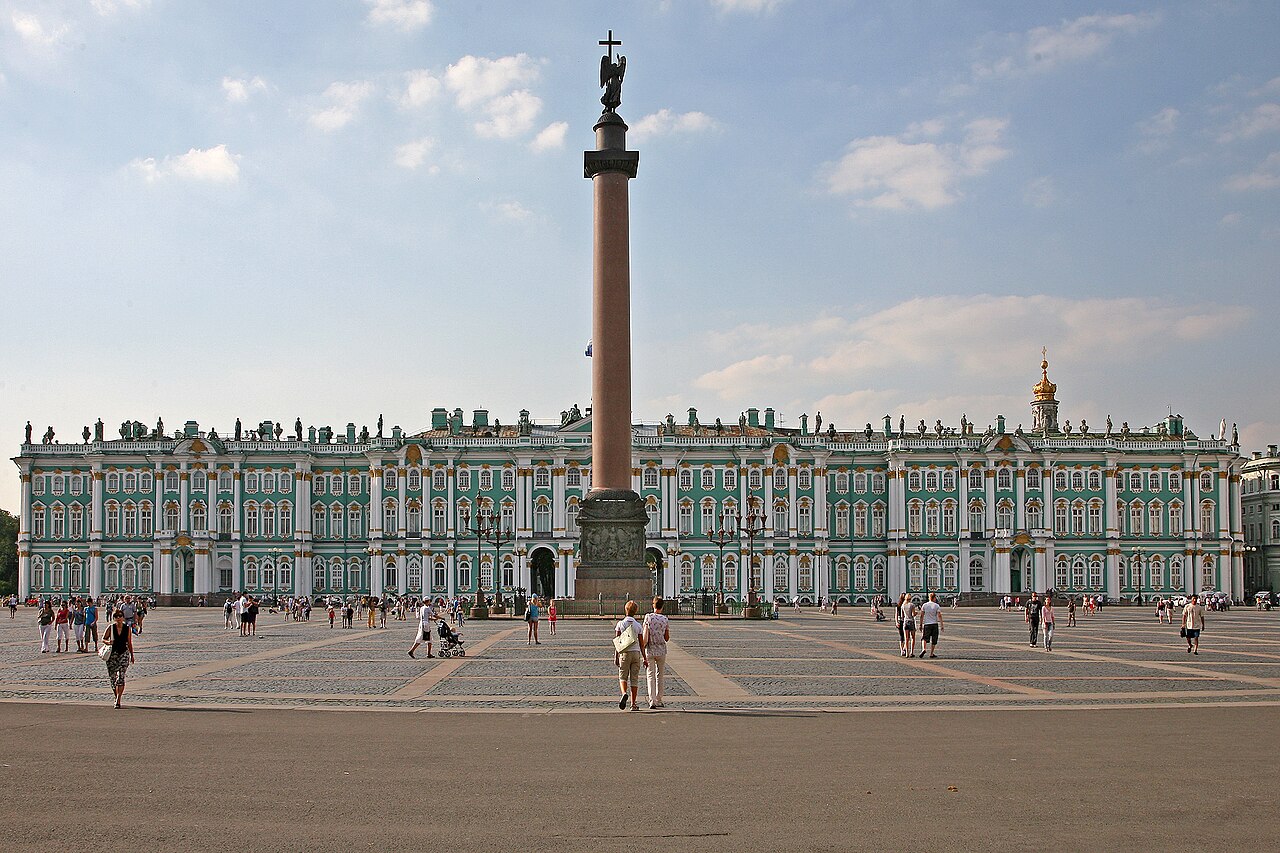
Winter Palace
Bartolomeo Rastrelli · 1754, rebuilt 1837-1838
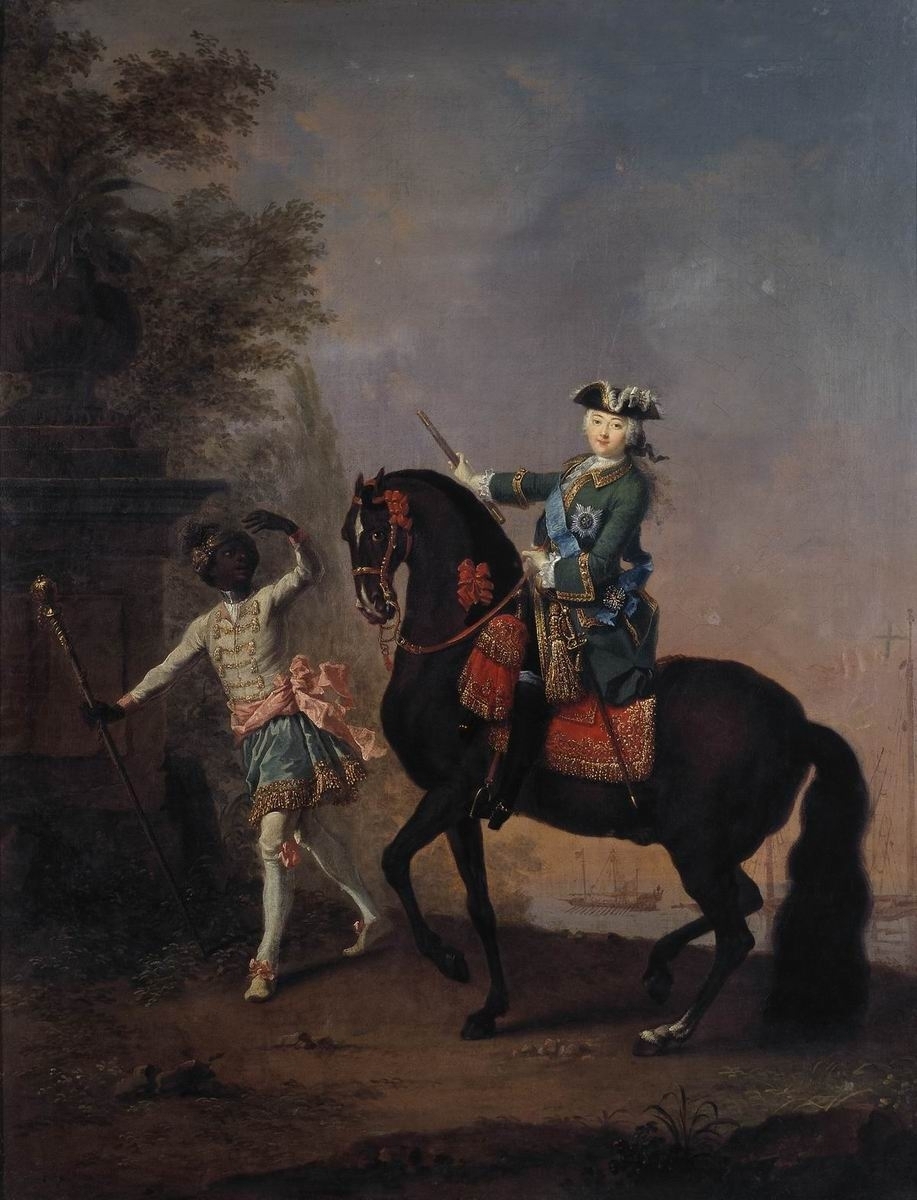 Painting
Primary source
The Empress Elizabeth of Russia on Horseback, Attended by a Page
Georg Christoph Grooth · 1743
Free account
Read every Elizabeth of Russia source
Sign up free →
Ready when you are
Start chatting with Elizabeth of Russia now.
20 messages free · No credit card · Available in 50+ languages.