


Primary sourceArtifact1723-1735
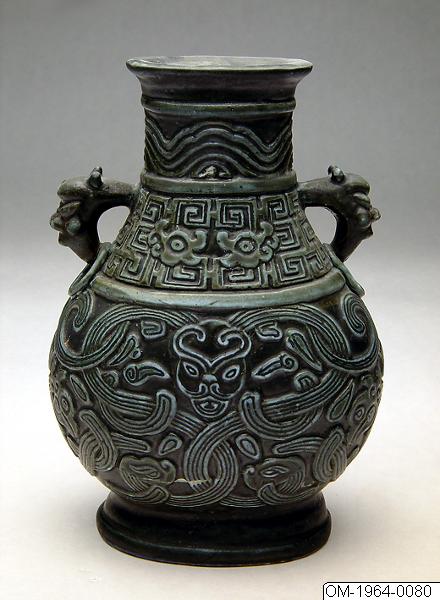
Porcelain vase imitating bronze
1723-1735
A Chinese porcelain vase from the Yongzheng years, with a glaze and decoration that imitate ancient bronze. It is held by the Museum of Far Eastern Antiquities in Sweden.
Made in the Yongzheng years, so it reflects the taste of the court he ruled, though it is not shown to be his own property.
About this source
What it is
This is a Chinese porcelain hu-form vase, dated 1723-1735, with decoration and glaze that imitate bronze. The museum record describes it as a vase of porcelain with bronze-like surface. It is held by the Museum of Far Eastern Antiquities in Sweden. The date falls within the reign of the Yongzheng Emperor, which ran from 1722 to 1735.
Why it matters
Ceramics of this kind show how potters copied the look of older bronze vessels, which were prized as links to ancient rituals. The vase does not name its maker, so it reveals more about the workshops and tastes of the period than about one person. It is a reminder that the Yongzheng court was a major patron of fine objects.
Look closer
- What in the vase makes it look like bronze, and what in it is actually porcelain?
- Why might a court want objects that imitated ancient vessels?
- What can this single object not tell us about the people who made or used it?
This artifact is part of the curated material that grounds the AI version of Yongzheng Emperor on Humy.ai — when students ask about related events, the AI can quote it and cite it.
More Yongzheng Emperor sources
Browse all 86 →Primary source
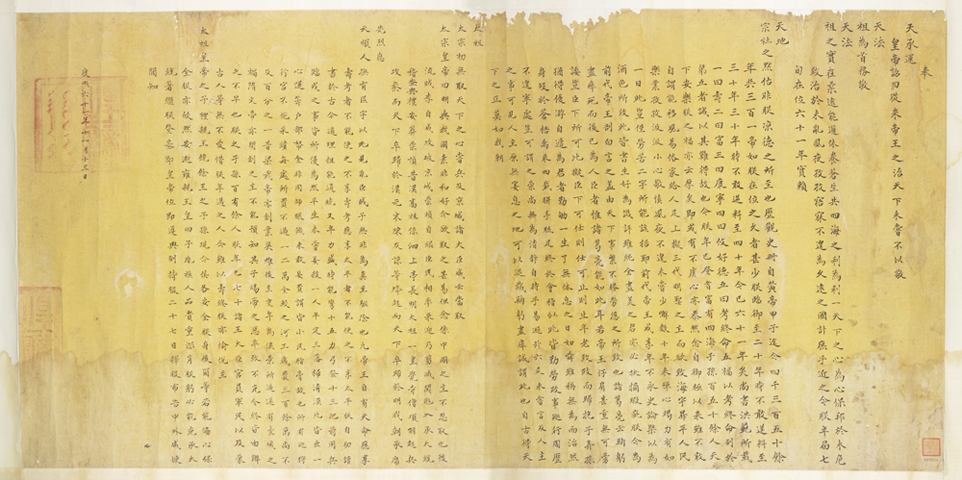
Da Yi Jue Mi Lu
Yongzheng Emperor
 Document
Primary source
The Kangxi Emperor's Last Will and Testament
Kangxi Emperor
 Painting
Primary source
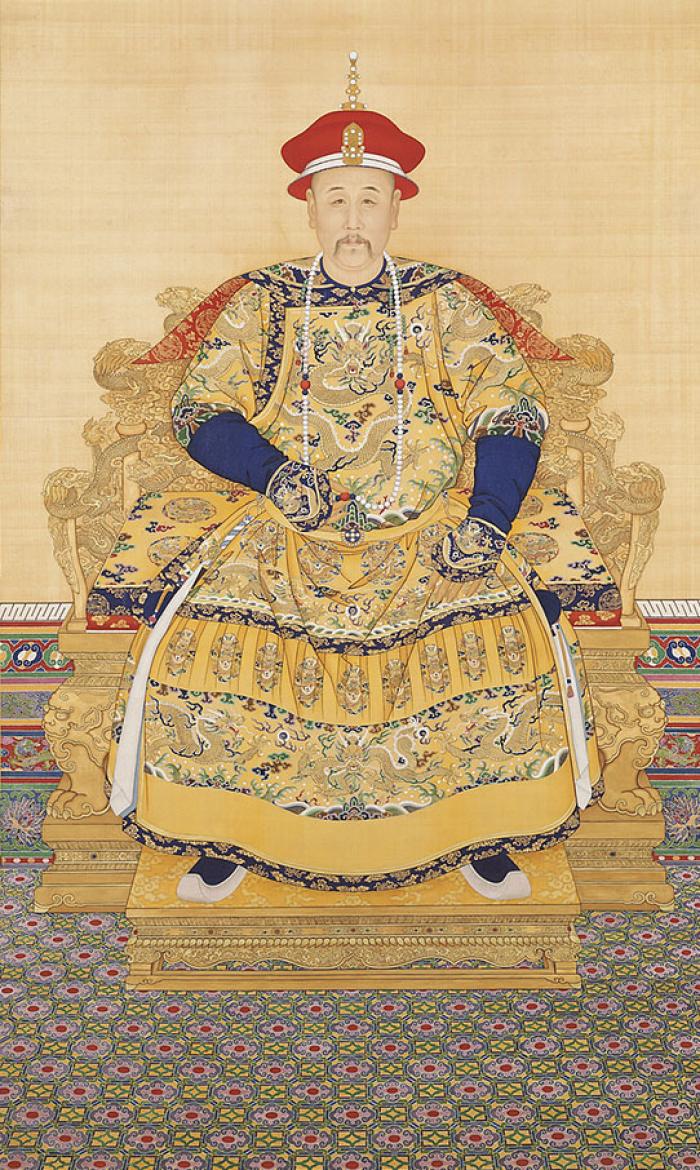
Portrait of the Yongzheng Emperor in Court Dress
anonymous court artists · 1723-1735
 Document
Primary source
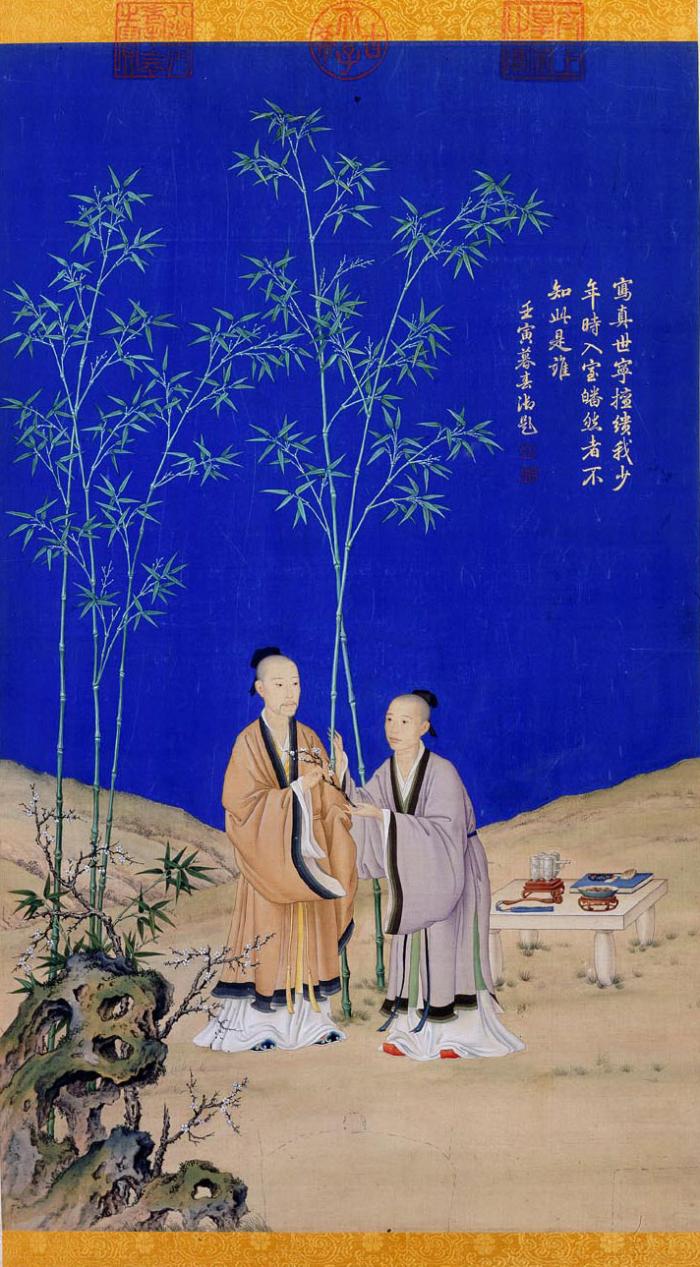
Palace Memorial on the Respectful Return of Previous Vermilion Rescripts
Yongzheng Emperor

Free account
Read every Yongzheng Emperor source
Sign up free →
Ready when you are
Start chatting with Yongzheng Emperor now.
20 messages free · No credit card · Available in 50+ languages.