


Tertiary sourceSculpturec. 140-150 AD
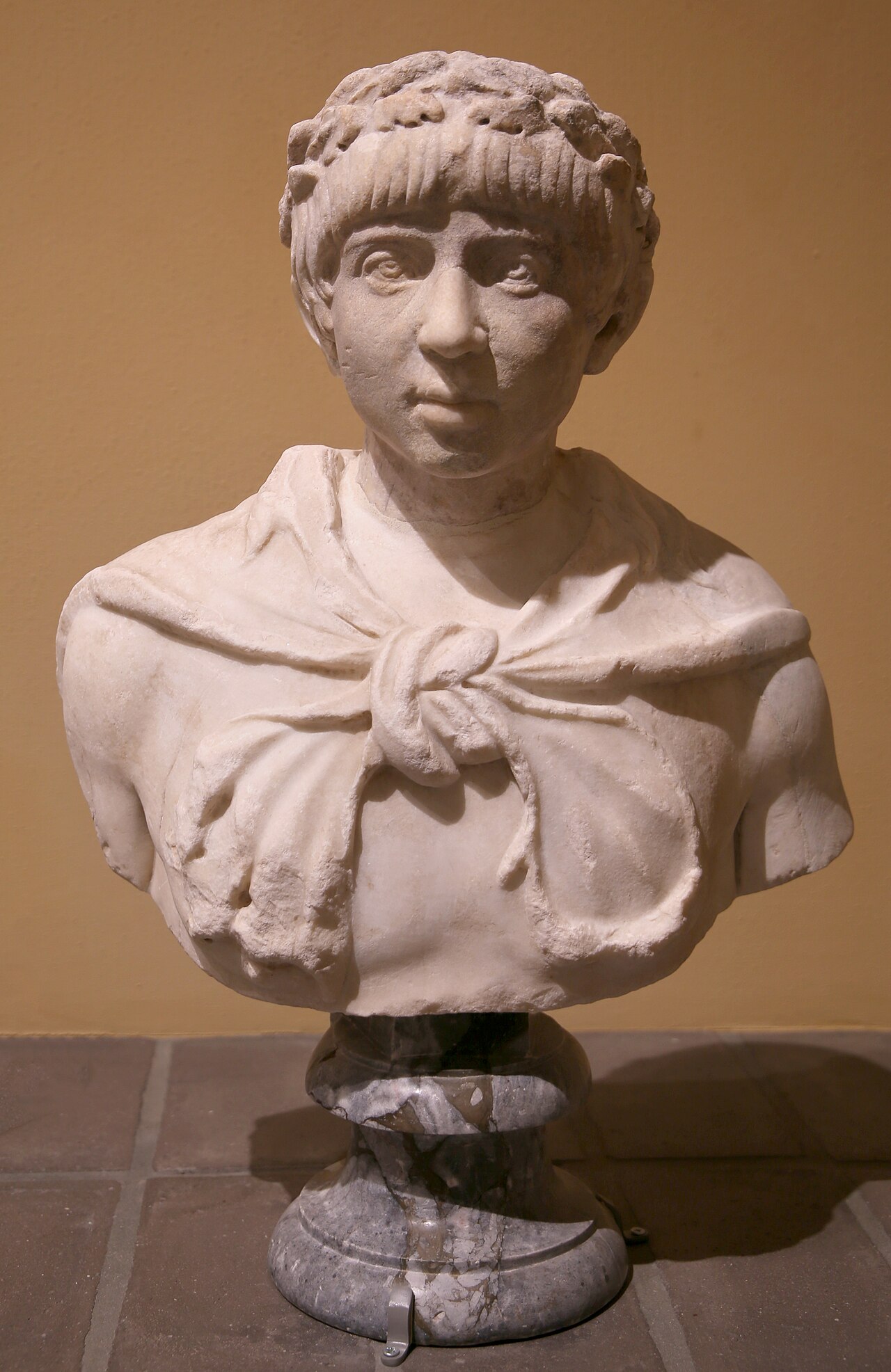
Portrait Bust Traditionally Called Romulus Augustulus
c. 140-150 AD
A 2nd-century marble bust later and wrongly labelled as a portrait of Romulus Augustulus.
This ancient bust was traditionally but incorrectly identified as a portrait of Romulus Augustulus by later collectors.
About this source
What it is
This photograph shows a marble bust of a young person with curled hair and a draped garment, part of the Torlonia Collection. The bust actually dates from the 2nd century AD, long before Romulus Augustulus lived in the 5th century.
Why it matters
Collectors in later centuries sometimes attached famous names to ancient artworks to make them more valuable or interesting, even without evidence. This bust was traditionally called a portrait of Romulus Augustulus, though no genuine portrait of him made during his lifetime survives. It is a useful reminder that not every labelled 'ancient portrait' is reliable, and that the Torlonia family shaped how later generations imagined Roman history.
Look closer
- What features of the bust might have led someone to guess it showed a young emperor?
- Why would collectors want to identify ancient statues with specific historical figures?
- What does the mismatch between the statue's real date and its traditional name teach us about trusting labels?
This sculpture is part of the curated material that grounds the AI version of Romulus Augustulus on Humy.ai — when students ask about related events, the AI can quote it and cite it.
More Romulus Augustulus sources
Browse all 24 →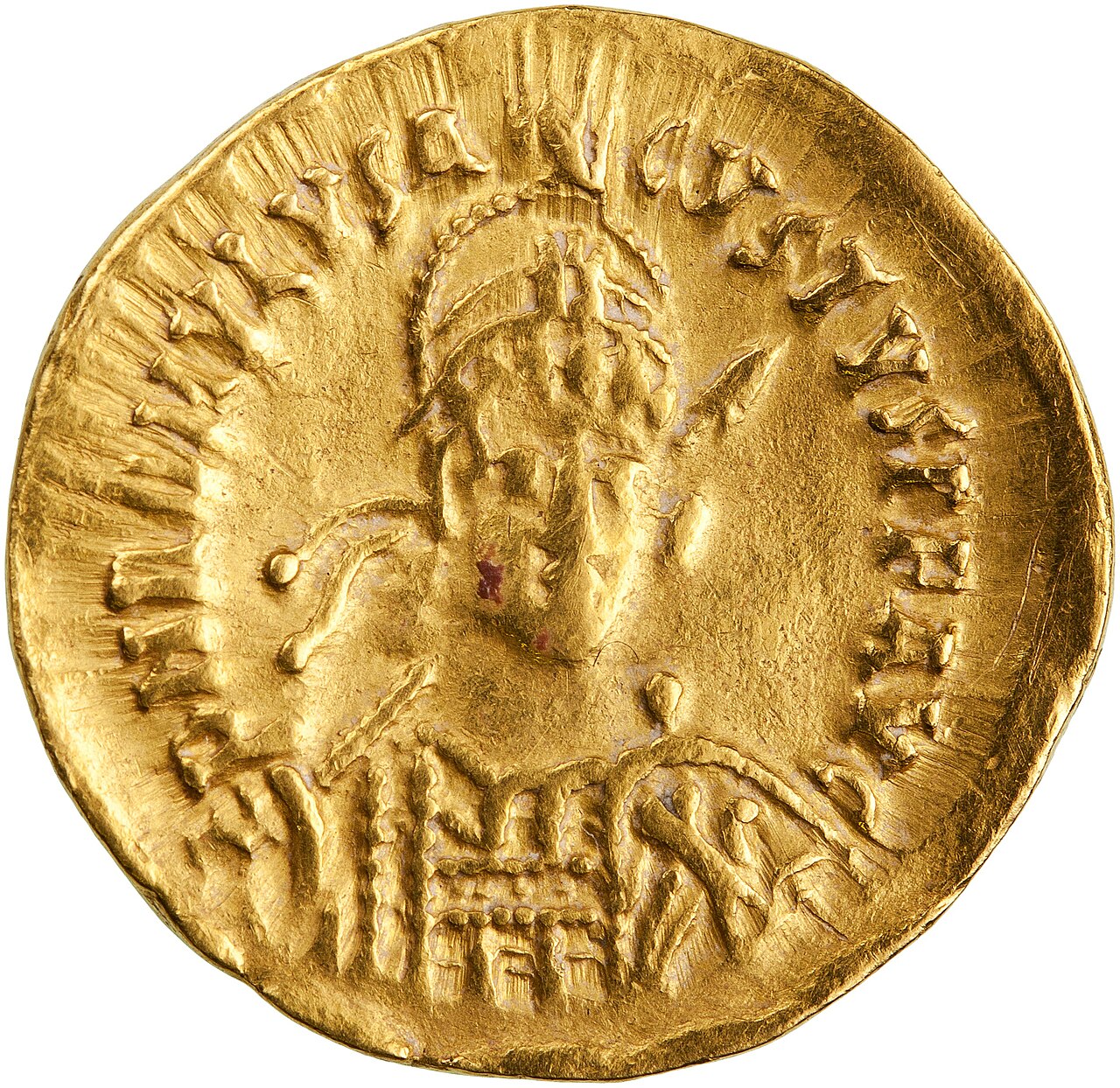 Artifact
Primary source
Gold Solidus of Romulus Augustulus
between 475 and 476
 Book
Primary source
Getica
Jordanes · 555
 Book
Secondary source
Romana (De summa temporum)
Jordanes · 551
 Photograph
Secondary source
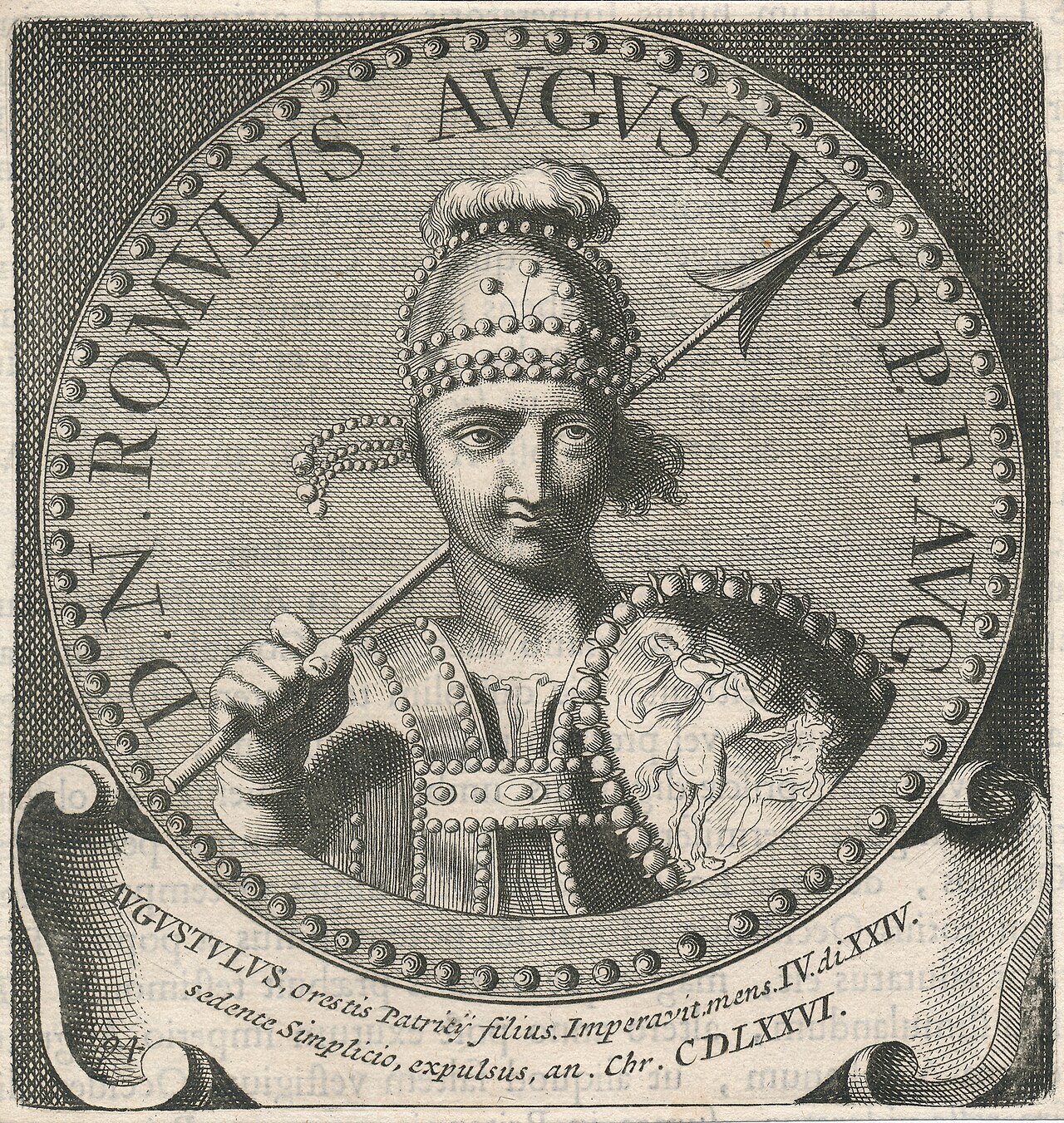
Portrait of Romulus Augustus
Free account
Read every Romulus Augustulus source
Sign up free →
Ready when you are
Start chatting with Romulus Augustulus now.
20 messages free · No credit card · Available in 50+ languages.