


Primary sourcePainting1836
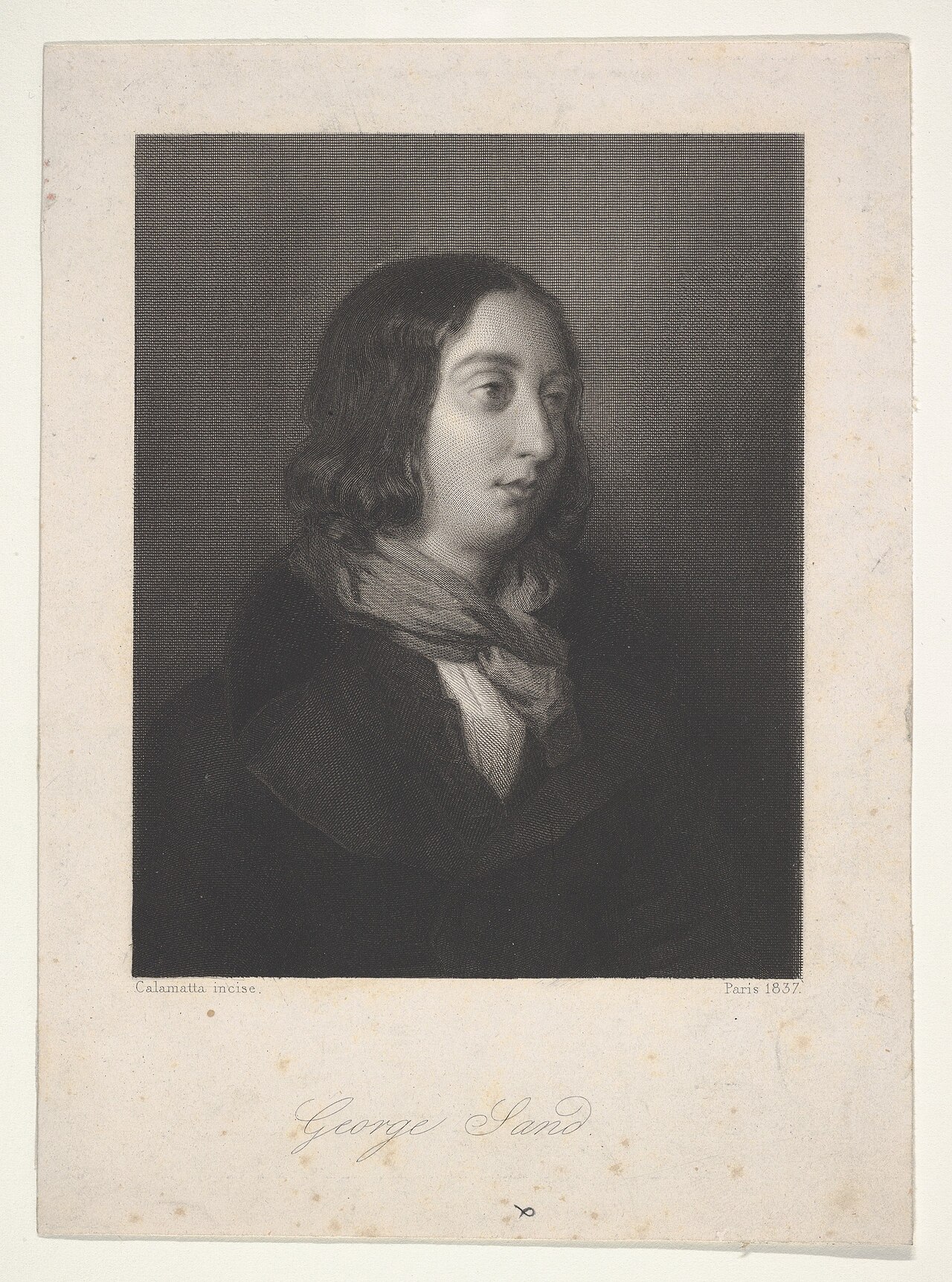
Portrait engraving of George Sand
Luigi Calamatta · 1836
An 1836 engraved portrait of George Sand that circulated widely across Europe, shaping her public image.
This engraving depicts Sand and helped circulate her image widely across Europe in the 1830s.
Free Humy account · No credit card · 120,912 sources to read
About this source
What it is
An engraving made by Luigi Calamatta showing George Sand's portrait, held today by the Bibliothèque nationale de France. The print carries the engraver's signature and a Paris date.
Why it matters
This portrait helped spread Sand's image across Europe in the 1830s, at a time when engraved prints were a major way for public figures to become visually recognizable. The connection between Calamatta's family and Sand's own family later deepened, showing how closely linked artistic and literary circles of the period could become.
Look closer
- Why would an engraved print, rather than a painting, be the best way to spread someone's image in the 1830s?
- What does her pose and clothing in the portrait suggest about how she wanted to be seen?
- Why might families of artists and writers become connected through marriage in this era?
This painting is part of the curated material that grounds the AI version of George Sand on Humy.ai — when students ask about related events, the AI can quote it and cite it.
More George Sand sources
Browse all 92 →Primary source
Indiana
George Sand · 1832
Primary source
Histoire de ma vie
George Sand · 1854-1855
 Book
Primary source
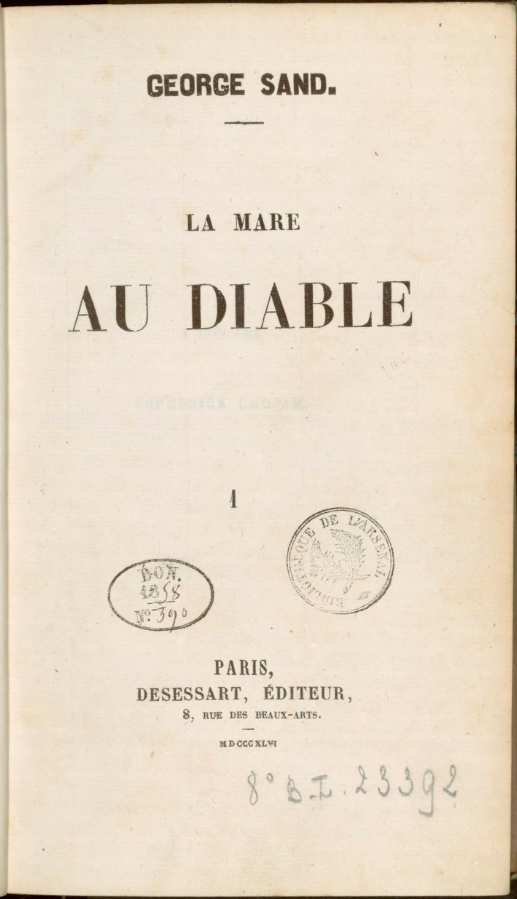
La Mare au diable
George Sand · 1846
 Painting
Primary source
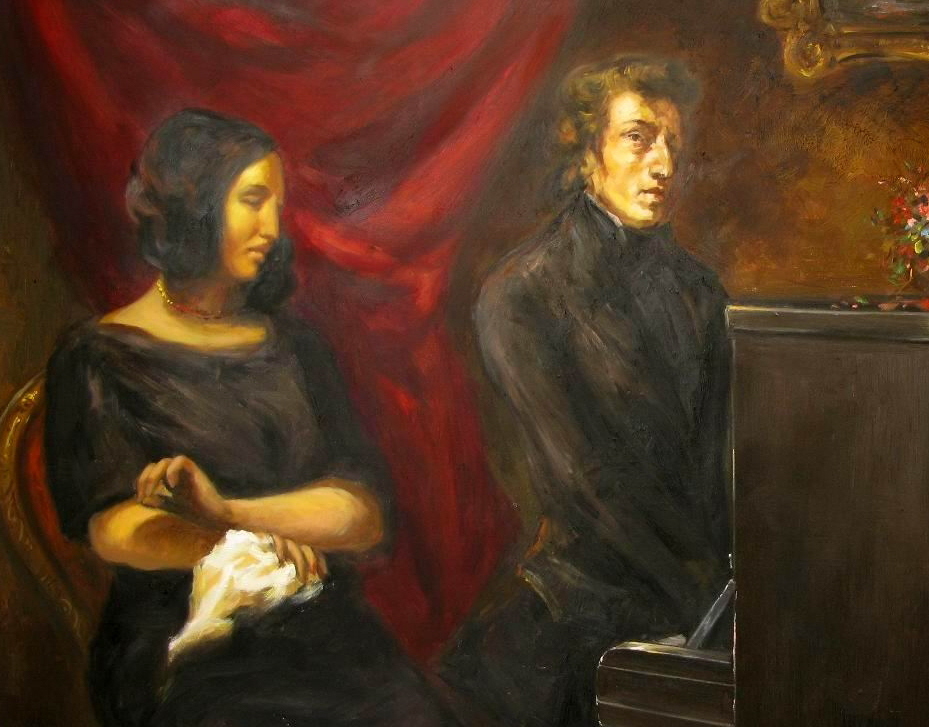
Portrait of Frédéric Chopin and George Sand
Eugène Delacroix · 1837-1838
Free account
Read every George Sand source
Sign up free →
Ready when you are
Start chatting with George Sand now.
20 messages free · No credit card · Available in 50+ languages.