


Primary sourcePainting1827-1828
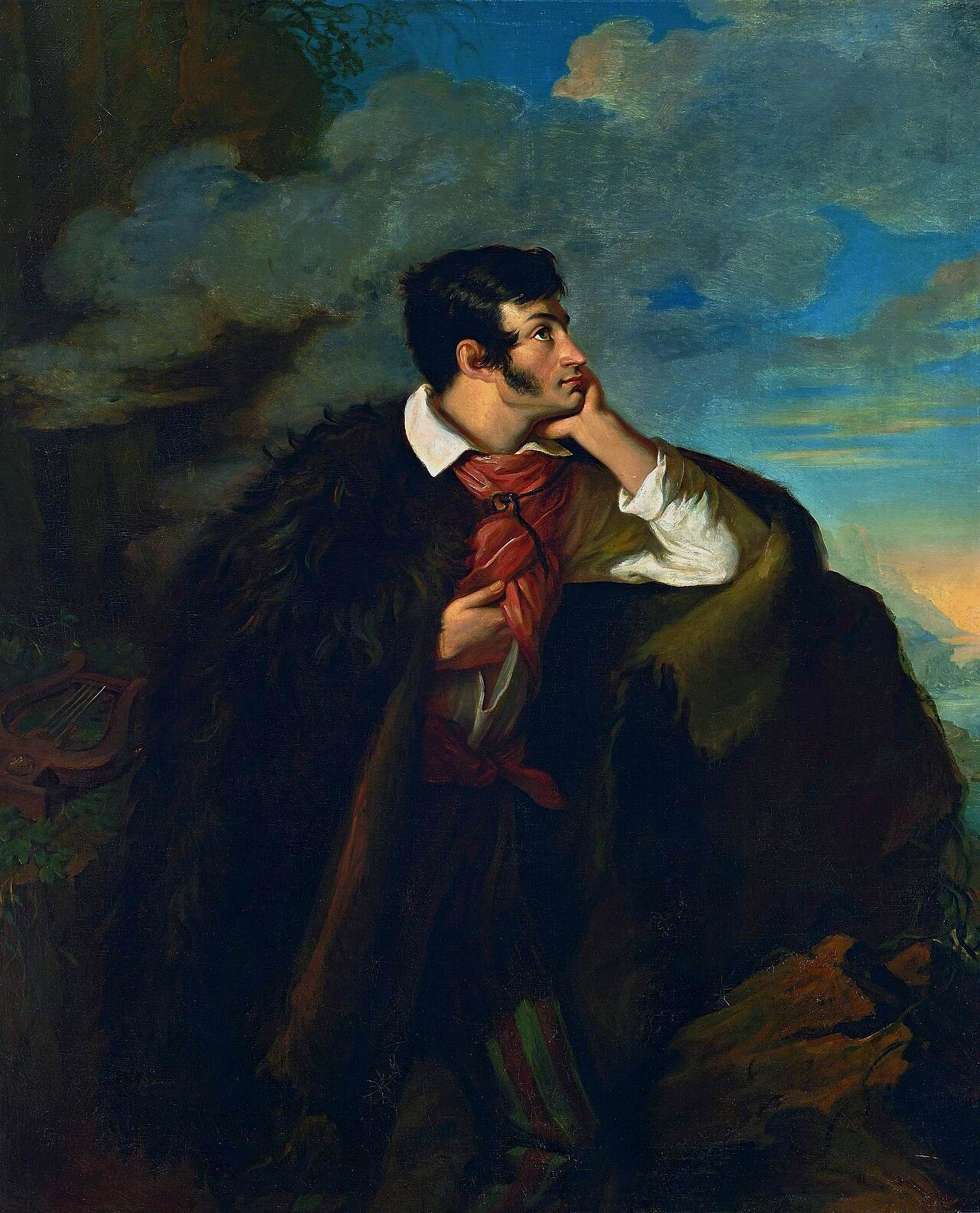
Portrait of Adam Mickiewicz on the Ayu-Dag Cliff
Walenty Wańkowicz · 1827-1828
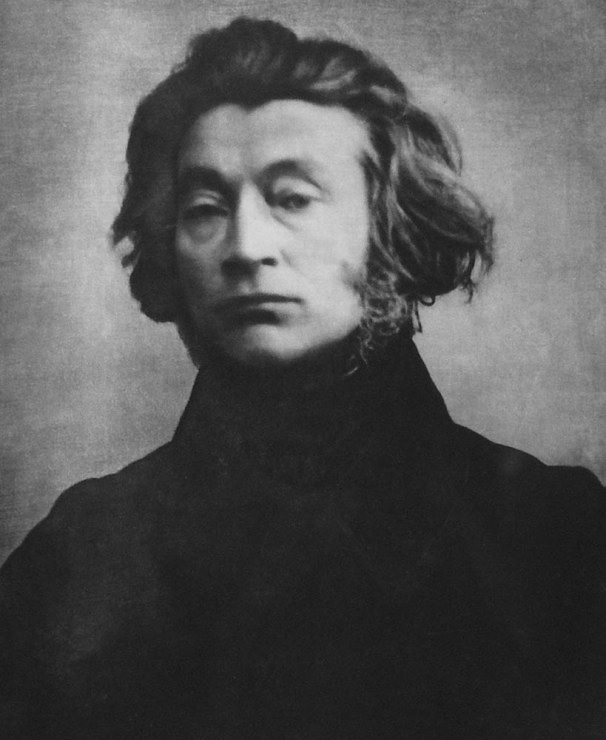
An 1828 oil portrait by his friend Walenty Wańkowicz showing Mickiewicz leaning on a Crimean cliff, which became his iconic romantic image.
This portrait, painted from life by his friend Wańkowicz, became the iconic image of Mickiewicz as a romantic poet.
About this source
What it is
This oil painting of Adam Mickiewicz was made by his friend Walenty Wańkowicz between 1827 and 1828. It shows the poet in a Byronic pose, leaning on a cliff above the Black Sea in Crimea, wrapped in a highlander's coat. Since 1925 it has been held in the National Museum in Warsaw.
Why it matters
Wańkowicz and Mickiewicz were friends from their student days at Vilnius University and met again in St. Petersburg, where Mickiewicz introduced the painter to Alexander Pushkin. The painting's title and theme come from Mickiewicz's own sonnet about the same cliff, and it fixed the enduring popular image of the poet as an inspired romantic wanderer.
Look closer
- What mood does the painter create through the pose, the stormy sky, and the lyre at the edge of the painting?
- Why might a friend's portrait of a poet differ from a strictly realistic likeness?
- How does this image connect to the poem it is named after?
This painting is part of the curated material that grounds the AI version of Adam Mickiewicz on Humy.ai — when students ask about related events, the AI can quote it and cite it.
More Adam Mickiewicz sources
Browse all 95 →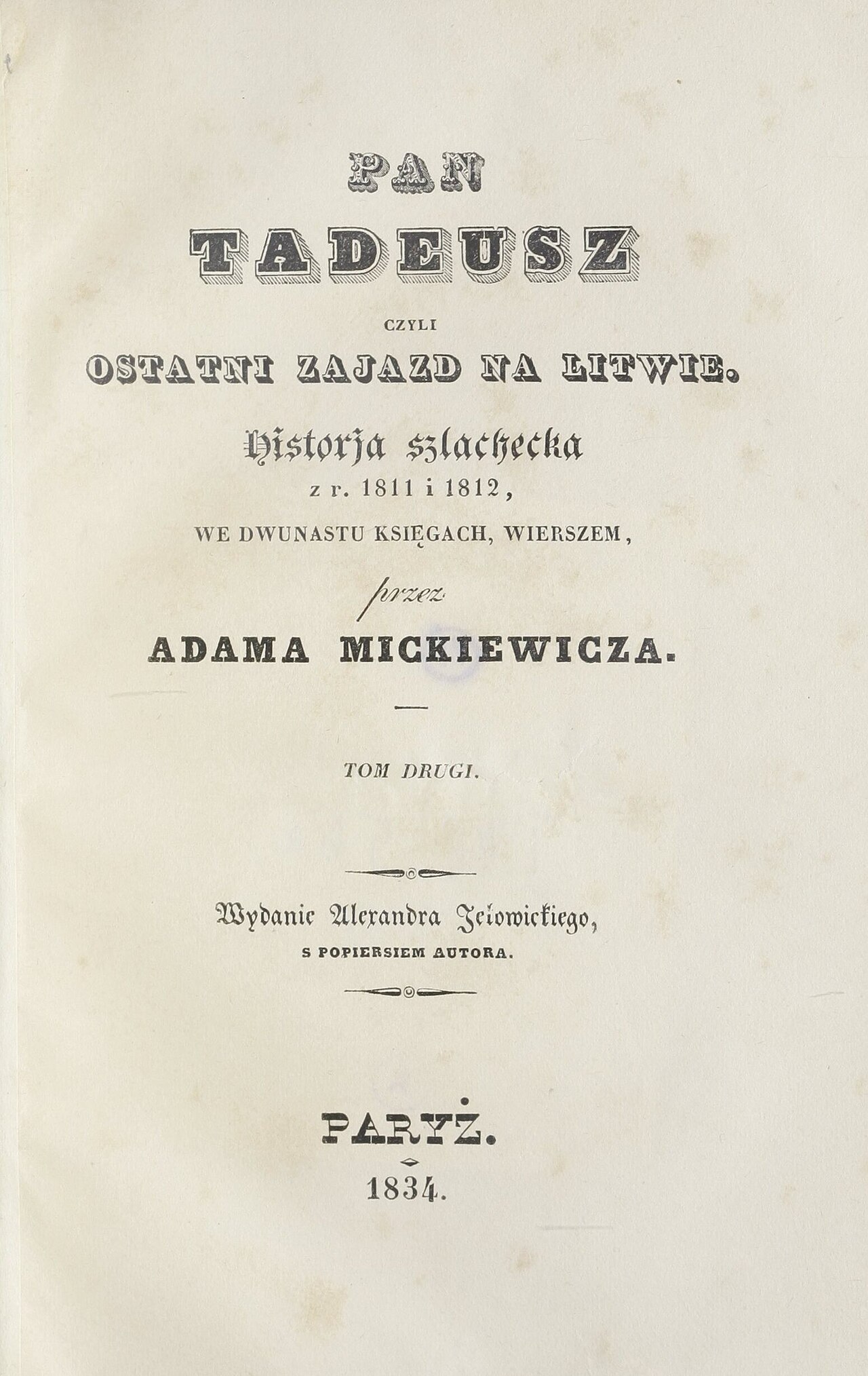 Book
Primary source
Pan Tadeusz
Adam Mickiewicz · 28 June 1834
 Book
Primary source
Konrad Wallenrod
Adam Mickiewicz · 1828
 Book
Primary source
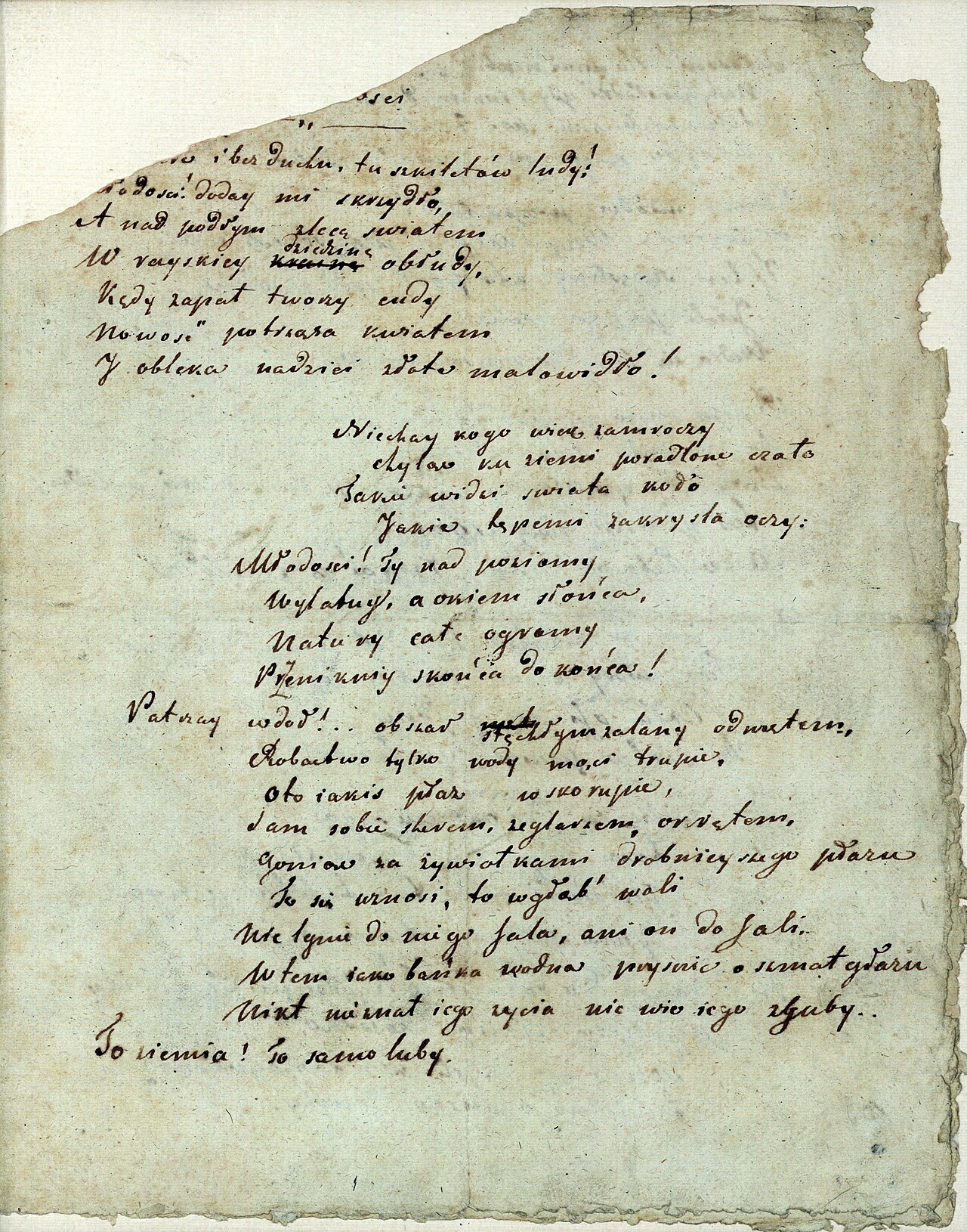
Ode to Youth
Adam Mickiewicz · 1820
 Book
Primary source
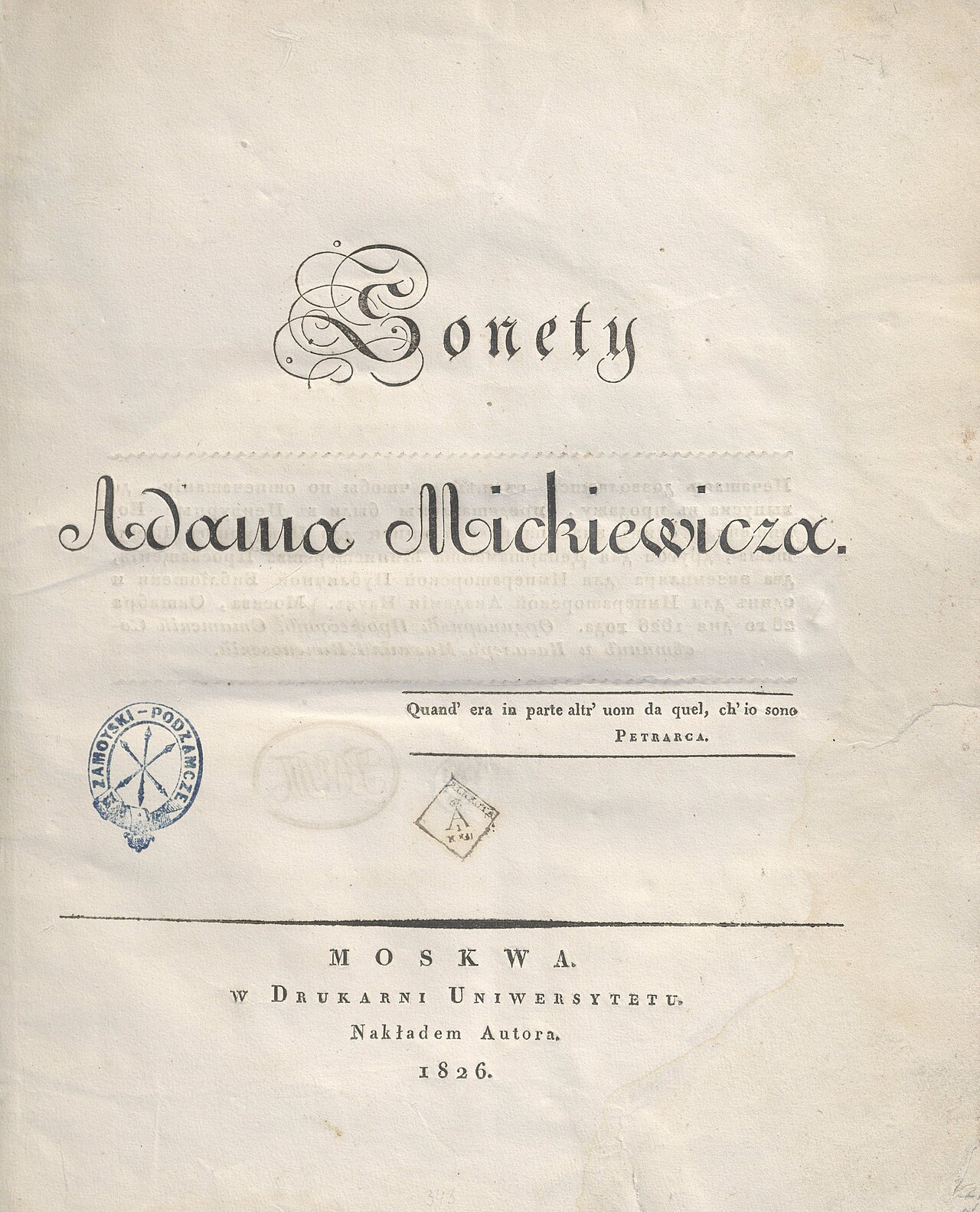
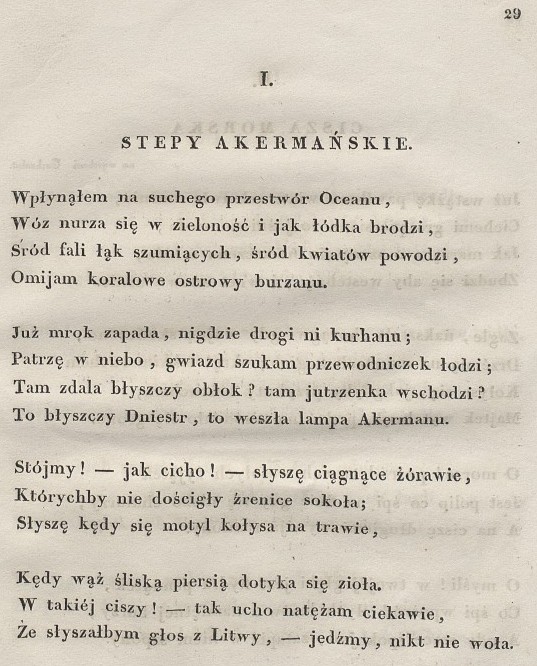
Sonnets from the Crimea
Adam Mickiewicz · 1826
Free account
Read every Adam Mickiewicz source
Sign up free →
Ready when you are
Start chatting with Adam Mickiewicz now.
20 messages free · No credit card · Available in 50+ languages.