


Secondary sourcePaintingbetween 1917 and 1918
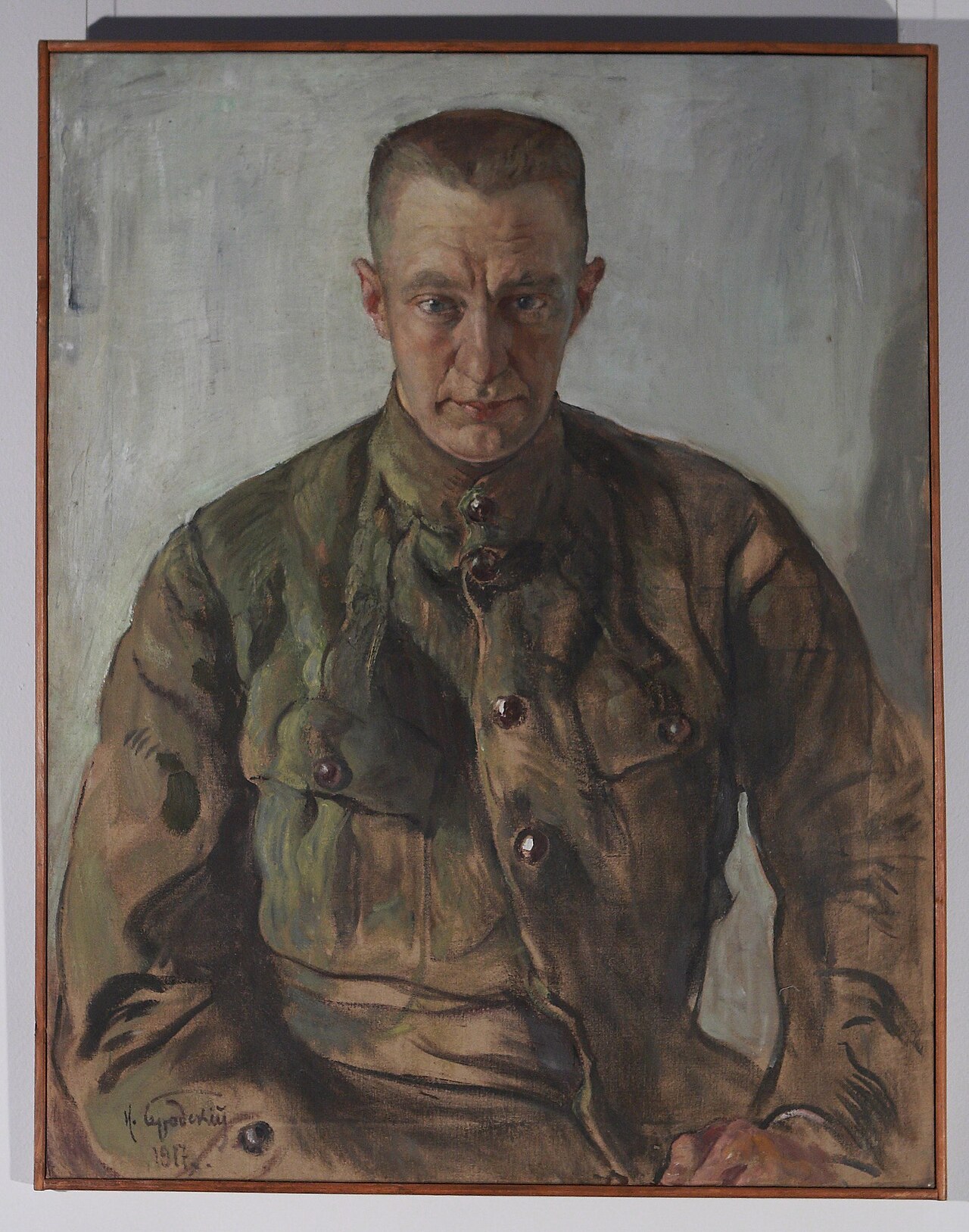
Portrait of Alexander Kerensky by Isaak Brodsky
Isaak Brodsky · between 1917 and 1918
An oil painting of Kerensky in a military-style tunic, painted by Russian artist Isaak Brodsky around the time of the 1917 revolution.
This painting depicts Kerensky in military dress during his time leading the Provisional Government.
About this source
What it is
This oil painting, made by the Russian artist Isaak Brodsky between 1917 and 1918, shows Kerensky from the front, wearing a khaki-green military-style tunic, against a plain grey background. The collection record describes it as a half-length frontal portrait.
Why it matters
Brodsky was a notable Russian painter active during the revolutionary period. Portraying Kerensky in military dress reflects his position as head of the Provisional Government during wartime, when he was closely associated with keeping Russia in the First World War. As a painting made shortly after the events it depicts, rather than by Kerensky himself, it offers an artist's interpretation rather than a direct document.
Look closer
- Why might Brodsky have chosen to paint Kerensky in a military tunic rather than civilian clothes?
- What mood does the plain grey background create?
- How might a painted portrait differ from a photograph in what it tells us about a leader?
This painting is part of the curated material that grounds the AI version of Alexander Kerensky on Humy.ai — when students ask about related events, the AI can quote it and cite it.
More Alexander Kerensky sources
Browse all 62 →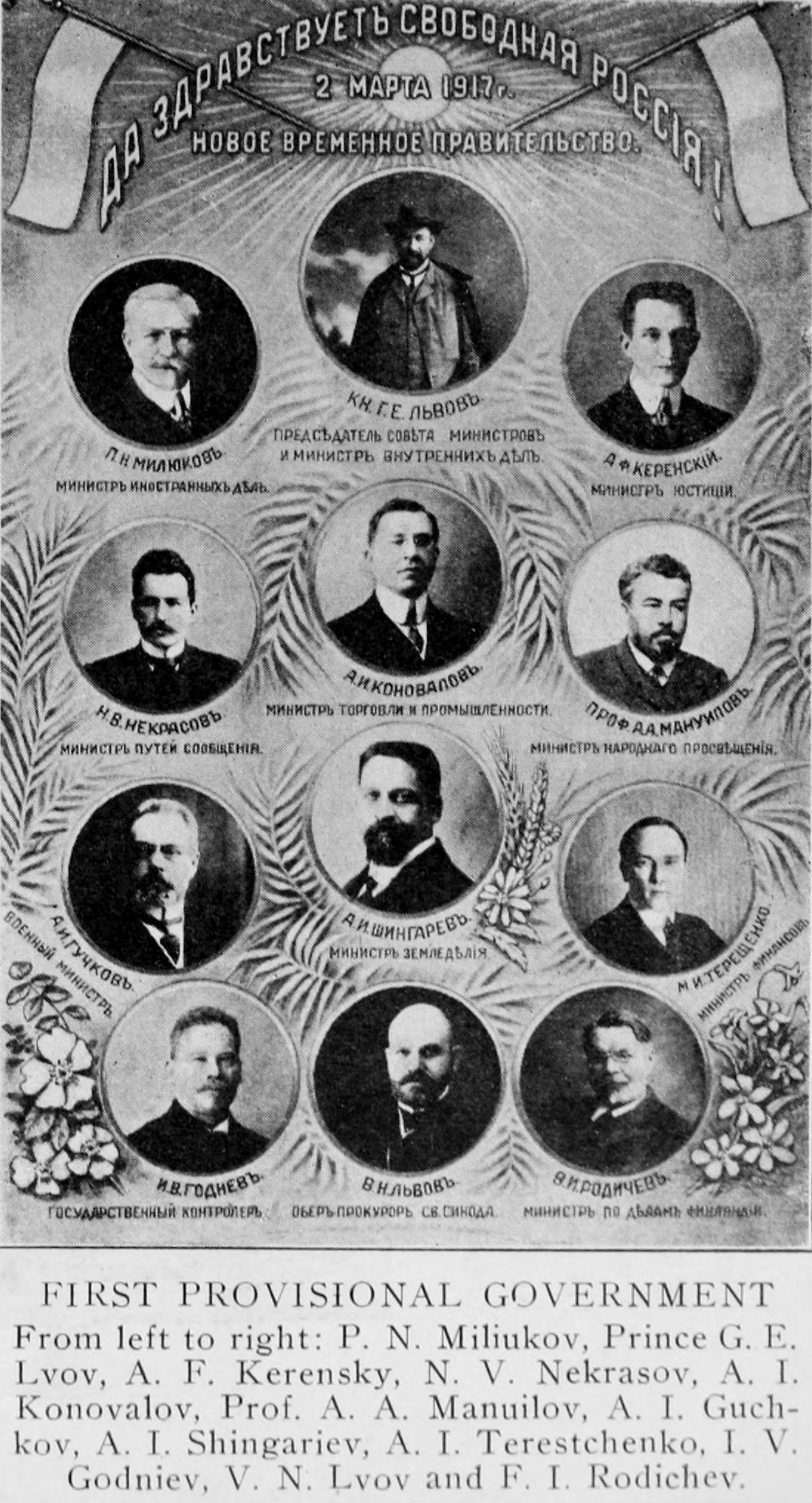 Document
Primary source
Russian Provisional Government
1917
 Book
Primary source
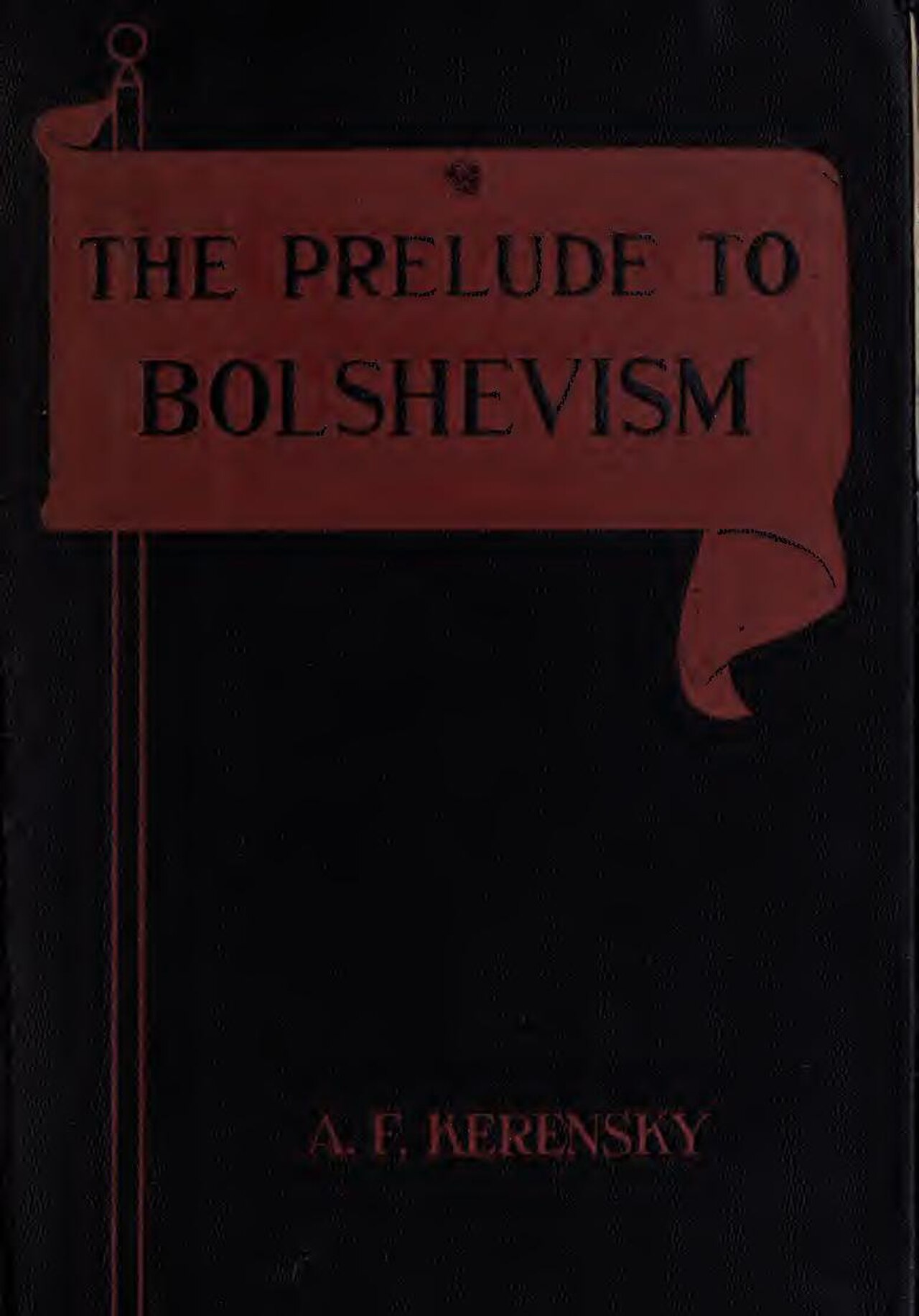
The Prelude to Bolshevism: The Kornilov Rebellion
Alexander Kerensky · 1919
 Photograph
Primary source
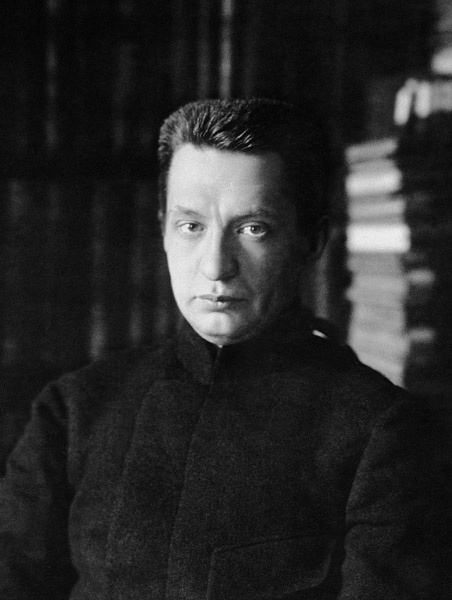
Karenskiy AF 1917
Karl Bulla · 1917
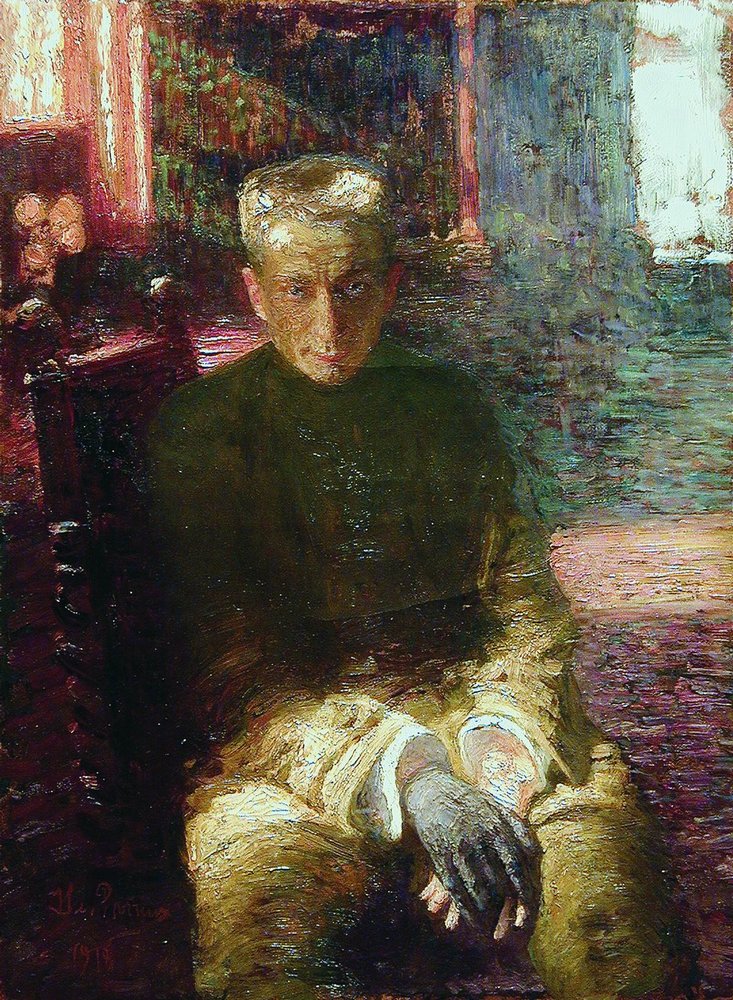 Painting
Primary source
Alexander Kerensky
Ilya Repin · 1918
Free account
Read every Alexander Kerensky source
Sign up free →
Ready when you are
Start chatting with Alexander Kerensky now.
20 messages free · No credit card · Available in 50+ languages.