


Secondary sourcePaintingunknown
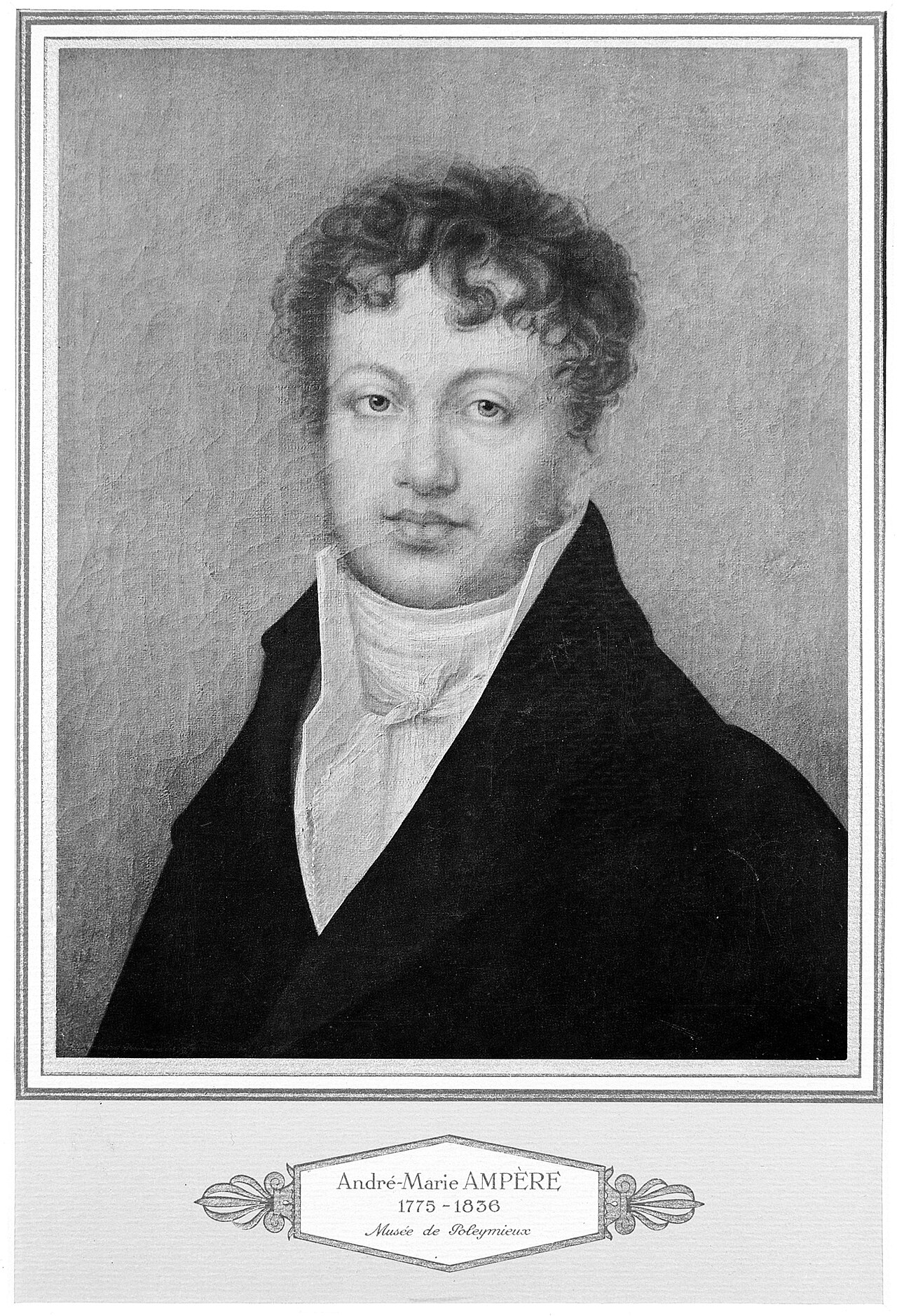
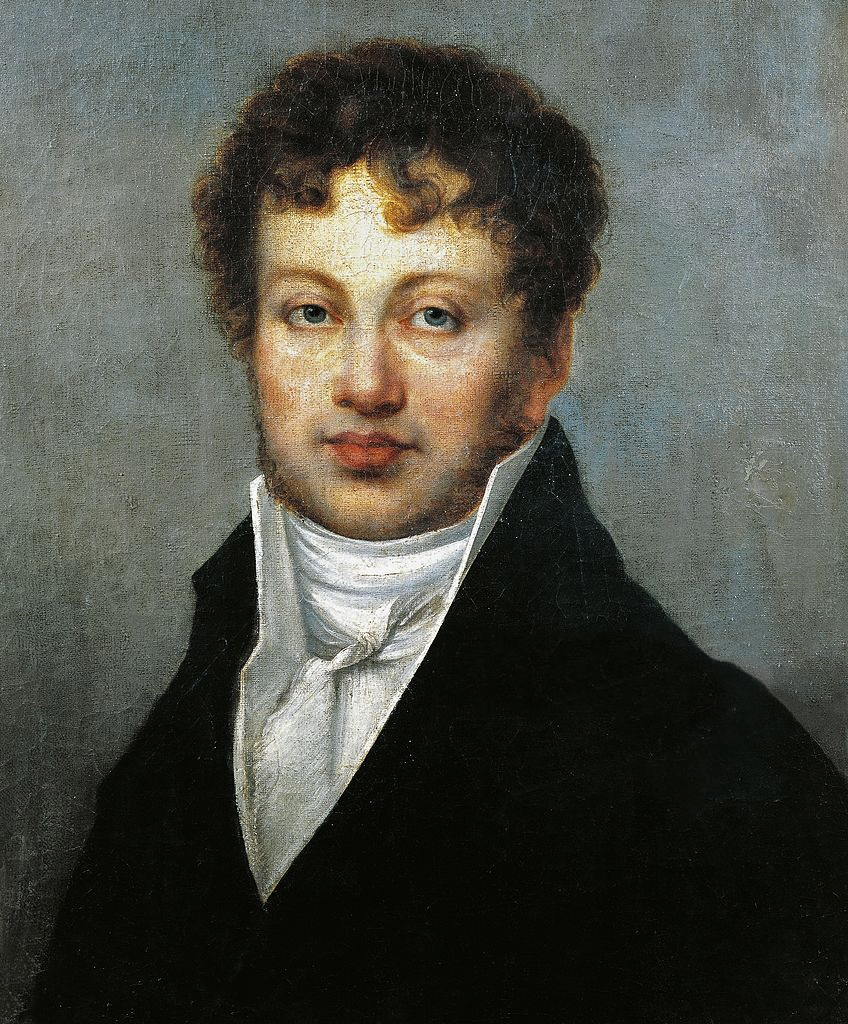
Portrait of André-Marie Ampère, Unknown Artist
unknown · unknown
A painted portrait of Ampère by an unidentified artist, held at the Musée de Poleymieux.
A portrait identifying Ampère as the physicist who gave his name to the unit of electric current, held at a museum dedicated to him.
About this source
What it is
This is a reproduction of a painted portrait of André-Marie Ampère, the physicist who introduced the unit of electric current now called the amp. The original painting, by an artist whose name is not recorded, is kept at the Musée de Poleymieux.
Why it matters
Even though we don't know who painted it or exactly when, the portrait shows how Ampère was pictured by people close to his own era, dressed formally in a dark coat and white cravat as was common for scientists and scholars of the time. It is part of how museums preserve the memory of important historical figures.
Look closer
- Why might the artist and exact date of a portrait sometimes be lost over time?
- What does the clothing and pose in the portrait suggest about how Ampère wanted to be seen, or how others wanted to present him?
- Why do museums keep and display portraits even when key details about them are missing?
This painting is part of the curated material that grounds the AI version of André-Marie Ampère on Humy.ai — when students ask about related events, the AI can quote it and cite it.
More André-Marie Ampère sources
Browse all 79 →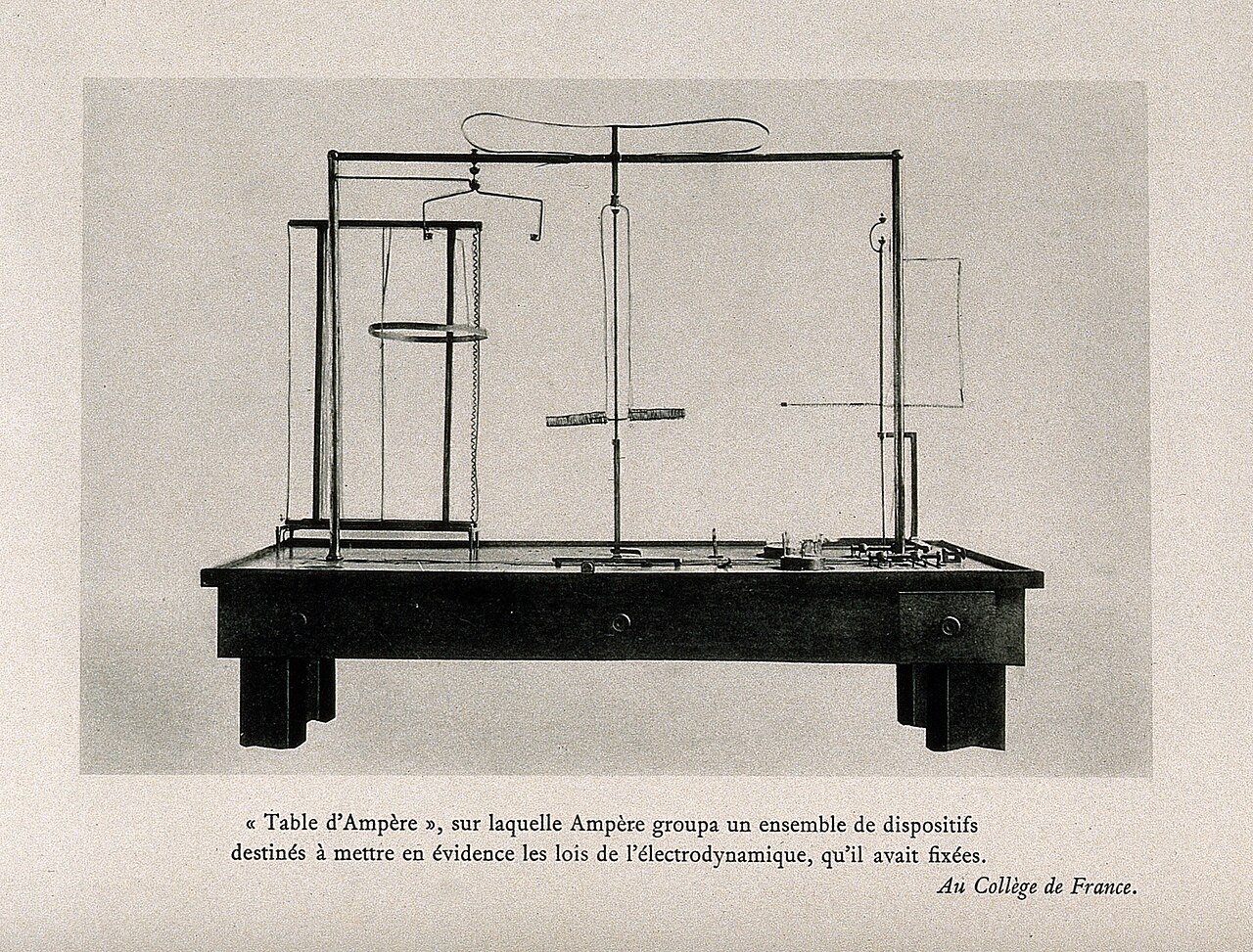 Artifact
Secondary source
Table with Devices that Demonstrate Electrodynamic Laws
 Painting
Primary source
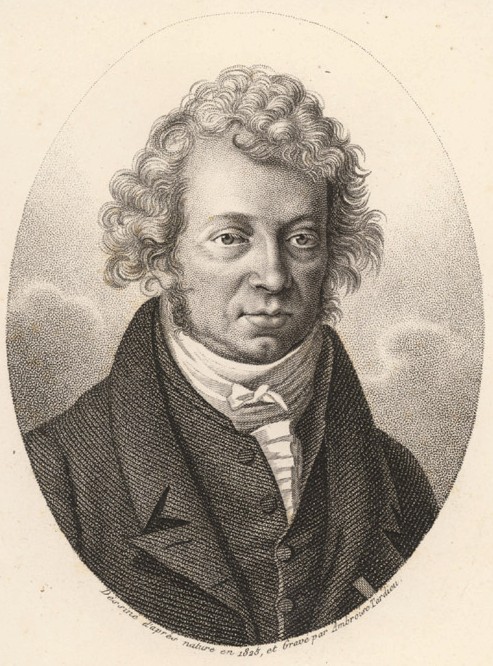
Portrait of André-Marie Ampère
Ambroise Tardieu · 1825
 Diary entry
Primary source
Journal et correspondance d'André-Marie Ampère
André-Marie Ampère · written 1793–1836; published 1872
 Book
Primary source
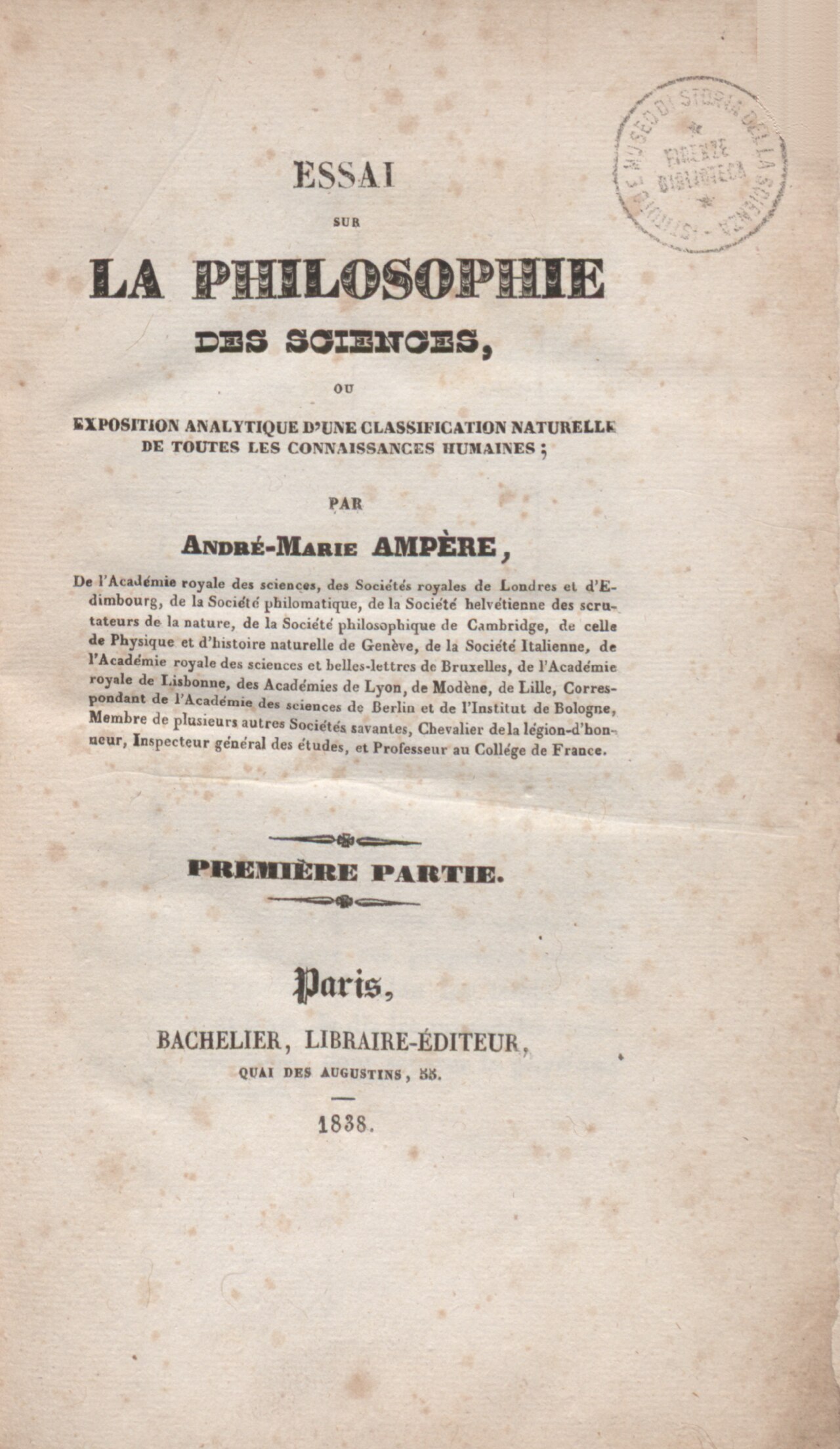
Essai sur la philosophie des sciences
André-Marie Ampère · 1834–1843
Free account
Read every André-Marie Ampère source
Sign up free →
Ready when you are
Start chatting with André-Marie Ampère now.
20 messages free · No credit card · Available in 50+ languages.