


Secondary sourcePainting1890
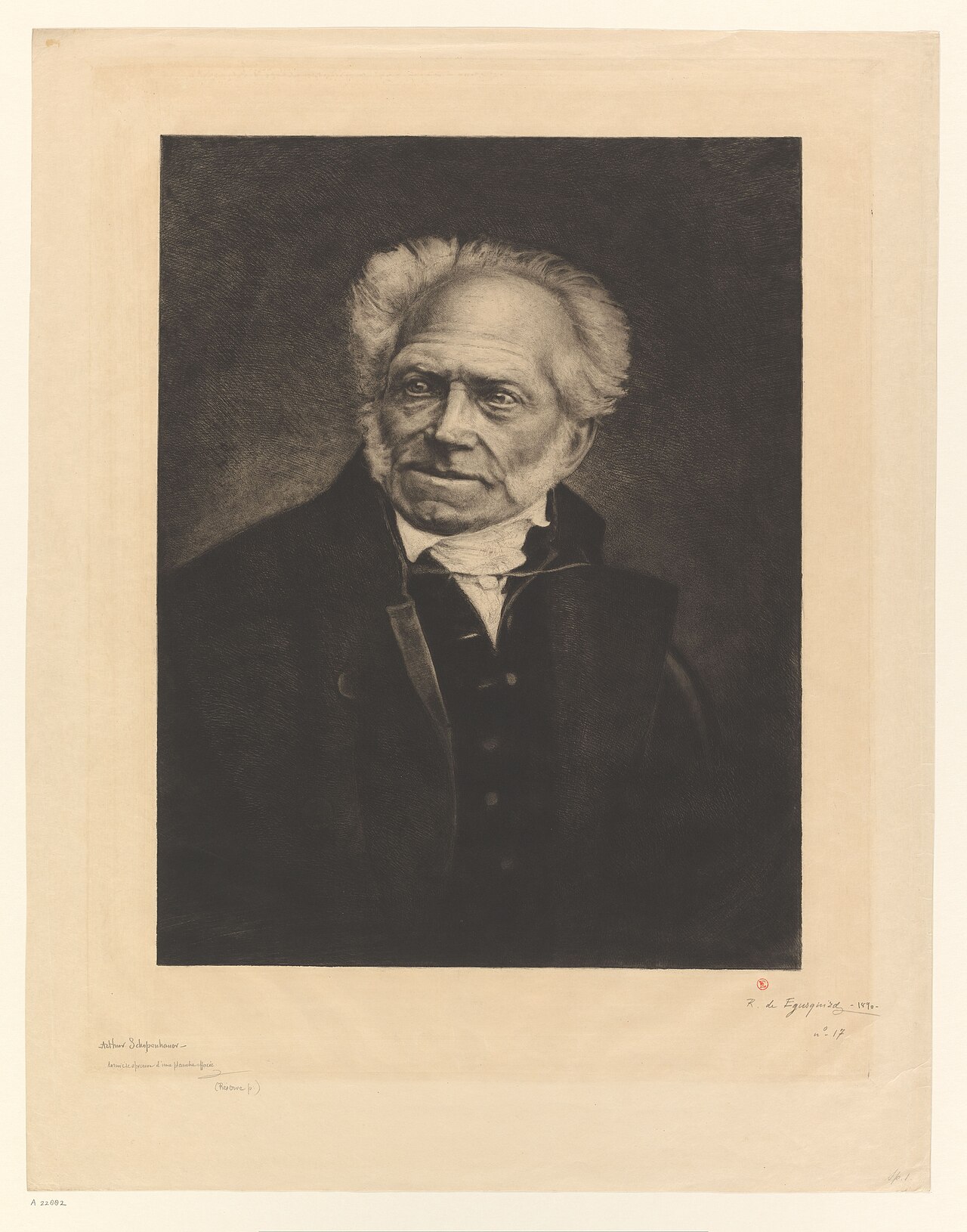
Portrait of Arthur Schopenhauer, etching
Rogelio de Egusquiza · 1890
An 1890 etched portrait of Schopenhauer, made decades after his death. The Rijksmuseum holds it, a gift of R. de Egusquiza in 1902.
Shows Schopenhauer in a 1890 etched portrait, made decades after his death and kept by the Rijksmuseum after a gift in 1902.
About this source
What it is
This is an etched portrait of Arthur Schopenhauer dated 1890. The printmaker is recorded as Rogelio de Egusquiza, whose signature is written on the print. The Rijksmuseum holds it under object number RP-P-1902-A-22882, and the museum records that it was given by Mr R. de Egusquiza in 1902.
The handwritten note on the print, in French, says it is the last print taken from a plate that was later destroyed. The image shows an elderly man with white hair, shown from the chest up, turned slightly to the left, in a dark coat and white cravat against a dark background. It was made decades after Schopenhauer died in 1860.
Why it matters
Printed portraits were an important way for readers to see the faces of writers and thinkers they admired. This print shows how Schopenhauer was remembered in the 1890s, and how collectors and museums preserved such images.
Look closer
- What does the lighting and background focus attention on, and what does the portrait leave out about the man's life?
- Why would a printmaker prepare a final print from a plate that was later destroyed, and what does the note suggest about its value?
- Who gave this print to the museum, and why might a collector want to keep an image of a philosopher?
This painting is part of the curated material that grounds the AI version of Arthur Schopenhauer on Humy.ai — when students ask about related events, the AI can quote it and cite it.
More Arthur Schopenhauer sources
Browse all 94 →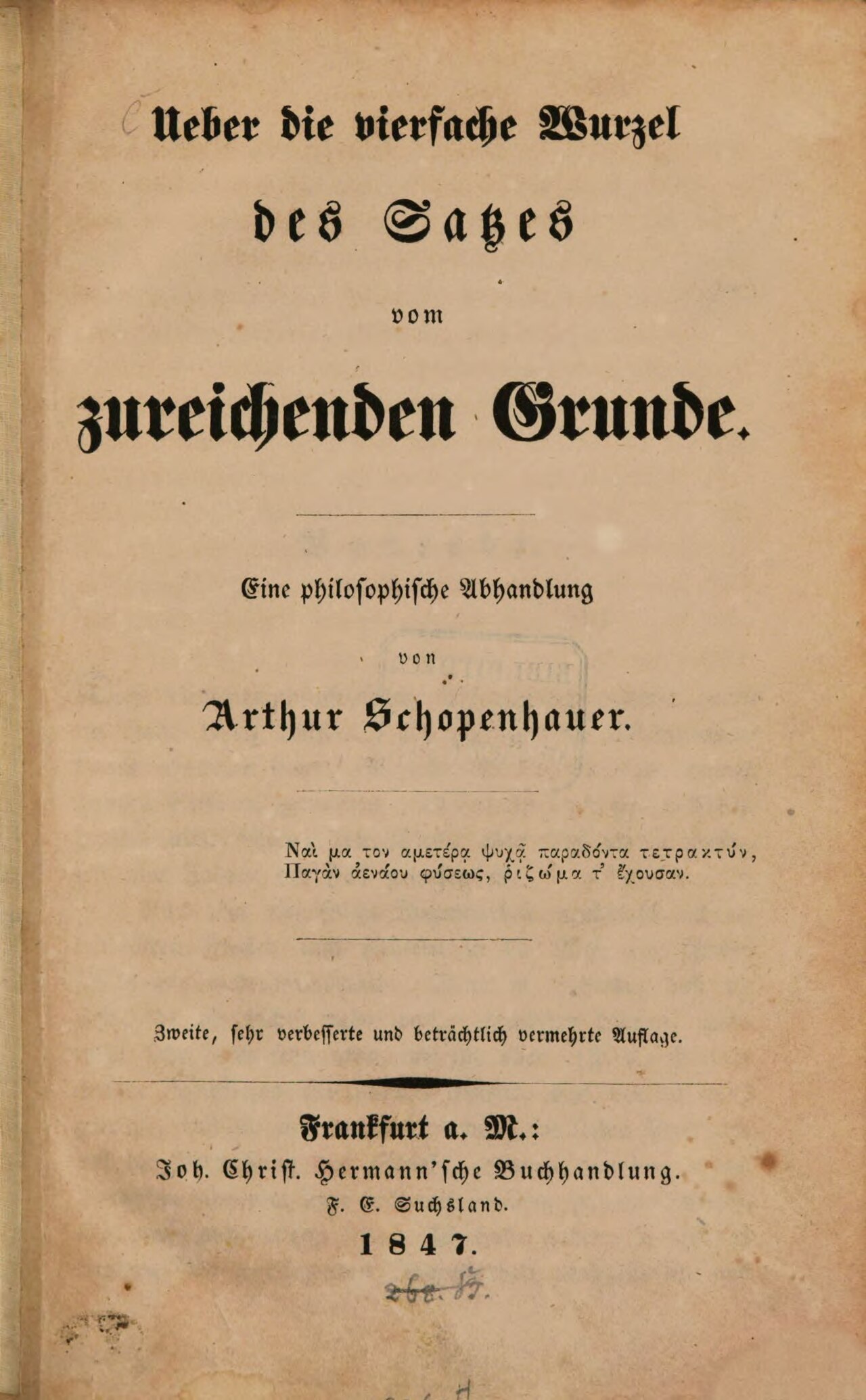 Book
Primary source
On the Fourfold Root of the Principle of Sufficient Reason
Arthur Schopenhauer · 1813, revised 1847
 Photograph
Primary source
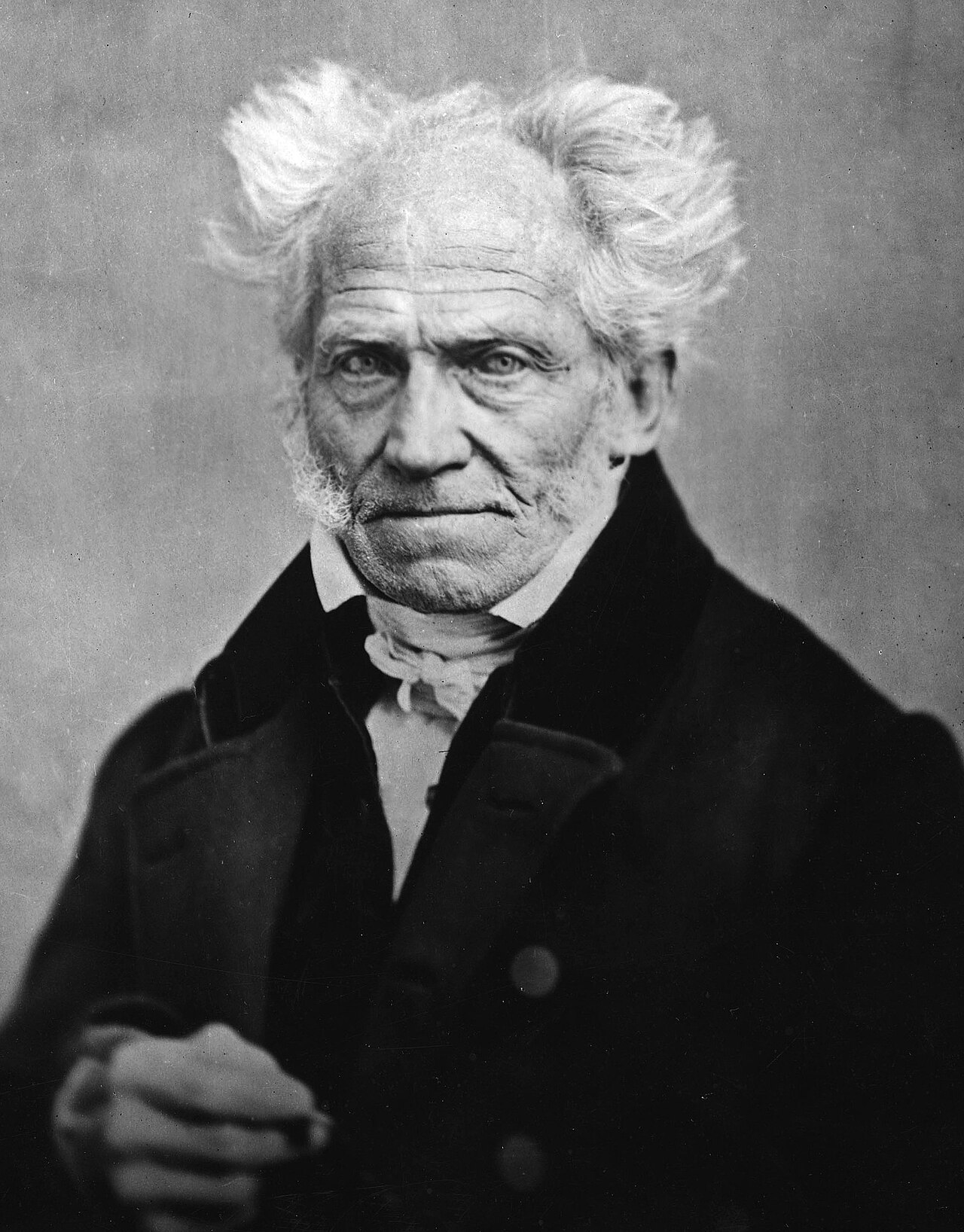
Portrait of Arthur Schopenhauer
Johann Schäfer · 1859
 Painting
Primary source
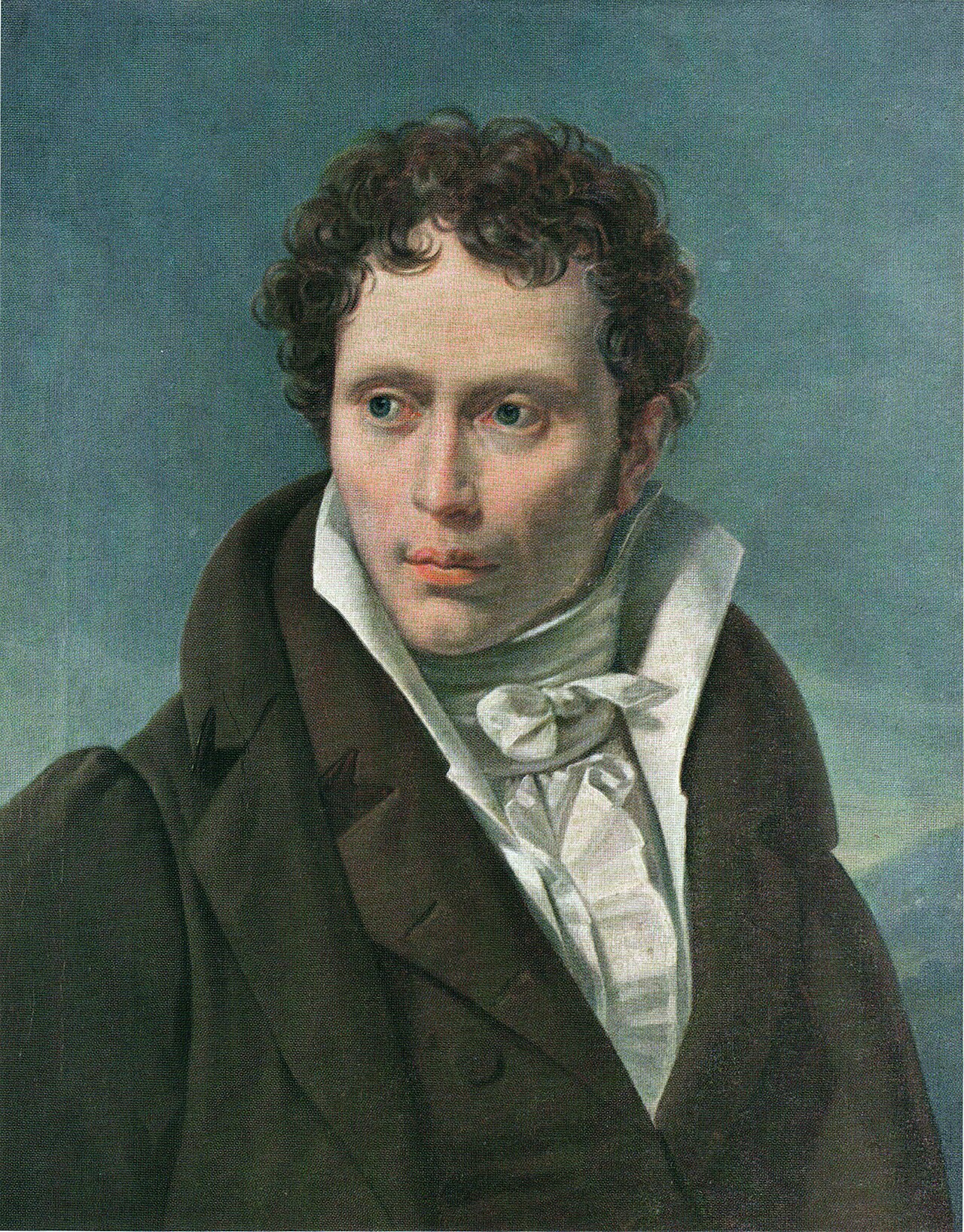
Arthur Schopenhauer Portrait by Ludwig Sigismund Ruhl
Ludwig Sigismund Ruhl · 1815
Primary source
On the Basis of Morality
Arthur Schopenhauer · 1839, published 1840/41
Free account
Read every Arthur Schopenhauer source
Sign up free →
Ready when you are
Start chatting with Arthur Schopenhauer now.
20 messages free · No credit card · Available in 50+ languages.