


Secondary sourcePaintingbetween 1810 and 1870
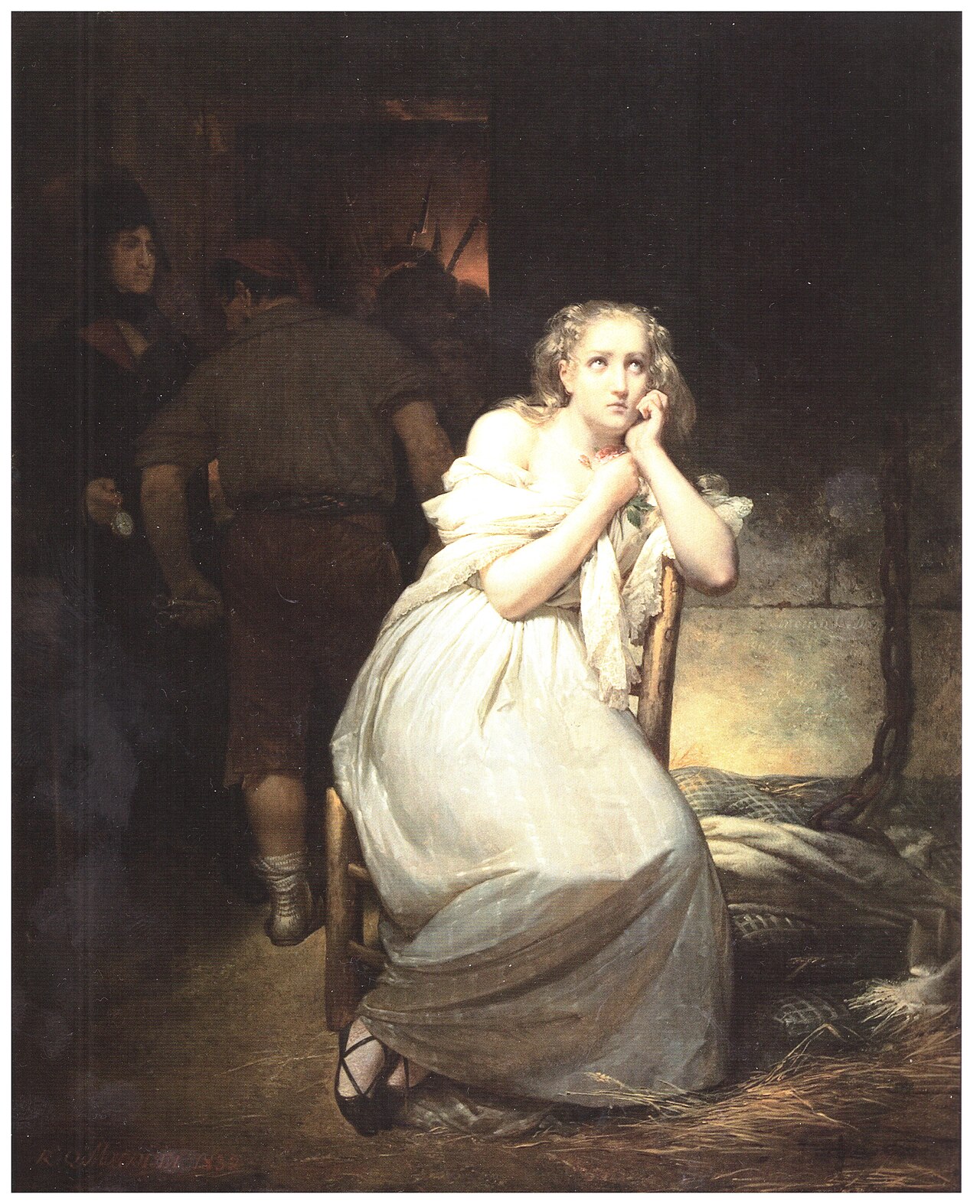
Portrait of Carlota Corday
Raymond Monvoisin · between 1810 and 1870
A 19th-century painting captioned in Spanish, showing Corday seated and pensive, described as the woman famous for killing Jean-Paul Marat.
A later portrait explicitly identifying Corday by her act of killing Marat.
About this source
What it is
A painting made sometime between 1810 and 1870 by Raymond Monvoisin, with a Spanish-language caption identifying the sitter as Charlotte Corday, "famous for having assassinated Jean-Paul Marat." It shows a young woman seated, chin on her hands, in a dim room with men standing nearby.
Why it matters
Corday was a figure of the French Revolution remembered almost entirely for one act: killing Marat, a radical journalist and politician. This painting, made decades after her death and circulated with a Spanish caption, shows how her story travelled beyond France and was retold as a moral or dramatic tale.
Look closer
- What does Corday's pose and expression suggest the painter wanted viewers to feel about her?
- Why might the caption emphasize the word "assassinated" rather than other words?
- What can and can't a painting made so long after the event tell us about the real person?
This painting is part of the curated material that grounds the AI version of Charlotte Corday on Humy.ai — when students ask about related events, the AI can quote it and cite it.
More Charlotte Corday sources
Browse all 78 →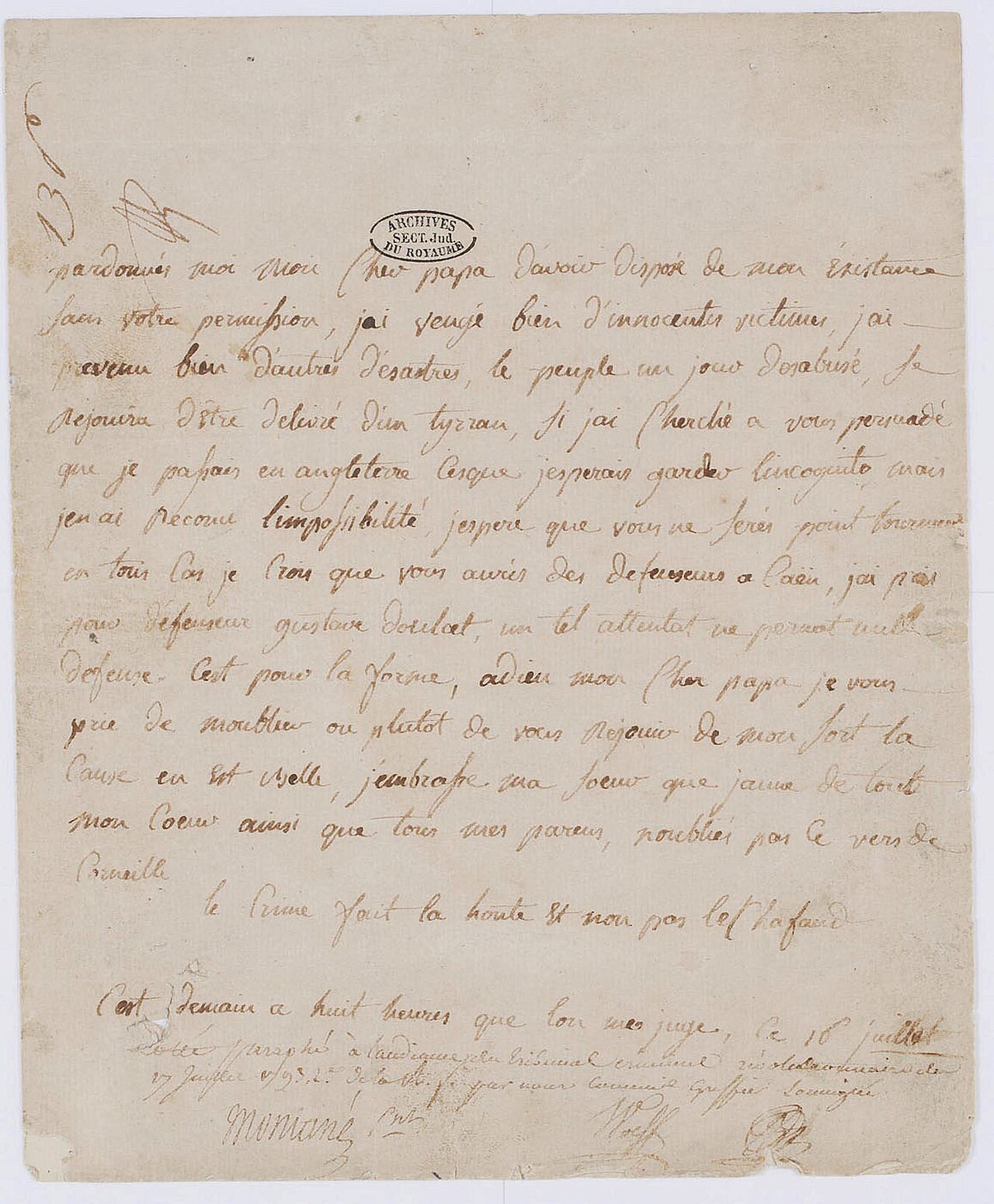 Letter
Primary source
Farewell Letter to Her Father
Charlotte Corday · 16 July 1793
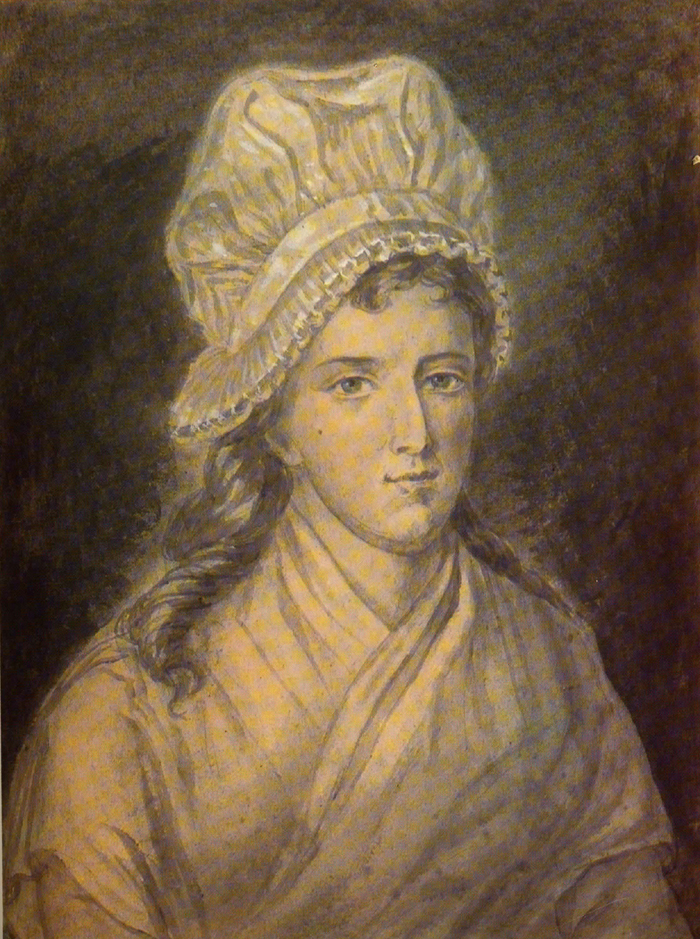 Painting
Primary source
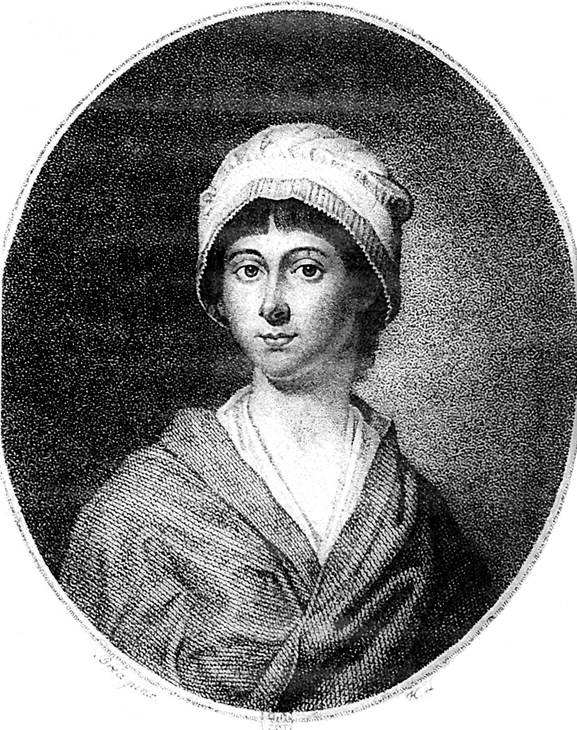
Portrait of Charlotte Corday by Hauer
Jean-Jacques Hauer · 17 July 1793
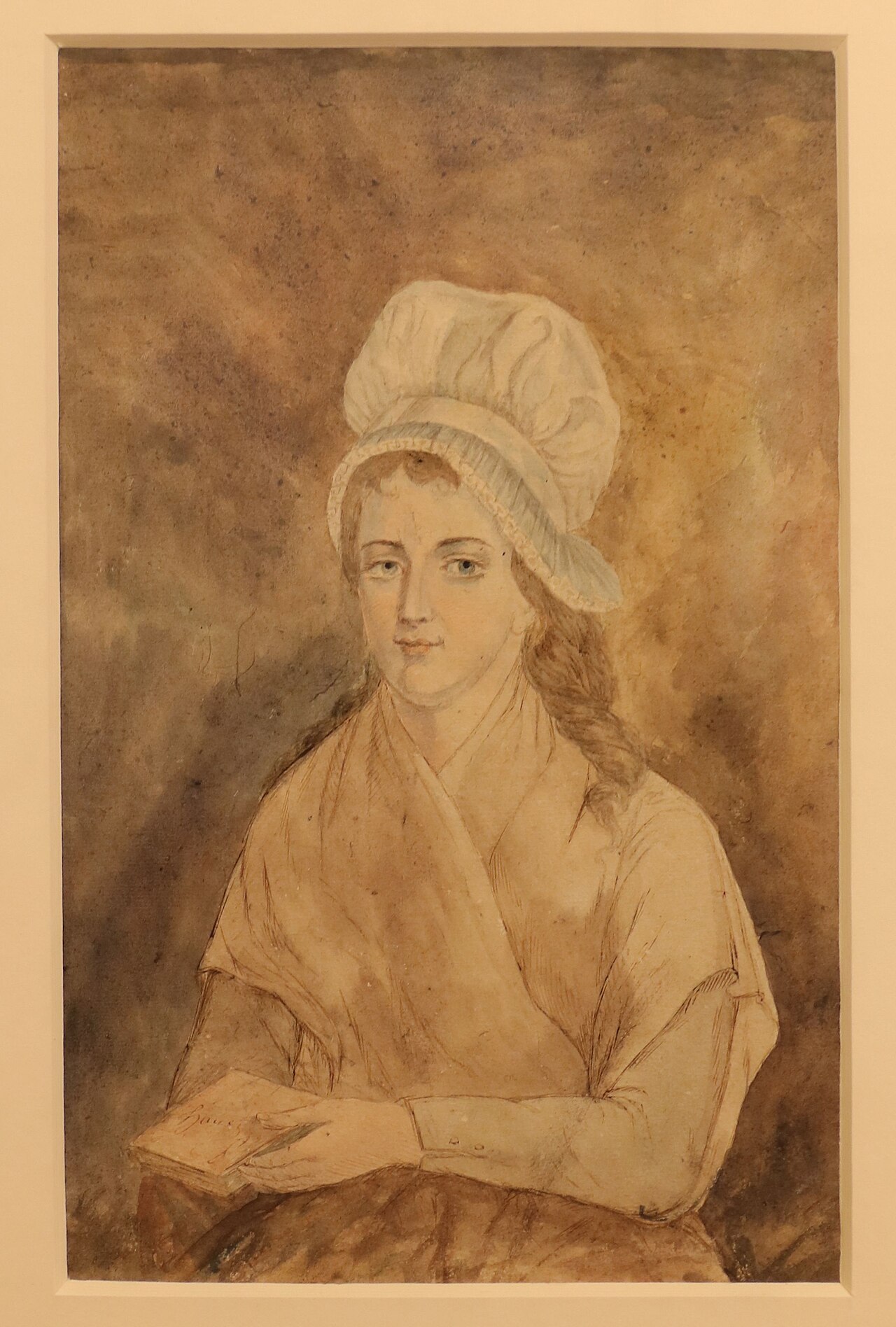 Painting
Primary source
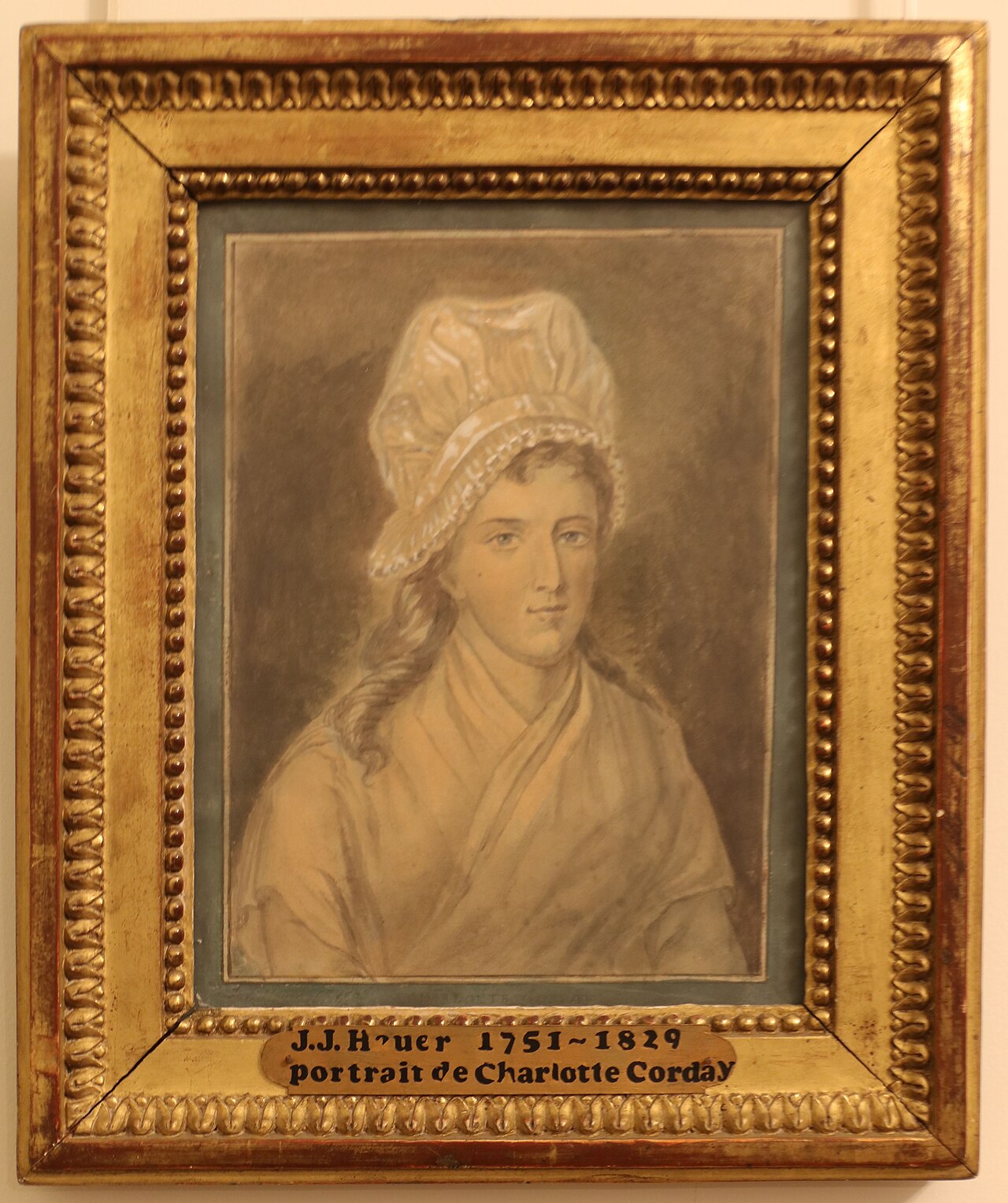
Charlotte Corday Holding a Book
Jean-Jacques Hauer · 1793
 Document
Primary source
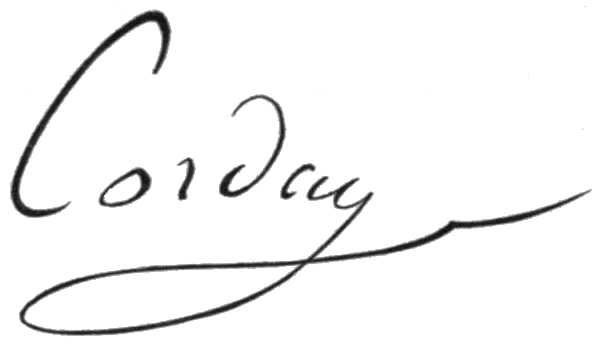
Signature of Charlotte Corday
Charlotte Corday
Free account
Read every Charlotte Corday source
Sign up free →
Ready when you are
Start chatting with Charlotte Corday now.
20 messages free · No credit card · Available in 50+ languages.