


Primary sourcePainting1790
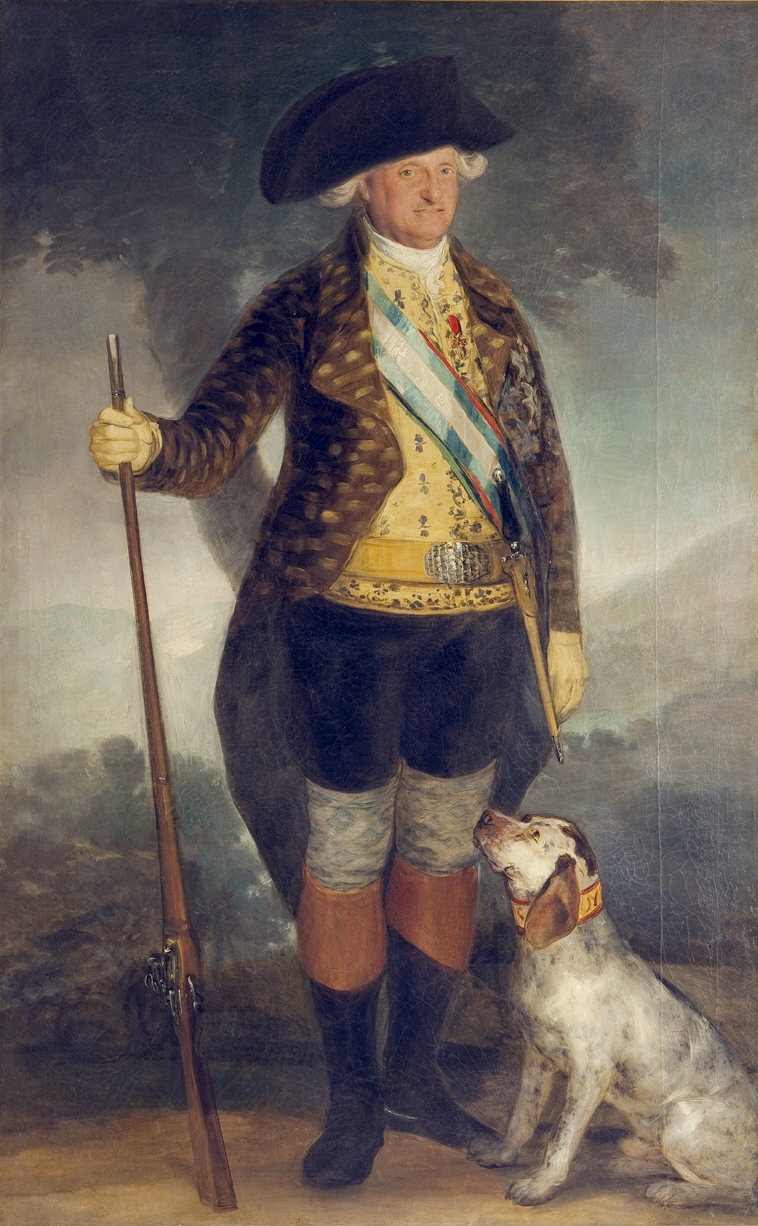
Portrait of Charles IV of Spain
Francisco Goya · 1790
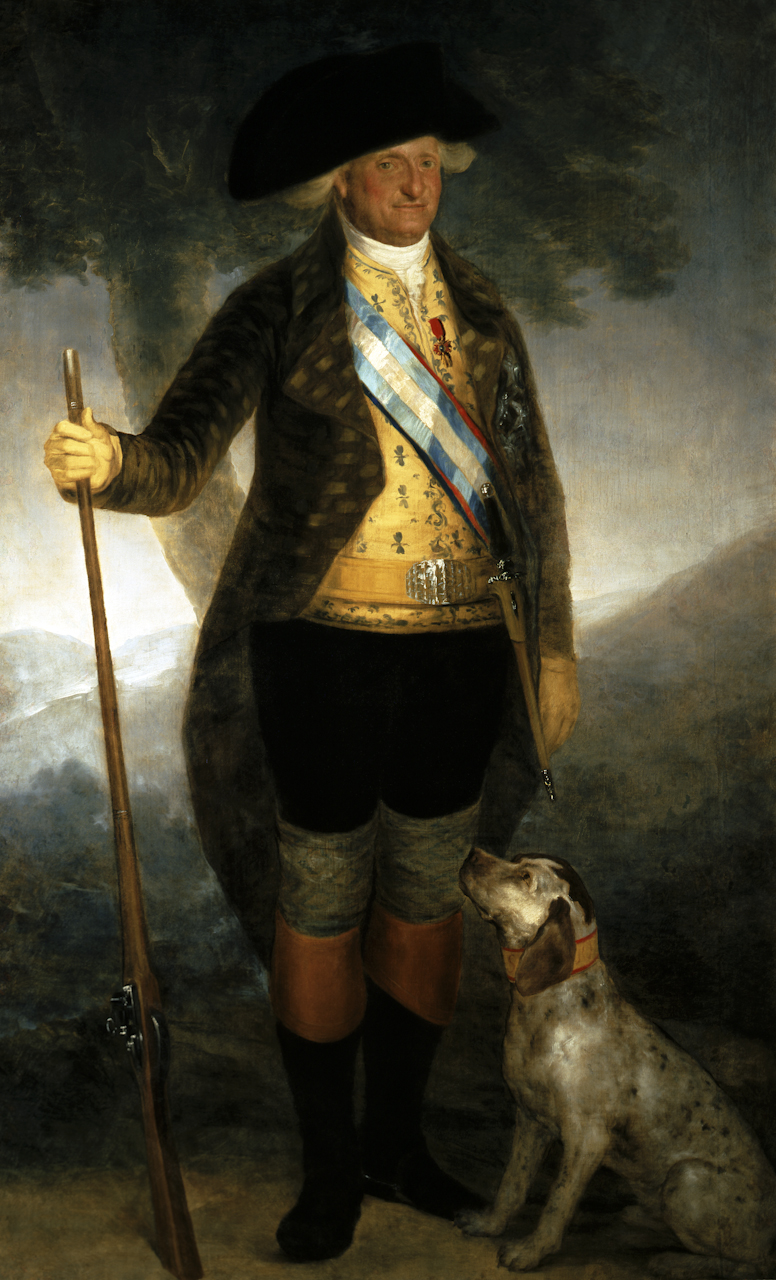
A 1790 painting by Francisco Goya showing Charles IV in hunting dress with a hunting dog. It is now in the Museo di Capodimonte in Naples.
Shows Charles IV as a sitter in hunting dress, commissioned by his daughter, which reveals how he wanted to be seen by family.
About this source
What it is
This is an oil painting by Francisco Goya that shows King Charles IV of Spain in hunting dress, accompanied by a hunting dog. It is dated 1790. The work was long thought to be a copy, but it has since been reattributed as an original work by Goya, produced late in the 18th century. It was commissioned by Charles's daughter, Maria Isabella of Spain, and sent to her. It is now held by the National Museum of Capodimonte in Naples.
Why it matters
Goya worked as a court painter to the royal family, although most of his paintings of them remain in the Prado Museum in Madrid. The portrait reflects the king's close family ties. The curator notes that Charles was born in Naples and that the painting links him to the Two Sicilies, the kingdom that his dynastic history connects to Naples. A portrait like this shows how rulers presented themselves to their families and courts.
Look closer
- What does the hunting dress and the dog tell you about how the king wanted to be seen?
- Why might a daughter commission a portrait of her father, and where did it end up?
- What might a portrait leave out about the king's actual power or his people?
This painting is part of the curated material that grounds the AI version of Charles IV of Spain on Humy.ai — when students ask about related events, the AI can quote it and cite it.
More Charles IV of Spain sources
Browse all 95 →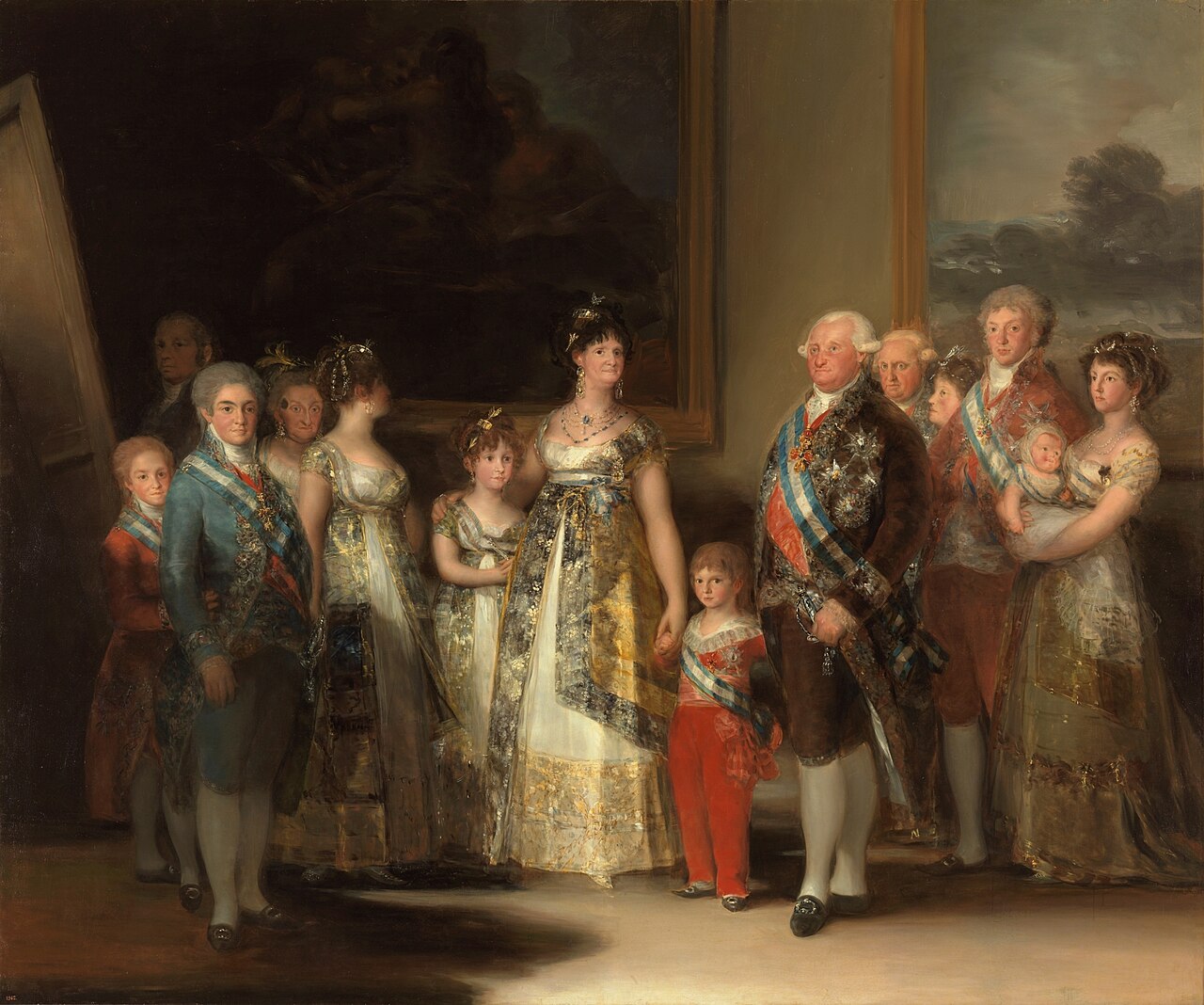 Painting
Primary source
Charles IV of Spain and His Family
Francisco Goya · 1800-1801
 Document
Primary source
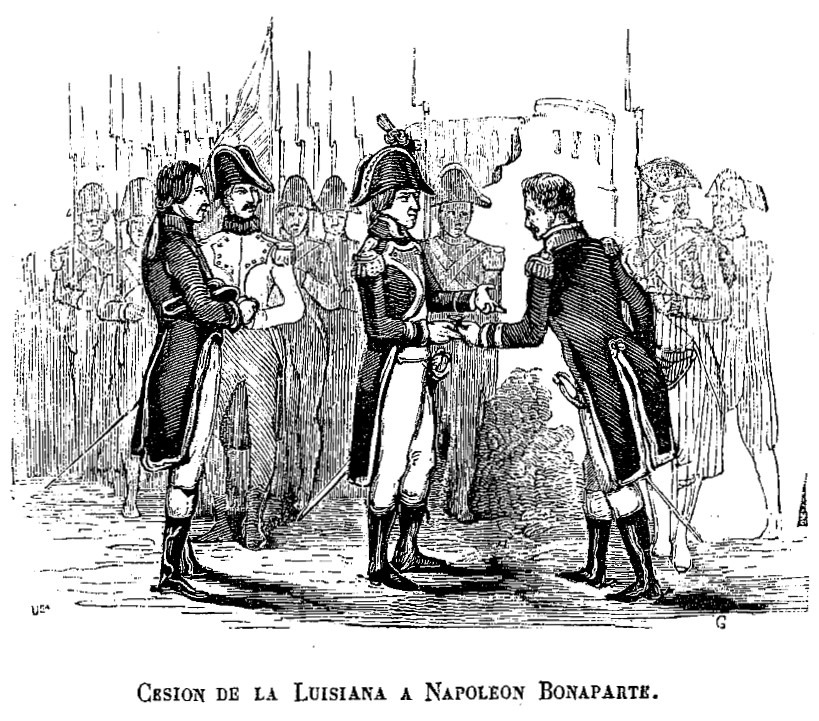
Treaty of San Ildefonso
1 October 1800
 Document
Primary source
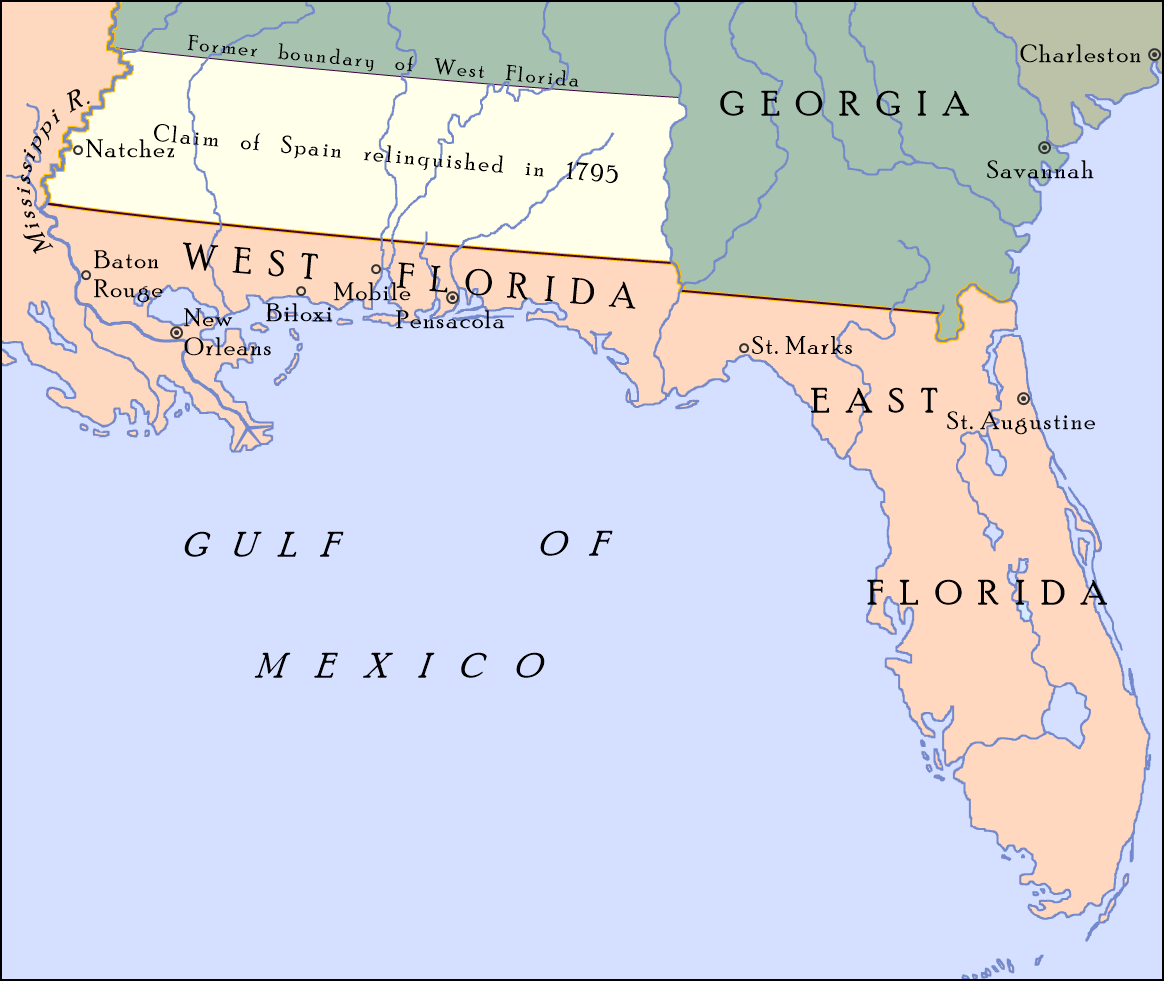
Pinckney's Treaty
27 October 1795
 Painting
Primary source
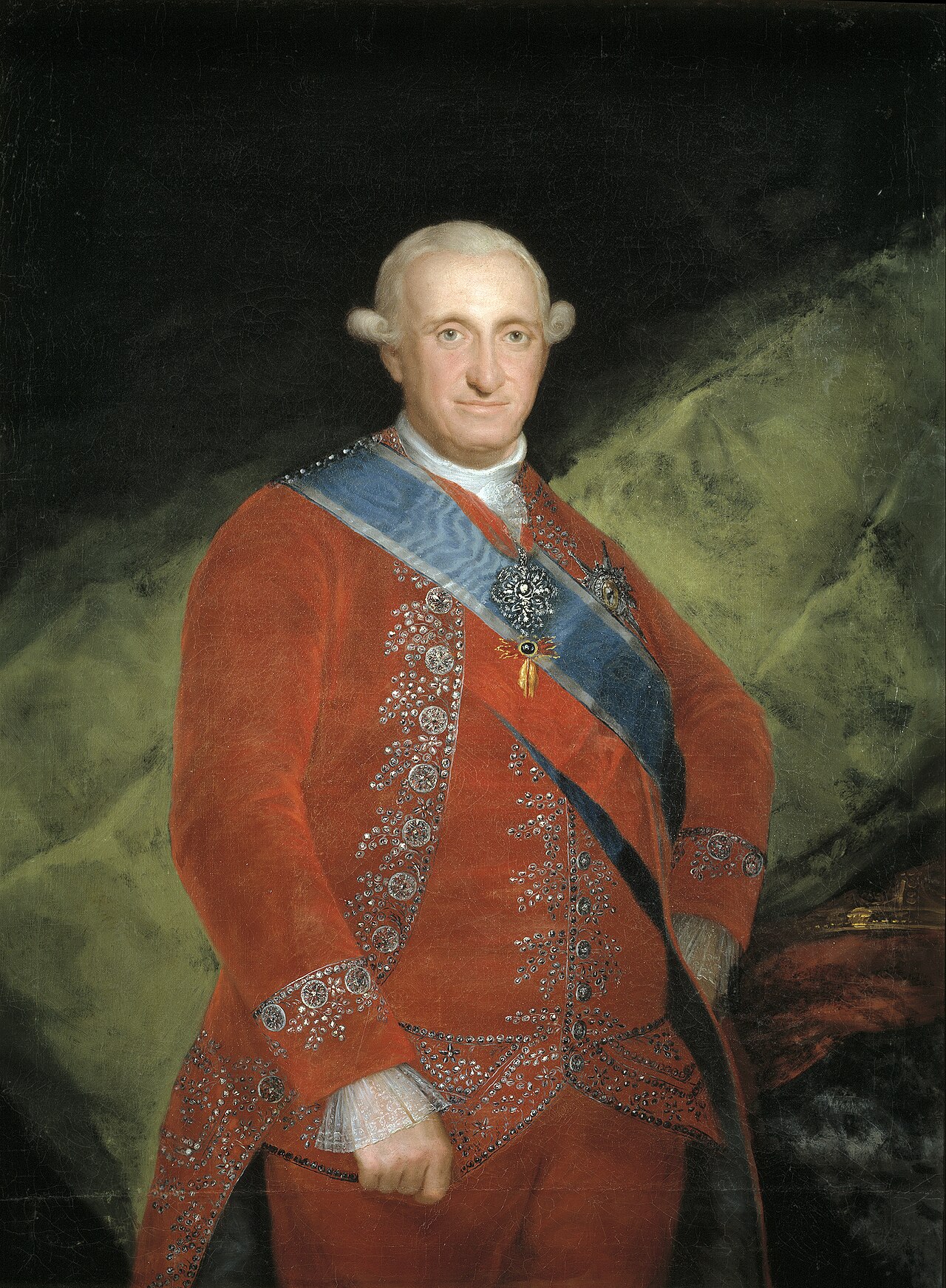
Charles IV in Red
Francisco Goya · 1789
Free account
Read every Charles IV of Spain source
Sign up free →
Ready when you are
Start chatting with Charles IV of Spain now.
20 messages free · No credit card · Available in 50+ languages.