


Primary sourcePainting
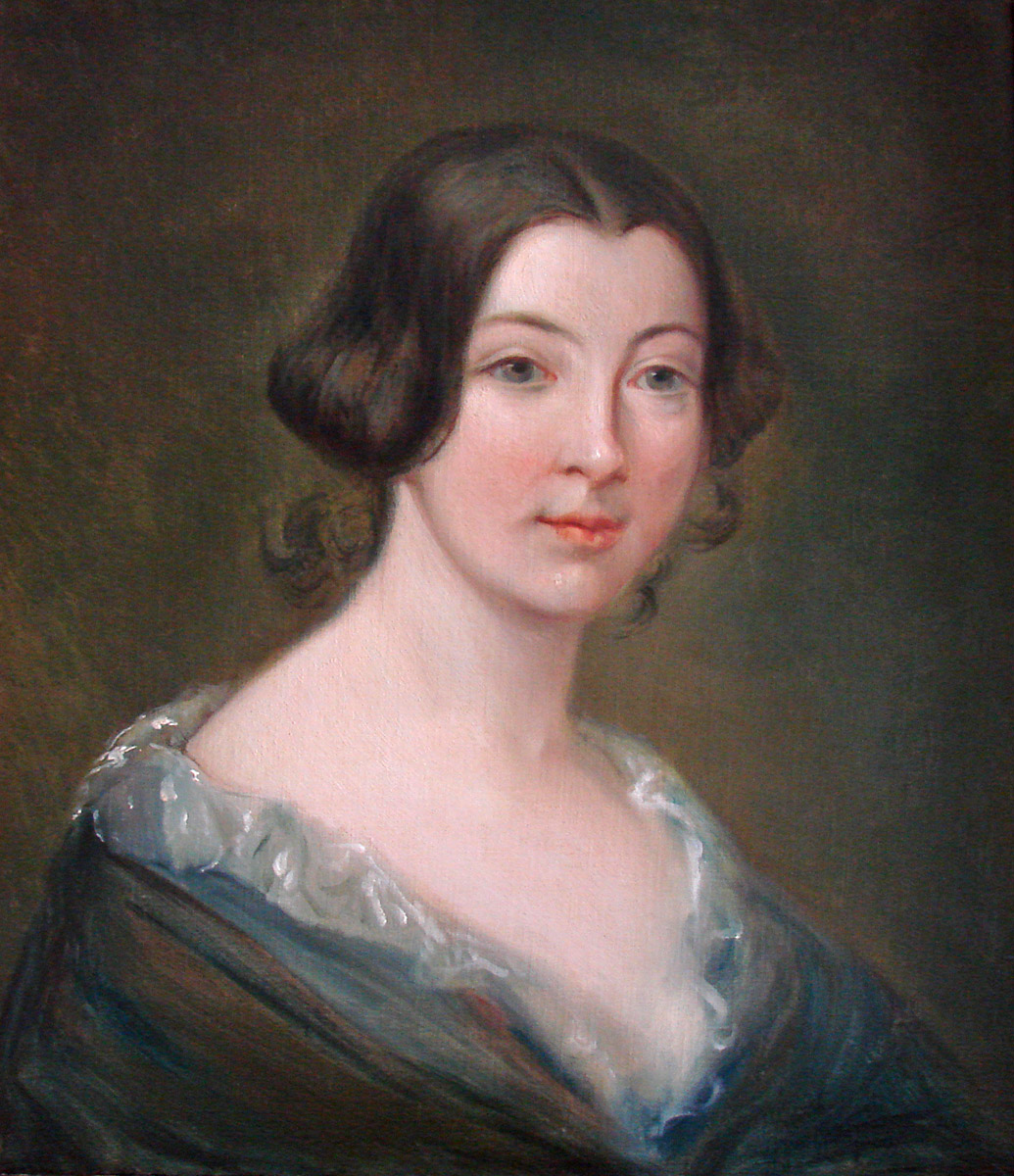
Portrait of Clotilde de Vaux
Antoine Étex
A painting of Clotilde de Vaux by Antoine Étex, kept in Auguste Comte's Paris salon as a focus of his private devotion.
Comte kept this portrait of Clotilde de Vaux in his salon as the focus of his daily devotion to her memory.
About this source
What it is
This painted portrait of Clotilde de Vaux by Antoine Étex hung in the salon of Auguste Comte's apartment at 10 rue Monsieur le Prince in Paris, above the chair she used to sit in when visiting him.
Why it matters
Comte met Clotilde de Vaux in 1845; she died the following year. Her memory became central to his later thought, inspiring him to imagine a new 'religion of Humanity'. Keeping her portrait in his home, in the exact spot she used to sit, shows how personal grief shaped his philosophical system.
Look closer
- Why would Comte keep this portrait in such a specific, meaningful place in his home?
- What does the placement of the portrait tell you about how Comte wanted to remember Clotilde?
- How might personal loss influence the ideas of a philosopher like Comte?
This painting is part of the curated material that grounds the AI version of Auguste Comte on Humy.ai — when students ask about related events, the AI can quote it and cite it.
More Auguste Comte sources
Browse all 81 →Primary source
System of Positive Polity
Auguste Comte · 1851–1854
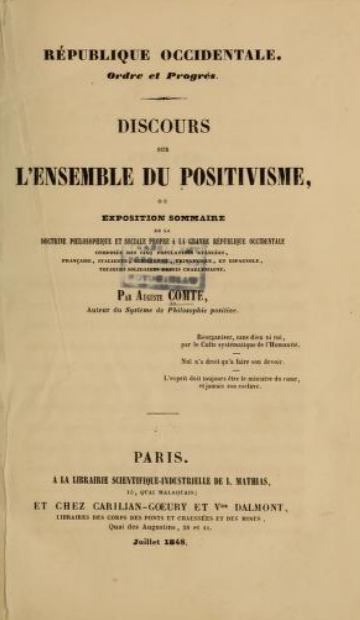 Book
Primary source
A General View of Positivism
Auguste Comte · 1848
 Letter
Primary source
Correspondence between Auguste Comte and John Stuart Mill
Auguste Comte and John Stuart Mill · 1841–1847
 Painting
Secondary source
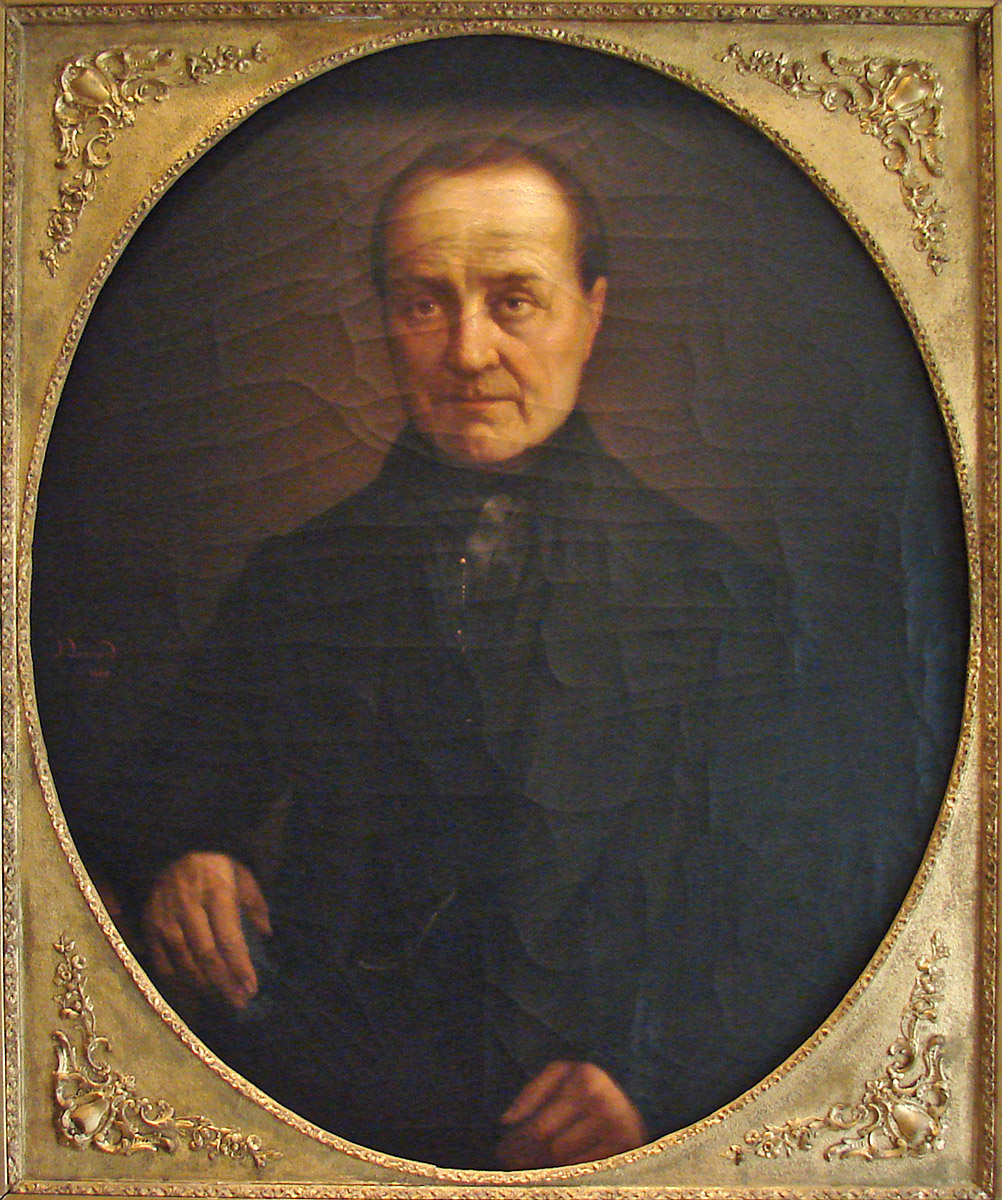
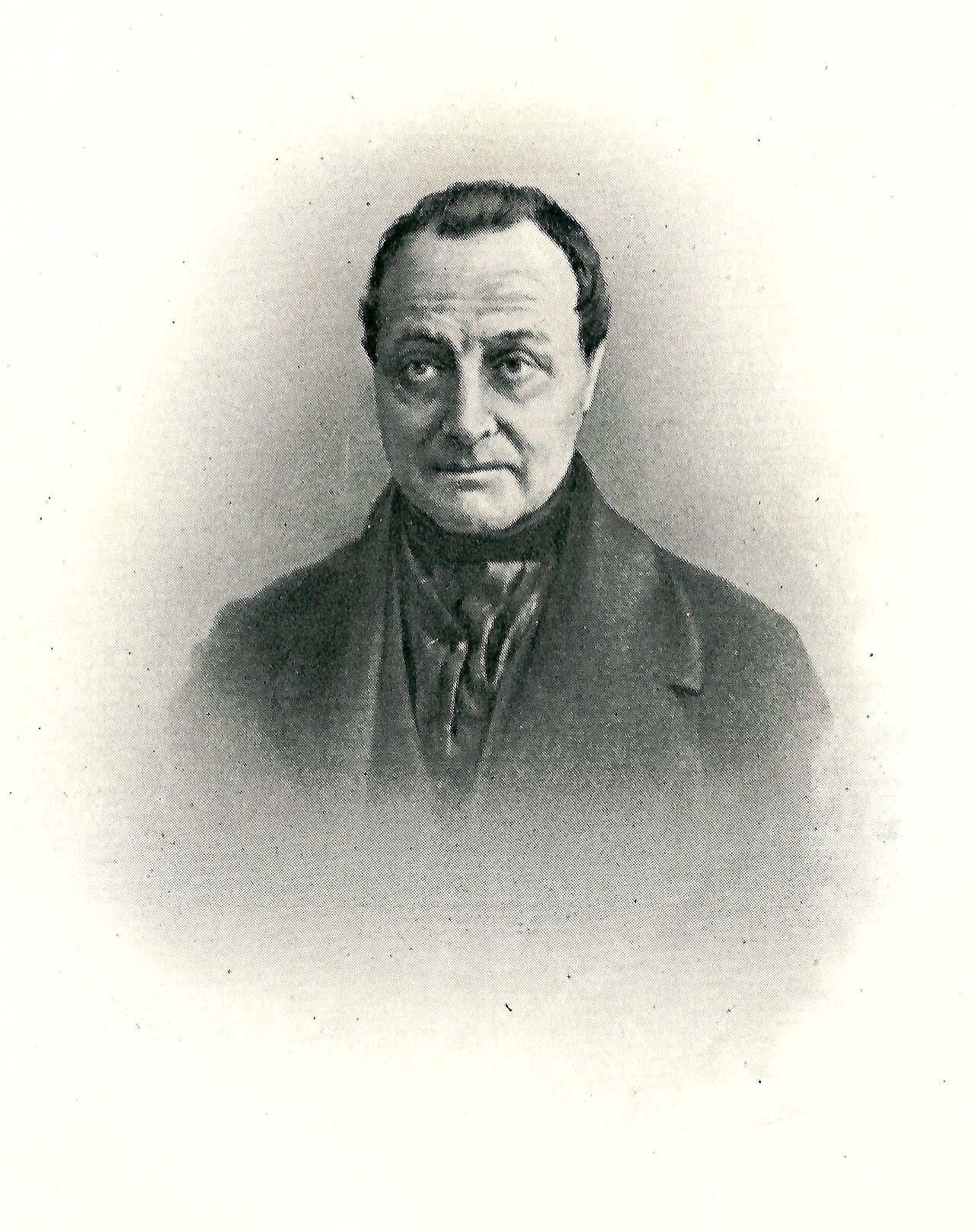
Portrait of Auguste Comte
Free account
Read every Auguste Comte source
Sign up free →
Ready when you are
Start chatting with Auguste Comte now.
20 messages free · No credit card · Available in 50+ languages.