


Primary sourcePaintingc. 1612-1614
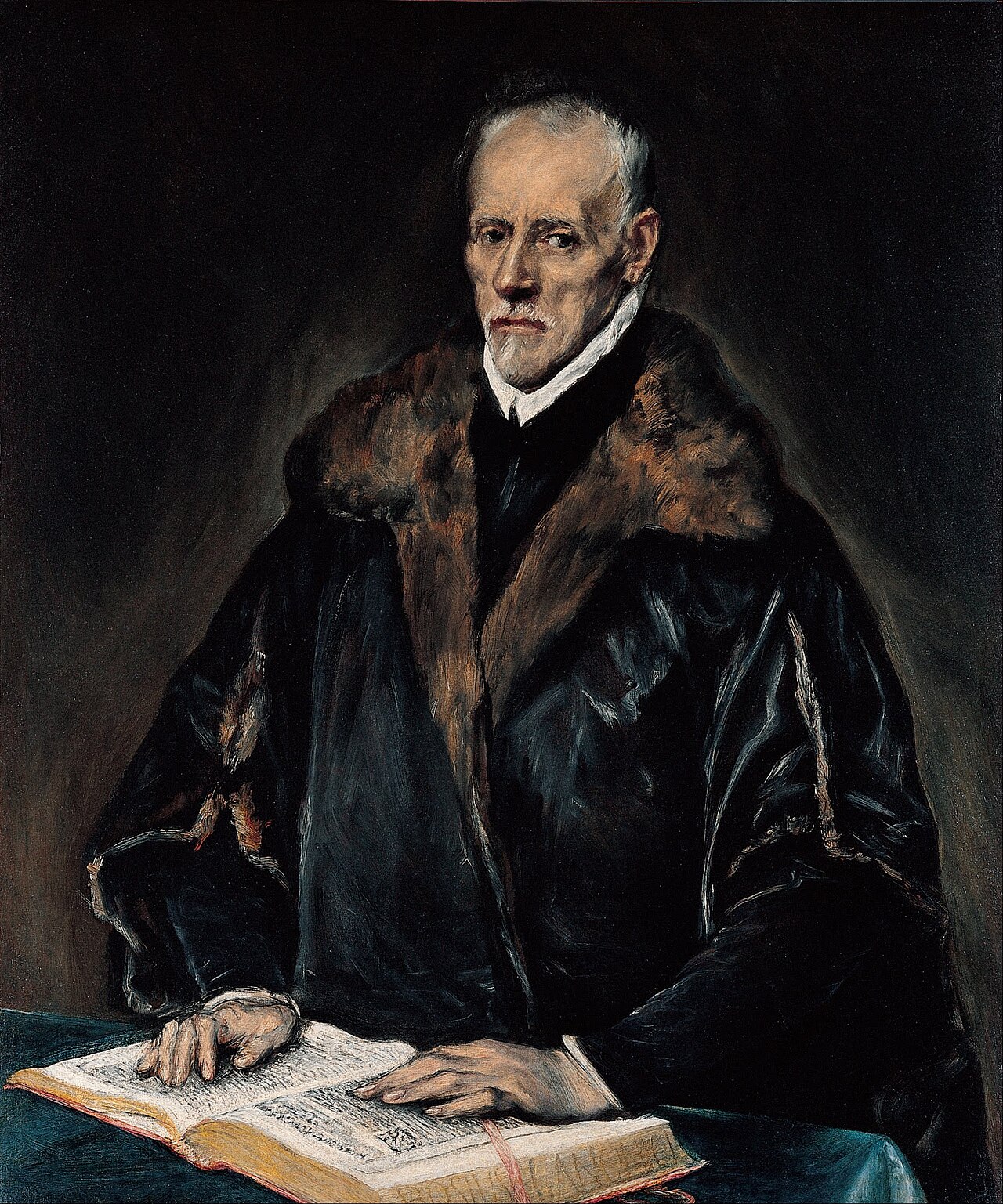
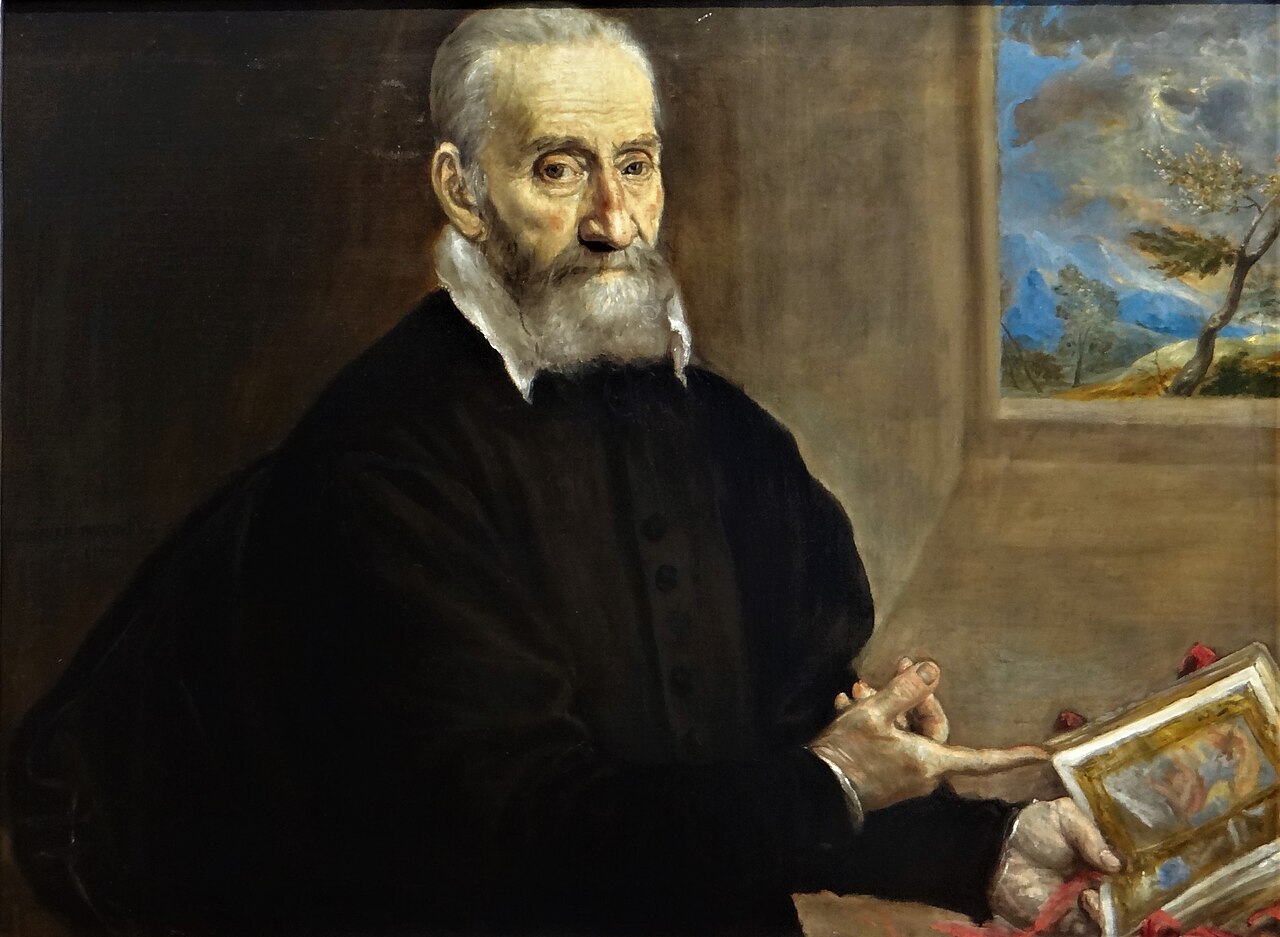
Portrait of Dr. Francisco de Pisa
El Greco · c. 1612-1614
A portrait by El Greco believed to show a Toledo cleric and historian, part of his late body of portrait work.
A portrait linking El Greco to Toledo's intellectual elite, showing his late realistic portrait style.
About this source
What it is
This oil painting was made by El Greco, likely around 1612-1614, and is now held at the Kimbell Art Museum in Fort Worth, Texas.
Most historians identify the sitter as Francisco de Pisa, a Spanish cleric, though a minority instead suggest it shows the Italian historian Giacomo Bosio, based on text visible in the open book in the painting.
Why it matters
Francisco de Pisa was known for criticizing the writings of Teresa of Ávila. The portrait connects El Greco to Toledo's intellectual and religious figures, and its pose echoes his Portrait of Cardinal Tavera, showing patterns in his late portraiture.
Look closer
- What does the sitter's position with the open book suggest about his identity or profession?
- Why might historians disagree about who is shown in this painting?
- How does this portrait compare in pose and mood to other portraits by El Greco?
This painting is part of the curated material that grounds the AI version of El Greco on Humy.ai — when students ask about related events, the AI can quote it and cite it.
More El Greco sources
Browse all 98 →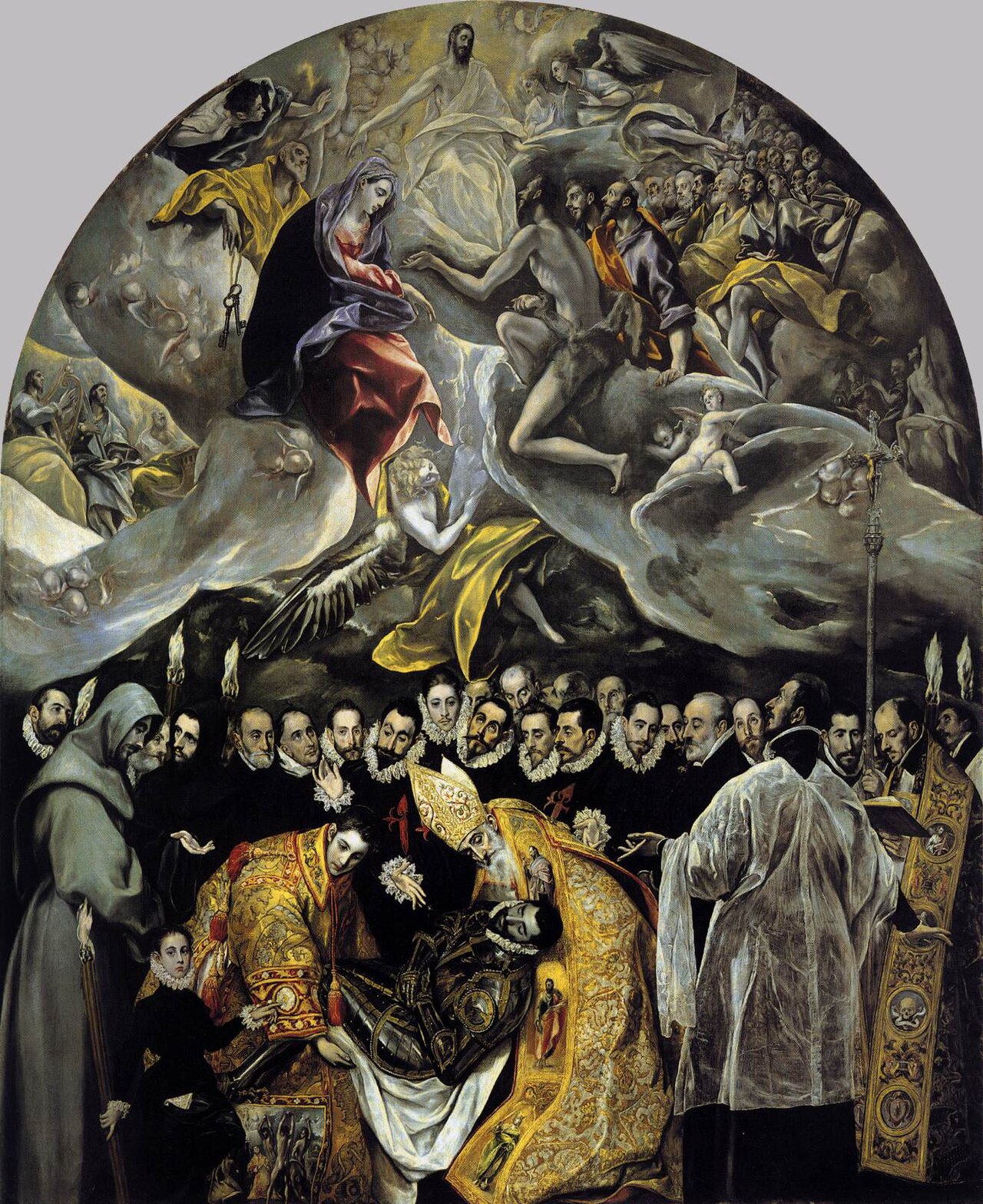 Painting
Primary source
The Burial of the Count of Orgaz
El Greco · 1586
 Painting
Primary source
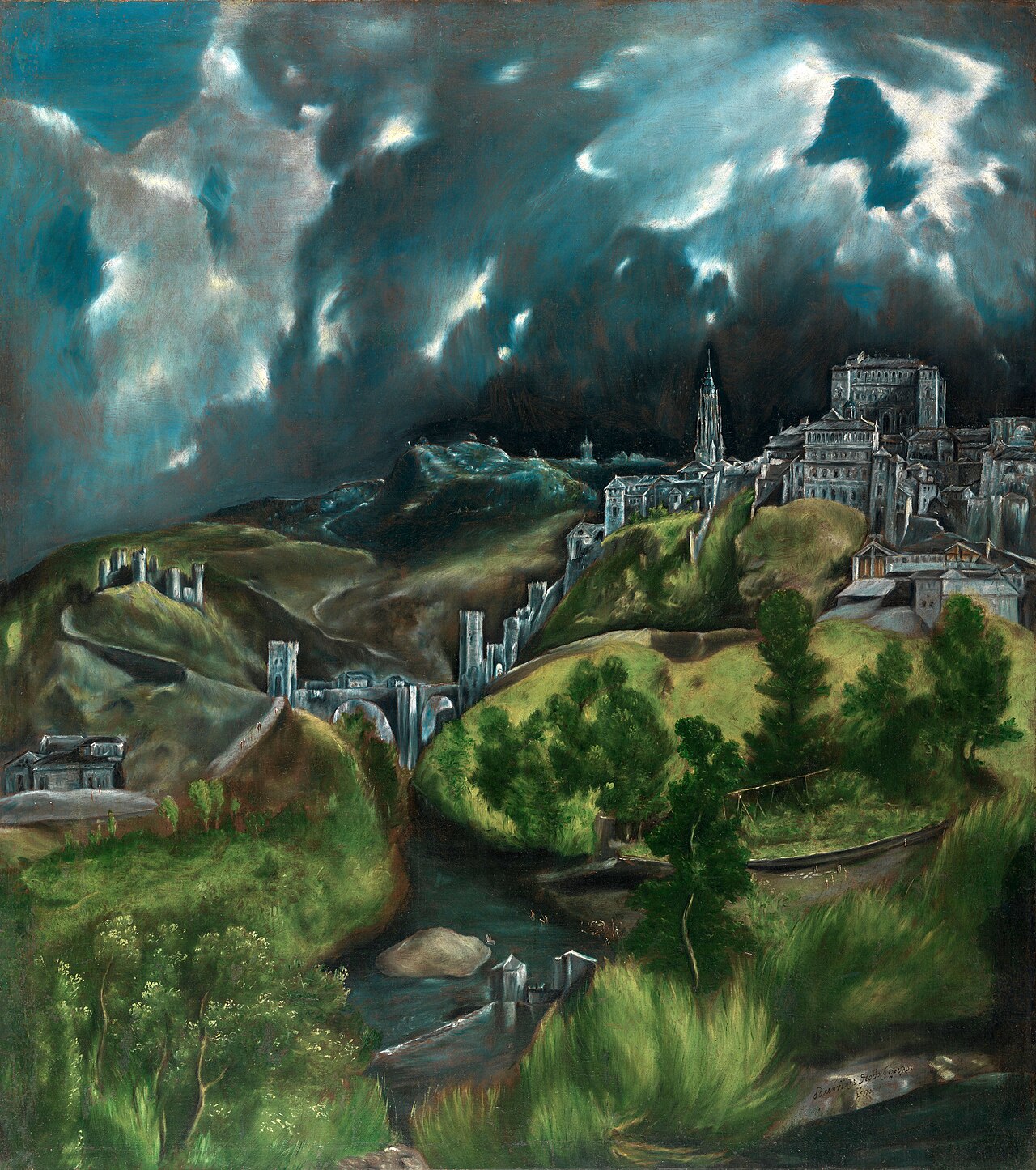
View of Toledo
El Greco · c. 1595-1600
 Painting
Primary source
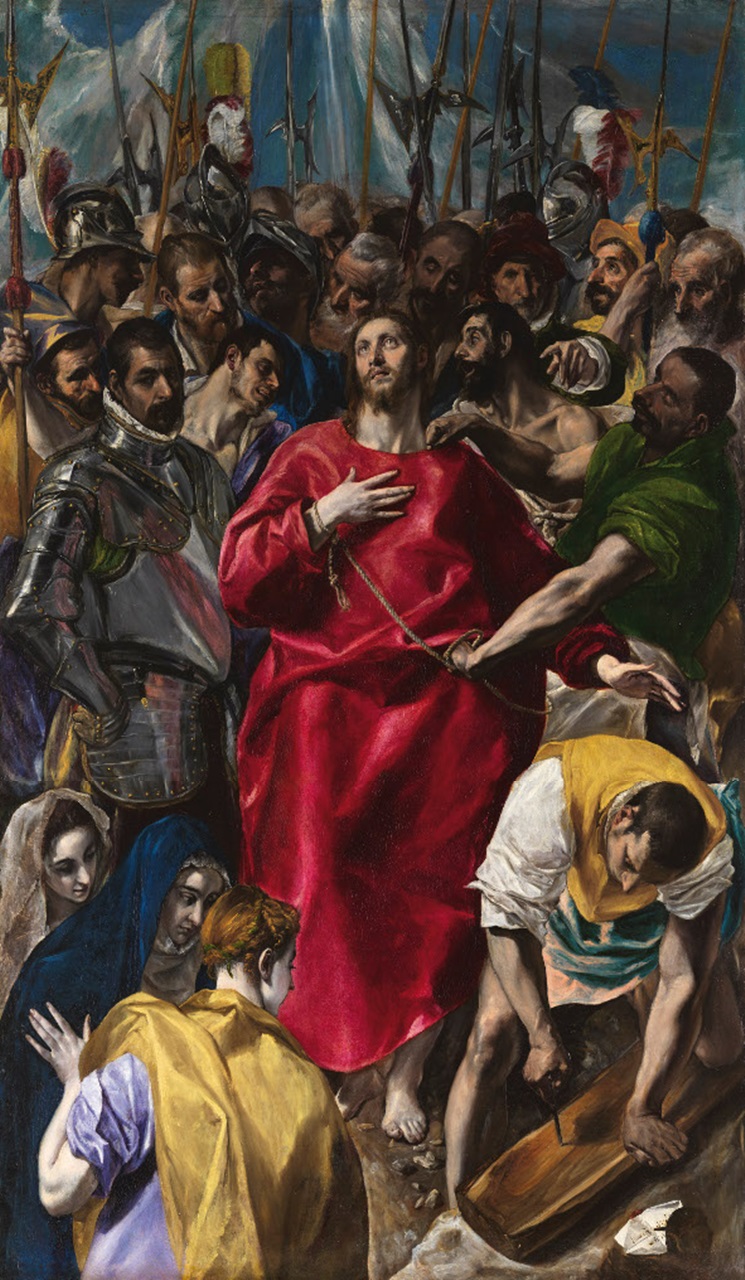
The Disrobing of Christ
El Greco · 1577-1579
 Painting
Primary source
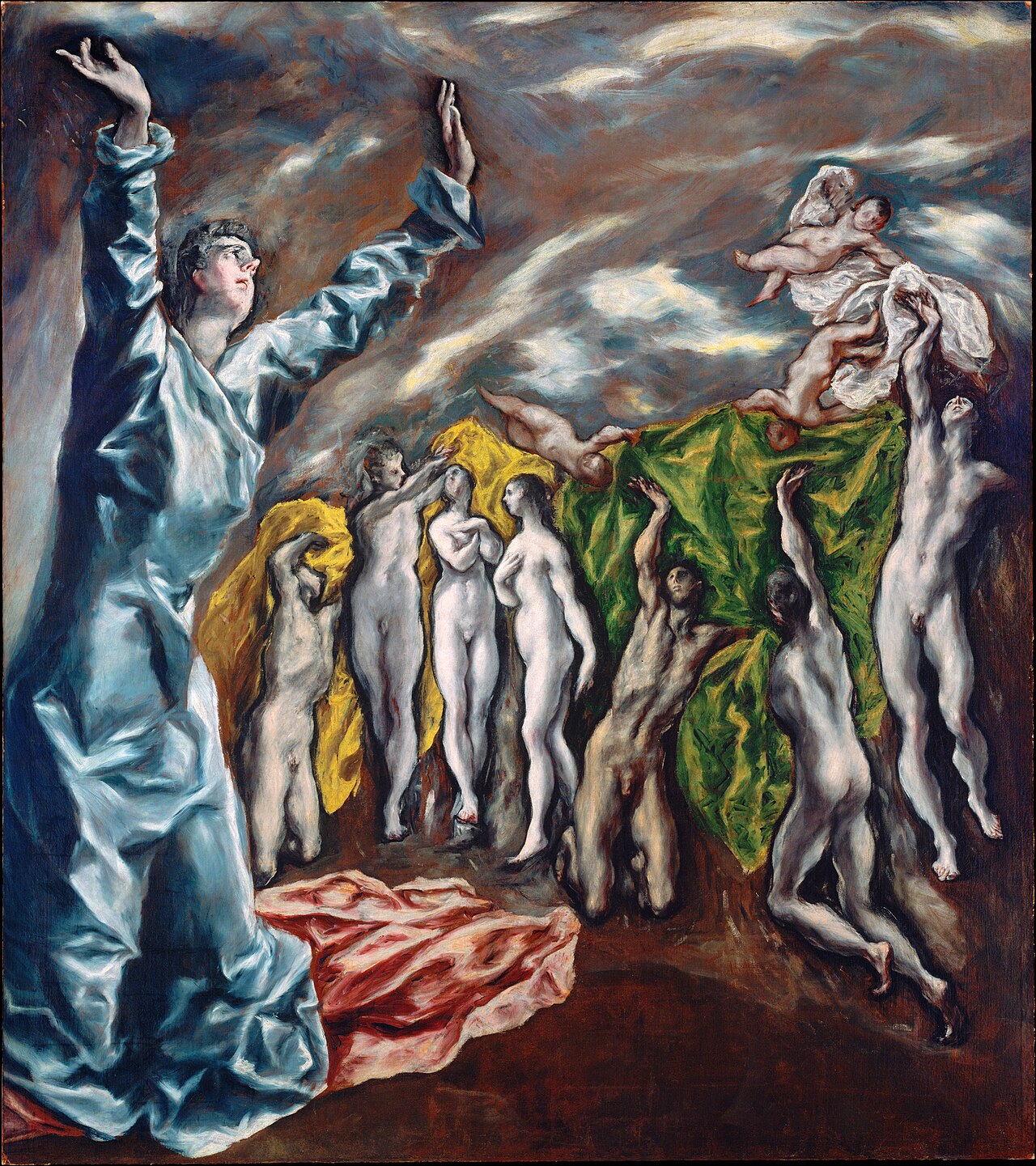
Opening of the Fifth Seal
El Greco · c. 1608-1614
Free account
Read every El Greco source
Sign up free →
Ready when you are
Start chatting with El Greco now.
20 messages free · No credit card · Available in 50+ languages.