


Secondary sourcePainting1650
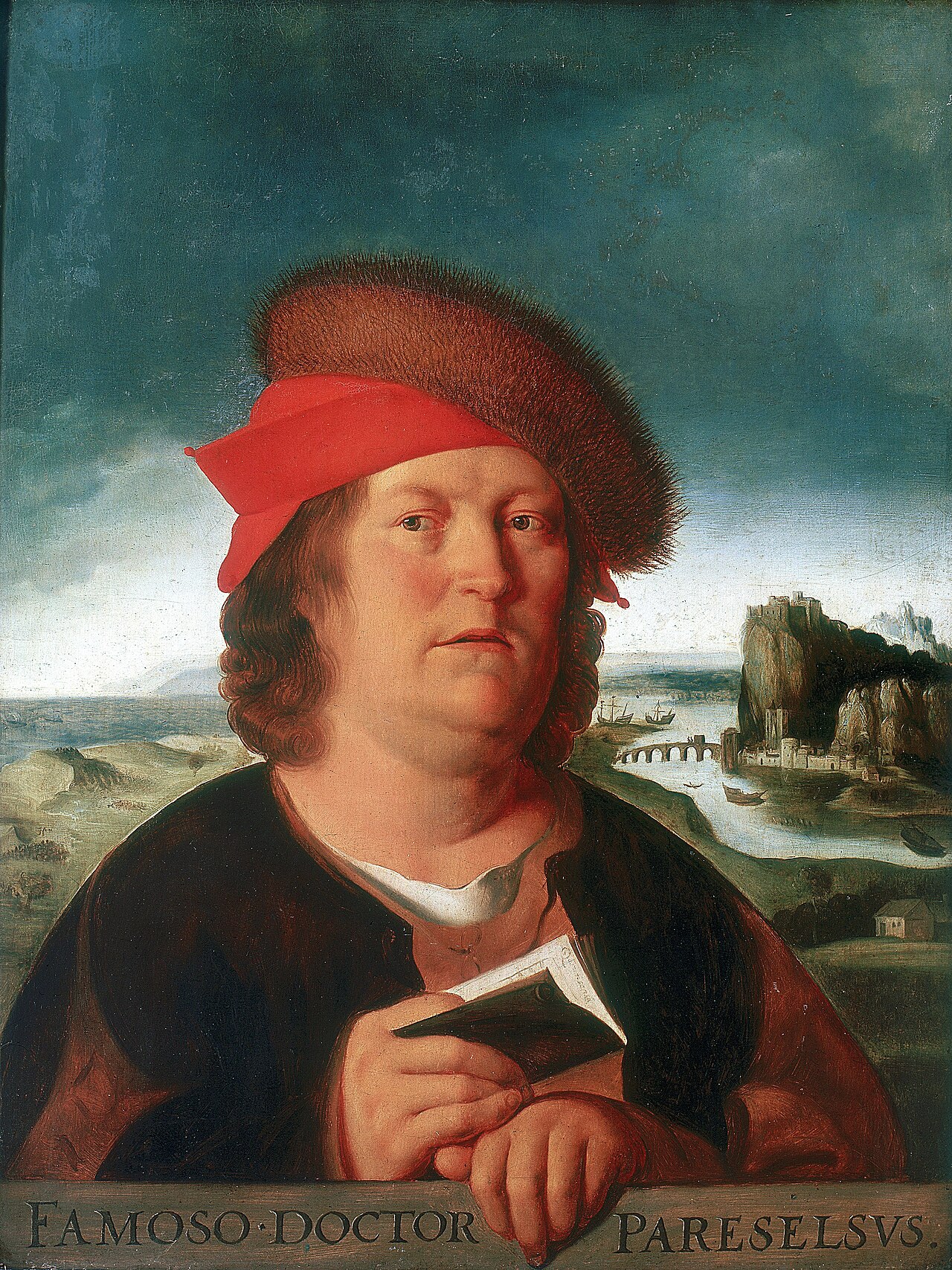
Portrait of een man voor een landschap, zogenaamd de arts Paracelsus
1650
A 17th-century painted copy, traditionally said to show Paracelsus, after an original by Quentin Matsys.
This painted copy is one of the traditional likenesses used to represent Paracelsus after his death.
About this source
What it is
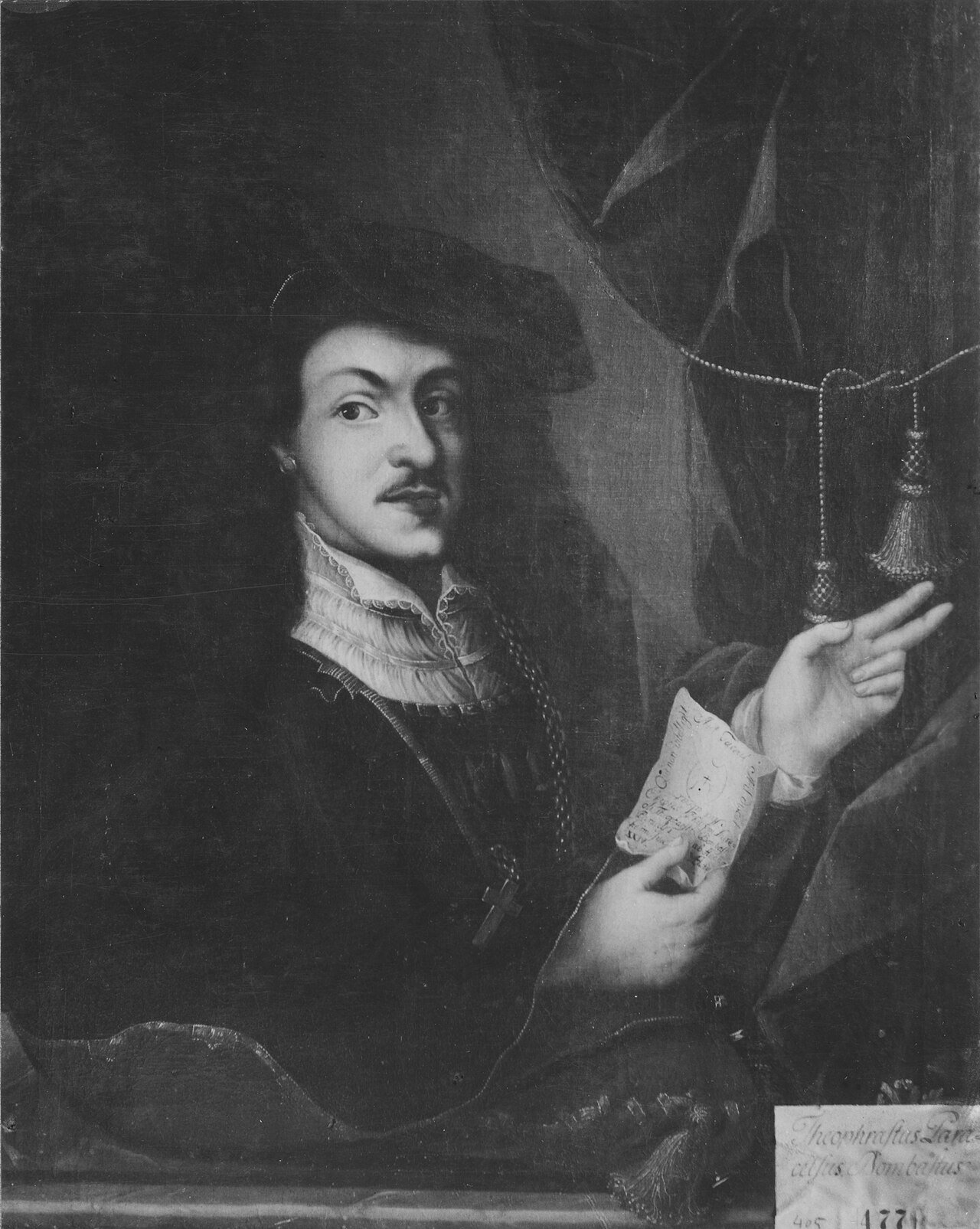
This painting, held in the Department of Paintings of the Louvre, is one of many anonymous 17th-century copies after a portrait type by Quentin Matsys. It is traditionally identified as showing Paracelsus, and an inscription at the bottom names him.
Why it matters
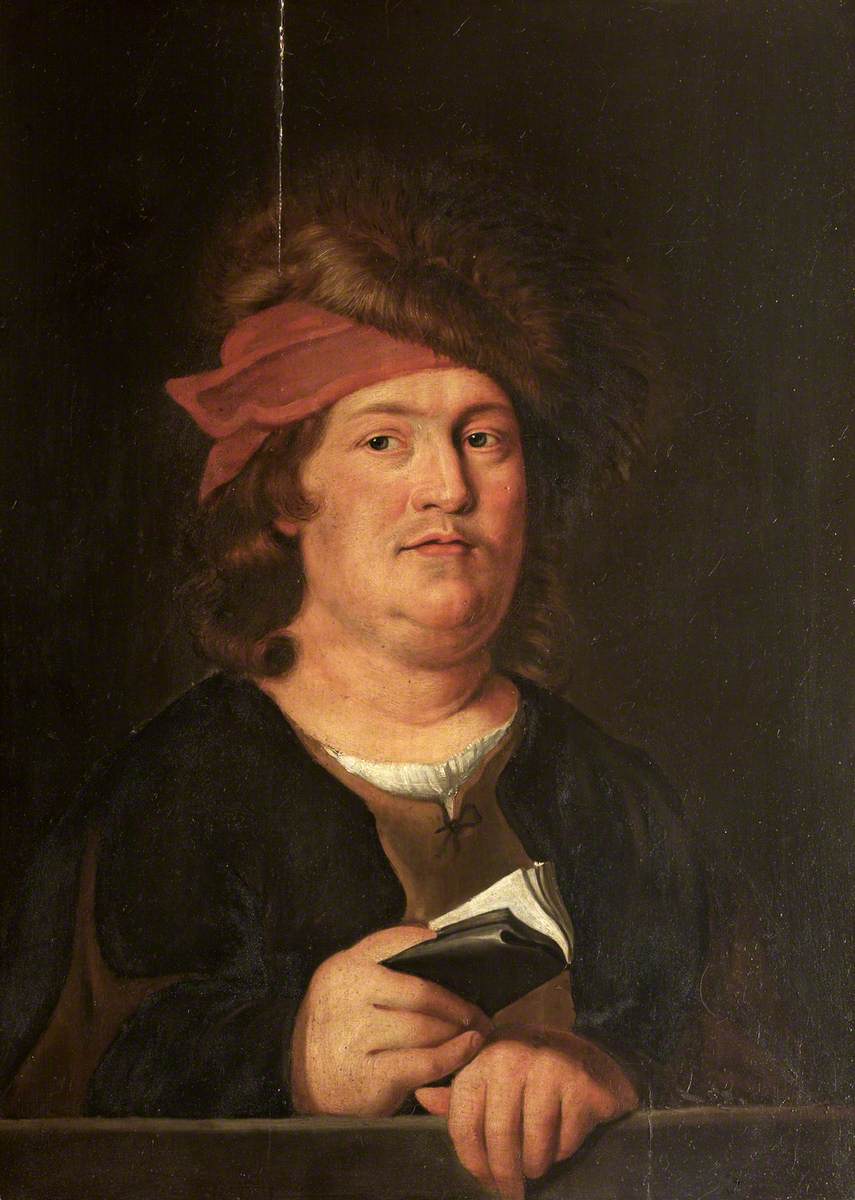
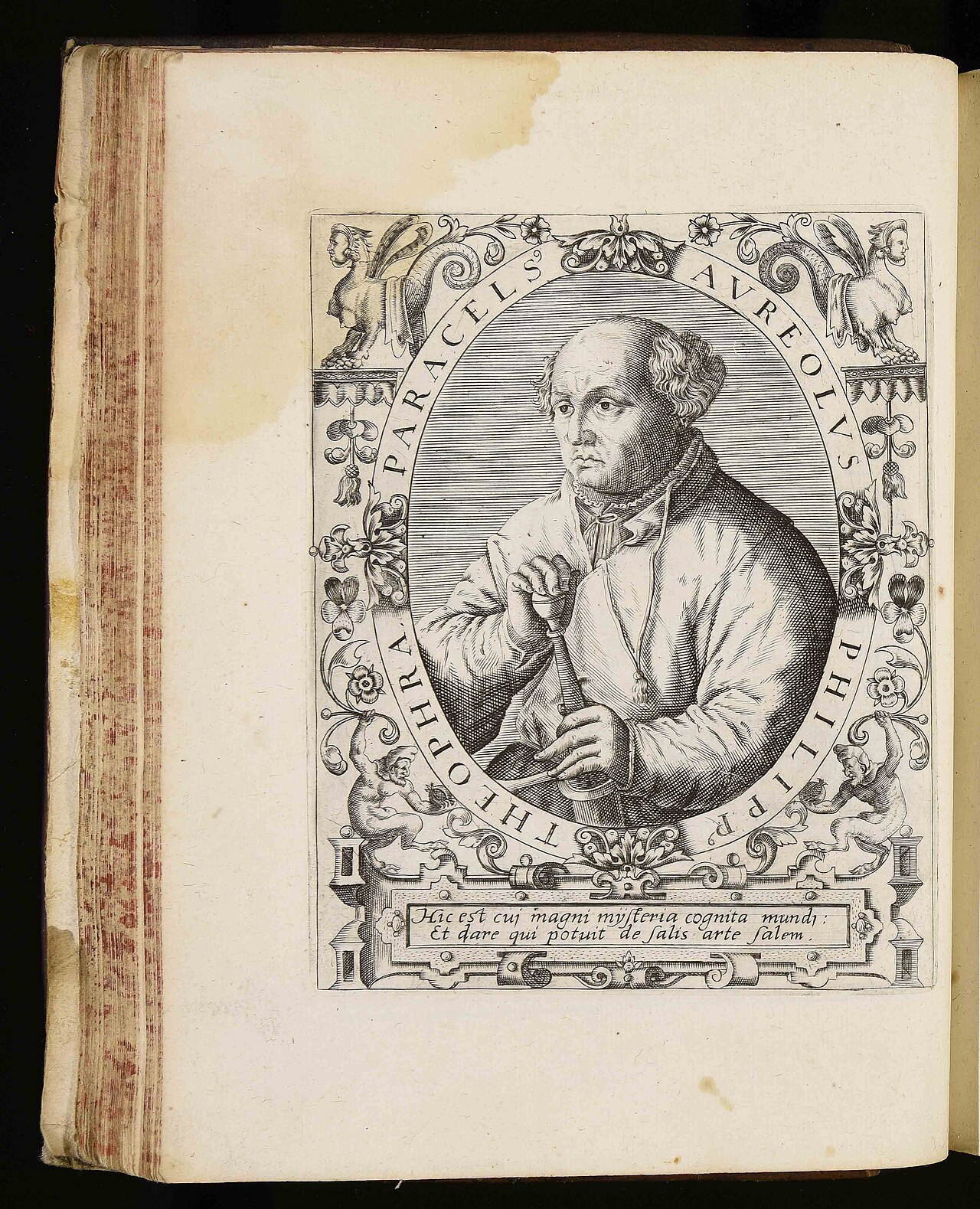
Because no certain portrait made during Paracelsus's lifetime survives, images like this one shaped how later generations imagined his appearance. Its repeated copying shows how important his memory remained long after his death.
Look closer
- The inscription calls him
This painting is part of the curated material that grounds the AI version of Paracelsus on Humy.ai — when students ask about related events, the AI can quote it and cite it.
More Paracelsus sources
Browse all 87 →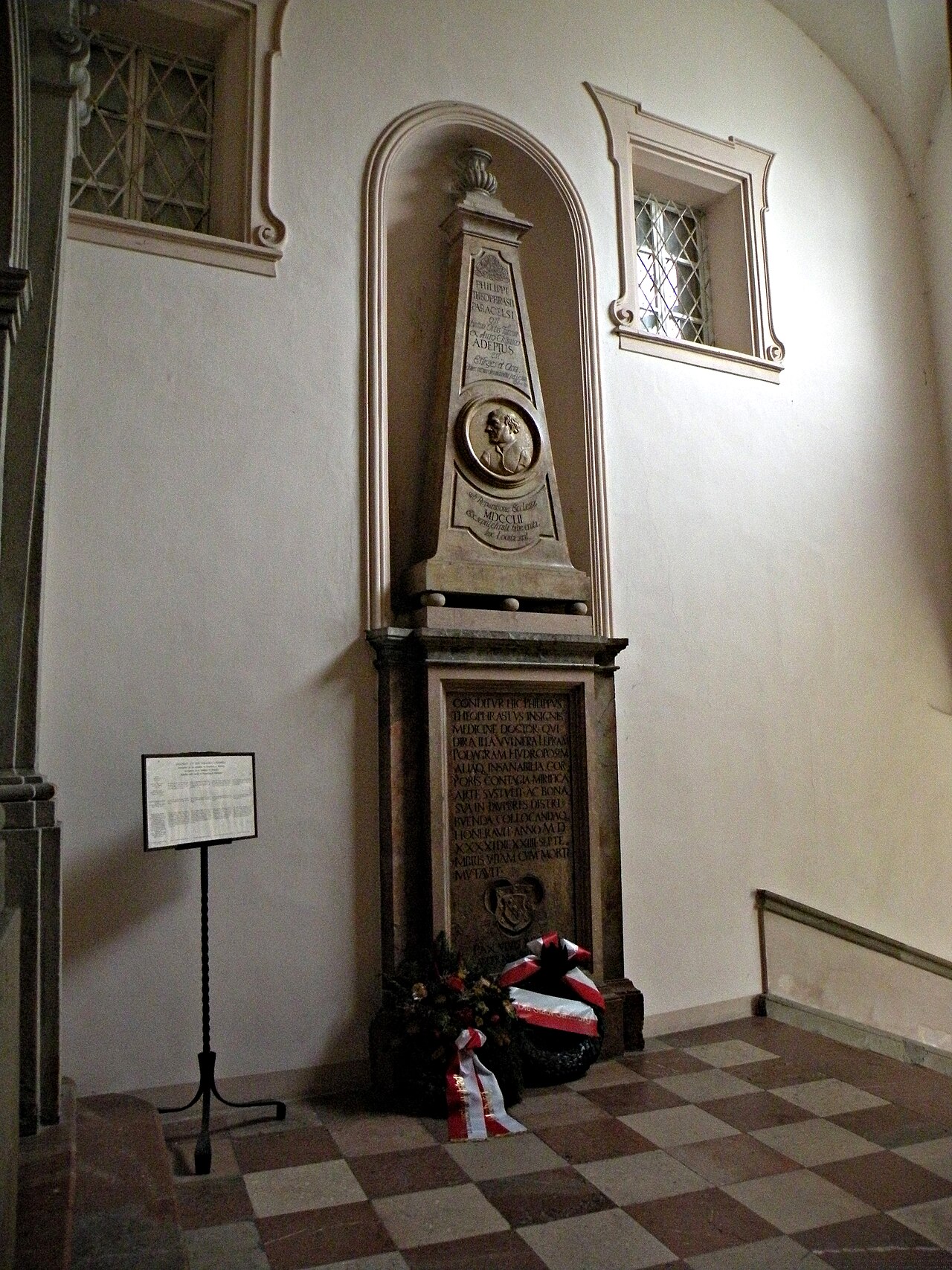 Artifact
Secondary source
Grave of Paracelsus
 Painting
Secondary source
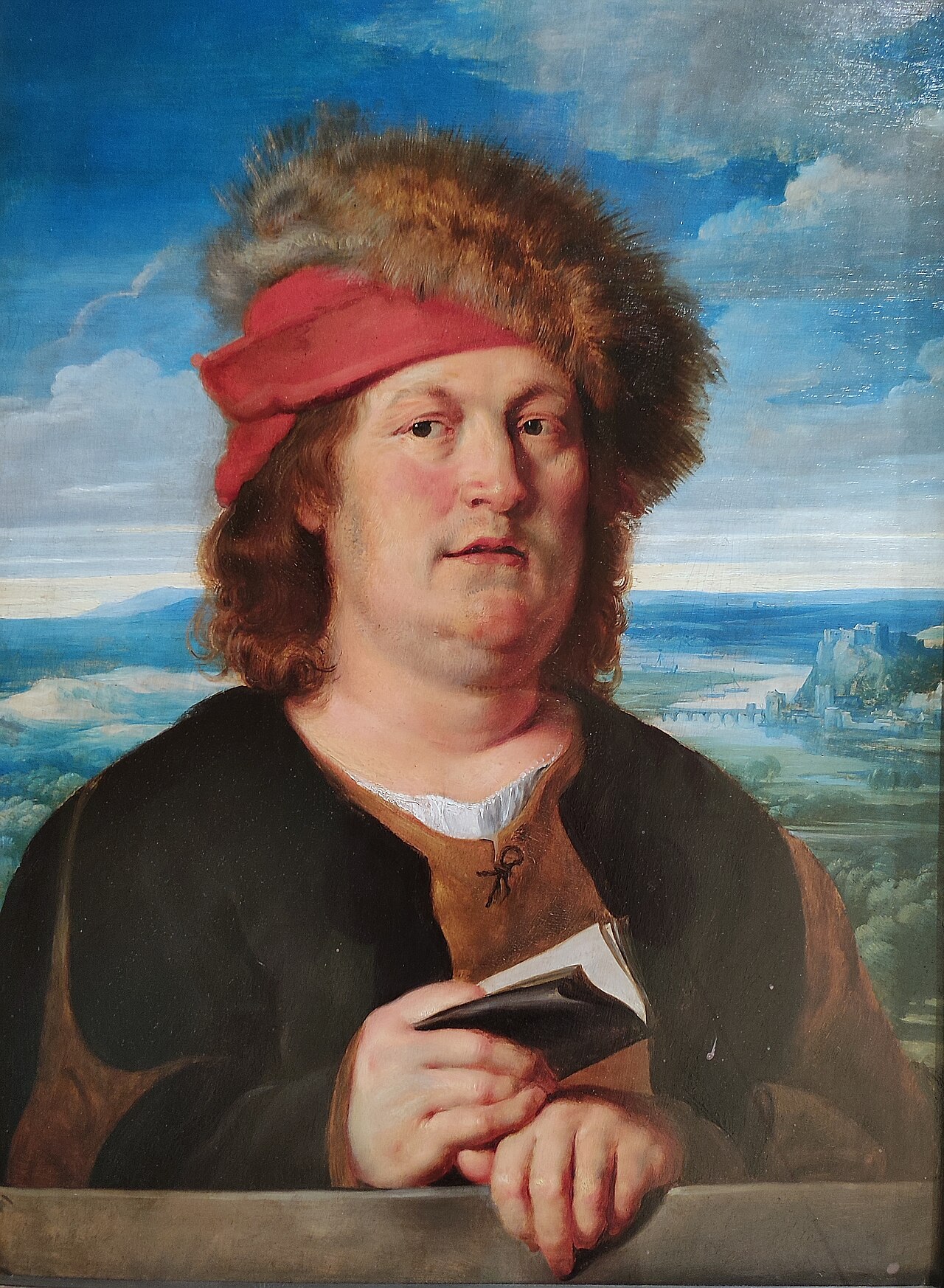
Portrait of Paracelsus
Peter Paul Rubens · 1625
PaintingSecondary source
Portrait of Paracelsus
 Painting
Secondary source
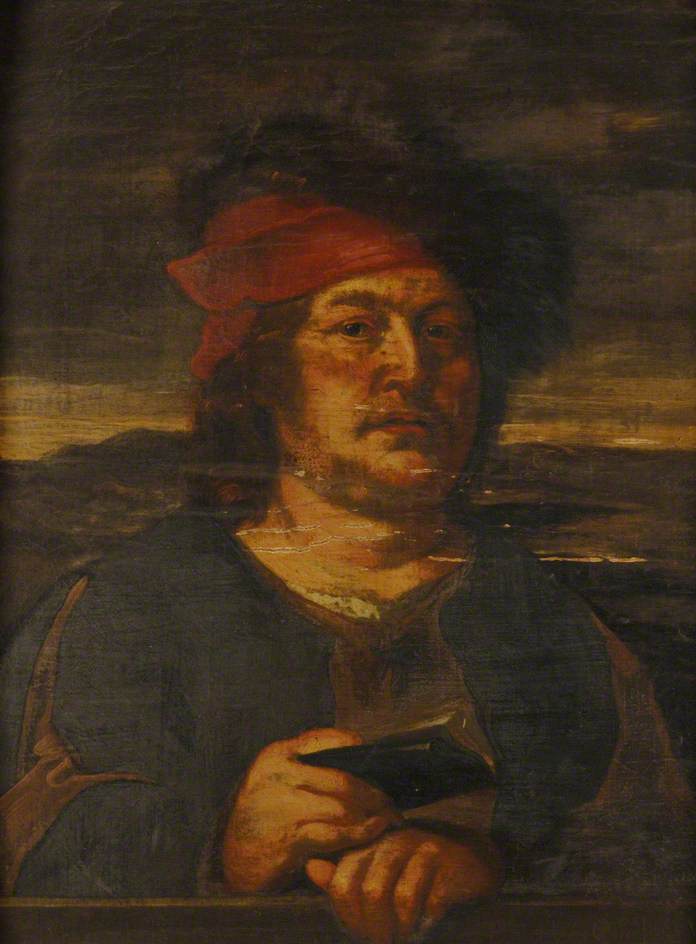
Paracelsus (Theophrastus Bombastus von Hohenheim)
Peter Paul Rubens (after)
Free account
Read every Paracelsus source
Sign up free →
Ready when you are
Start chatting with Paracelsus now.
20 messages free · No credit card · Available in 50+ languages.