


Primary sourcePainting1806
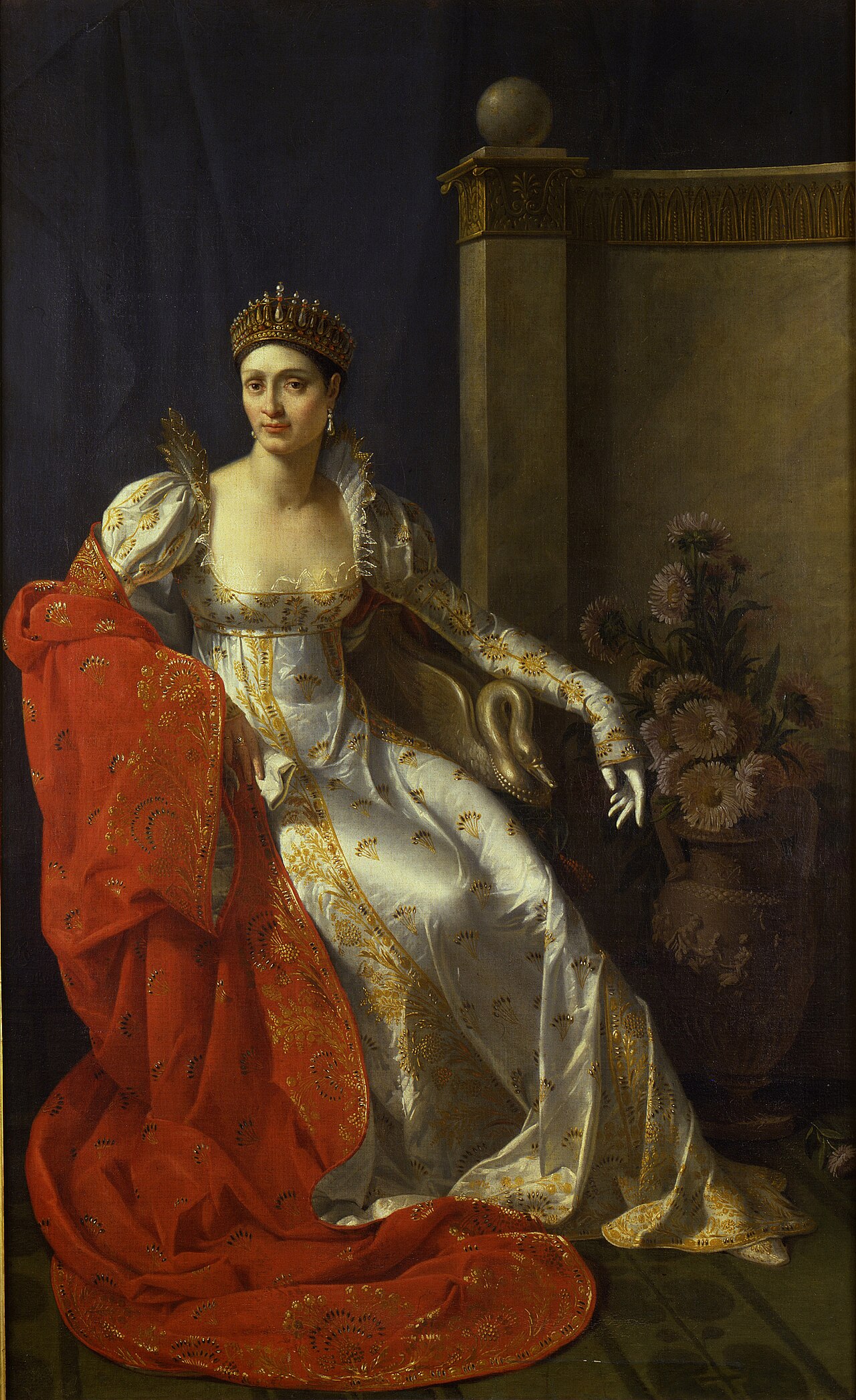
Portrait of Elisa Bonaparte, Grand Duchess of Tuscany
Marie-Guillemine Benoist · 1806
An 1806 painted portrait of Elisa Bonaparte, the ruler of Lucca whom Paganini served as a musician.
Elisa Bonaparte employed Paganini as a court musician at Lucca, linking him to her rule.
About this source
What it is
This is a full-length painting from 1806 by Marie-Guillemine Benoist, showing a seated woman in a white gold-embroidered gown and a large red embroidered shawl, wearing a jeweled tiara and earrings. She sits beside a gilded swan-headed armrest, a stone pedestal with a sphere, and a vase of asters. The sitter is Elisa Bonaparte, Grand Duchess of Tuscany.
Why it matters
Elisa Bonaparte ruled Lucca, where Paganini worked as a musician in her court. This portrait shows the kind of powerful patron whose court supported and employed celebrated performers like Paganini, linking his career to the political world of Napoleonic Europe.
Look closer
- What do the clothing, jewels and setting tell you about Elisa Bonaparte's status and power?
- Why would a court like hers want to employ a famous musician such as Paganini?
- What does this painting leave out about the relationship between ruler and musician?
This painting is part of the curated material that grounds the AI version of Niccolò Paganini on Humy.ai — when students ask about related events, the AI can quote it and cite it.
More Niccolò Paganini sources
Browse all 93 →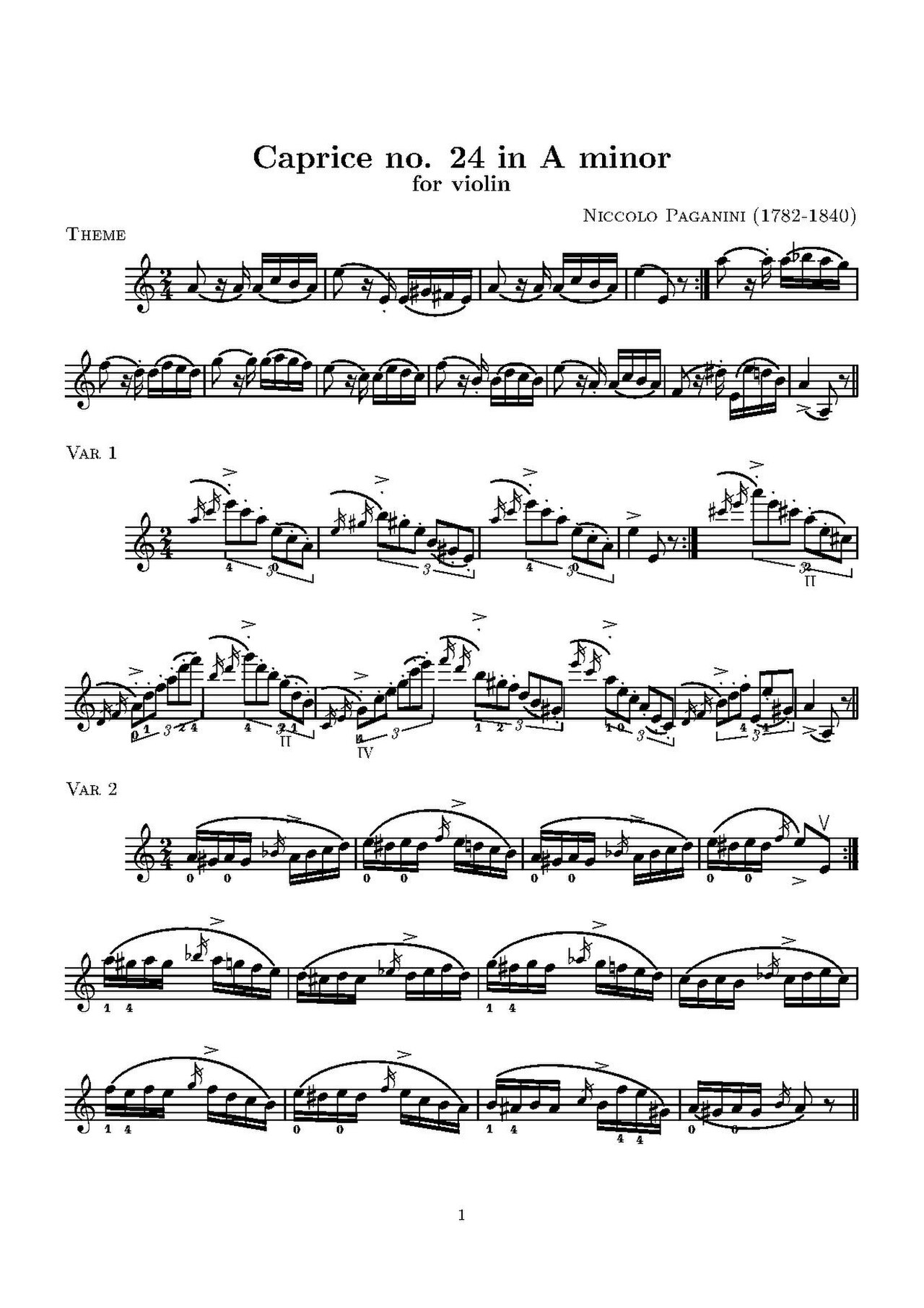 Book
Primary source
24 Caprices for Solo Violin
Niccolò Paganini · 1802–1817
 Artifact
Primary source
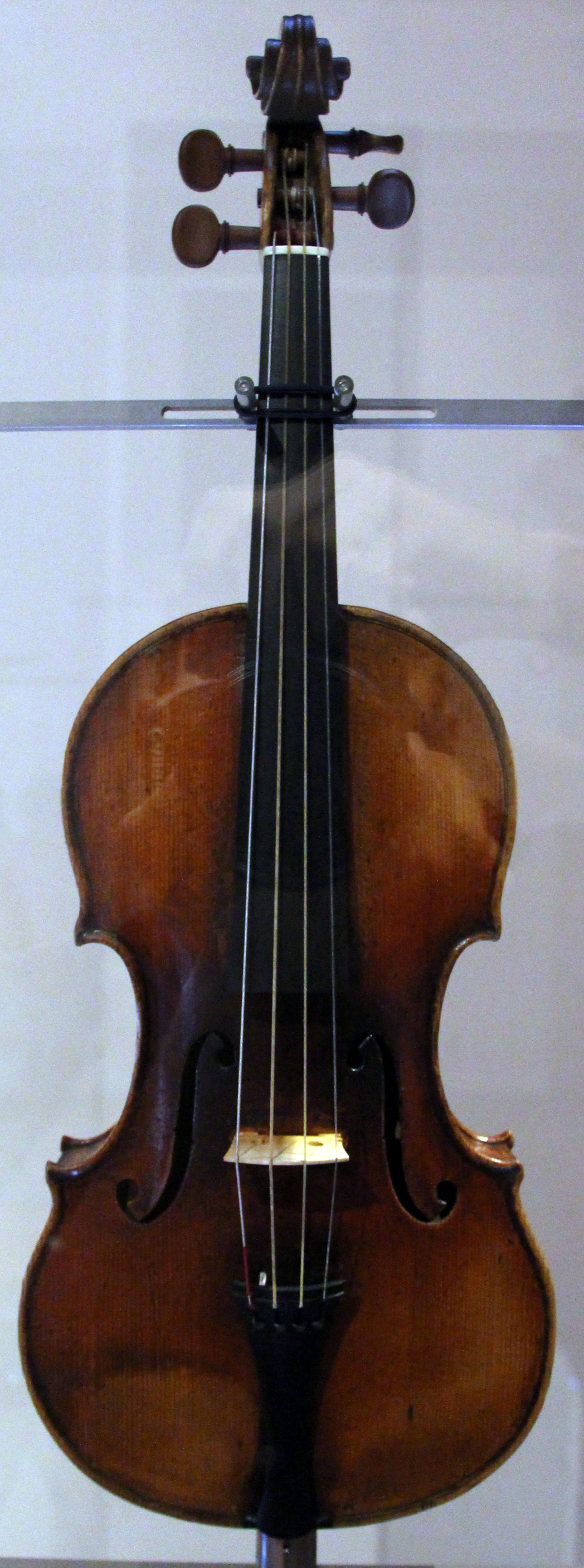
Il Cannone Guarnerius
Giuseppe Guarneri · 1743
 Document
Primary source
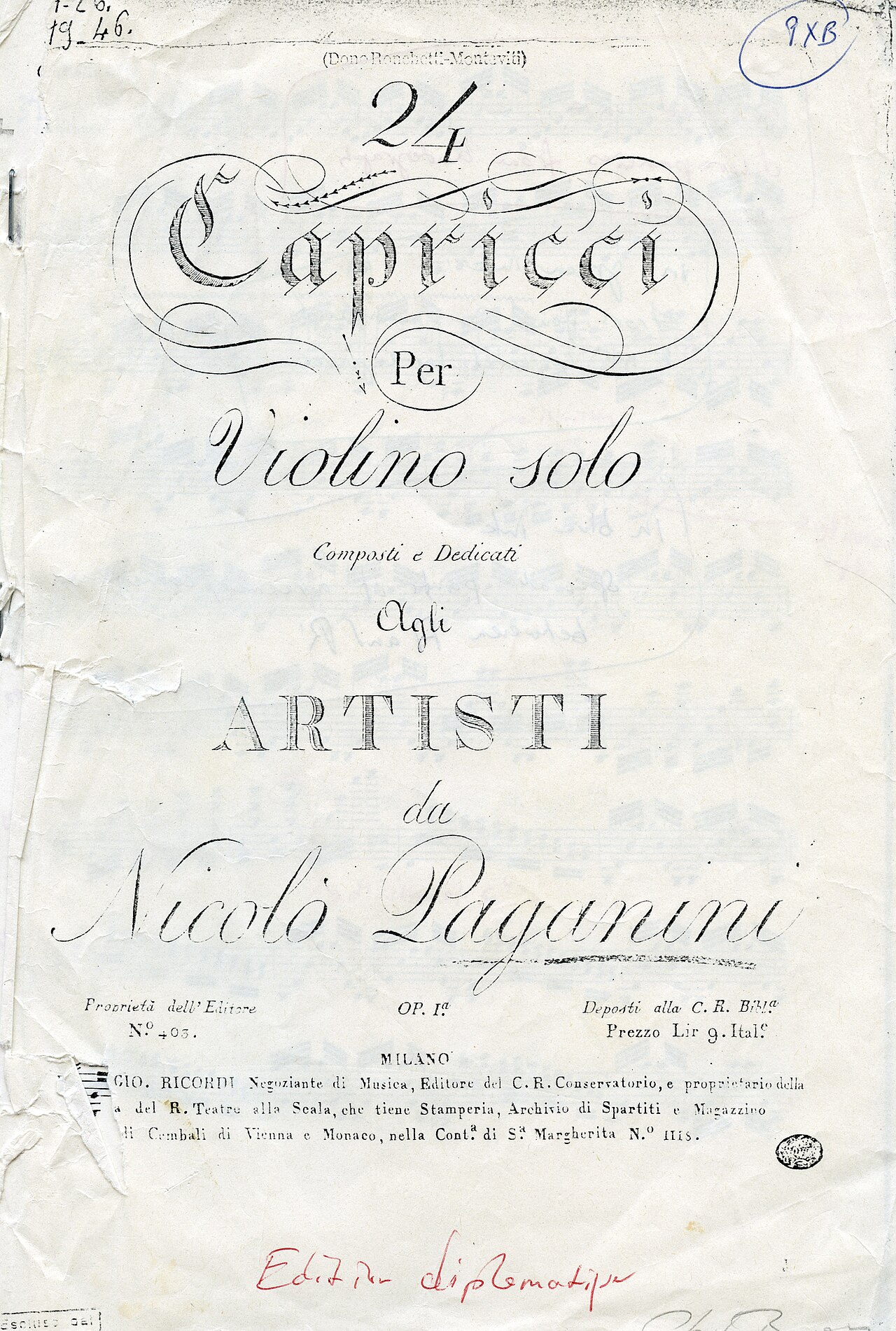
24 Capricci, prima edizione, Ricordi 1820
Niccolò Paganini · 1820
 Painting
Primary source
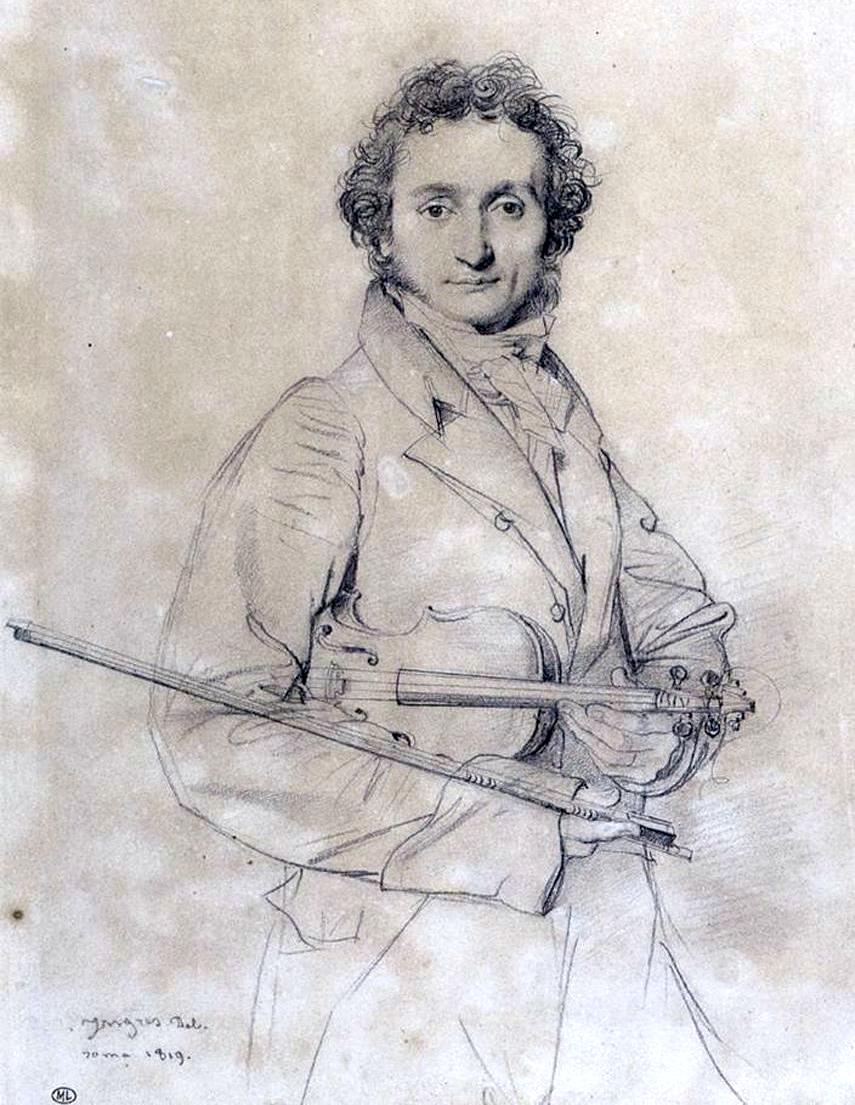
Portrait of Niccolò Paganini
Jean-Auguste-Dominique Ingres · 1819
Free account
Read every Niccolò Paganini source
Sign up free →
Ready when you are
Start chatting with Niccolò Paganini now.
20 messages free · No credit card · Available in 50+ languages.