


Primary sourcePainting1896
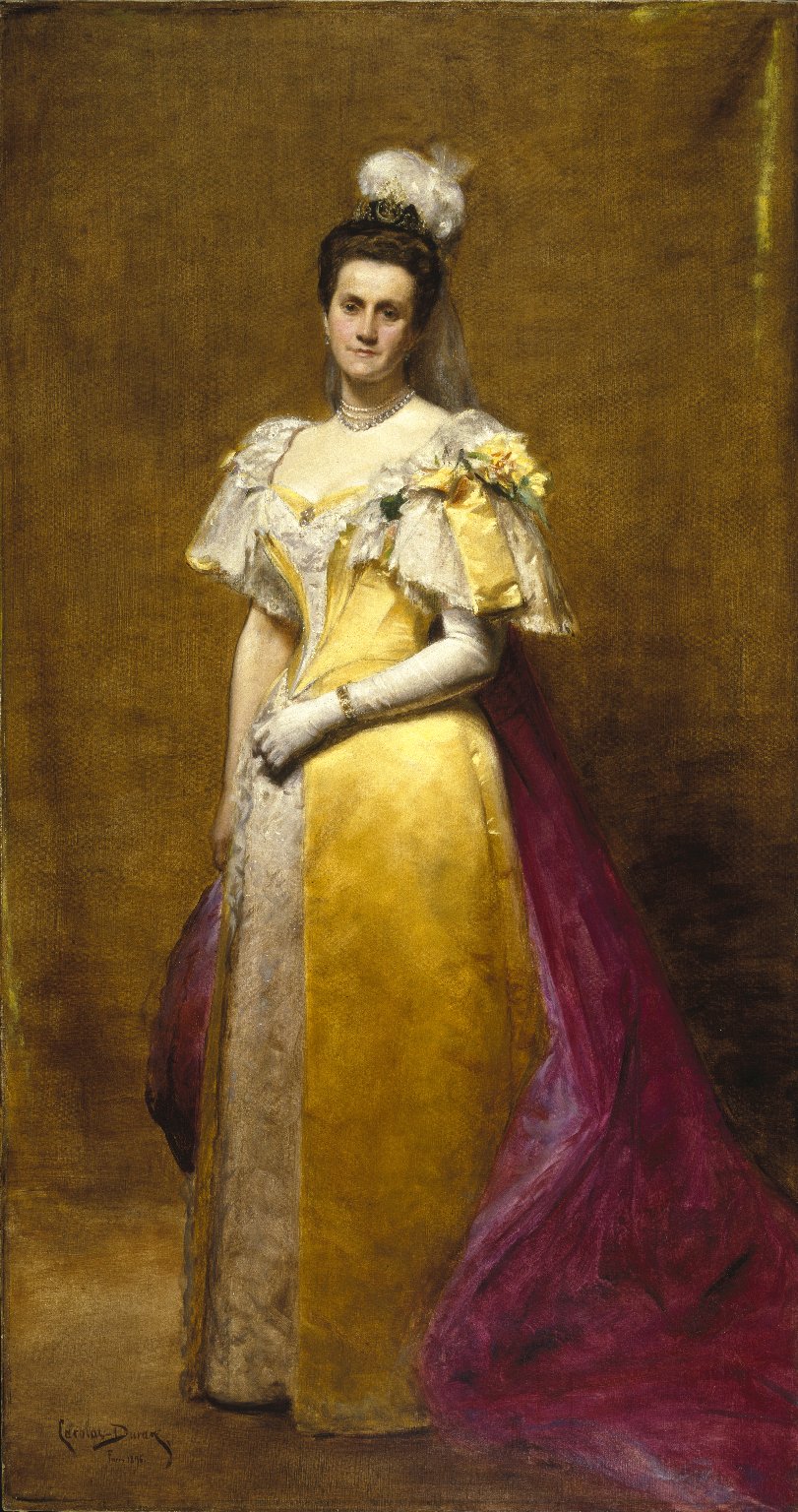
Portrait of Emily Warren Roebling
Carolus-Duran · 1896
A full-length 1896 portrait of Emily Warren Roebling by the painter Carolus-Duran, showing her as a society figure after the bridge was finished.
The principal portrait of Emily Warren Roebling made in her lifetime, showing her after her bridge work was complete.
About this source
What it is
This is a full-length painted portrait of Emily Warren Roebling made in 1896 by the French painter Carolus-Duran. It is held by the Brooklyn Museum.
Why it matters
Painted more than a decade after the Brooklyn Bridge opened, this portrait shows Roebling not as an engineer but as a wealthy, fashionable woman in a formal gown, pearls, and a plumed headpiece. It reflects the life she led after her bridge work, when she moved in elite social circles. The contrast between this image and her technical role on the bridge raises questions about how women's achievements were remembered or hidden behind conventional portraits of status.
Look closer
- What does the clothing and setting tell you about how Roebling wanted to be seen, or how society wanted to see her?
- Why might an artist choose to paint her this way rather than depicting her engineering work?
- What is missing from this portrait that you now know about her life?
This painting is part of the curated material that grounds the AI version of Emily Warren Roebling on Humy.ai — when students ask about related events, the AI can quote it and cite it.
More Emily Warren Roebling sources
Browse all 34 →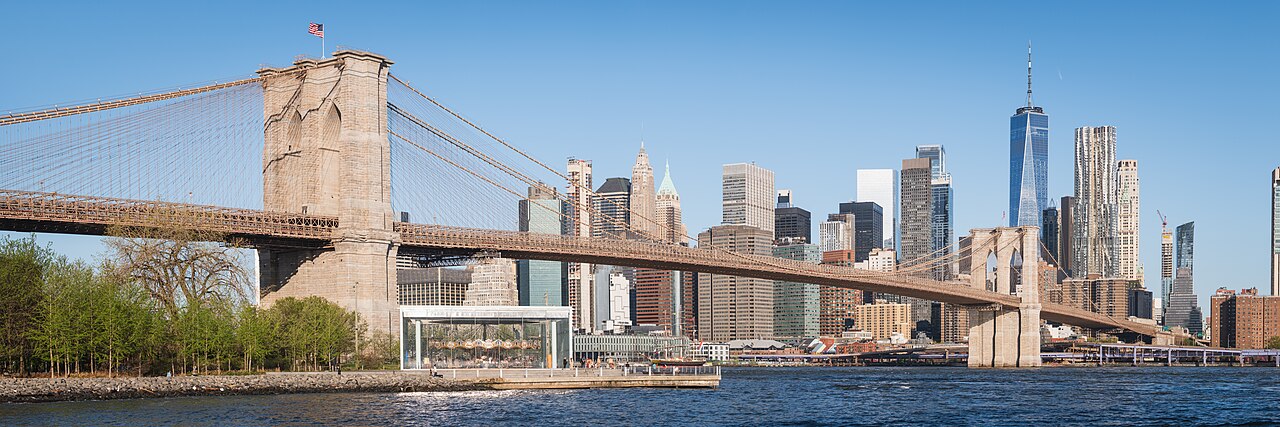 Artifact
Primary source
Brooklyn Bridge
John A. Roebling · 1883 (opened)
 Painting
Primary source
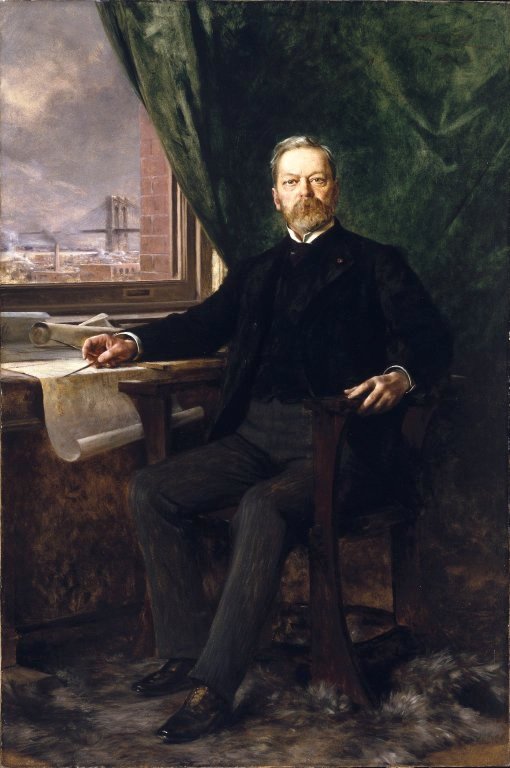
Portrait of Washington A. Roebling
Théobald Chartran · c. 1899
 Speech
Primary source
Opening Ceremonies of the New York and Brooklyn Bridge, May 24, 1883
Abram Stevens Hewitt · 24 May 1883
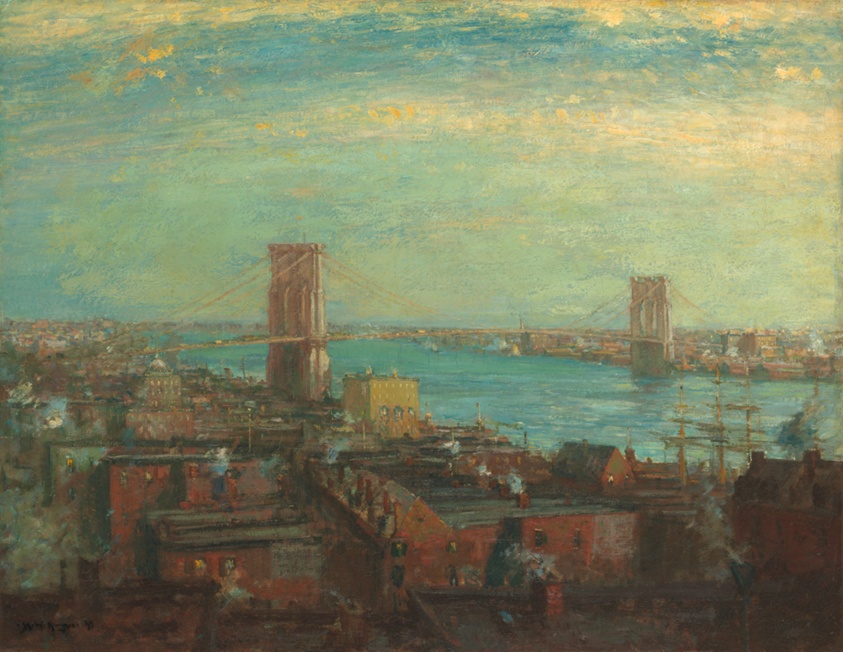 Painting
Primary source
Brooklyn Bridge
Henry Ward Ranger · 1899
Free account
Browse every Emily Warren Roebling source
Sign up free →
Ready when you are
Start chatting with Emily Warren Roebling now.
20 messages free · No credit card · Available in 50+ languages.