


Secondary sourcePainting
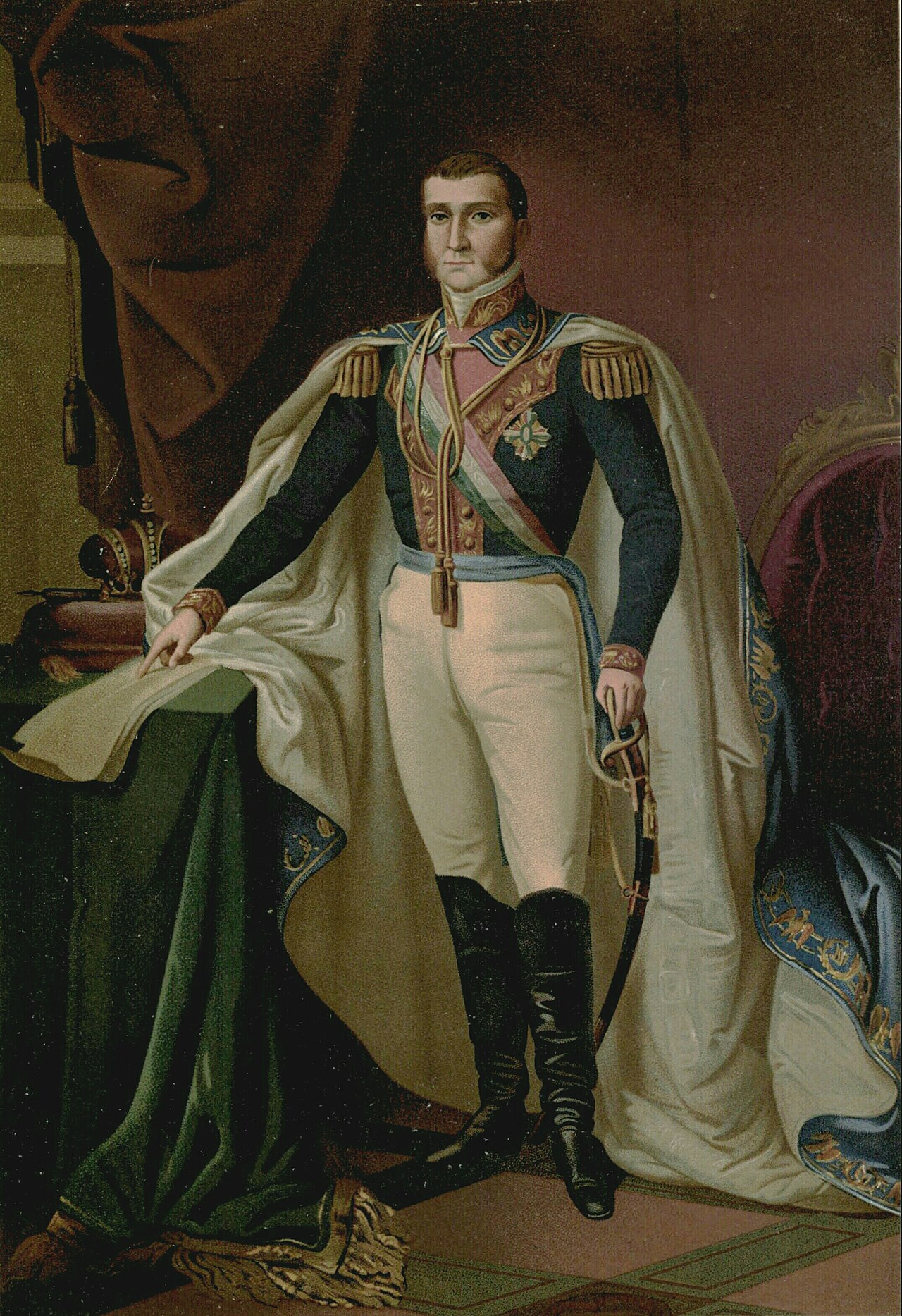
Portrait of Emperor Agustín I of Mexico
Unidentified painter
A copy of the official imperial portrait of Agustín de Iturbide, made for the Iturbide Gallery at the National Palace.
This is the standard official portrait of Agustín de Iturbide as Emperor Agustín I, the most reproduced image of him.
About this source
What it is
This full-length portrait shows a man in a dark blue military uniform with gold embroidery, epaulettes, a white sash and a cape, standing beside a draped table with a sword in hand. It is a copy of an official portrait made for the Iturbide Gallery, now the Ambassador's Hall, at the National Palace in Mexico City. The original painter is unidentified.
Why it matters
This image became the most widely reproduced likeness of Agustín de Iturbide, shaping how later generations pictured Mexico's first emperor. Its formal military dress and regal pose reflect how the new imperial government wanted its ruler to be seen: powerful, disciplined, and legitimate.
Look closer
- What does the uniform and posture tell you about how the sitter wanted to be remembered?
- Why might an official portrait be copied and displayed in a government building?
- What is missing from this image about the man's actual reign and downfall?
This painting is part of the curated material that grounds the AI version of Agustín de Iturbide on Humy.ai — when students ask about related events, the AI can quote it and cite it.
More Agustín de Iturbide sources
Browse all 74 →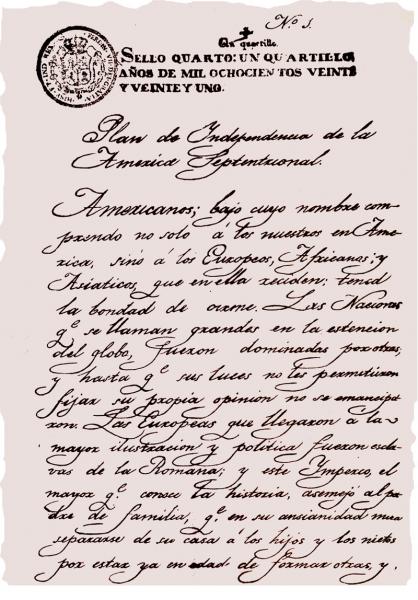 Document
Primary source
Plan of Iguala
Agustín de Iturbide · 24 February 1821
 Document
Primary source
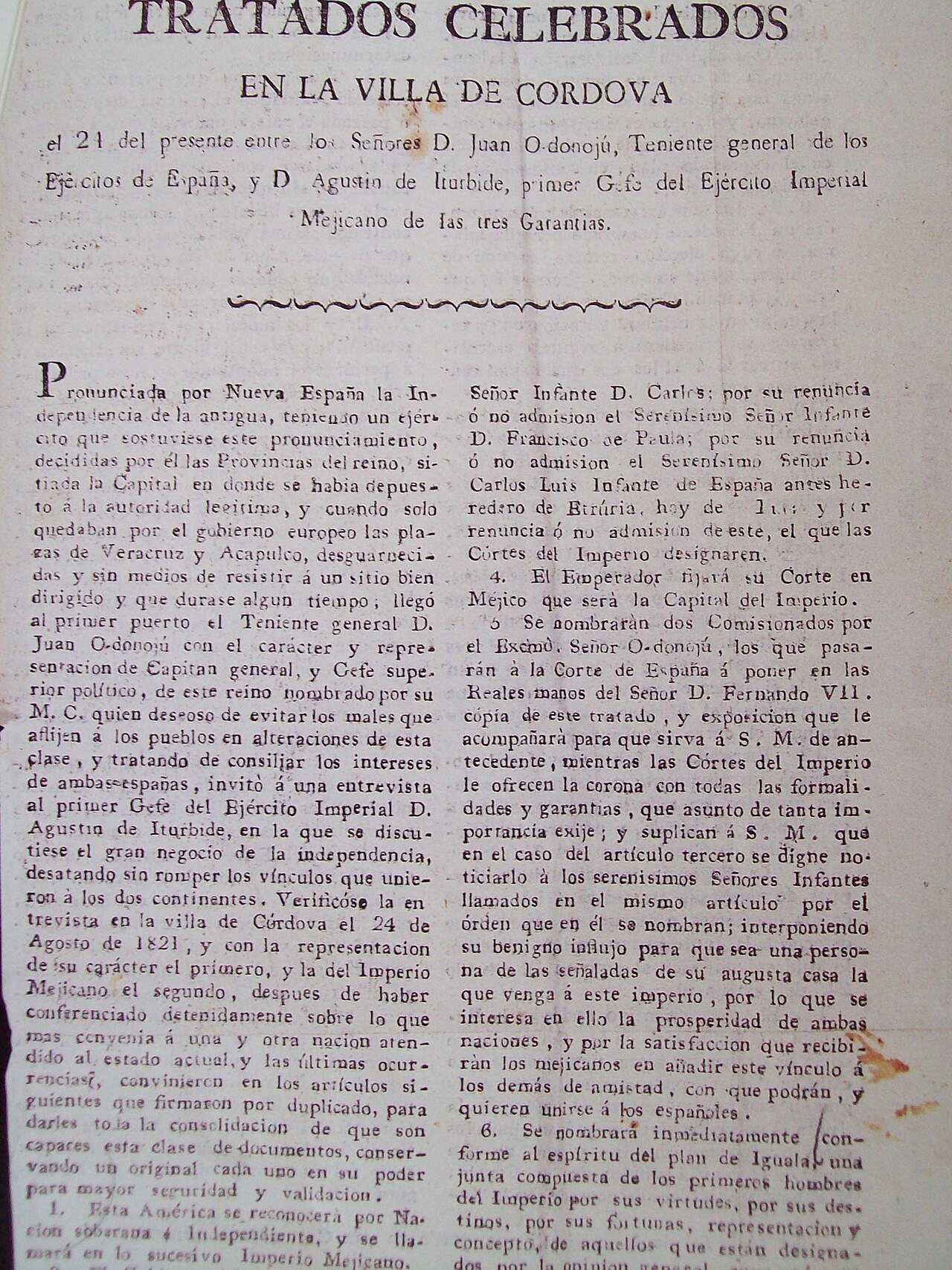
Treaty of Córdoba
Agustín de Iturbide and Juan O'Donojú · 24 August 1821
 Document
Primary source
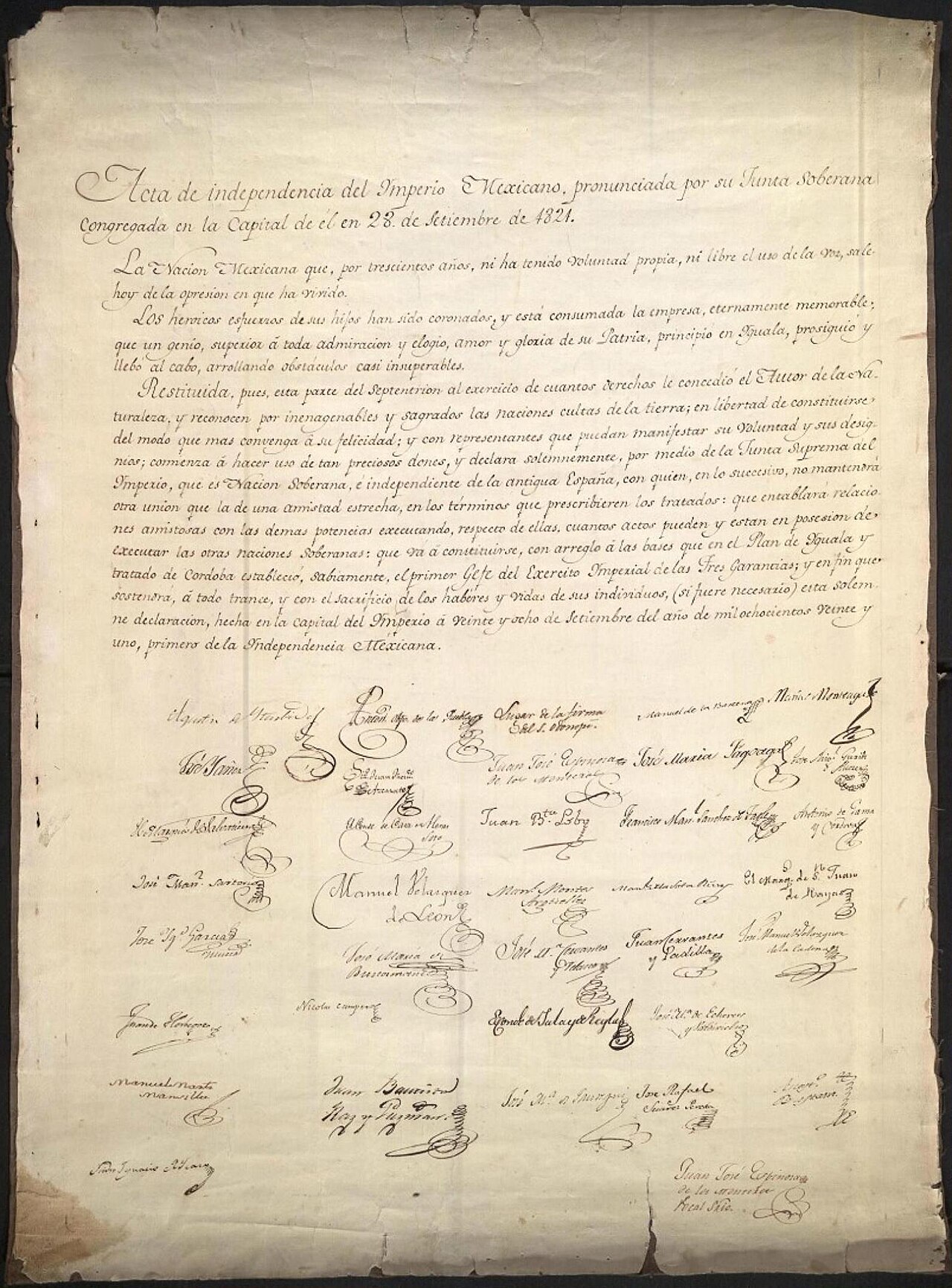
Declaration of Independence of the Mexican Empire
Juan José Espinosa de los Monteros · 28 September 1821
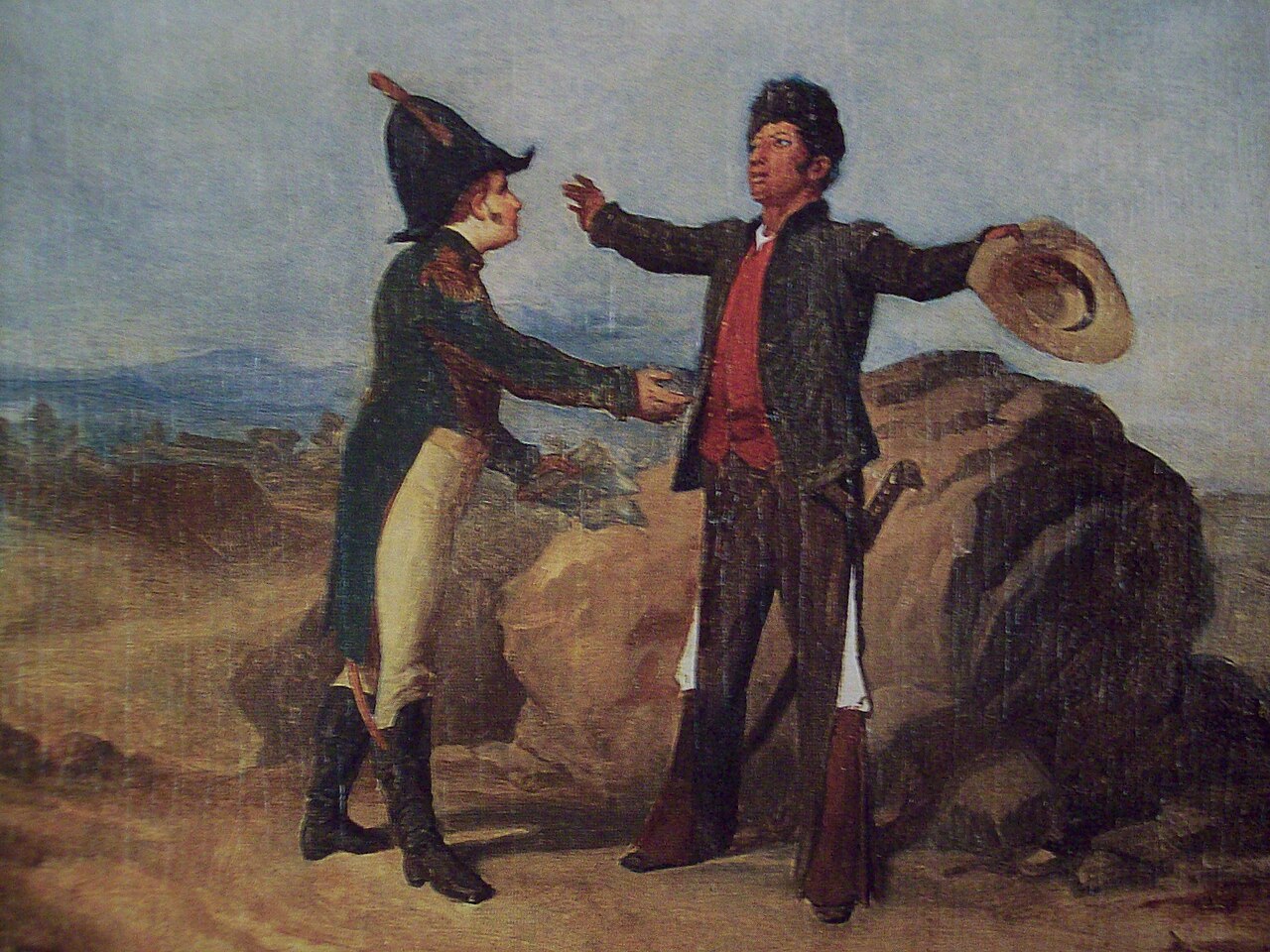 Painting
Secondary source
Abrazo de Acatempan
Román Sagredo · 1870
Free account
Read every Agustín de Iturbide source
Sign up free →
Ready when you are
Start chatting with Agustín de Iturbide now.
20 messages free · No credit card · Available in 50+ languages.