


Secondary sourceSculpture
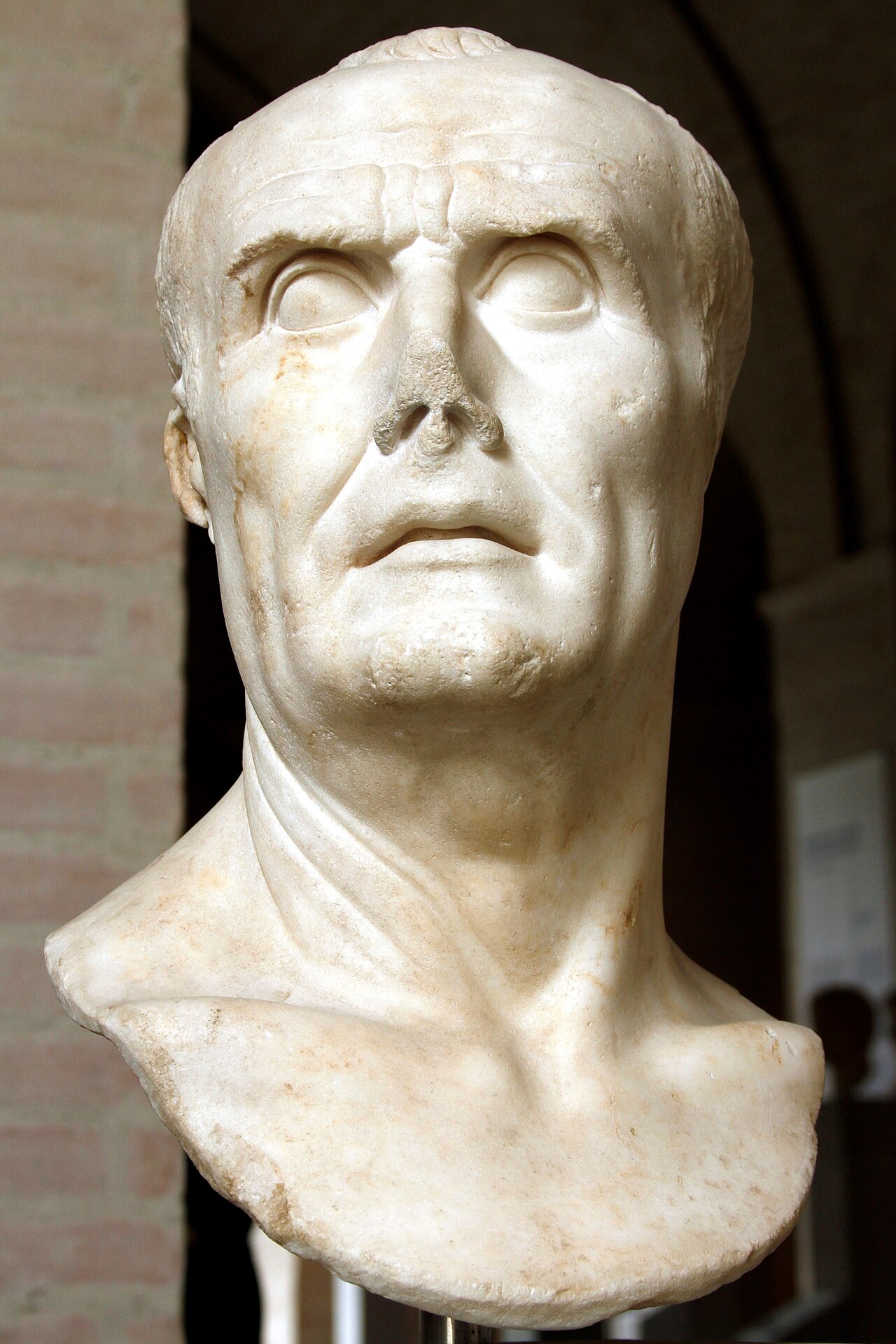
Portrait of Gaius Marius
A late Roman Republican marble bust traditionally identified as Marius, now in the Munich Glyptothek.
A traditionally identified portrait bust of Marius, widely used as his standard image despite uncertain attribution.
About this source
What it is
This marble portrait bust, held in the Glyptothek in Munich, is traditionally identified as a portrait of Gaius Marius. It dates from the late Roman Republic, though its identification as Marius is not certain.
Why it matters
Despite the uncertainty, this bust is the image most commonly used to represent Marius in books and museums. It reflects the Roman tradition of carving realistic, stern portraits of powerful men, showing age and character rather than youthful idealism — a style often linked to the self-presentation of Republican statesmen and generals.
Look closer
- What details in the face make this portrait feel realistic rather than idealized?
- Why might later generations have wanted a strong, authoritative image of Marius, even without certain proof of identity?
- How might the lack of a confirmed label change how we should use this image as evidence?
This sculpture is part of the curated material that grounds the AI version of Gaius Marius on Humy.ai — when students ask about related events, the AI can quote it and cite it.
More Gaius Marius sources
Browse all 65 →Secondary source
Life of Marius
Plutarch
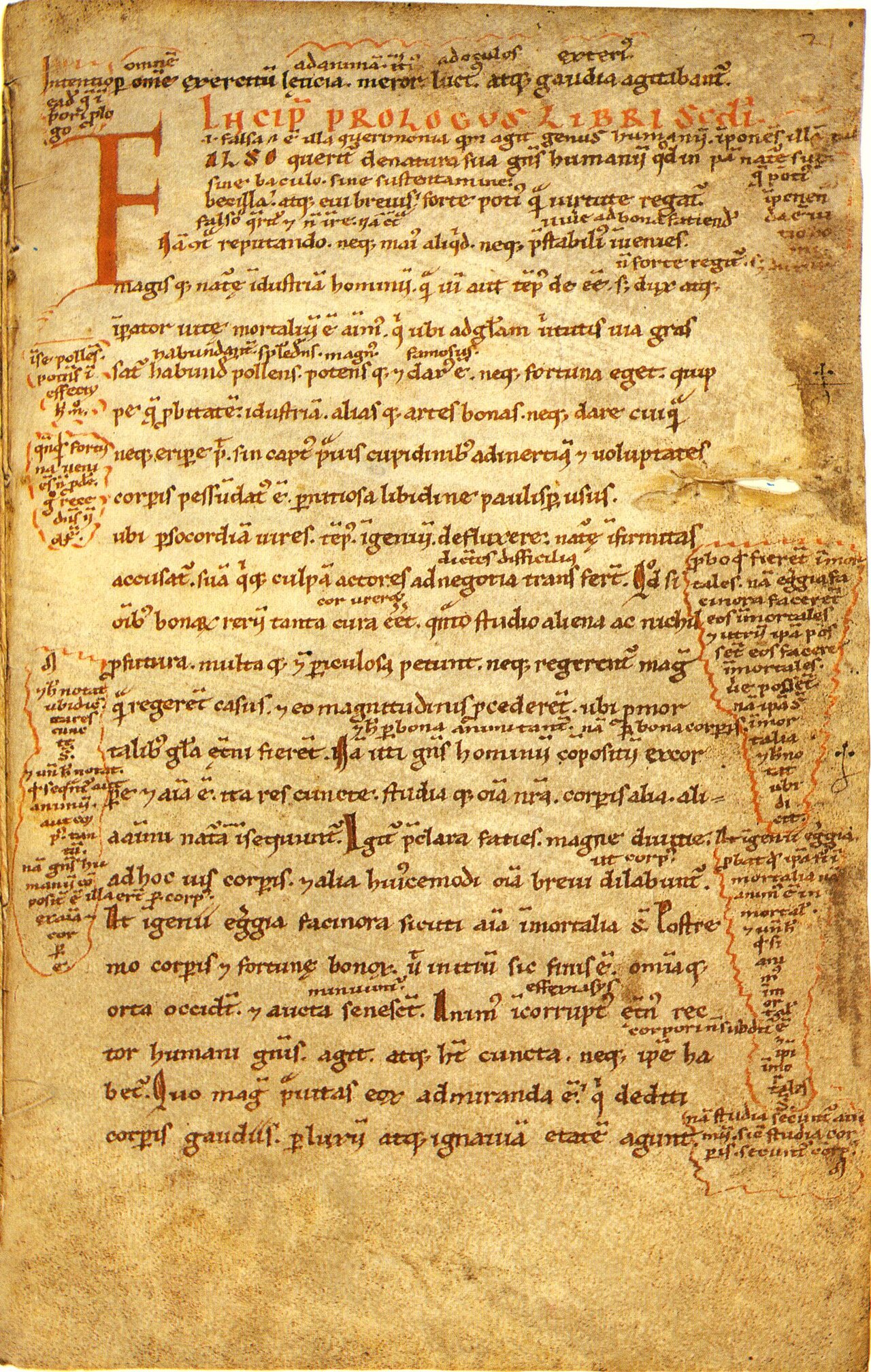 Book
Secondary source
The Jugurthine War
Sallust · c. 41 BCE
 Artifact
Primary source
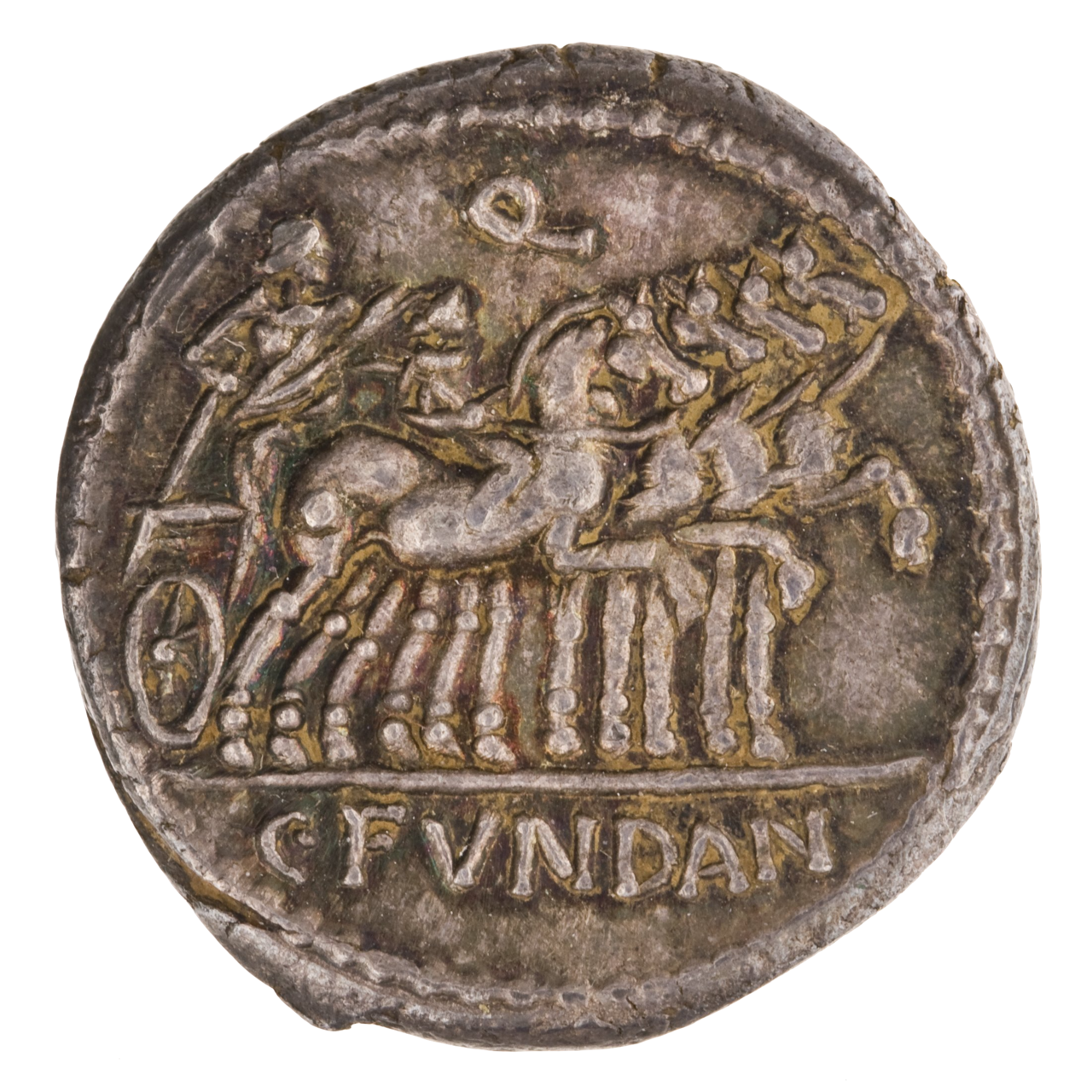
Denarius of Gaius Fundanius depicting Marius as Triumphator
Gaius Fundanius · 101 BC
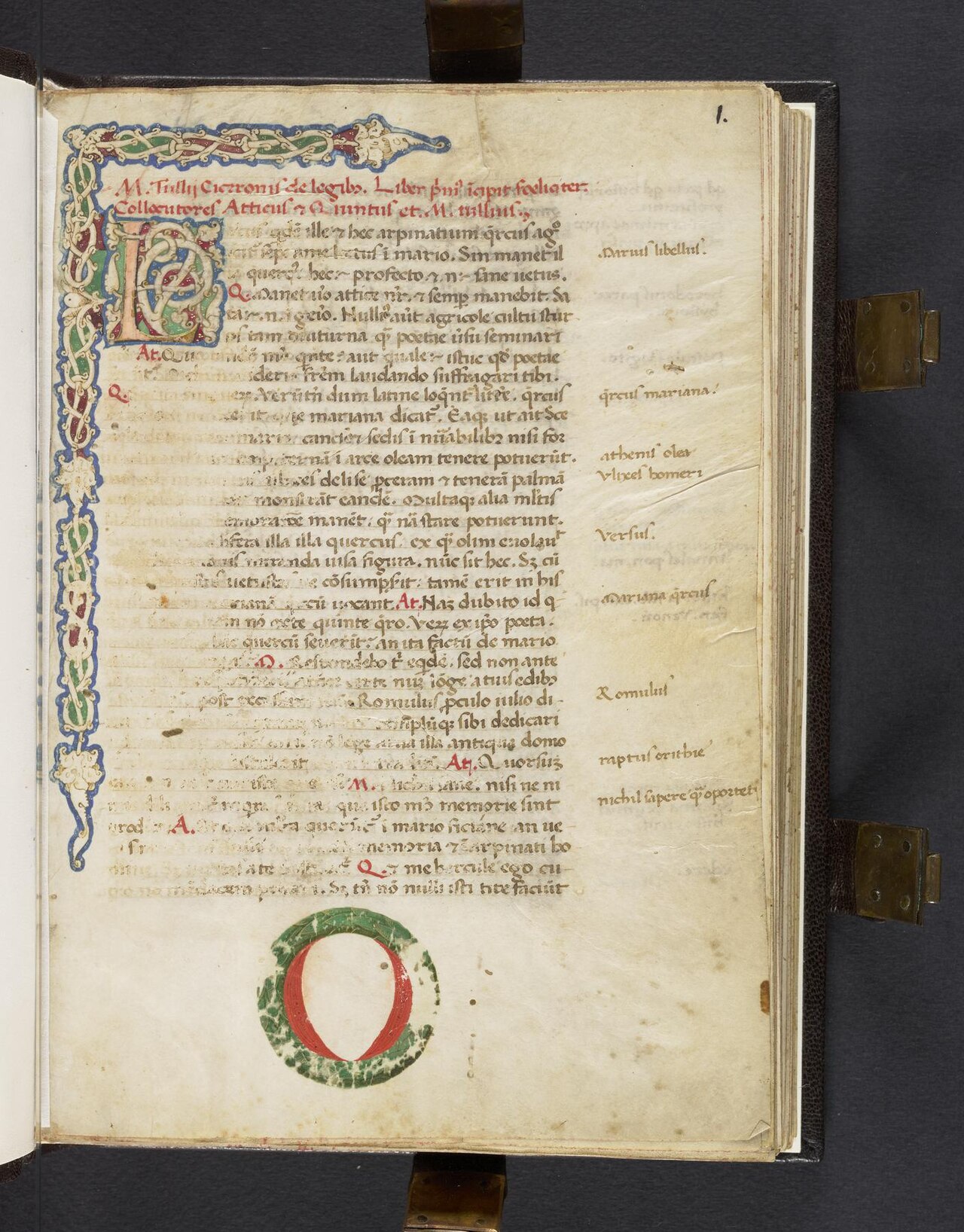
Secondary source
Marius
Cicero
Free account
Read every Gaius Marius source
Sign up free →
Ready when you are
Start chatting with Gaius Marius now.
20 messages free · No credit card · Available in 50+ languages.