


Primary sourcePhotograph
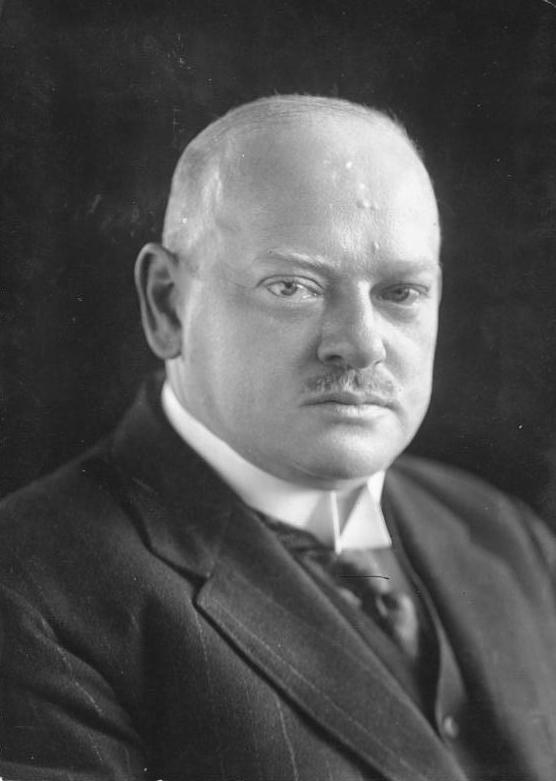
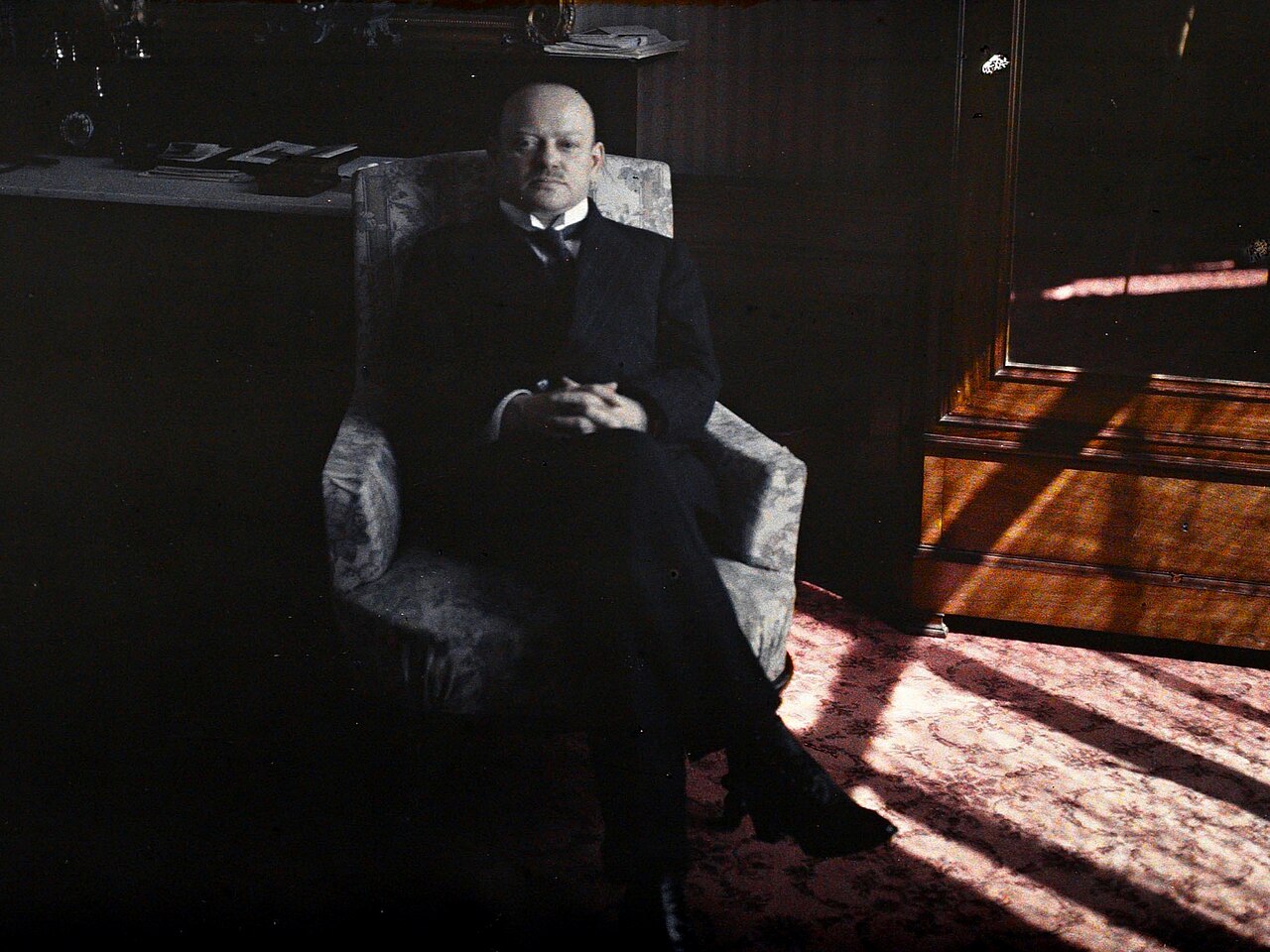
Portrait of Gustav Stresemann
A formal studio photograph of Gustav Stresemann as German foreign minister, the most widely used portrait of him from his lifetime.
The standard formal portrait of Stresemann as German foreign minister, used widely to represent him.
About this source
What it is
This is a black-and-white studio portrait of Gustav Stresemann, shown in a dark suit with a high collar and tie, looking directly at the camera. It is held in the German Federal Archive, which notes it kept its original captions, including the title 'Reichsaussenminister' (Reich Foreign Minister).
Why it matters
As Germany's foreign minister through much of the 1920s, Stresemann was the face of the country's return to international diplomacy, from the Locarno Treaties to the Kellogg-Briand Pact. This portrait is the image most commonly used to represent him.
Look closer
- What does the formal pose and plain background suggest about the purpose of this photograph?
- Why might an archive keep an original historical caption even if it could be biased or outdated?
- What can and can't a single studio portrait tell you about a person's career?
This photograph is part of the curated material that grounds the AI version of Gustav Stresemann on Humy.ai — when students ask about related events, the AI can quote it and cite it.
More Gustav Stresemann sources
Browse all 79 →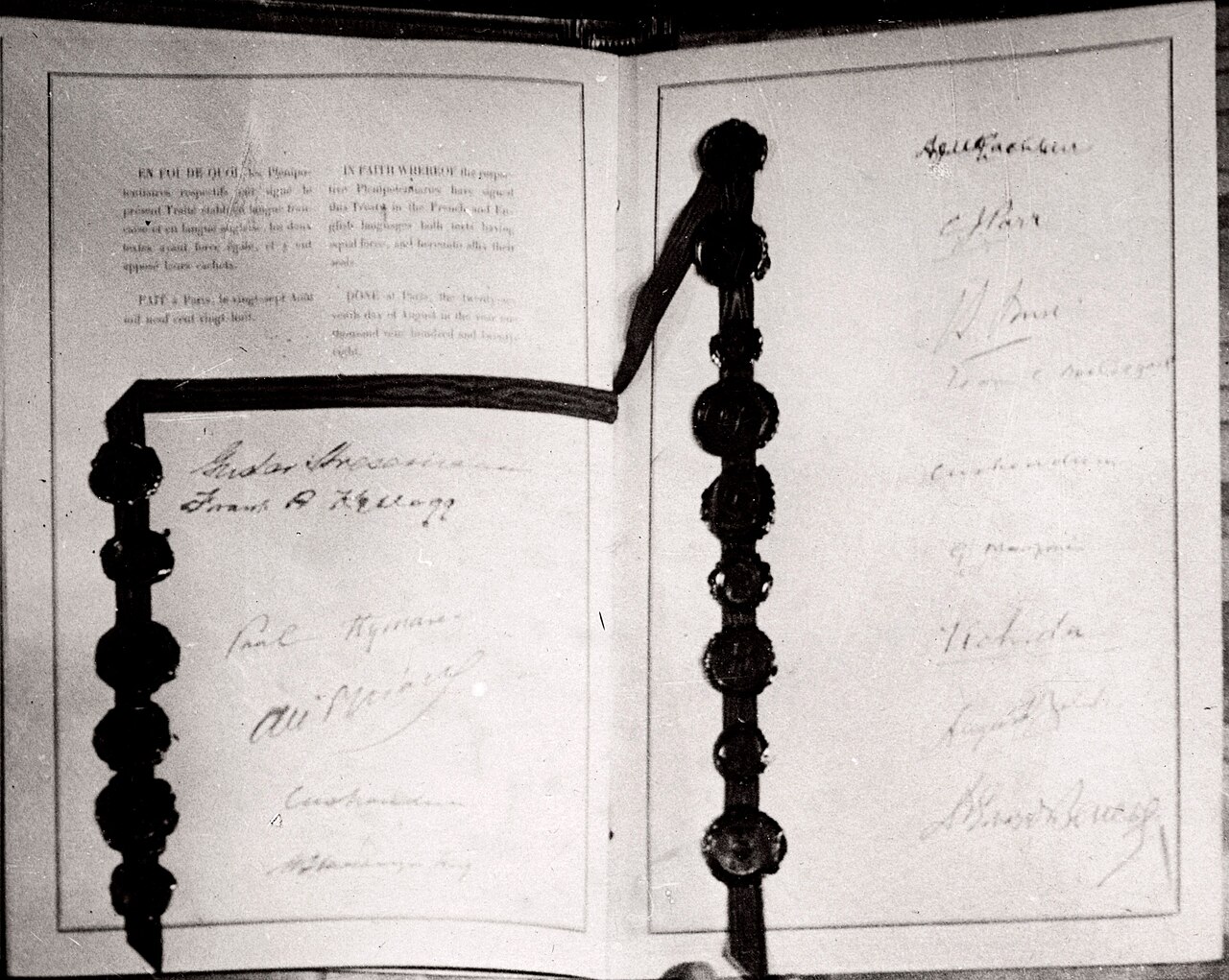 Document
Primary source
Kellogg-Briand Pact
Frank B. Kellogg and Aristide Briand · 27 August 1928
 Photograph
Primary source
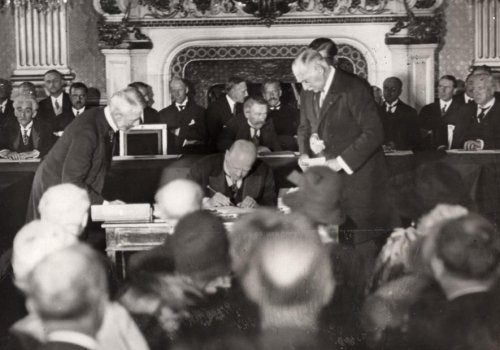
Signing of the Kellogg-Briand Pact
Unknown photographer (possibly Erich Salomon) · 1928
 Photograph
Primary source
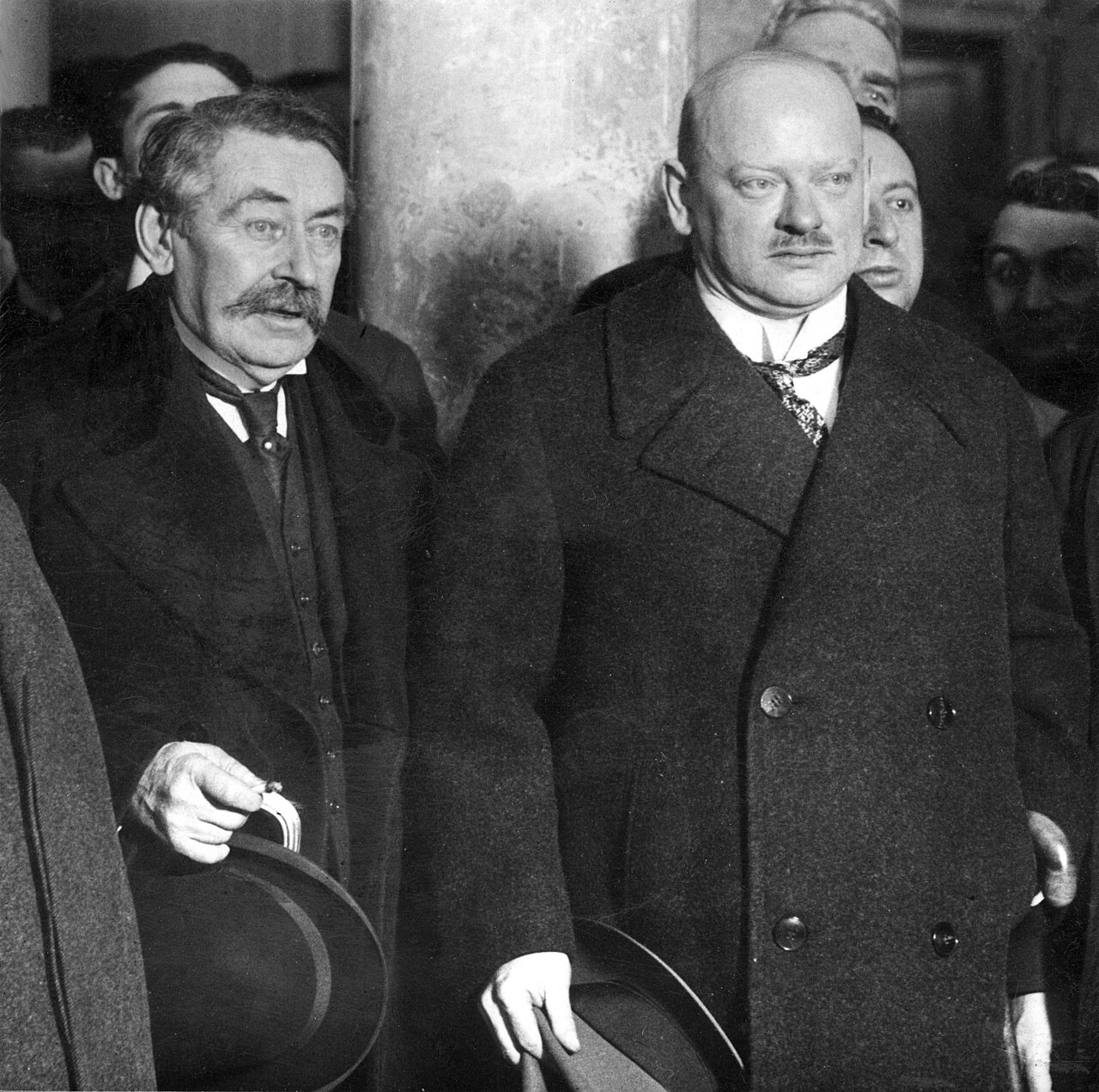
Aristide Briand and Gustav Stresemann
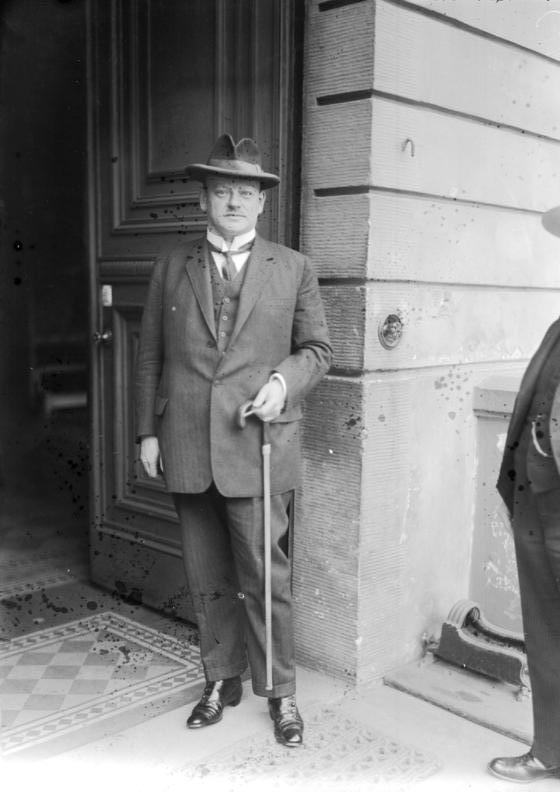 Photograph
Primary source
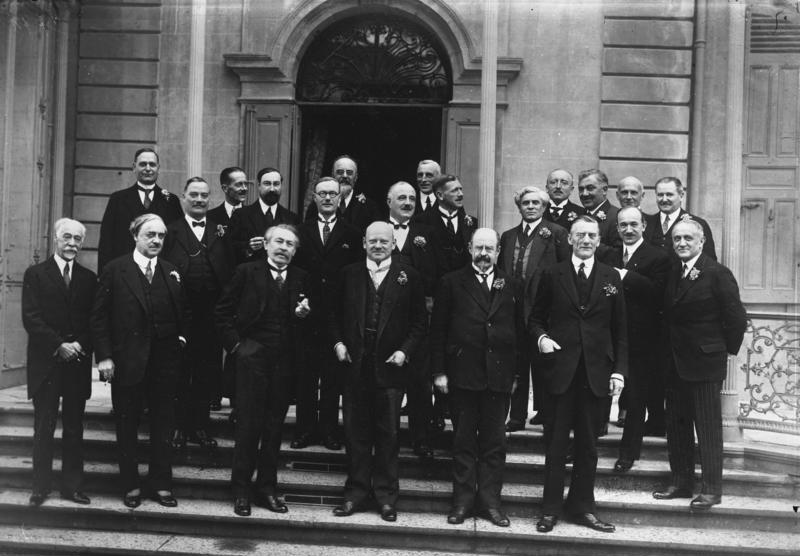
Gustav Stresemann, Studio Portrait
Unknown · 1923
Free account
Read every Gustav Stresemann source
Sign up free →
Ready when you are
Start chatting with Gustav Stresemann now.
20 messages free · No credit card · Available in 50+ languages.