


Secondary sourcePaintinglate 16th century
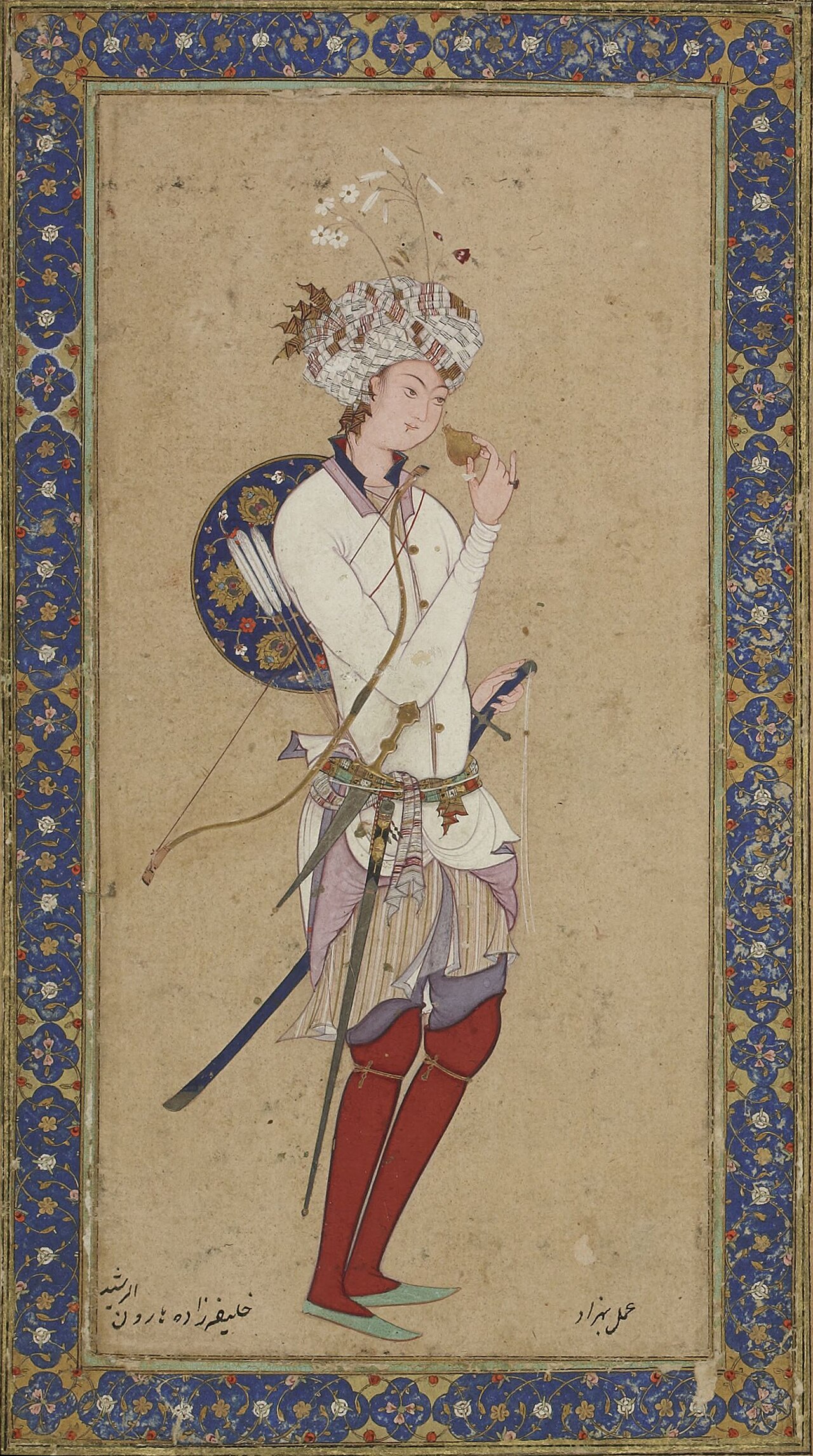
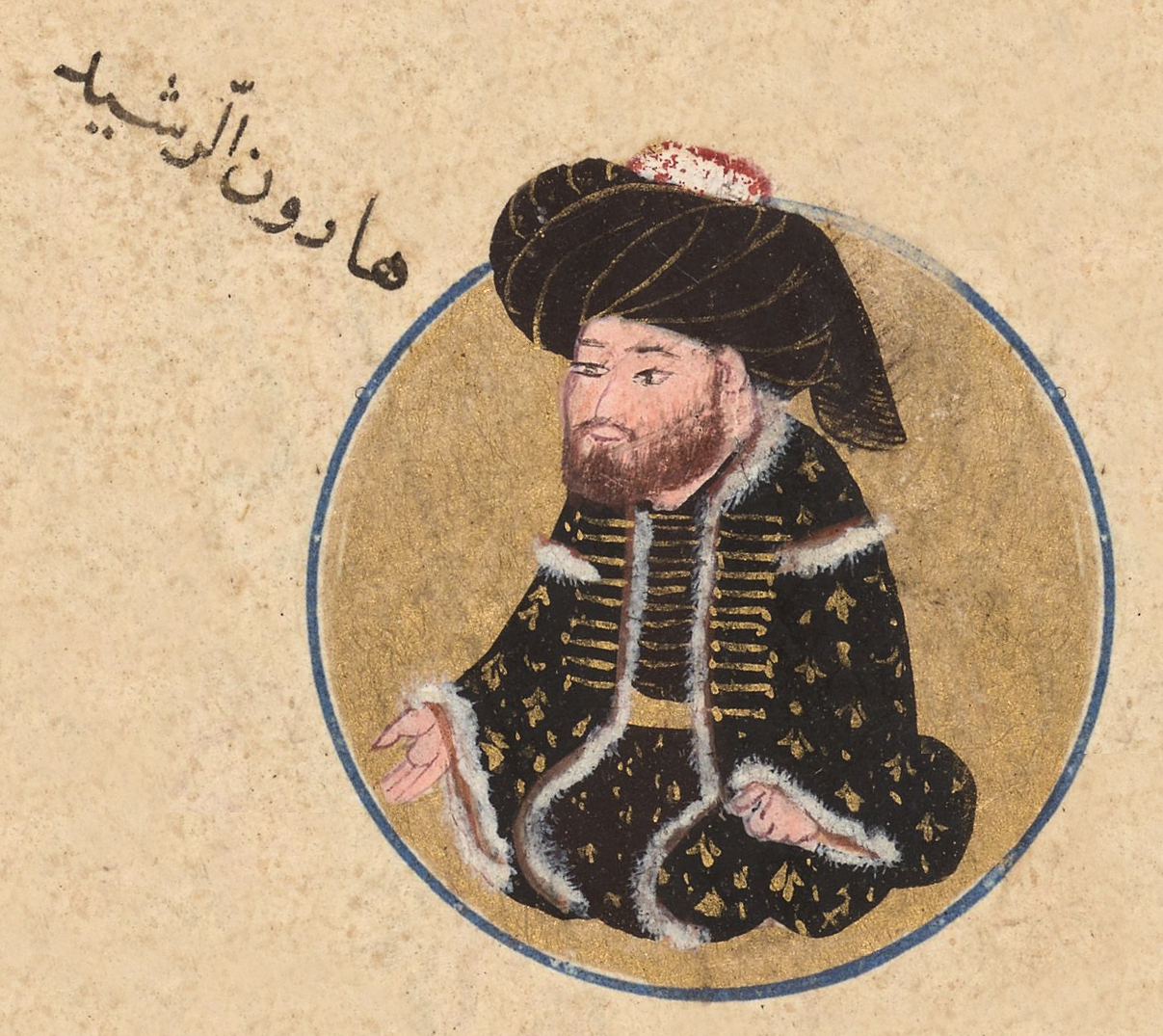
Portrait of Harun al-Rashid
late 16th century
A Safavid-era idealised portrait of Harun al-Rashid, once wrongly attributed to the painter Bihzad, made centuries after his death.
An idealised royal portrait of Harun painted centuries after his death, once wrongly credited to Bihzad.
About this source
What it is
This painting shows a young man in royal dress, with a turban, shield, bow and sword, identified as Harun al-Rashid. It was made in Safavid Iran in the late 16th century and was once falsely attributed to the artist Bihzad. It is now held by the Bibliotheque Nationale de France in Paris.
Why it matters
The portrait was painted hundreds of years after Harun's death, so it is not a true likeness but an idealised image created to honour him as a legendary ruler. It shows how later Islamic courts imagined and celebrated the caliph long after his reign ended.
- How does the artist's choice of clothing and weapons shape your idea of what kind of ruler Harun was?
- Why might a painting be wrongly attributed to a famous artist like Bihzad?
- What does the Arabic inscription on the painting add that the image alone does not?
This painting is part of the curated material that grounds the AI version of Harun al-Rashid on Humy.ai — when students ask about related events, the AI can quote it and cite it.
More Harun al-Rashid sources
Browse all 31 →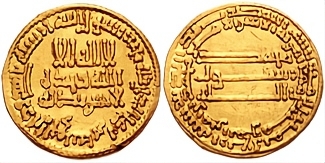 Artifact
Primary source
Gold Dinar of Harun al-Rashid
Abbasid mint · 786–809
 Artifact
Primary source
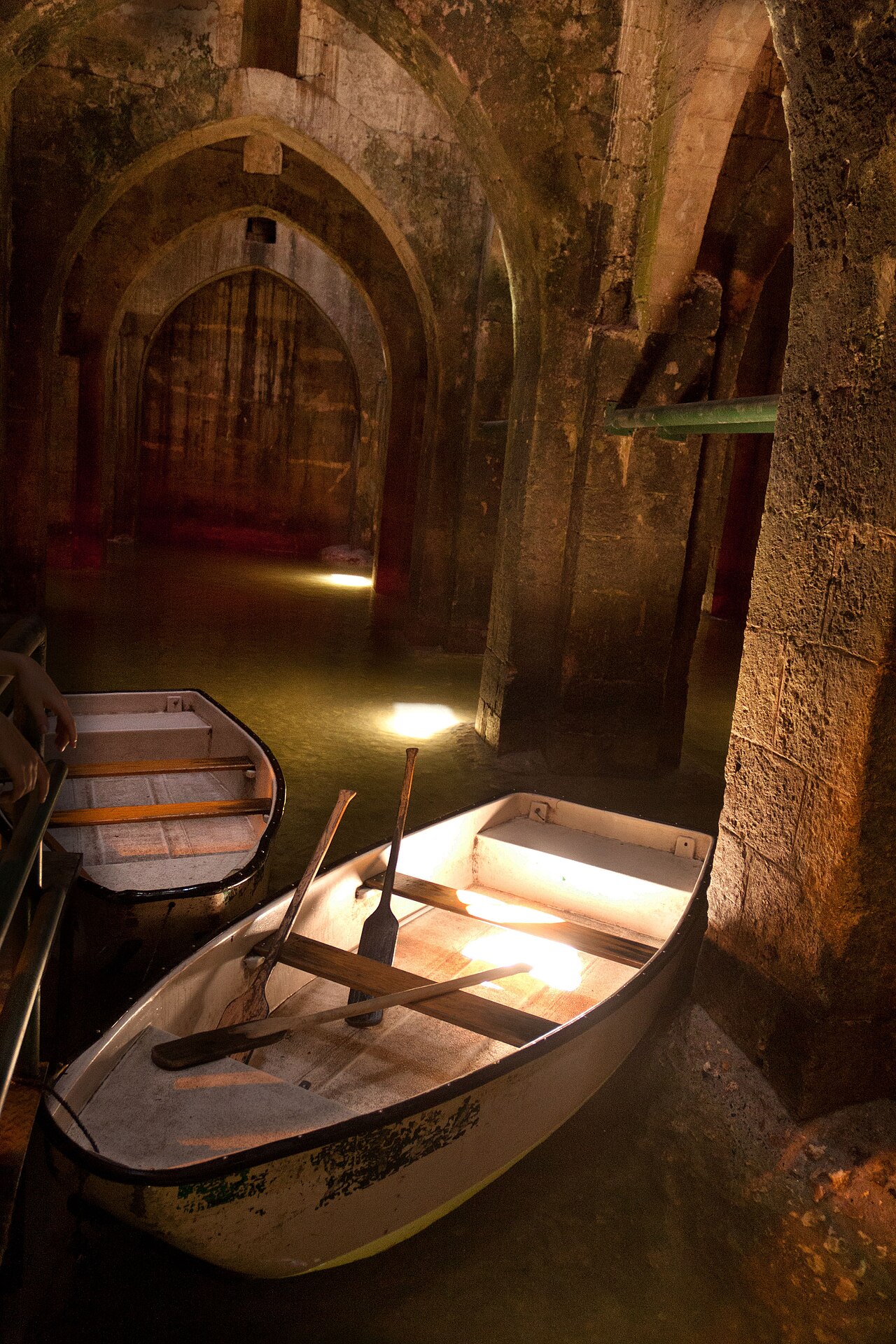
Pool of the Arches
789
 Document
Primary source
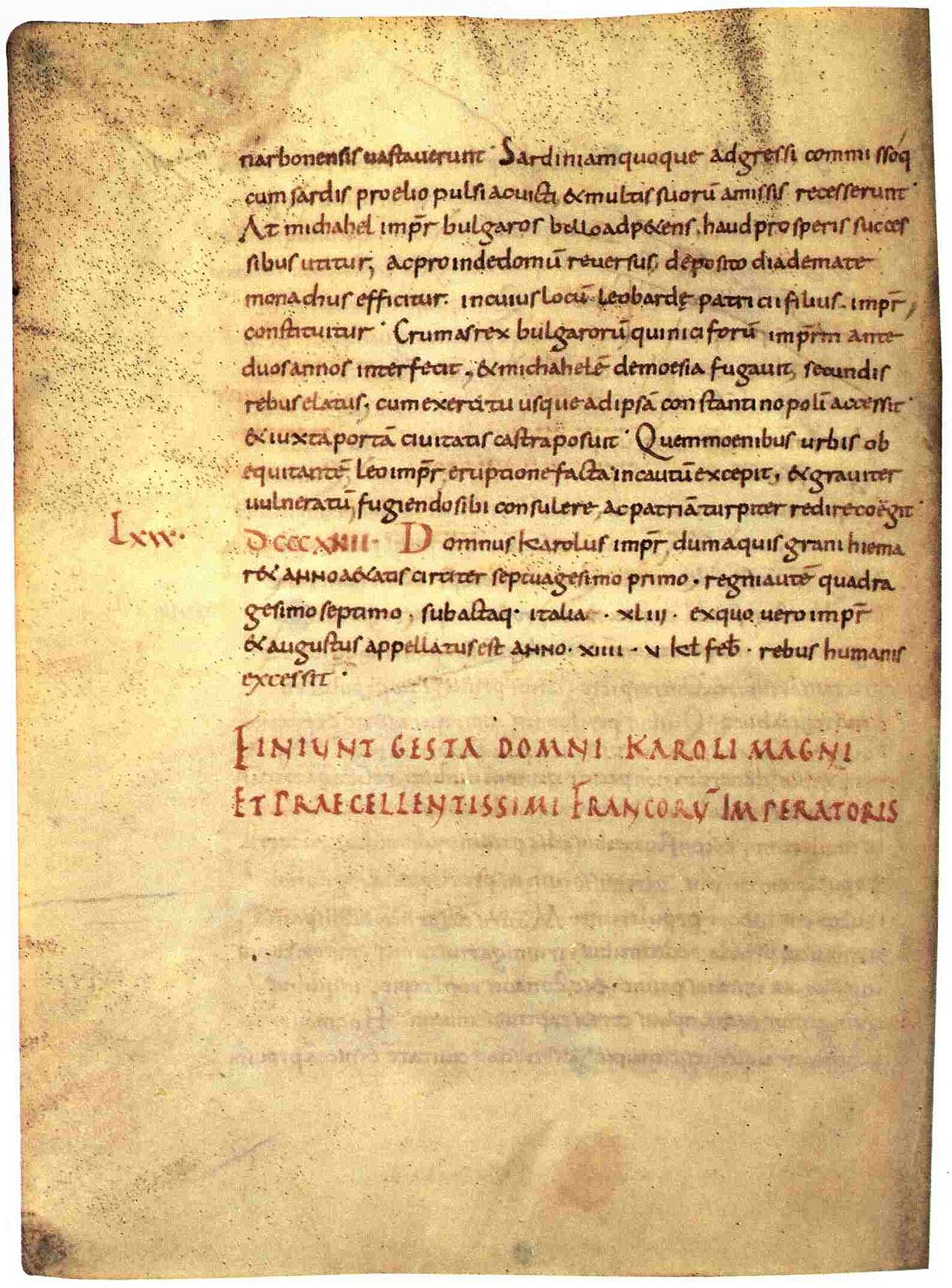
Royal Frankish Annals
741-829, this manuscript c. 900
 Book
Secondary source
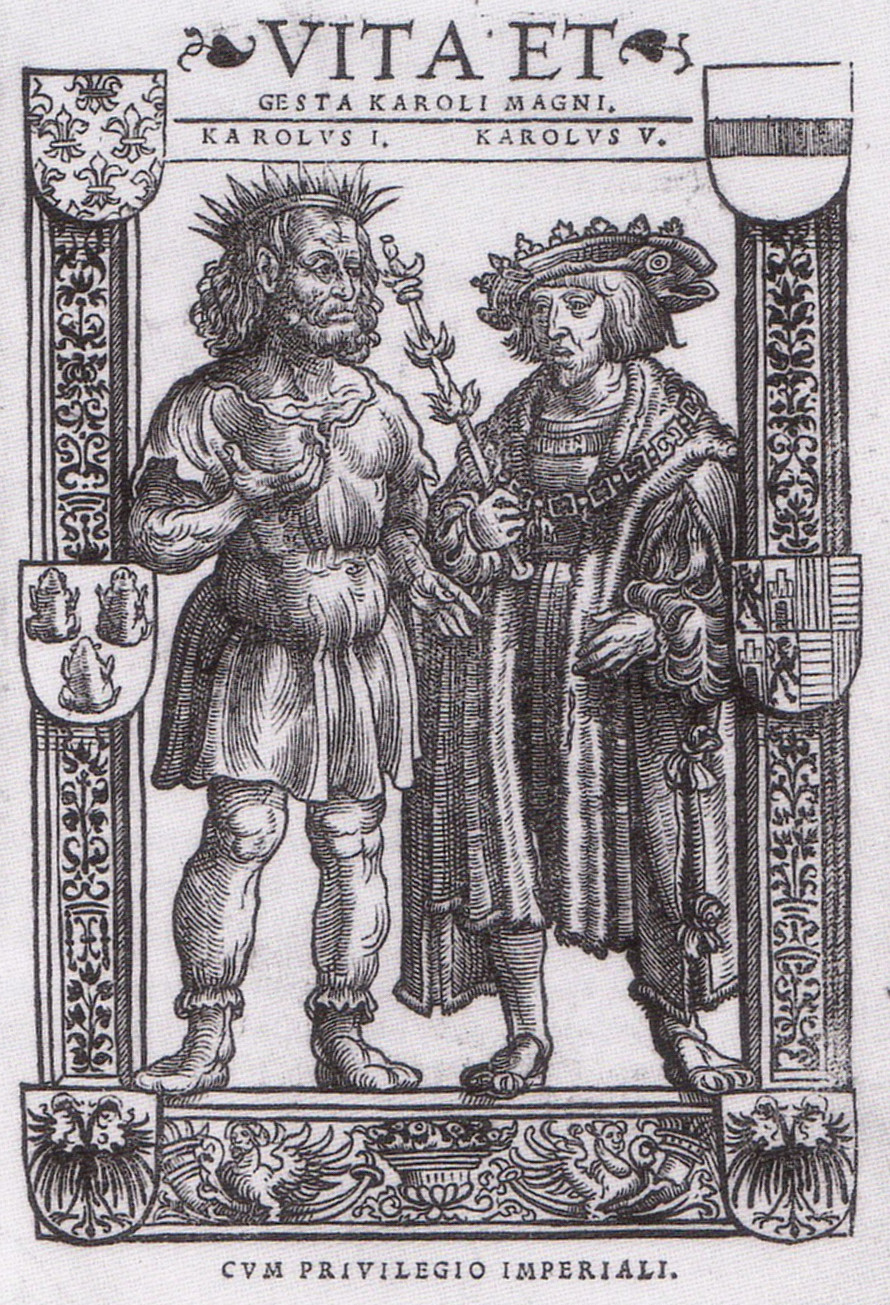
Vita Karoli Magni
Einhard · c. 817-833
Free account
Read every Harun al-Rashid source
Sign up free →
Ready when you are
Start chatting with Harun al-Rashid now.
20 messages free · No credit card · Available in 50+ languages.