


Secondary sourceArtifact
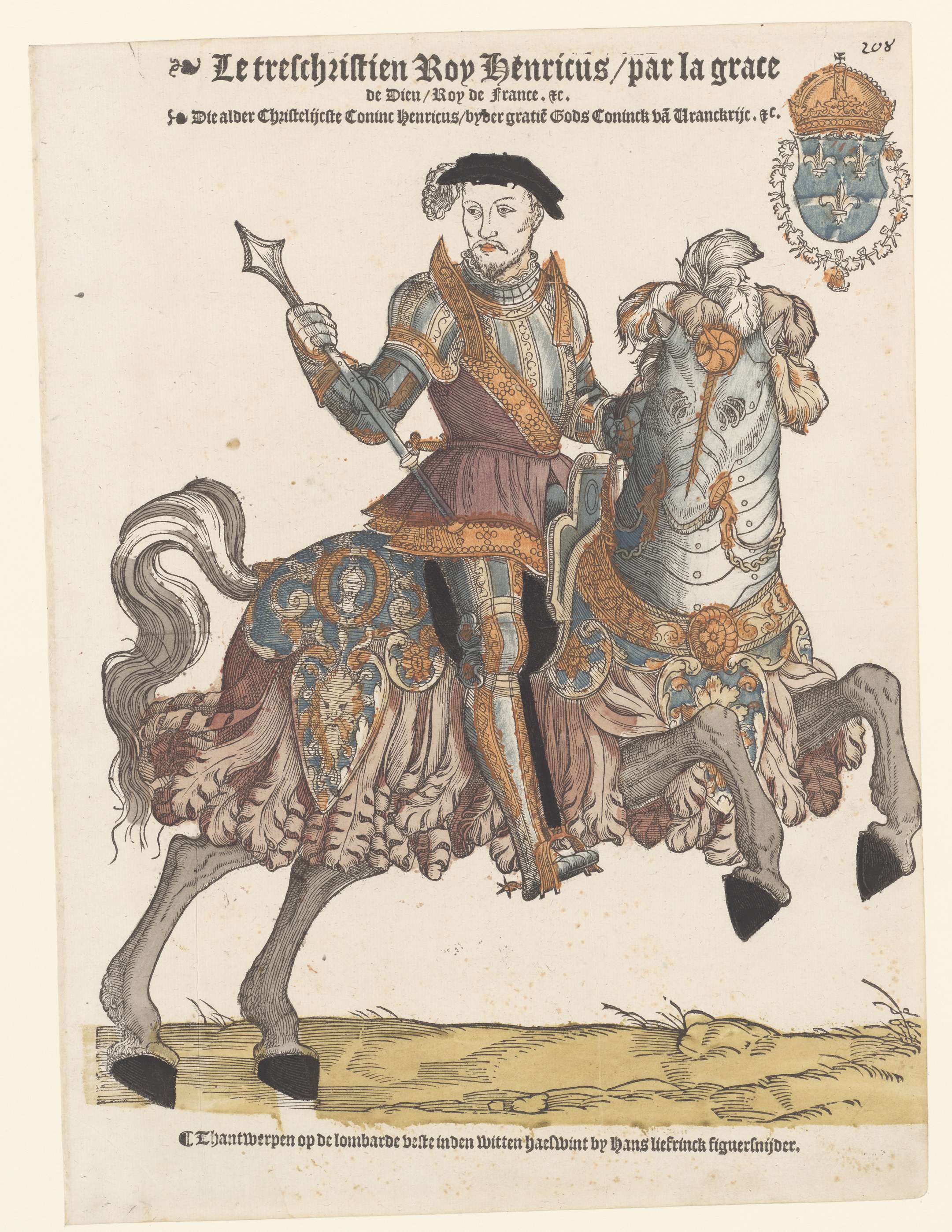
Portrait of Henry II of France in Armour on Horseback
A hand-coloured woodcut print showing the king as a mounted soldier in armour, held by the Rijksmuseum.
Presents Henri II as a mounted warrior, showing how a later print portrayed his military role before he became king.
About this source
What it is
This is a hand-coloured woodcut print showing a king on horseback in armour, facing right and holding a baton. He wears a black velvet cap with a feather and a purple tunic. The grey horse has a plumed head and a blue and gold caparison. A coat of arms with fleurs-de-lis under a crown appears at upper right. A Dutch caption is printed below the image. The print is held by the Rijksmuseum in the Netherlands.
Why it matters
The Dutch record says that Henry, the second son of Francis I, took part in the war against Charles V in the south of France in 1542 as a military commander. He became king in 1547. The print presents him as a warrior, a role that was central to how rulers of his time were seen. It is a later likeness, so it shows how the king was remembered in print rather than how he looked in person.
Look closer
- What details of the armour, horse and coat of arms are used to show power?
- Why would a print make a king look like a soldier on horseback?
- What does the image leave out about the war and the people affected by it?
This artifact is part of the curated material that grounds the AI version of Henry II of France on Humy.ai — when students ask about related events, the AI can quote it and cite it.
More Henry II of France sources
Browse all 93 →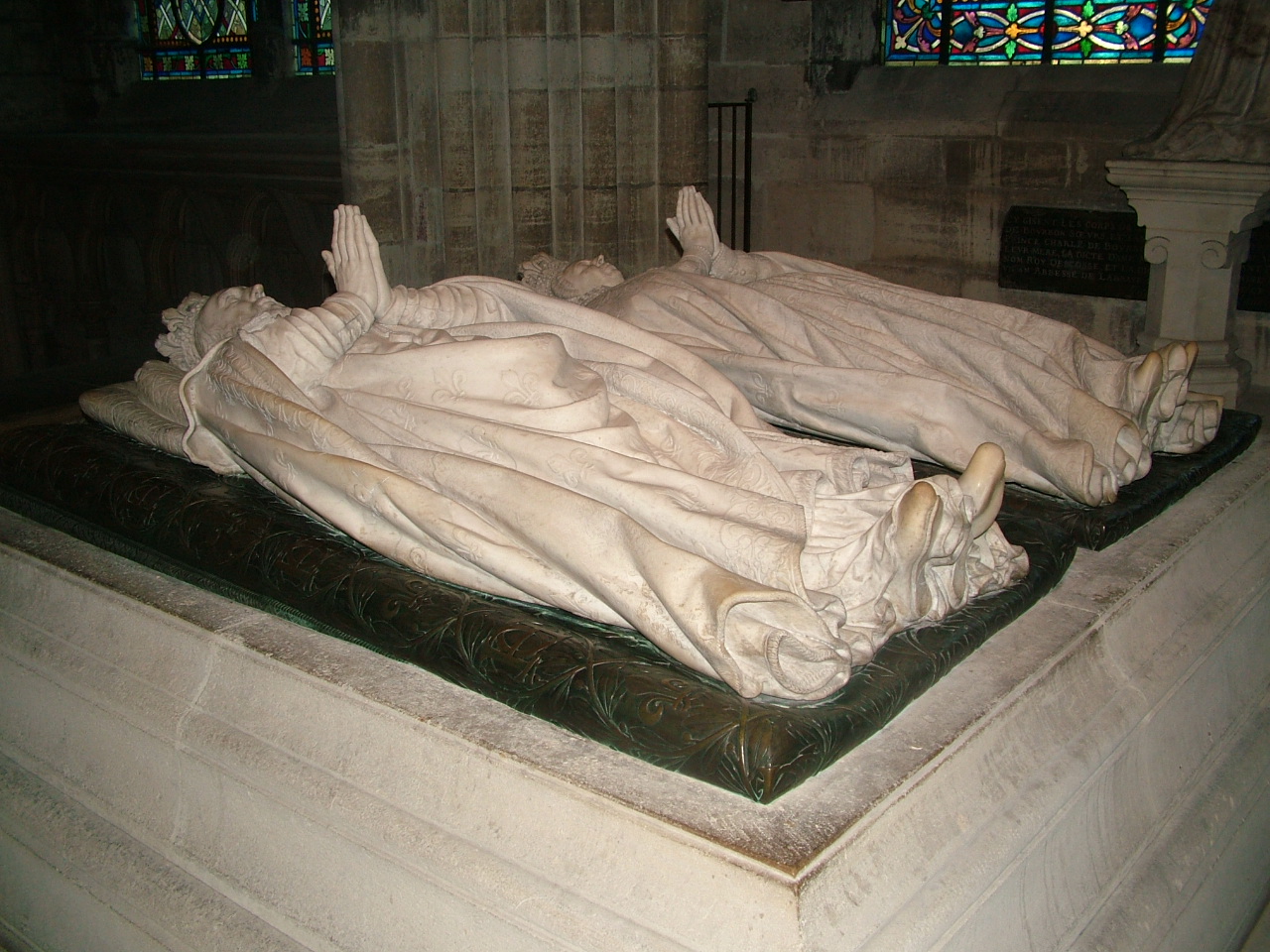 Sculpture
Secondary source
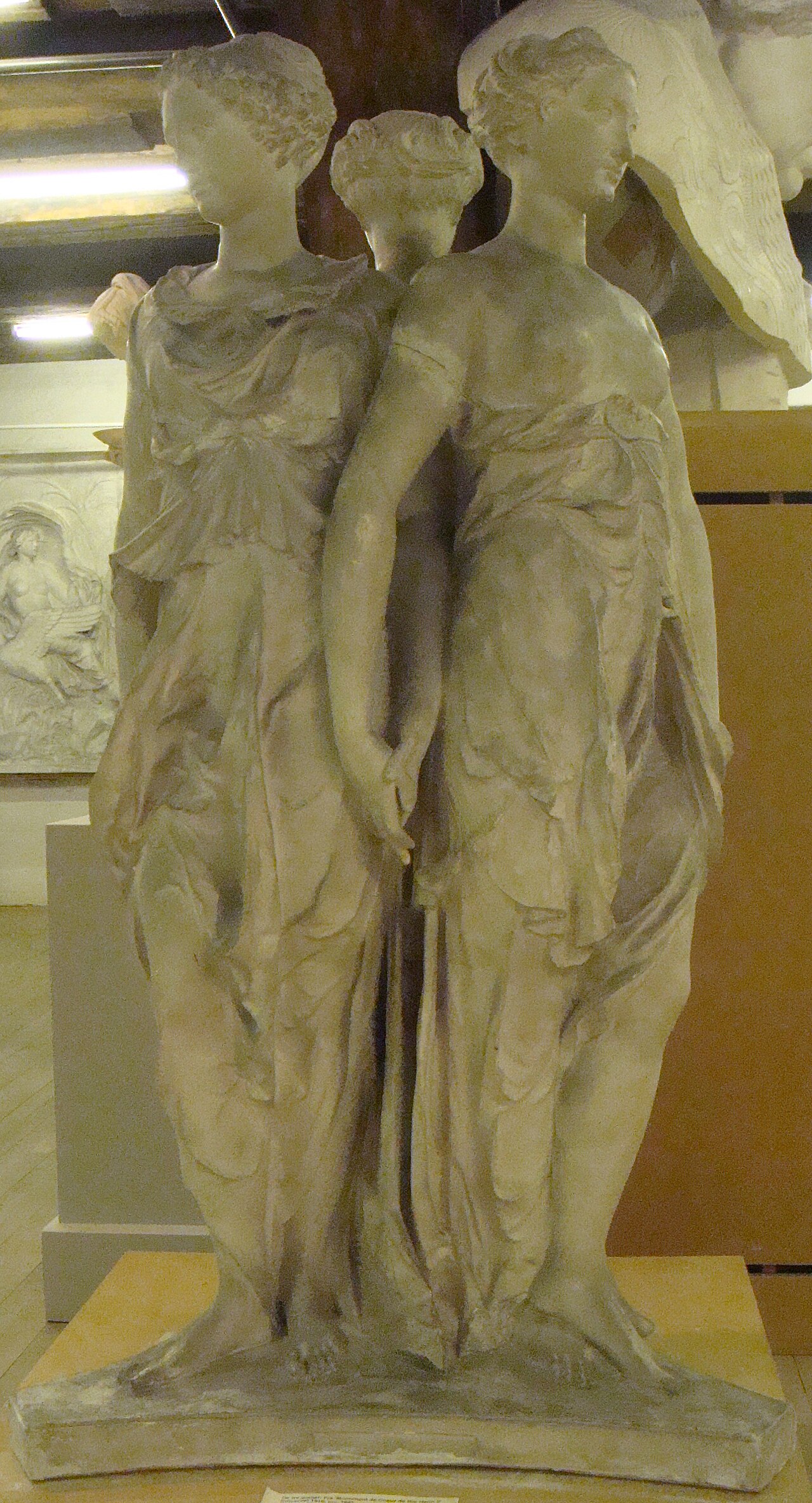
Grave of Henry II of France
Germain Pilon
Primary source
Treaty of Cateau-Cambrésis
1559
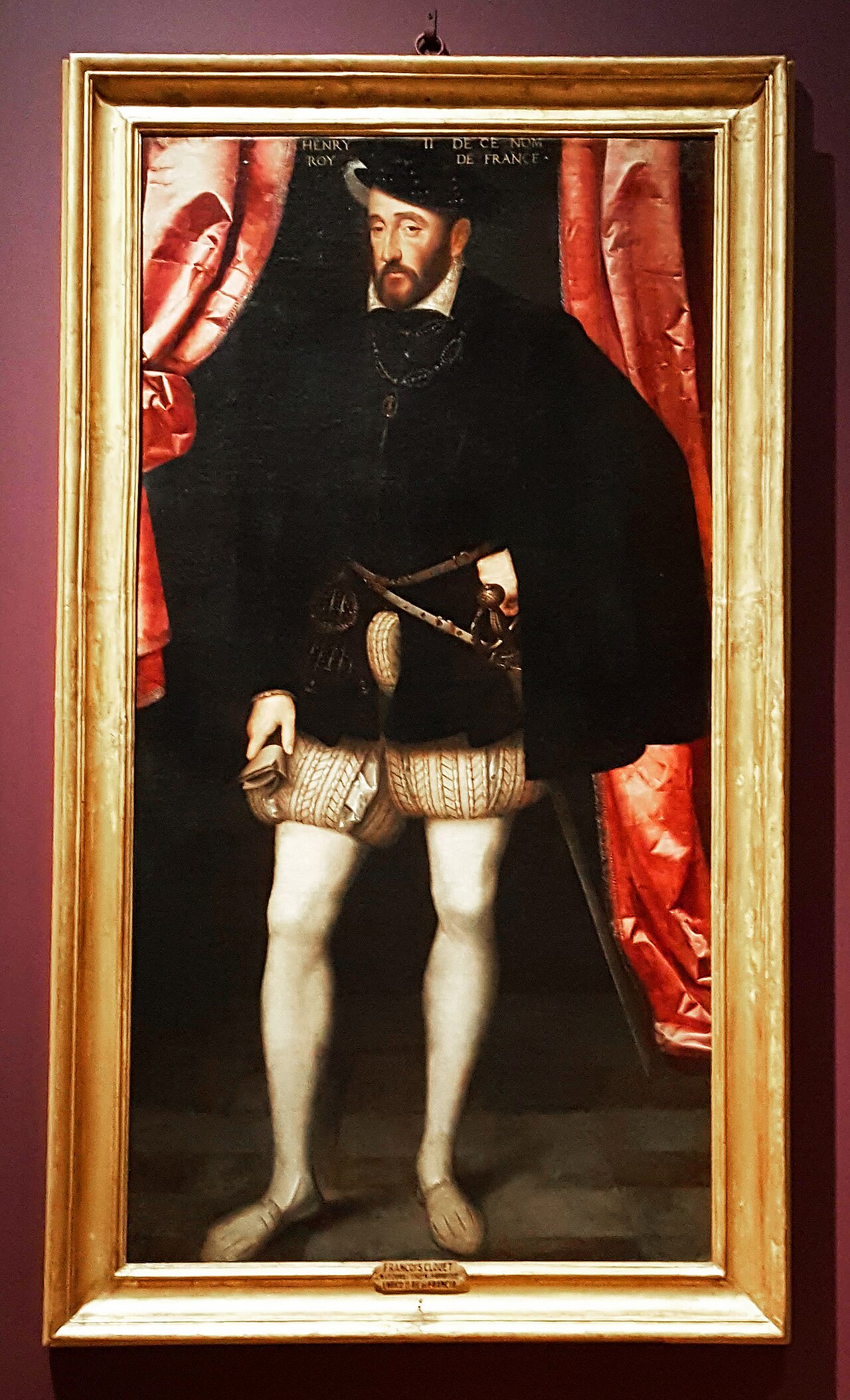 Painting
Primary source
Portrait of Henry II
François Clouet · 1547
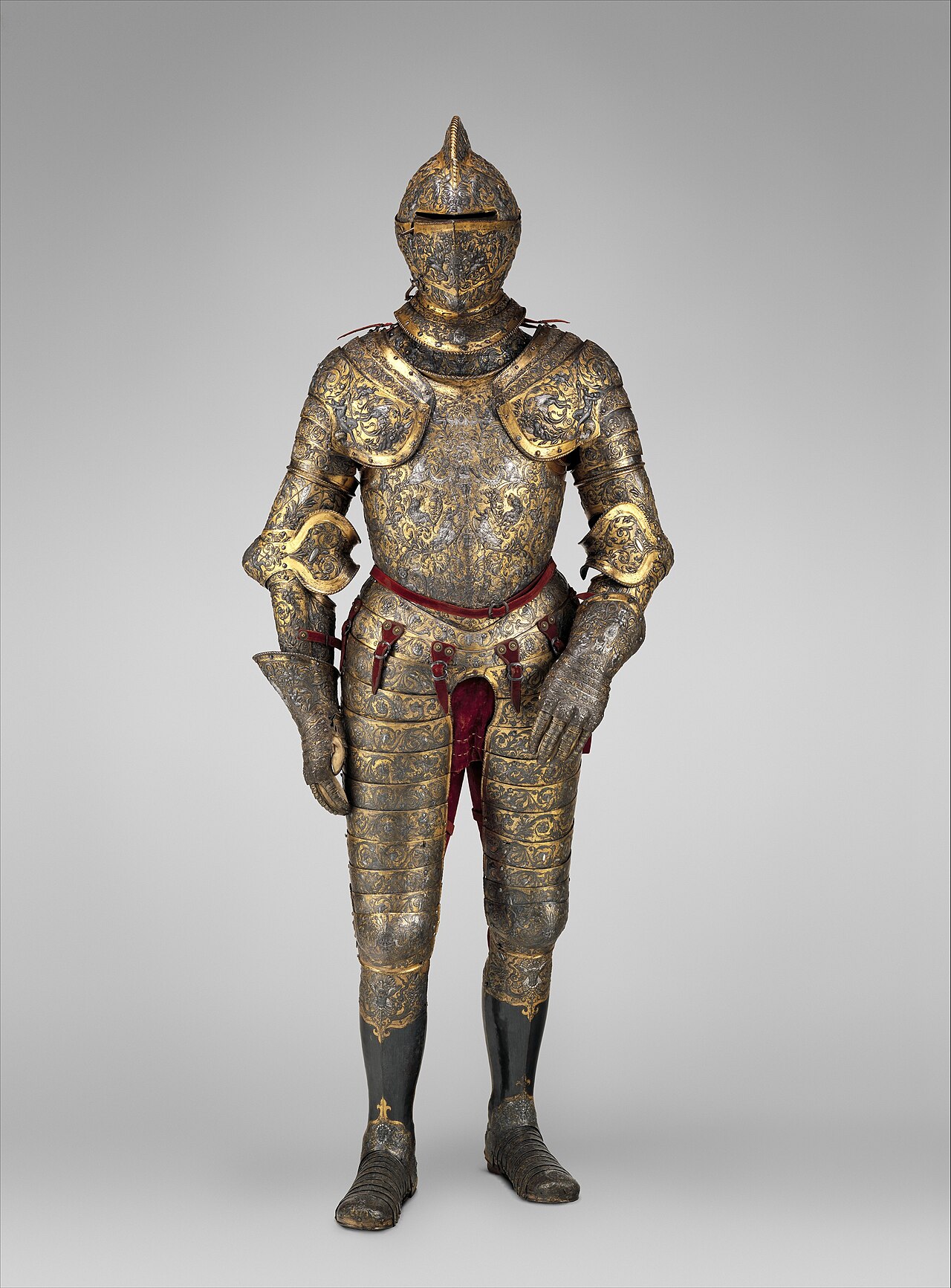 Artifact
Primary source
Parade Armour of Henry II of France
Étienne Delaune · c. 1553-1555
Free account
Read every Henry II of France source
Sign up free →
Ready when you are
Start chatting with Henry II of France now.
20 messages free · No credit card · Available in 50+ languages.