


Secondary sourcePainting1800-1825
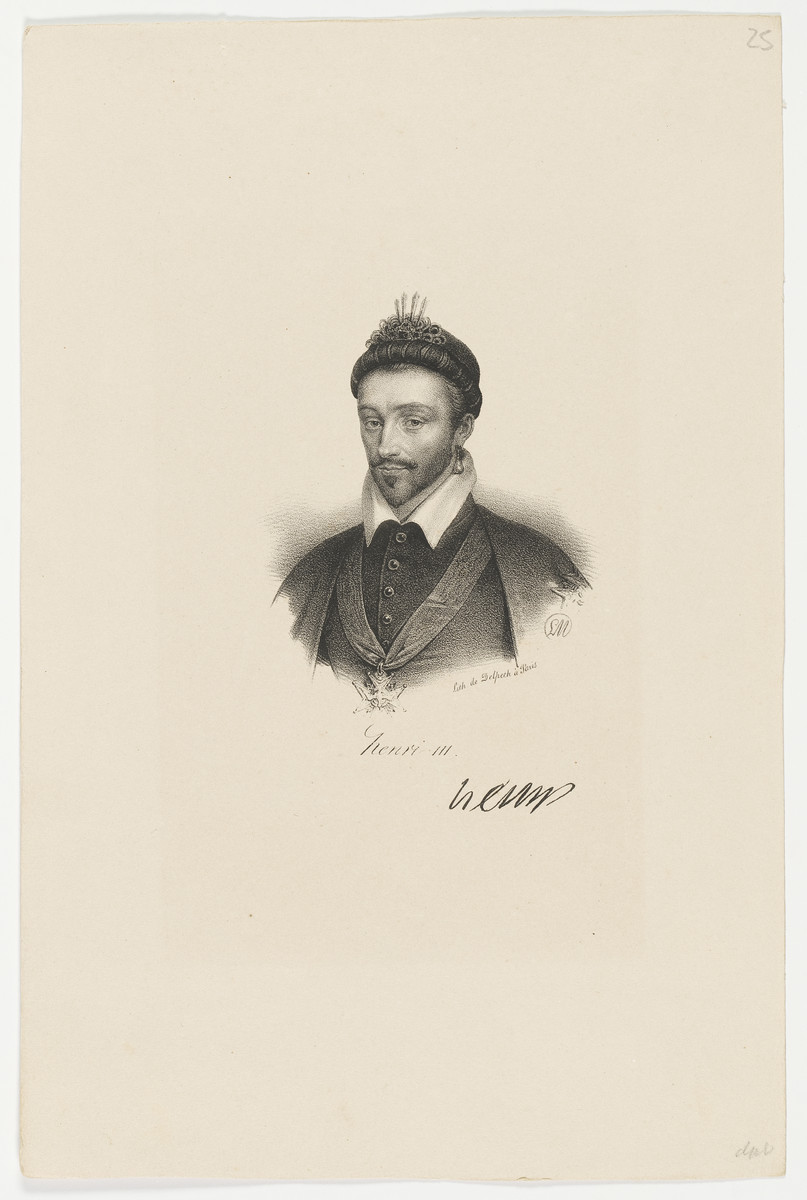
Portrait of Henry III (later lithographic copy)
Monogrammist LM · 1800-1825
A later black-and-white lithographic portrait of Henry III, made as a copy after an older likeness. It shows how the king was pictured in the early nineteenth century.
A later copy of a portrait of Henry III, showing how the king was pictured centuries after his reign, held in Leipzig University Library.
About this source
What it is
This is a black-and-white lithographic portrait of Henry III, printed on cream paper. It shows a bearded man in a plumed, jeweled cap, a white collar, a dark buttoned doublet and a sash with a small pendant. A printed caption reads 'Henri III', with a signature beneath it and a publisher's line at lower right. The catalogue records it as a later drawn portrait, made as a copy after an older likeness. It was drawn by an artist known as Monogrammist LM, with the drawing dated between 1800 and 1825. It is held by Leipzig University Library.
Why it matters
Portraits of kings were often copied and reproduced, so the face that later viewers saw was often a version of an earlier image rather than a direct likeness. This print shows how Henry III was remembered in the early nineteenth century, long after his death in 1589. It reveals the taste of its time for royal portraits, while telling us little about Henry himself.
Look closer
- What details of clothing and posture does the artist choose to show, and what do they suggest about how a king should look?
- Why might a picture made between 1800 and 1825 be a copy of an older image rather than a new portrait?
- What does the caption and publisher's line tell you, and what information is missing?
This painting is part of the curated material that grounds the AI version of Henry III of France on Humy.ai — when students ask about related events, the AI can quote it and cite it.
More Henry III of France sources
Browse all 84 →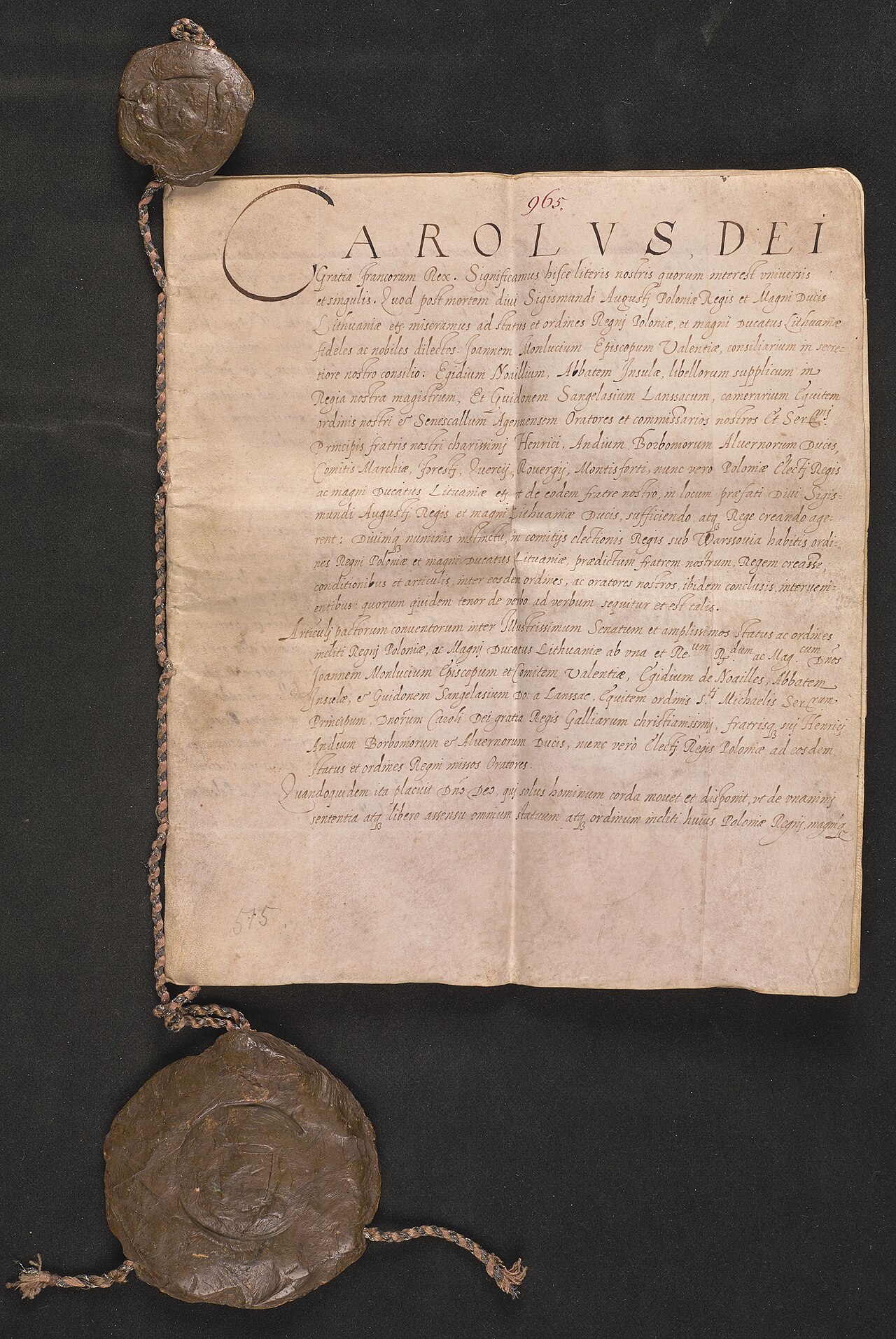 Document
Primary source
Pacta Conventa of Henry of Valois
1573
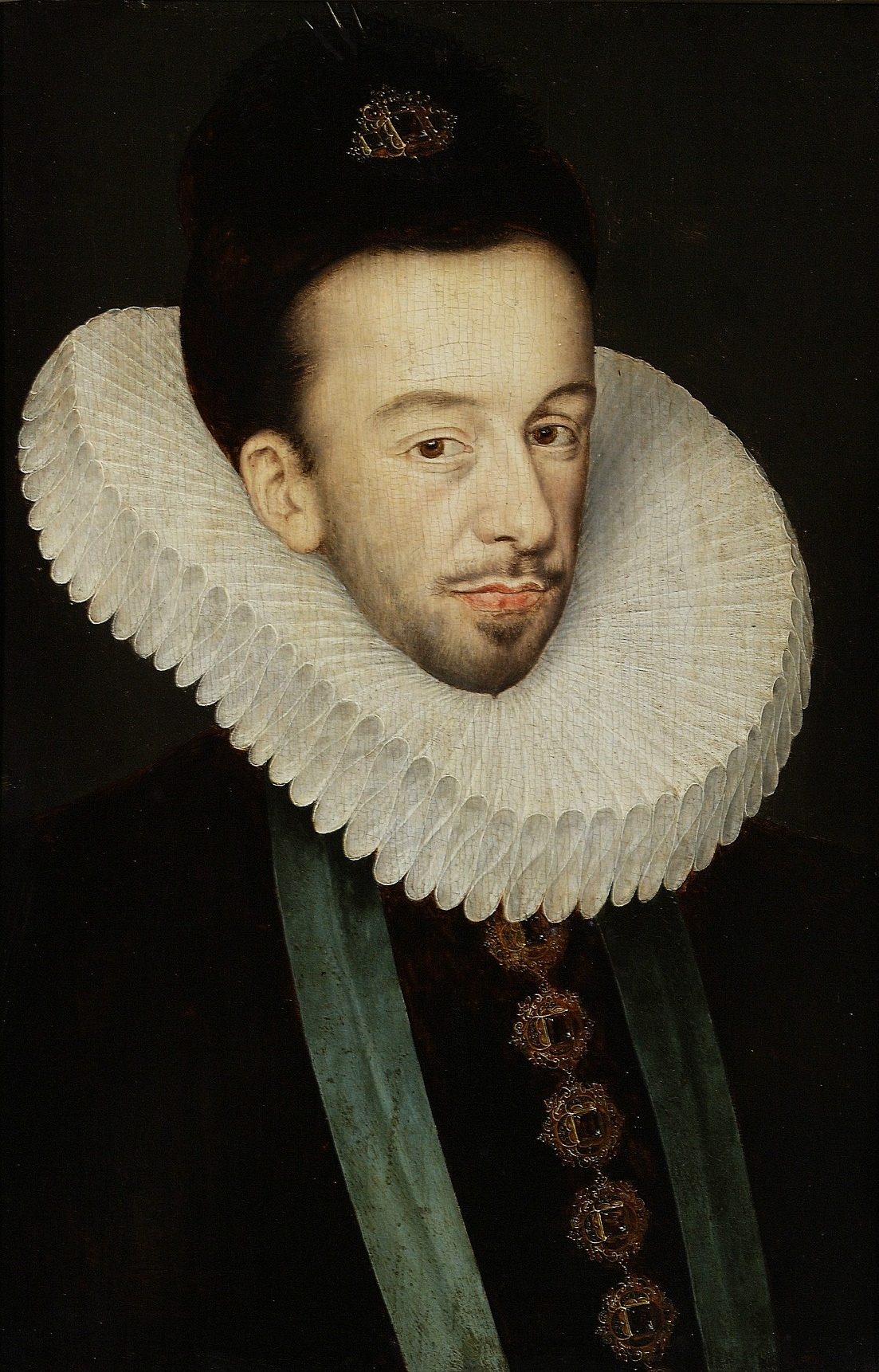 Painting
Primary source
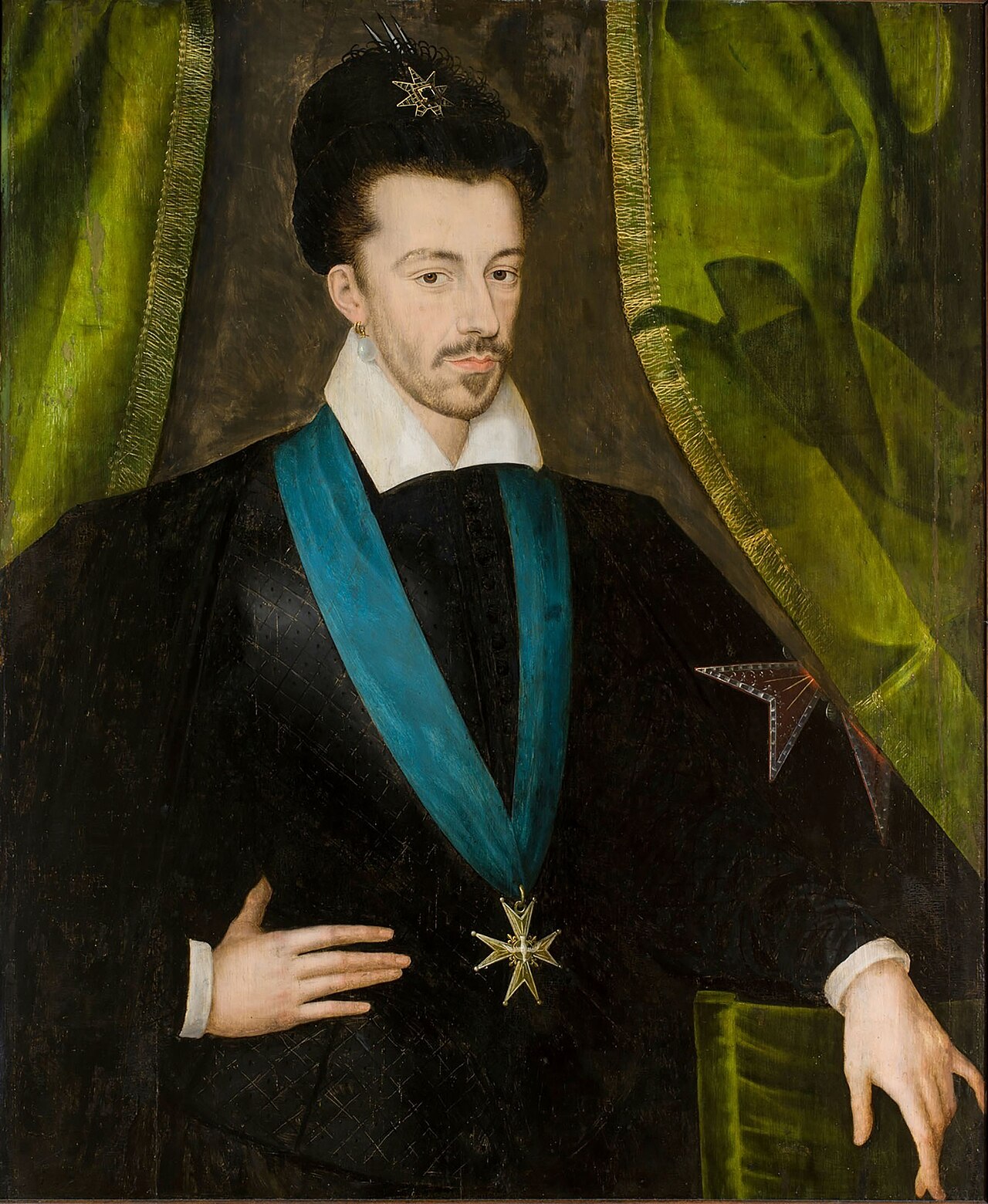
Portrait of Henri Valois
François Quesnel · 1588
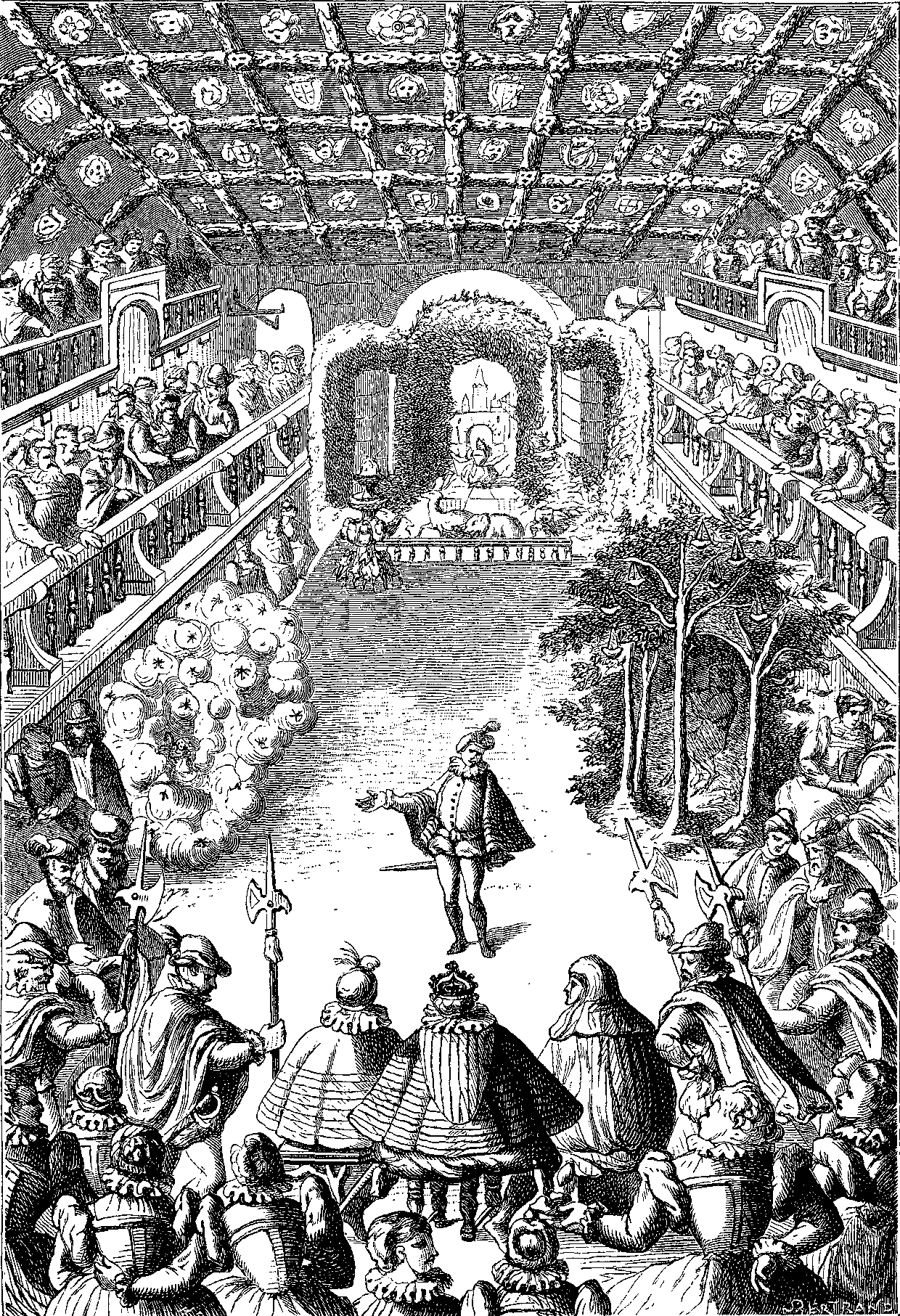 Painting
Secondary source
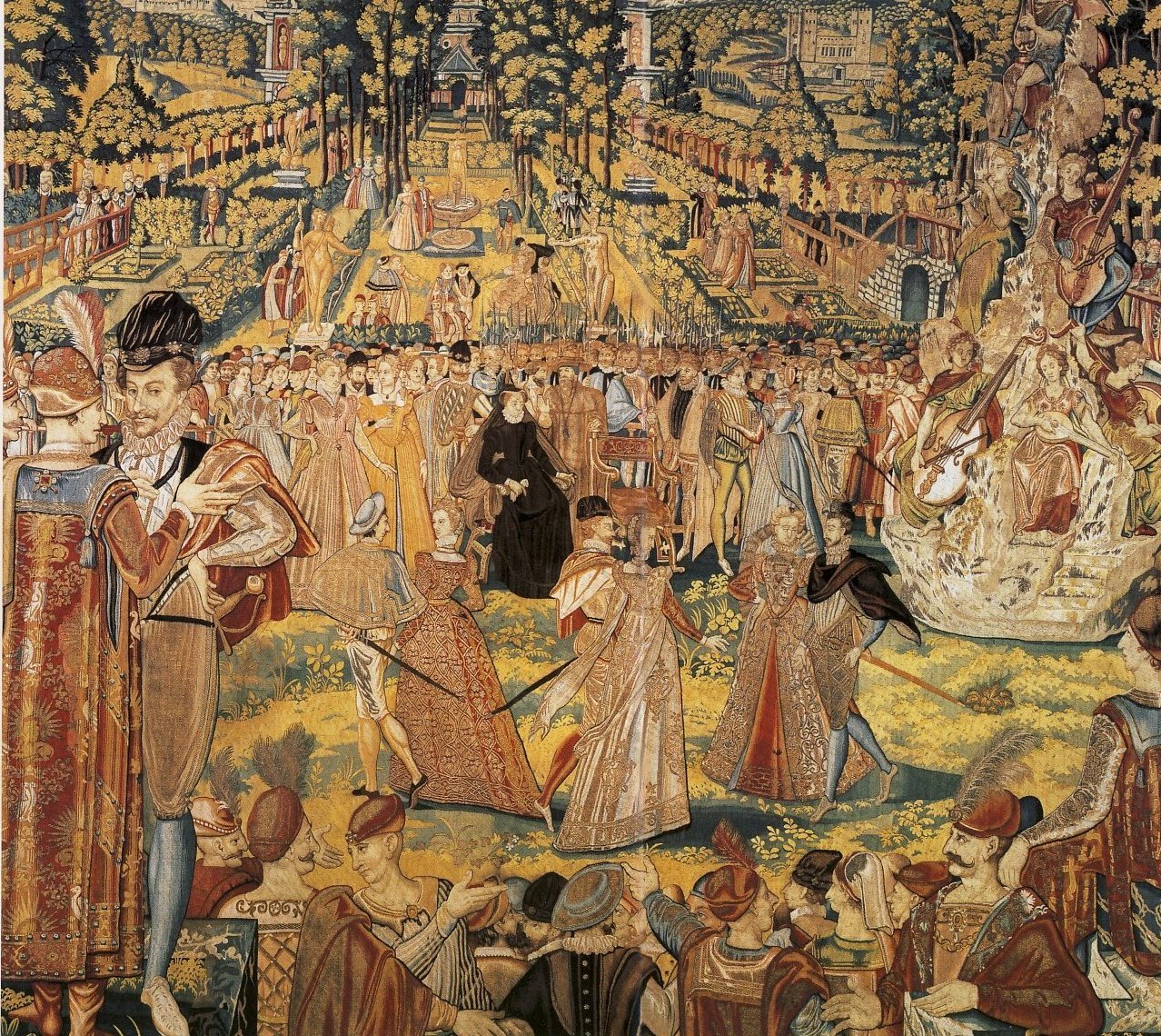
Ballet before Henri III and His Court
Jacques Patin · 1582
 Painting
Primary source
Portrait of Henry III of France in Polish Hat
François Quesnel
Free account
Read every Henry III of France source
Sign up free →
Ready when you are
Start chatting with Henry III of France now.
20 messages free · No credit card · Available in 50+ languages.