


Secondary sourcePaintingc. 1430
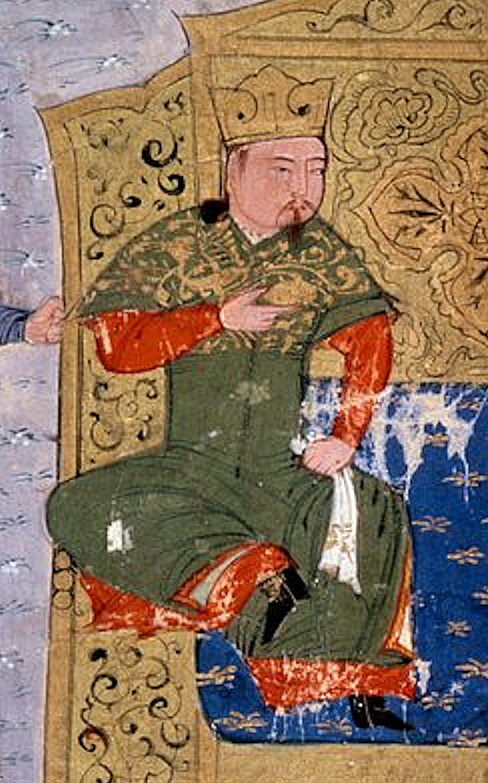
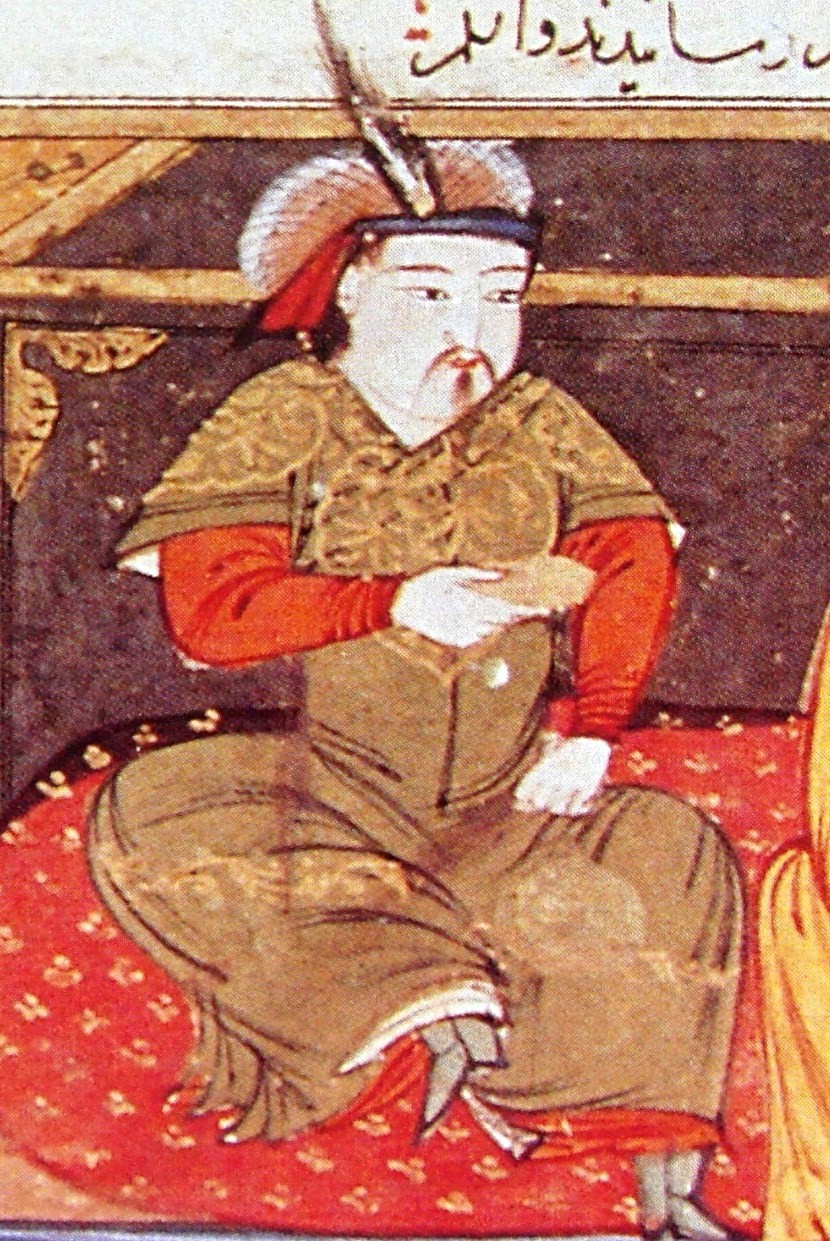
Portrait of Hulegu Khan
c. 1430
A 14th-century Ilkhanid miniature from the Jami' al-Tawarikh, one of the earliest surviving likenesses of Hulegu.
One of the earliest surviving portraits of Hulegu, made within his own dynasty's court tradition.
About this source
What it is
This Persian miniature painting shows Hulegu Khan seated in a tall gold crown and green robe. It comes from the Jami' al-Tawarikh (Universal History) by the historian Rashid al-Din, made within the court culture of the Ilkhanid dynasty Hulegu founded.
Why it matters
As one of the earliest images of Hulegu, this miniature shows how his descendants' court wanted him pictured as a dignified, crowned ruler. It is used today as the standard portrait associated with him.
Look closer
- What symbols of rulership - crown, robe, posture - do you notice, and why might the artist have included them?
- Why would Hulegu's own dynasty want to produce an image like this?
- What is missing from this image that you might want to know about Hulegu's life?
This painting is part of the curated material that grounds the AI version of Hulegu Khan on Humy.ai — when students ask about related events, the AI can quote it and cite it.
More Hulegu Khan sources
Browse all 68 →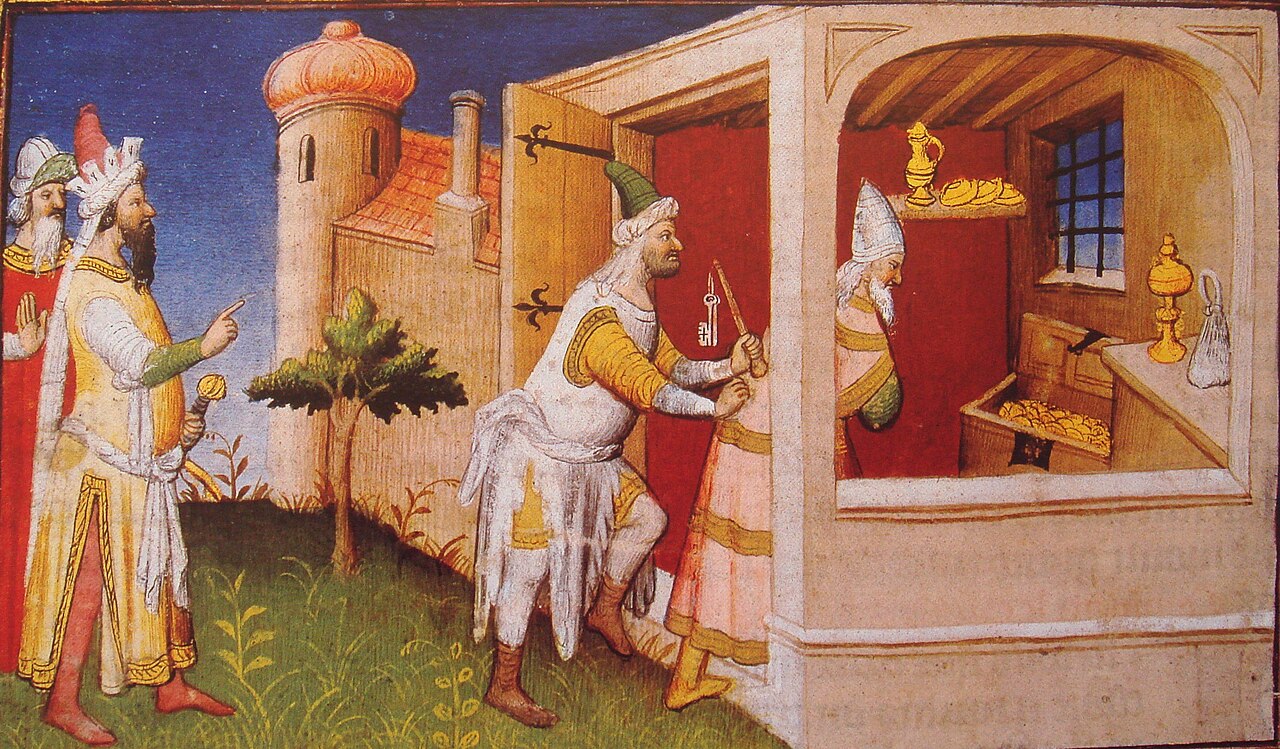 Painting
Secondary source
HulaguInBagdad
Maître de la Mazarine
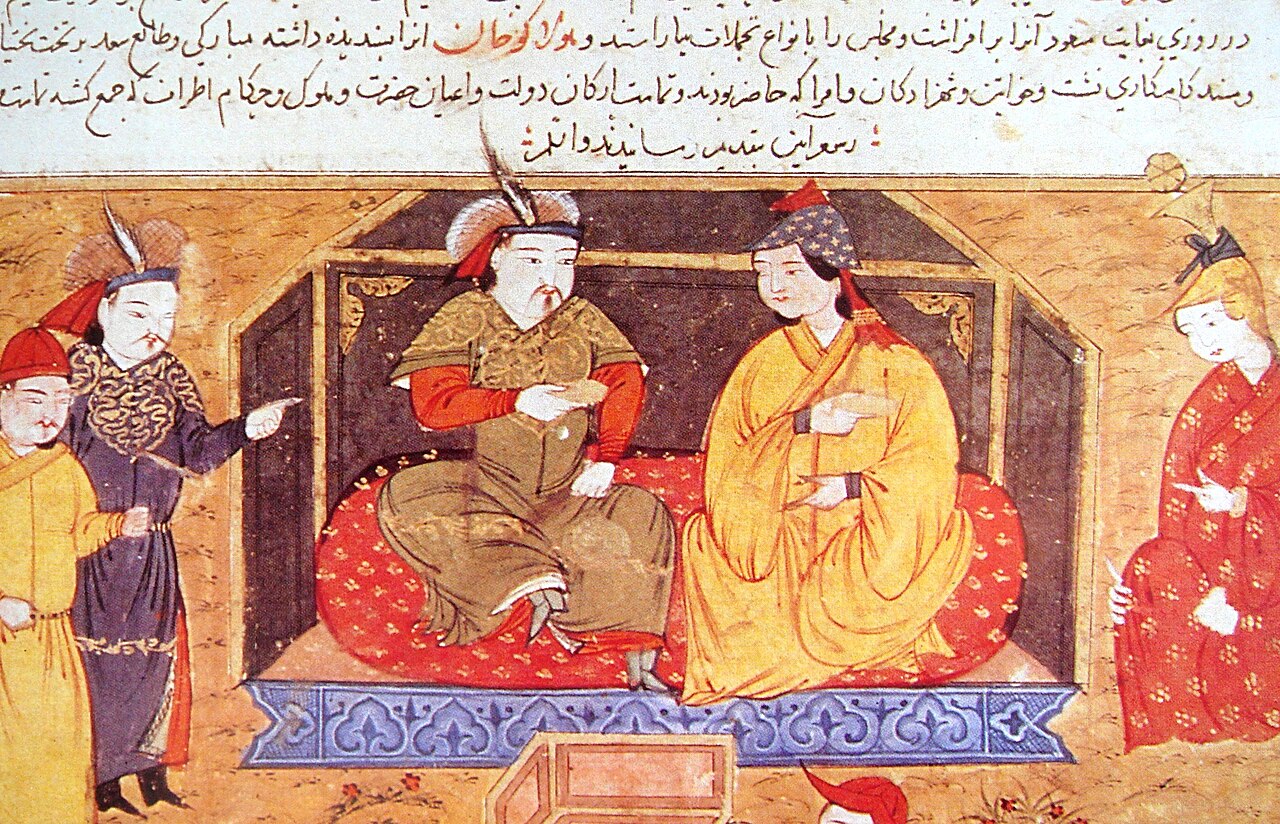 Painting
Secondary source
Hulagu and Doquz Khatun Enthroned
Rashid al-Din
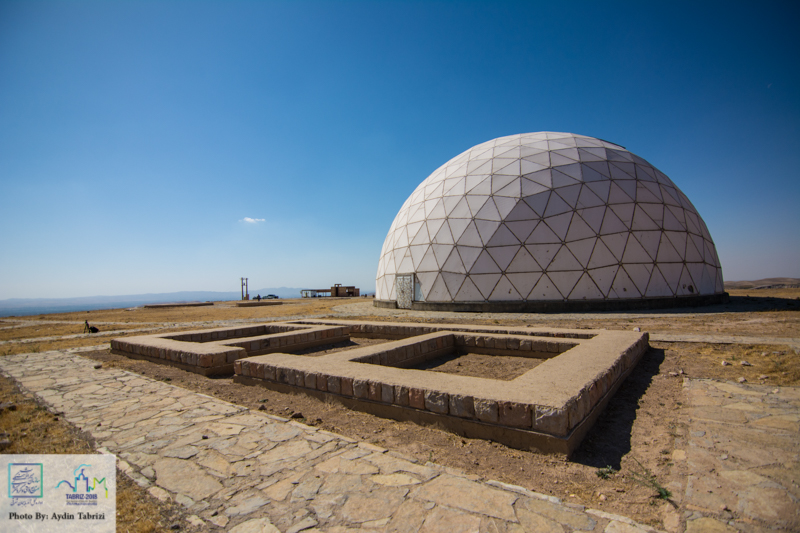 Artifact
Primary source
Maragheh Observatory
1259
 Painting
Secondary source
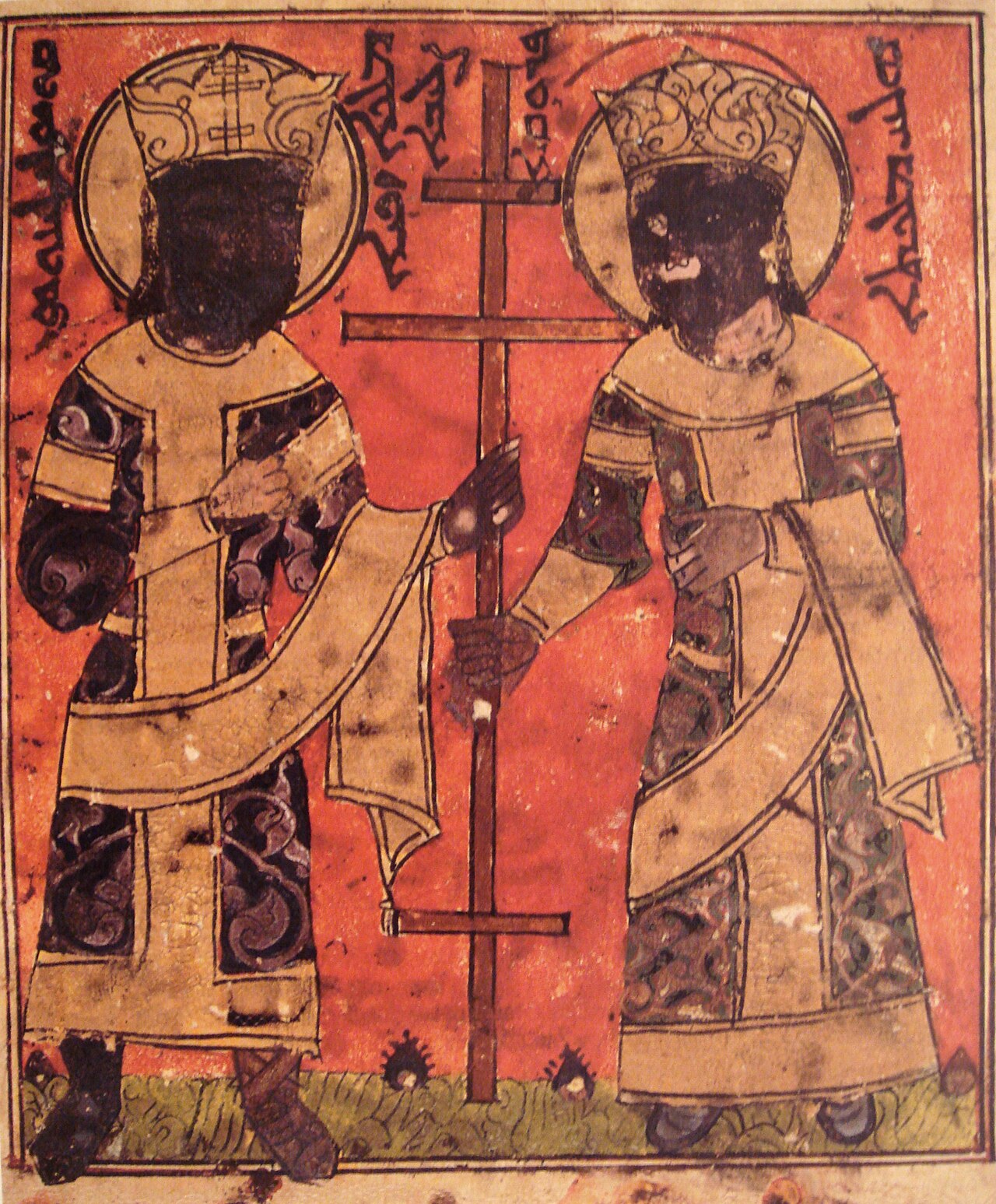
Hulagu and Doquz-Qatun in Syriac Bible
Unknown
Free account
Read every Hulegu Khan source
Sign up free →
Ready when you are
Start chatting with Hulegu Khan now.
20 messages free · No credit card · Available in 50+ languages.