


Primary sourcePaintingc. 1650
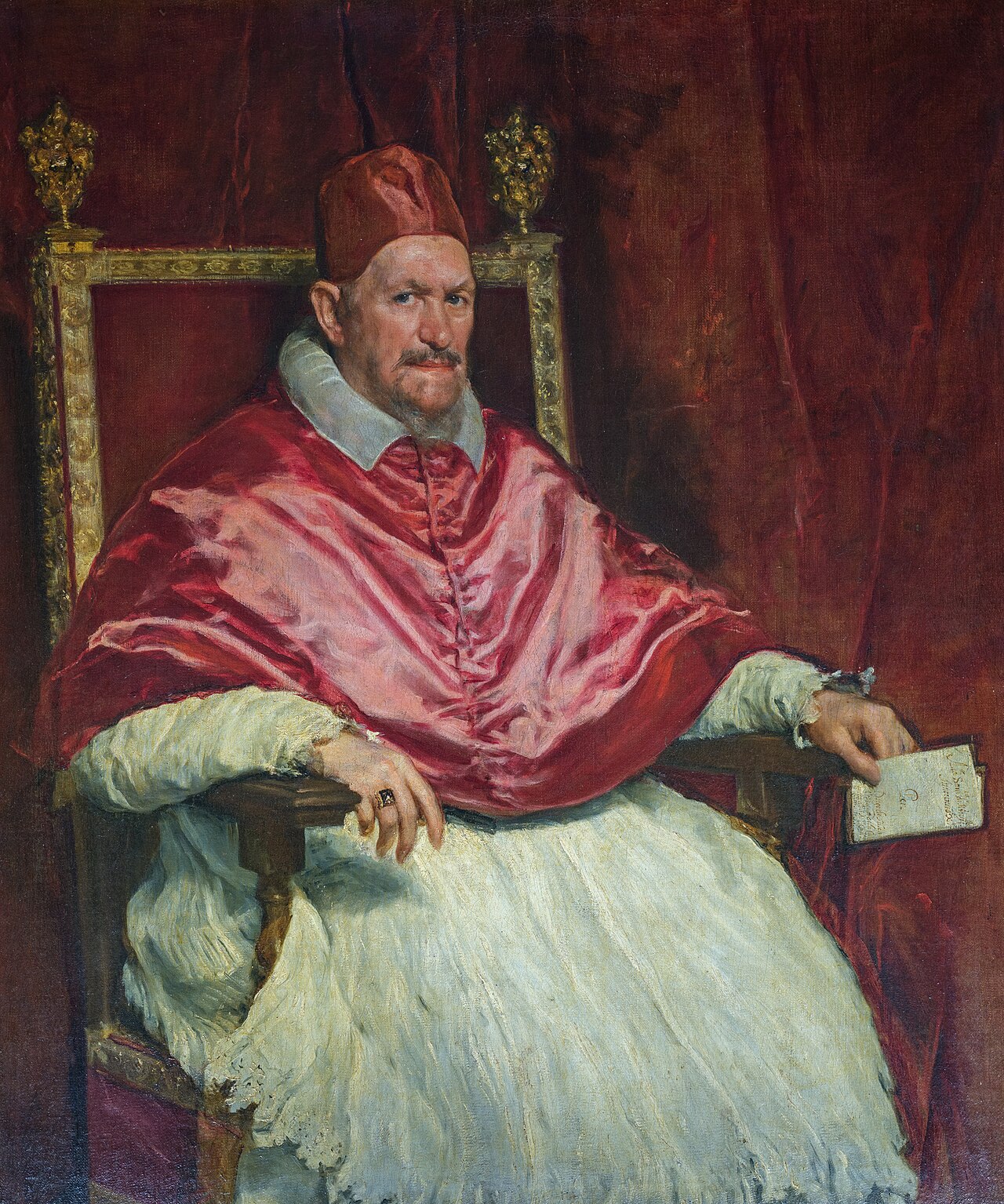
Portrait of Innocent X
Diego Velázquez · c. 1650
Velázquez's piercing 1650 portrait of Pope Innocent X, painted in Rome and widely considered one of the finest portraits ever made.
Painted by Velázquez in Rome, this portrait made his European reputation as a master of realistic portraiture.
About this source
What it is
This portrait of Pope Innocent X was painted by Diego Velázquez around 1650, during his second trip to Italy. It shows the Pope seated in red robes, holding a folded paper bearing the artist's signature. The painting has remained in the Doria Pamphilj family's collection in Rome, now displayed in the Galleria Doria Pamphilj.
Why it matters
The portrait helped build Velázquez's reputation across Europe, following earlier portraits he had painted of people in the Pope's circle. Its unflinching realism, showing the Pope as shrewd and aging rather than idealized, was unusual for official portraits of powerful men. Centuries later, the painting deeply influenced the 20th-century artist Francis Bacon, who created dozens of distorted variations of it.
Look closer
- What does the Pope's expression suggest about his personality, and how did Velázquez create that impression?
- Why might Velázquez have included his own signature on the paper in the Pope's hand?
- How does the color red dominate the painting, and what effect does that create?
This painting is part of the curated material that grounds the AI version of Diego Velázquez and Francis Bacon on Humy.ai — when students ask about related events, the AI can quote it and cite it.
More Diego Velázquez sources
Browse all 98 →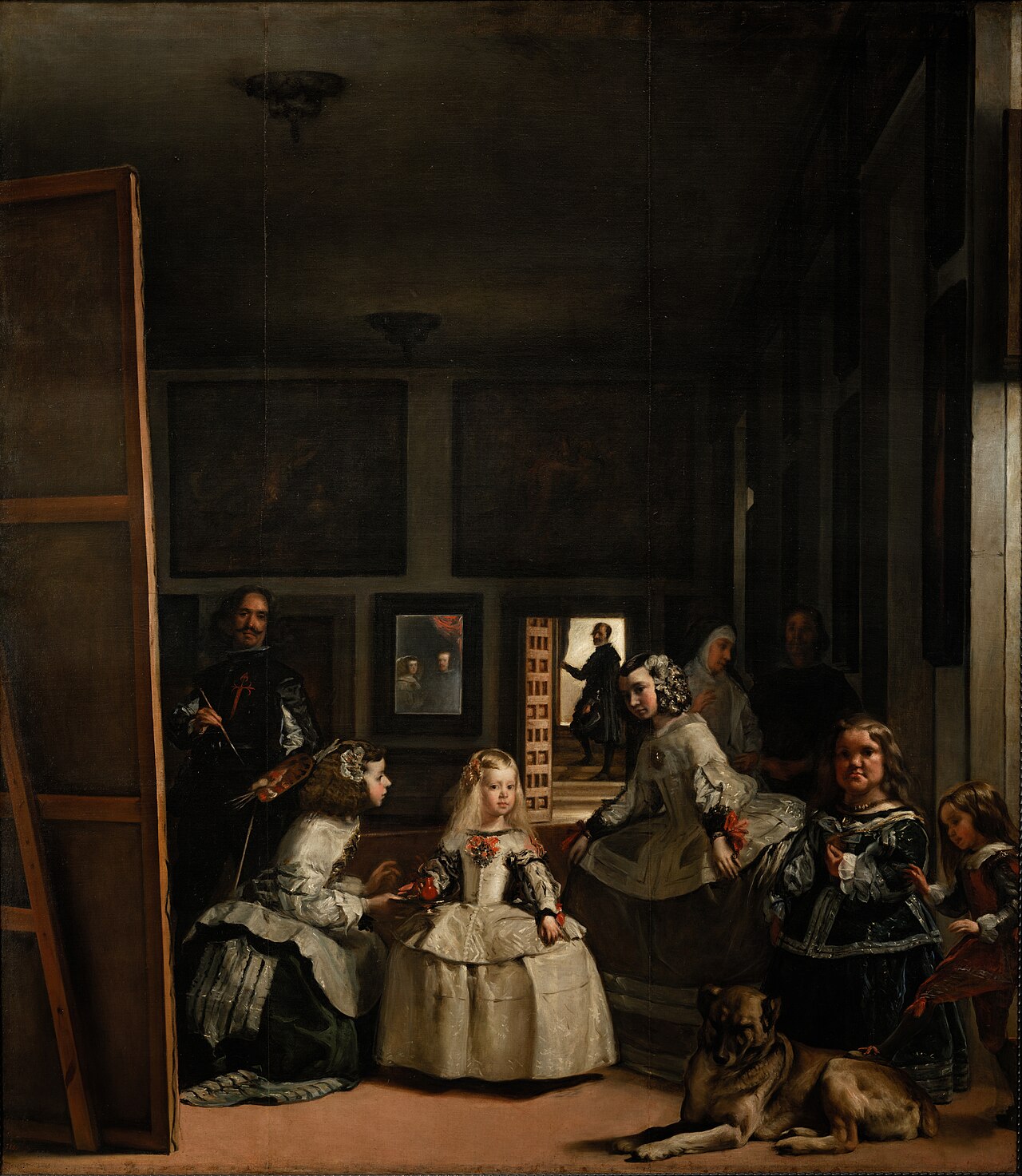 Painting
Primary source
Las Meninas
Diego Velázquez · 1656
 Painting
Primary source
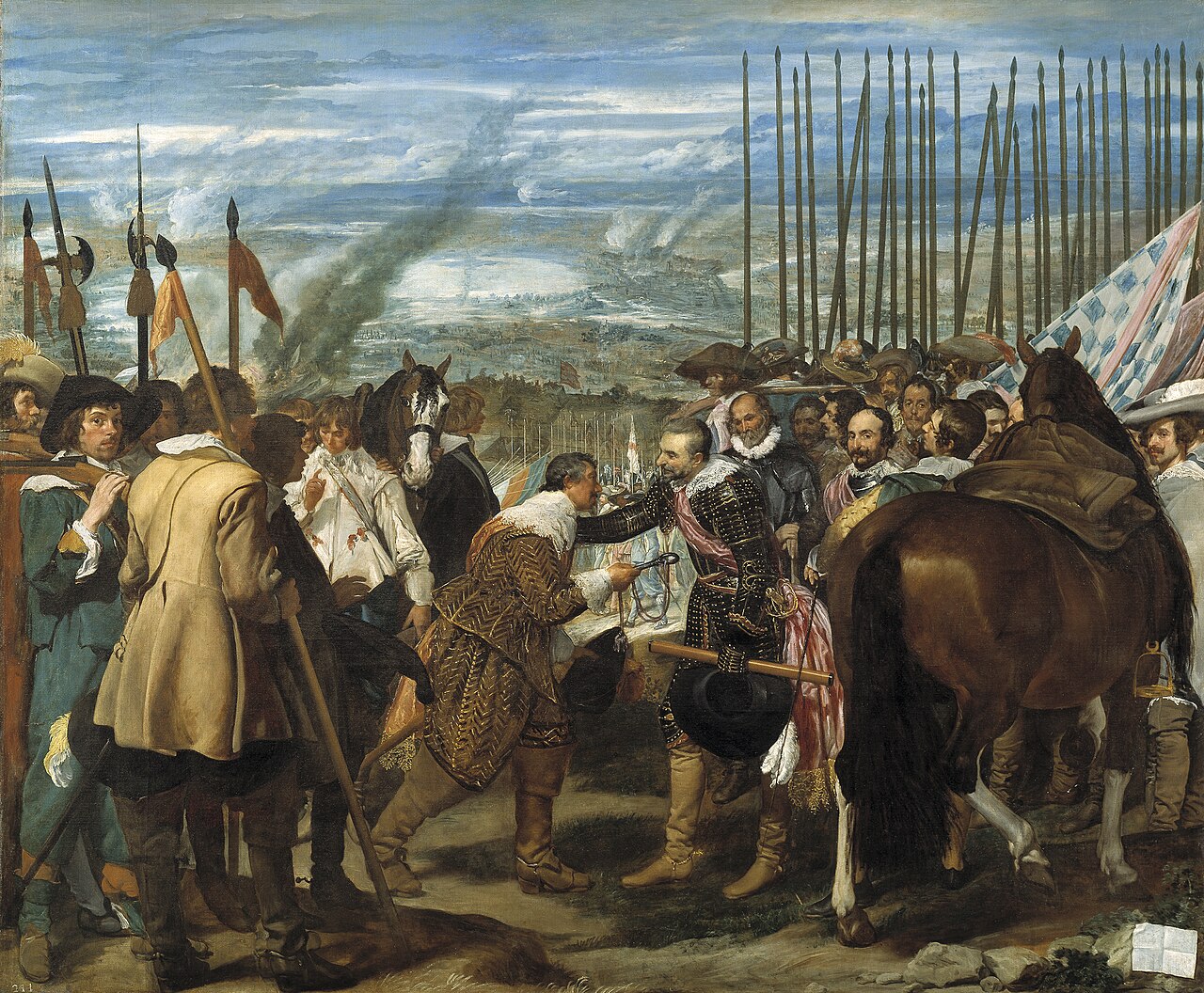
The Surrender of Breda
Diego Velázquez · 1634–1635
 Painting
Primary source
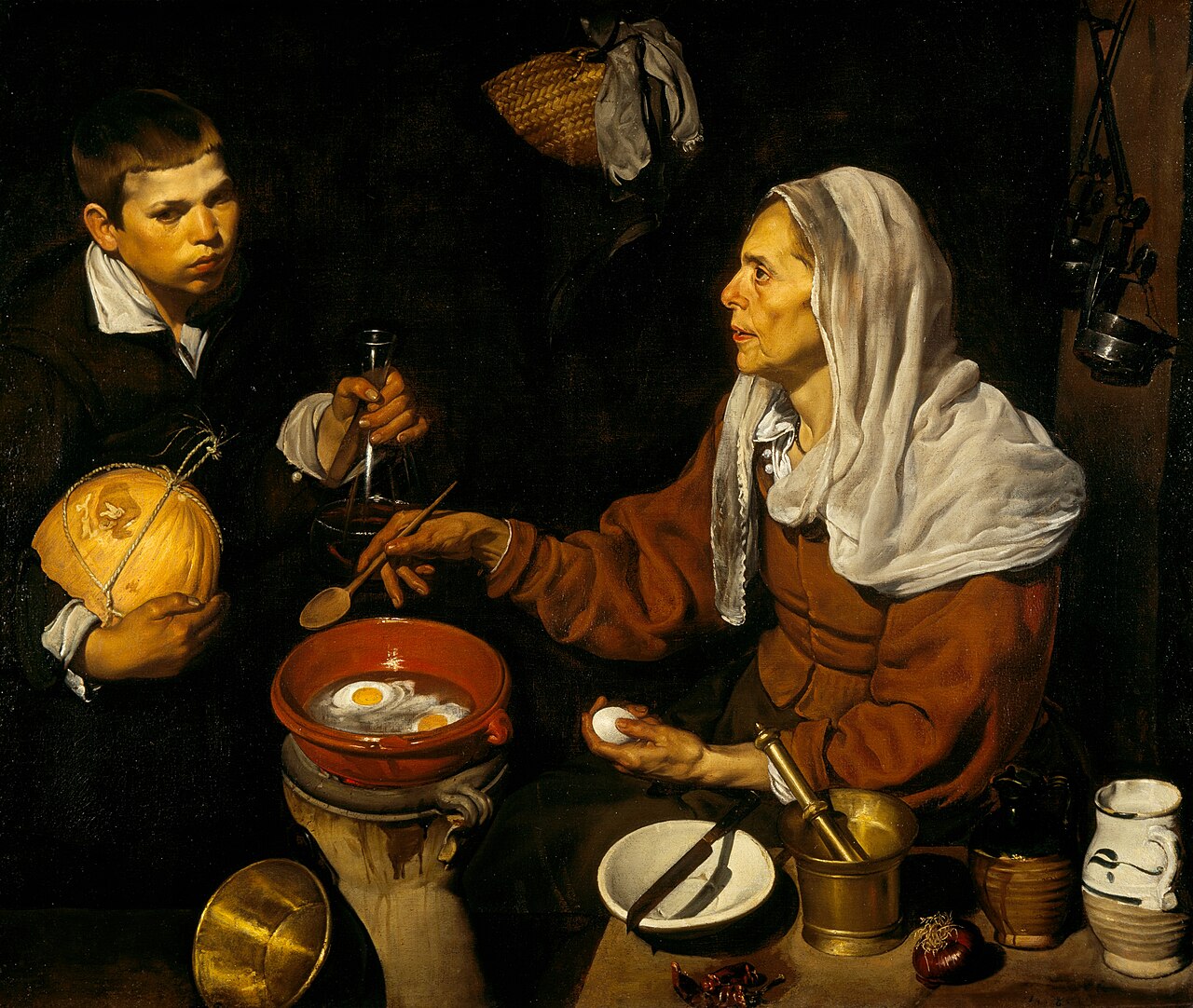
Old Woman Cooking Eggs
Diego Velázquez · c. 1618
 Painting
Primary source
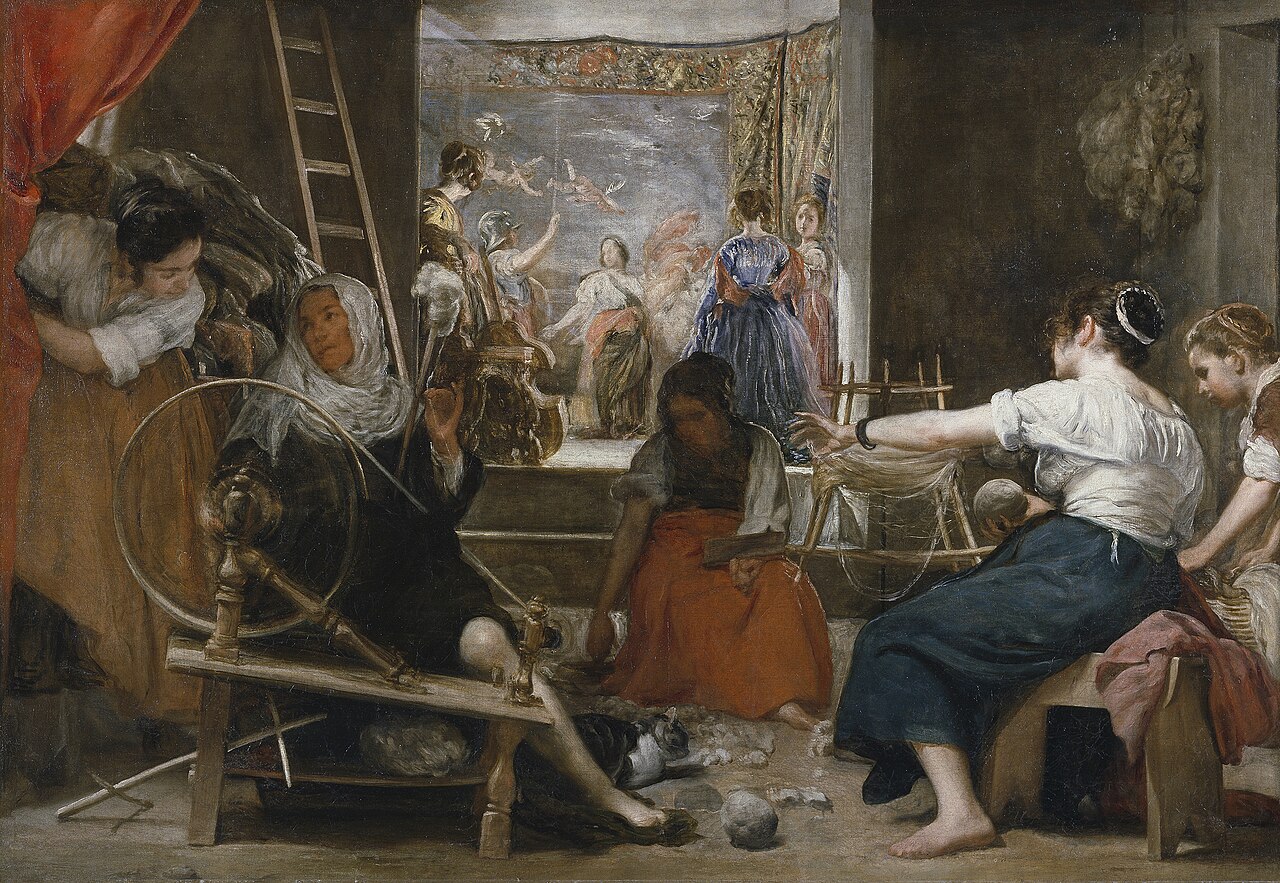
Las Hilanderas
Diego Velázquez · c. 1655–1658
Free account
Read every Diego Velázquez source
Sign up free →
Ready when you are
Start chatting with Diego Velázquez now.
20 messages free · No credit card · Available in 50+ languages.