


Primary sourcePhotograph1946
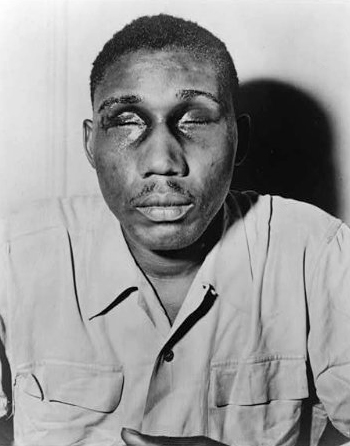
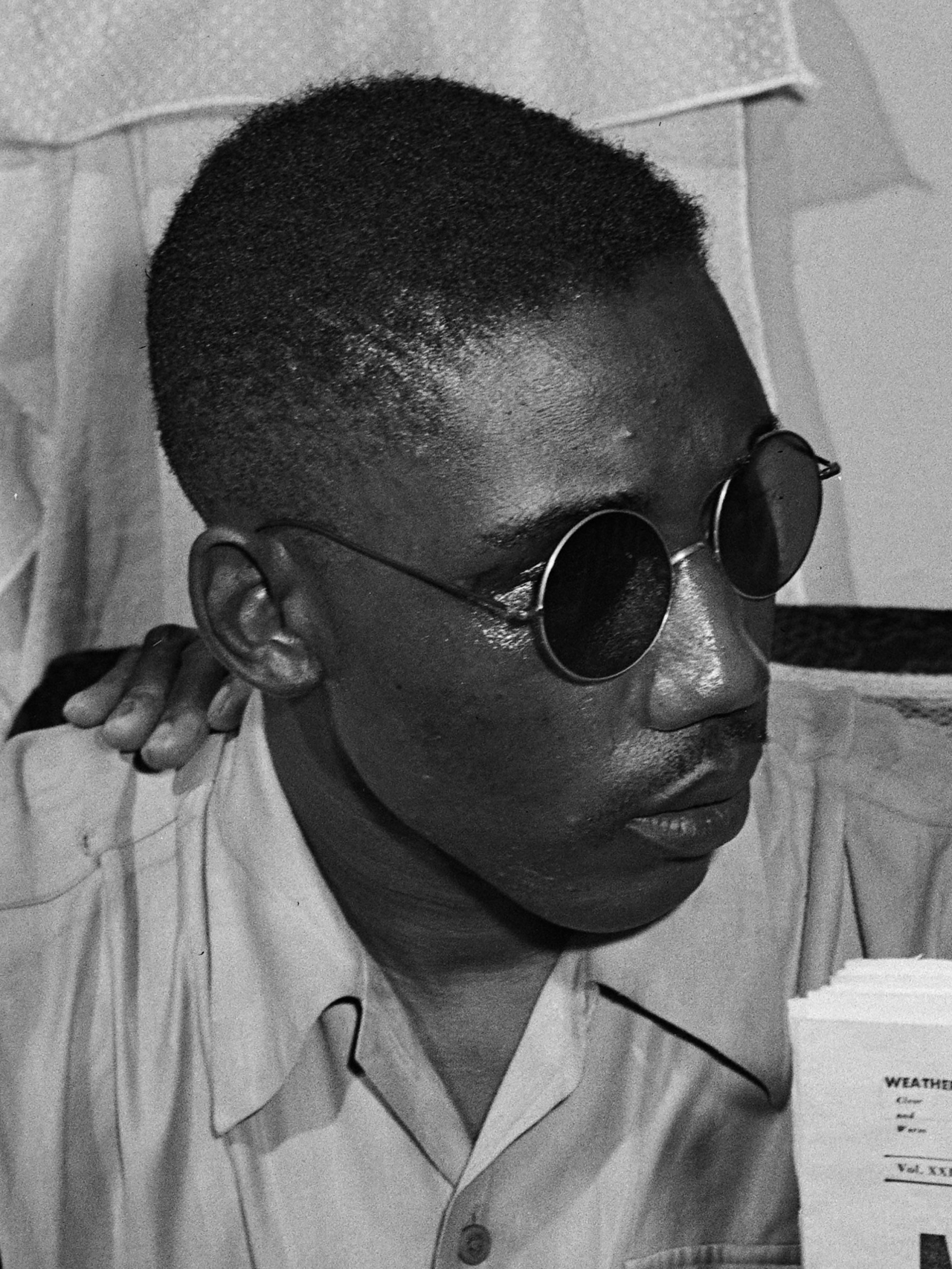
Portrait of Isaac Woodard
1946
A 1946 photograph of Isaac Woodard, in dark glasses after being blinded by police, used by the NAACP and press to publicize his case.
This photograph of Woodard's injuries after his blinding became the public face of his case.
About this source
What it is
This black-and-white photograph shows Isaac Woodard, a World War II veteran, with his face bruised and his eyes swollen shut after he was beaten and blinded. It was taken in 1946 and distributed for a speaking tour that Woodard made with lawyer Thurgood Marshall that November.
Why it matters
The image turned Woodard's suffering into evidence the public could not ignore. It was used by the NAACP and the press to build outrage over racial violence against Black veterans returning from the war, and it helped push the case into the national spotlight.
Look closer
- What does the photograph show, and what does it leave out about how the injuries happened?
- Why might the NAACP have chosen to distribute this particular image widely?
- How might a photograph like this change public opinion compared to a written report?
This photograph is part of the curated material that grounds the AI version of Isaac Woodard on Humy.ai — when students ask about related events, the AI can quote it and cite it.
More Isaac Woodard sources
Meet the AI Isaac Woodard →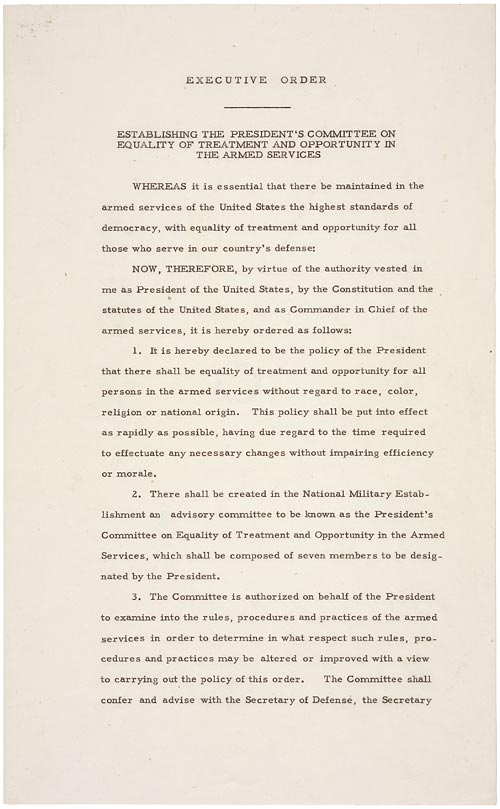 Document
Primary source
Executive Order 9981
Harry S. Truman · 26 July 1948
 Document
Secondary source
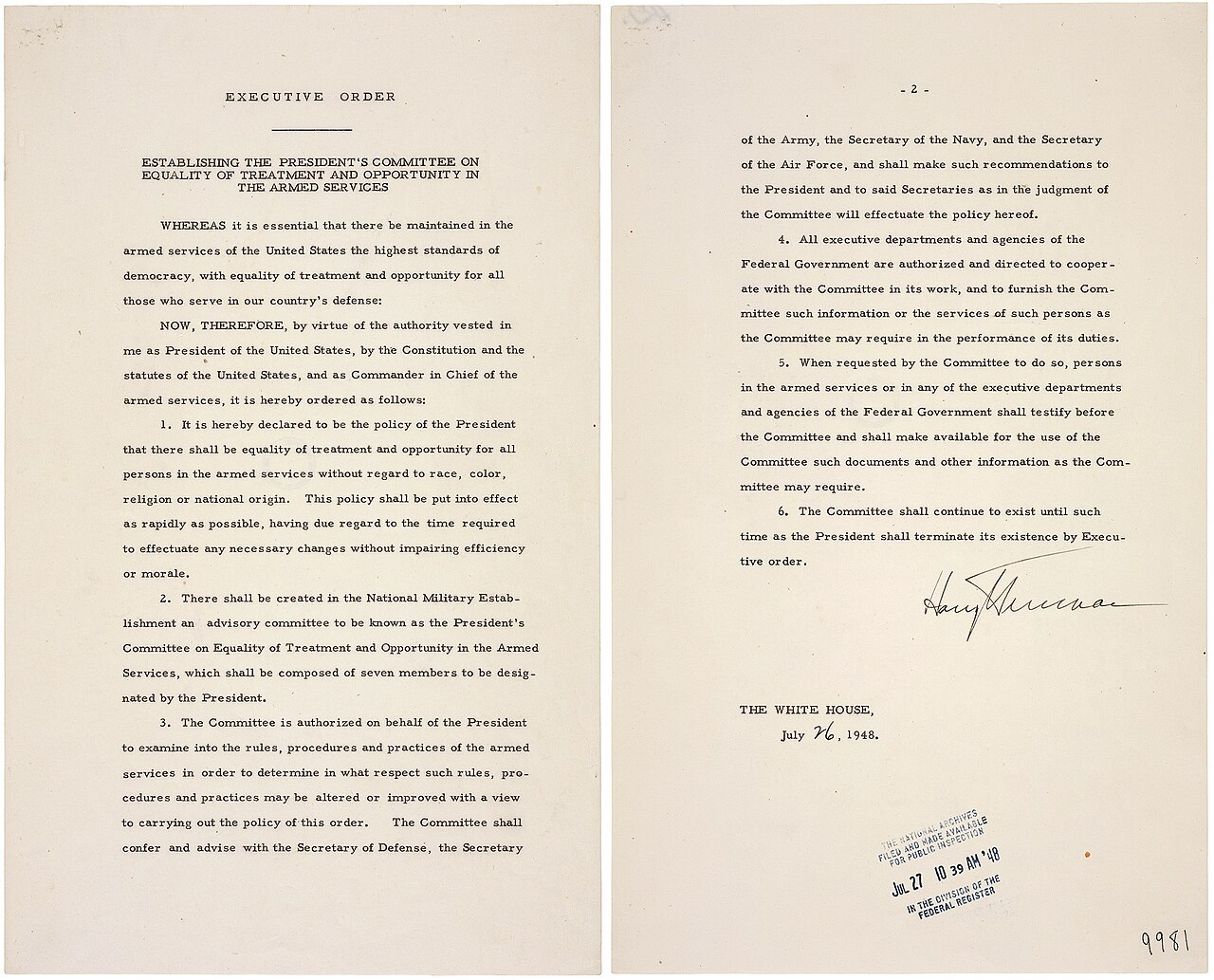
Executive Order 9981, Ending Military Segregation
Mark Olsen · 3 February 2016 (photograph of 1948 document)
 Photograph
Primary source
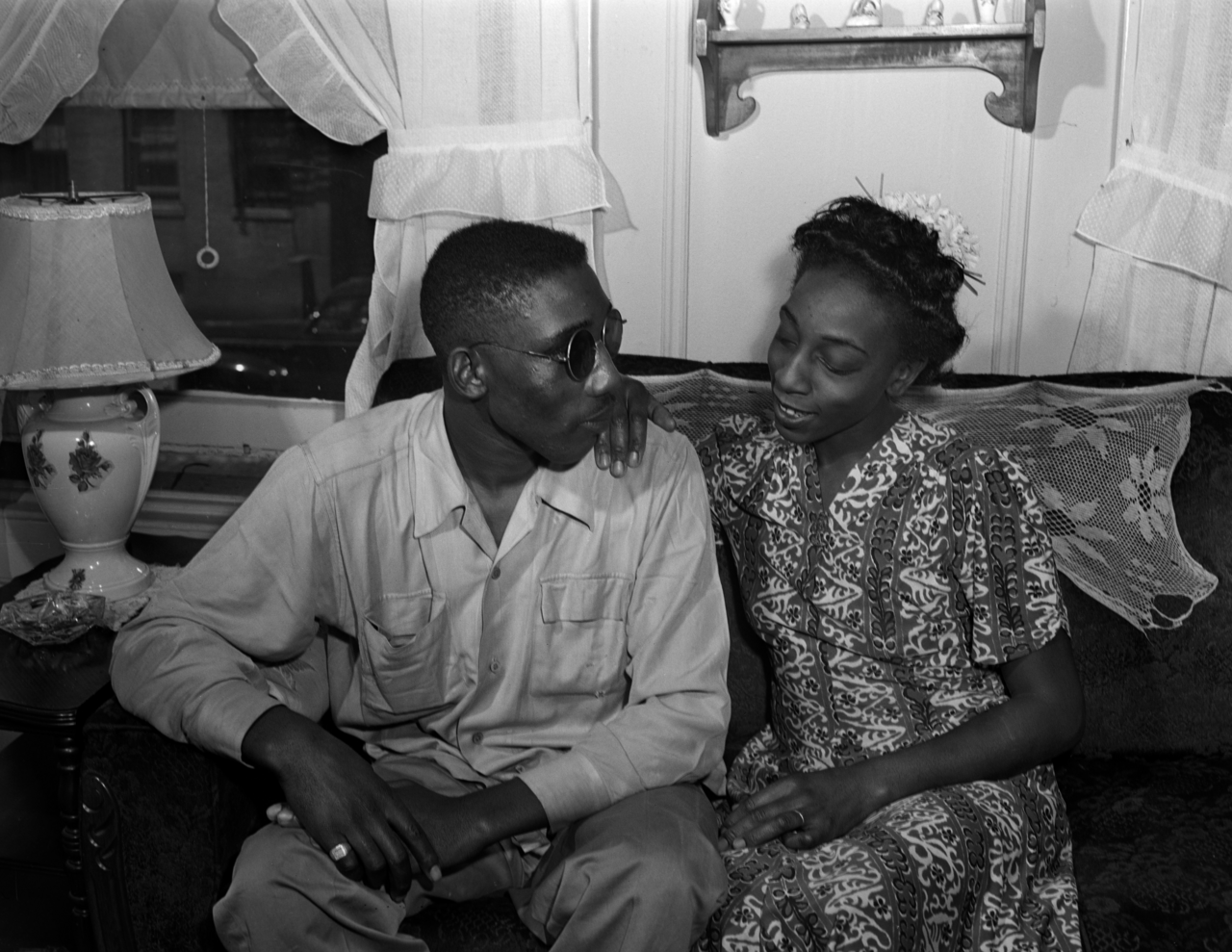
Isaac Woodard, Blinded Veteran in His Home
Daily Worker · July 1946
 Photograph
Primary source
Isaac Woodard, Blinded Veteran in His Home (with his mother)
Sunday Worker · July 1946
 Newspaper article
Primary source
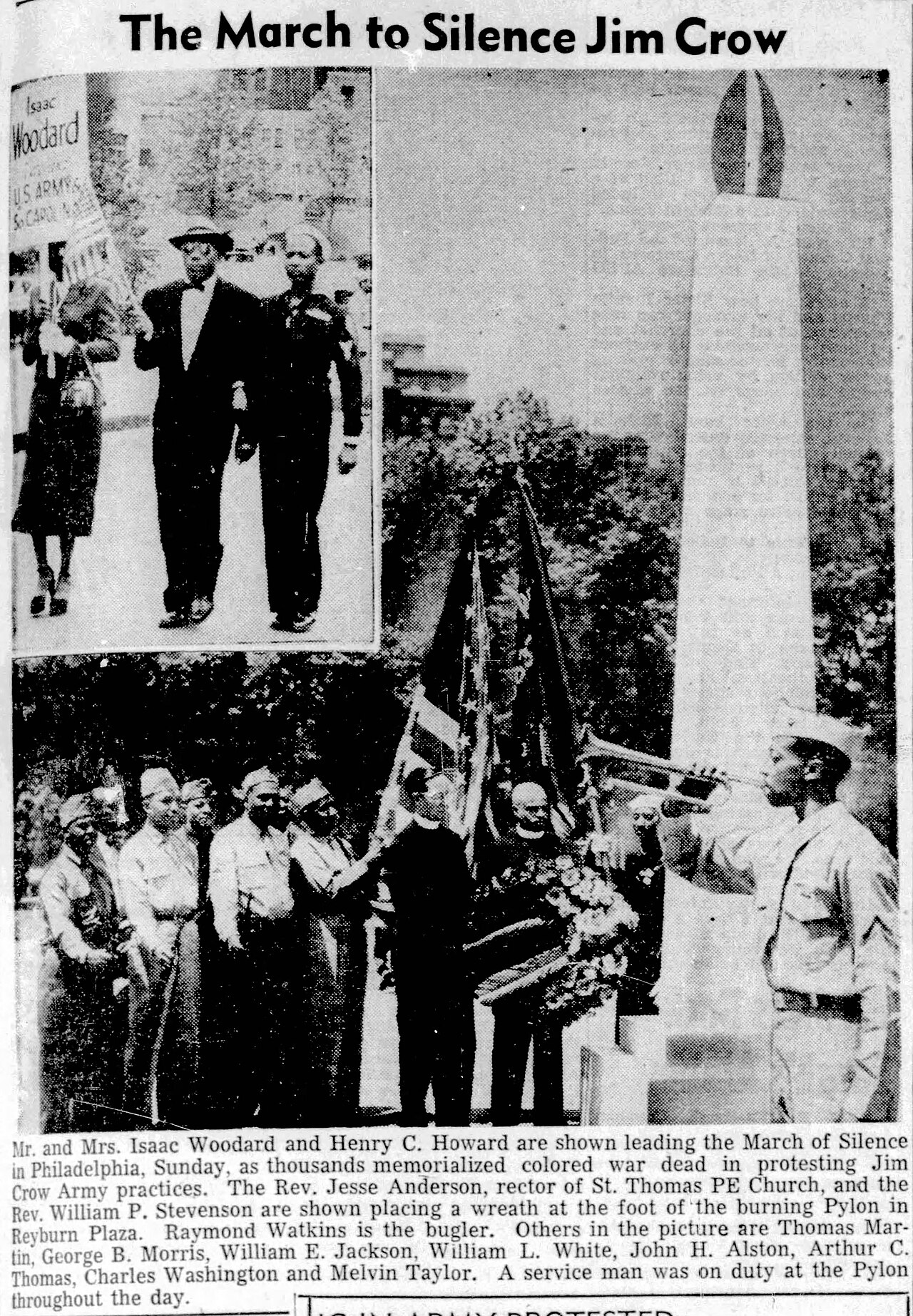
The March to Silence Jim Crow
1946
Ready when you are
Start chatting with Isaac Woodard now.
20 messages free · No credit card · Available in 50+ languages.