


Primary sourcePainting1819
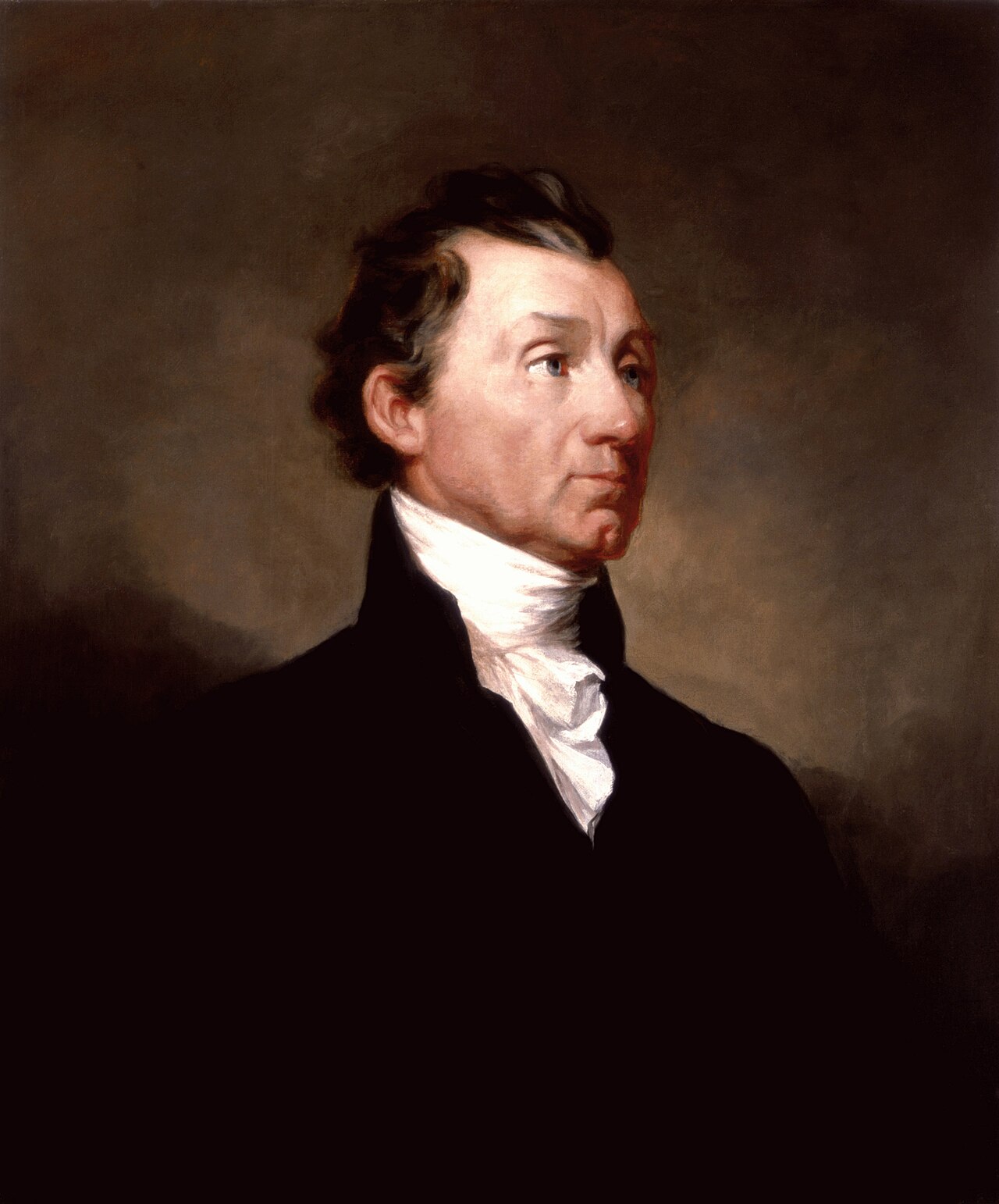
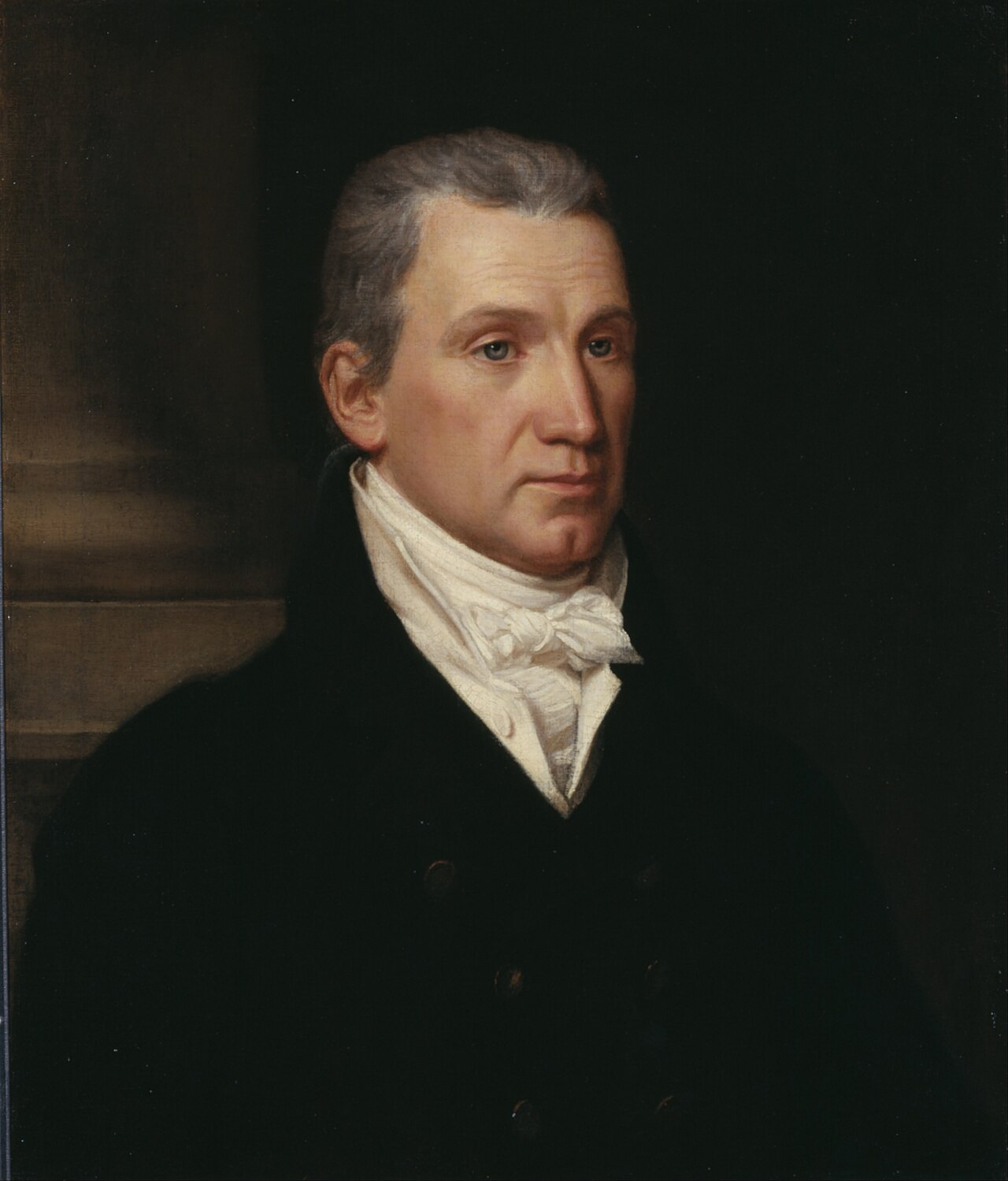
Portrait of James Monroe
Samuel Finley Breese Morse · 1819
Samuel F. B. Morse's 1819 full-length portrait of President James Monroe, commissioned by the city of Charleston.
This is an official presidential portrait of Monroe, painted from life sittings during his presidency.
About this source
What it is
This is a c.1819 portrait of President James Monroe painted by American artist Samuel F. B. Morse, who later invented Morse code. A shorter head-and-shoulders version, now at the White House, was made at the request of Monroe's daughter.
Why it matters
Morse was commissioned by the Charleston city council to paint Monroe during a presidential visit, but had to finish the work in Washington with only brief sittings. Monroe's daughter said this version was the only portrait that truly looked like her father, even though other famous artists such as Gilbert Stuart had also painted him. The painting reflects both Monroe's public image as the fifth president, from a slaveholding Virginia family, and Morse's own career as a struggling young portraitist before his later fame as an inventor.
Look closer
- What does Monroe's pose and clothing communicate about his role as president?
- Why might a short, informal sitting produce a portrait considered more accurate than others?
- What does this portrait leave out about Monroe's life and policies?
This painting is part of the curated material that grounds the AI version of James Monroe and Samuel Morse on Humy.ai — when students ask about related events, the AI can quote it and cite it.
More James Monroe sources
Meet the AI James Monroe →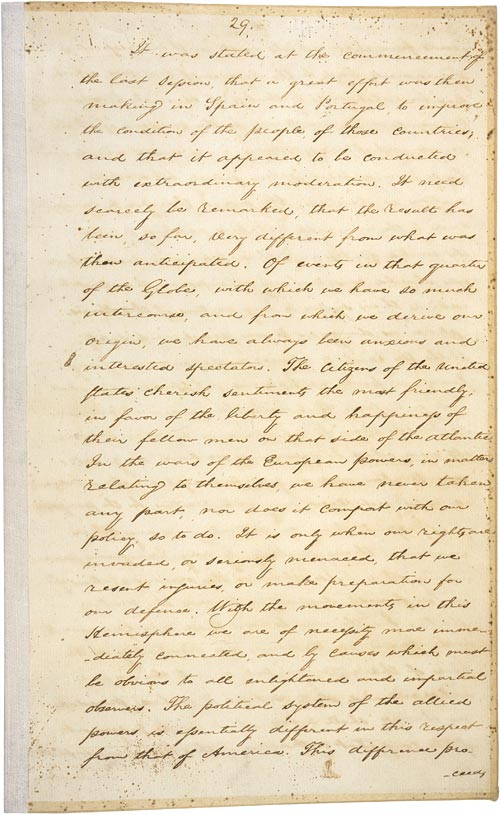 Speech
Primary source
Monroe Doctrine
James Monroe · 2 December 1823
Primary source
Louisiana Purchase Treaty
30 April 1803
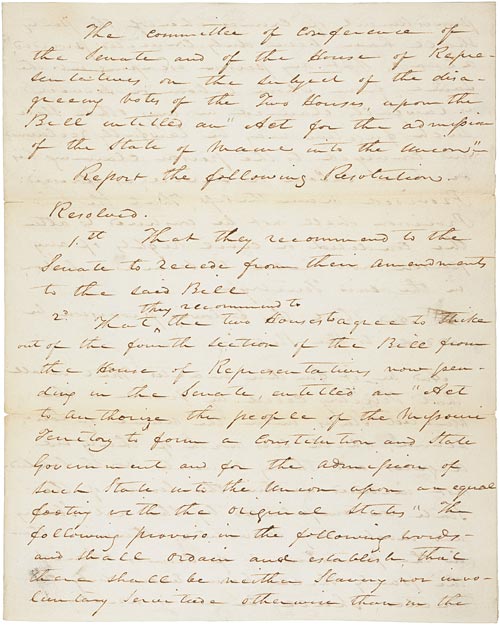 Document
Primary source
Missouri Compromise Conference Committee Report
1 March 1820
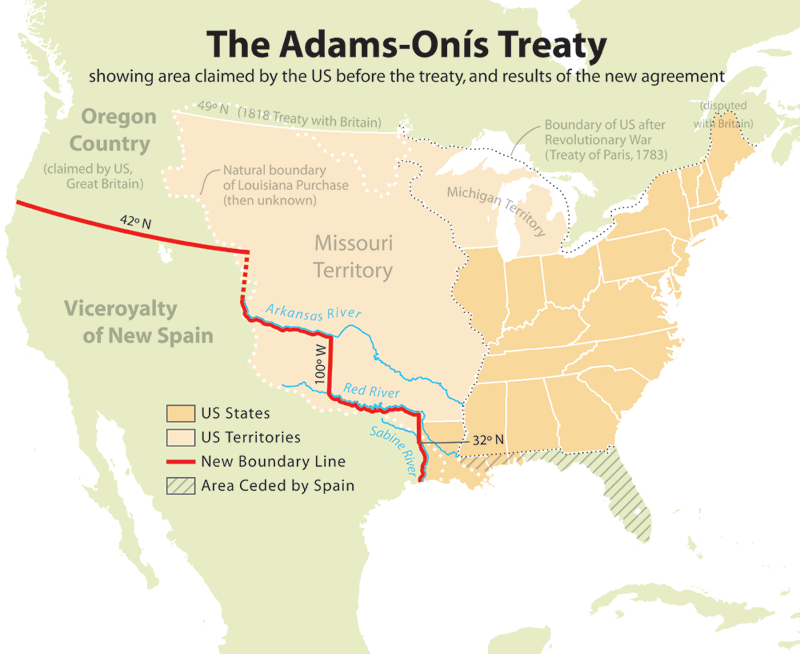 Document
Primary source
Adams–Onís Treaty
1819 (effective 1821)
 Painting
Primary source
James Monroe
John Vanderlyn · 1816
Ready when you are
Start chatting with James Monroe now.
20 messages free · No credit card · Available in 50+ languages.