


Secondary sourceArtifact1795
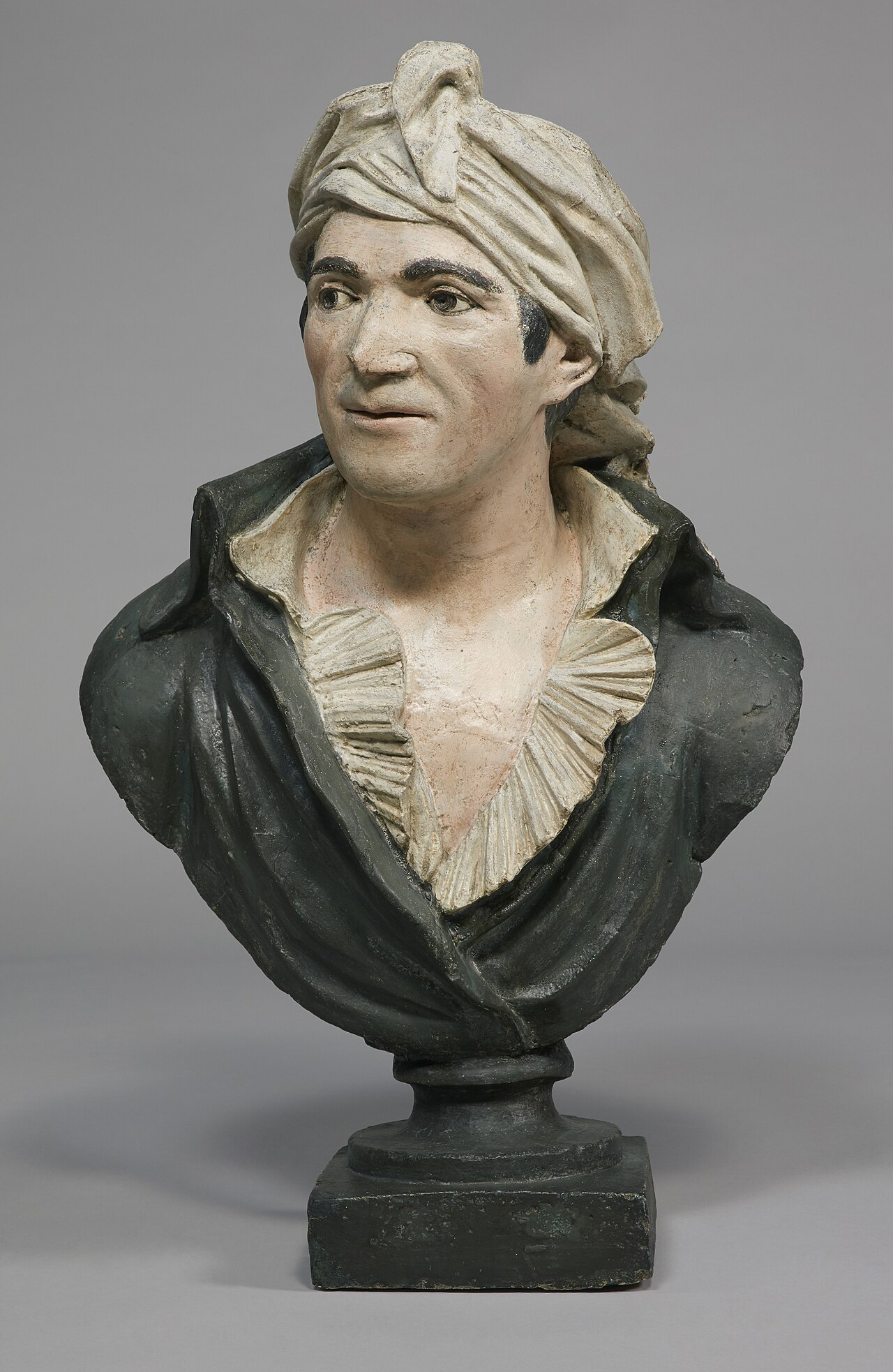
Portrait of Jean-Paul Marat
1795
A painted plaster bust of Jean-Paul Marat from 1795, made after Charlotte Corday killed him and held by the Musée Carnavalet in Paris.
A later portrait of Corday's victim, showing the martyr image her act helped produce.
About this source
What it is
This is a painted plaster bust of Jean-Paul Marat, made in 1795 by an unknown sculptor. It stands on a square stone base and shows Marat wearing a cream-coloured turban, a dark green jacket and a ruffled white cravat. The Musée Carnavalet, Histoire de Paris, holds it under inventory number S533. The museum record says it was acquired in 1907.
Why it matters
Marat was a figure of the French Revolution, and Charlotte Corday killed him. The curator's note describes the bust as showing the martyr image that her act produced. Portraits like this show how the Revolution remembered a dead public figure, and how one act of violence could change the way he was seen.
Look closer
- How does the sculptor present Marat, and which details of clothing and expression shape that impression?
- Why might people after a killing want portraits that present the victim as a martyr?
- What does this bust leave out about Marat's life or about people who disagreed with him?
This artifact is part of the curated material that grounds the AI version of Charlotte Corday on Humy.ai — when students ask about related events, the AI can quote it and cite it.
More Charlotte Corday sources
Browse all 78 →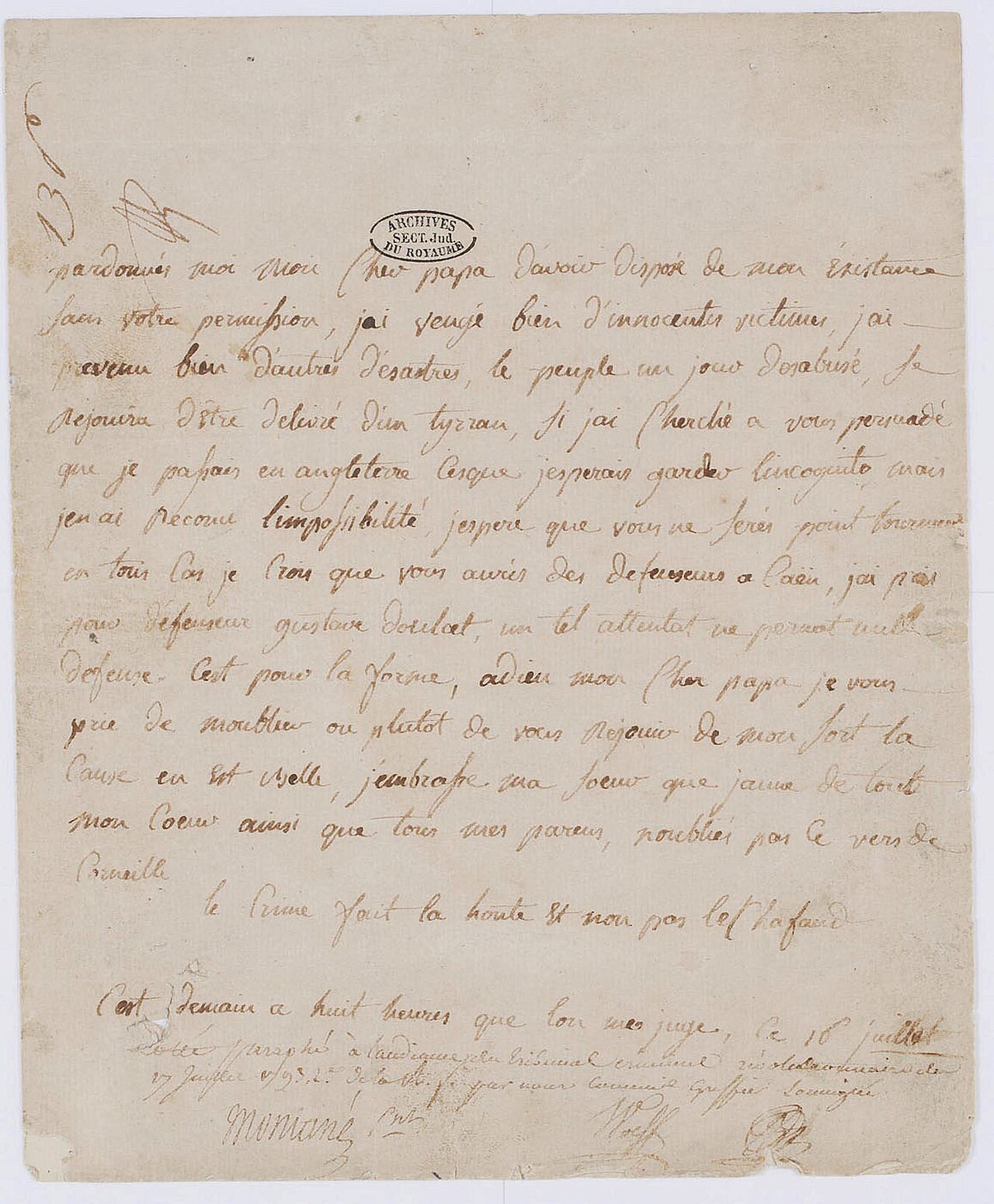 Letter
Primary source
Farewell Letter to Her Father
Charlotte Corday · 16 July 1793
 Painting
Primary source
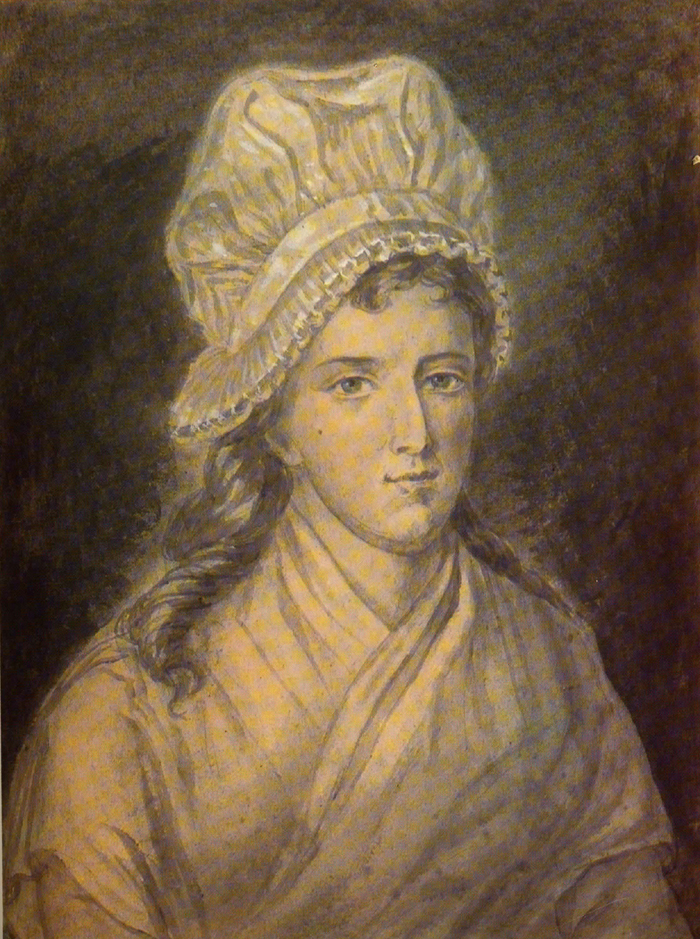
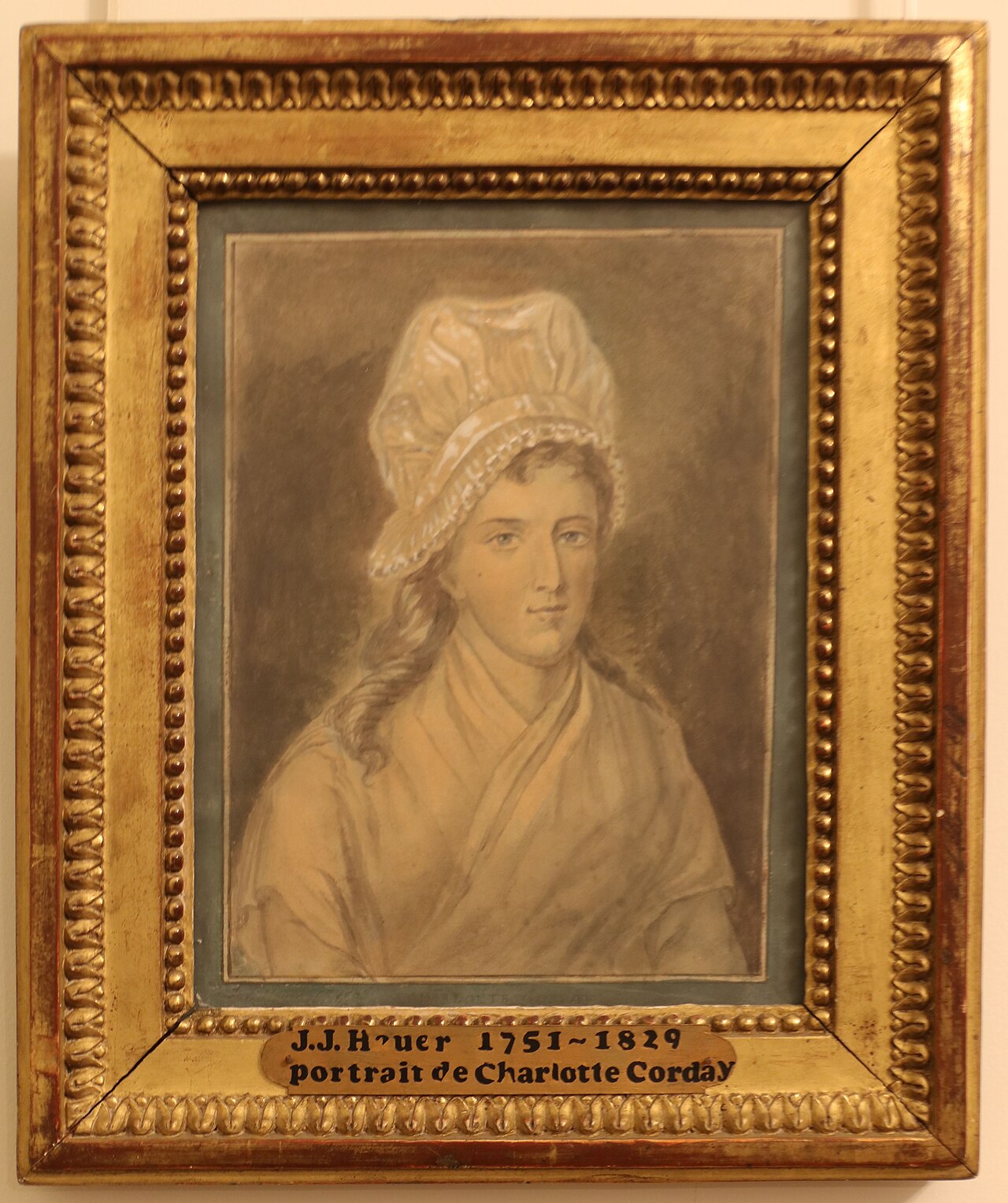
Portrait of Charlotte Corday by Hauer
Jean-Jacques Hauer · 17 July 1793
 Painting
Primary source
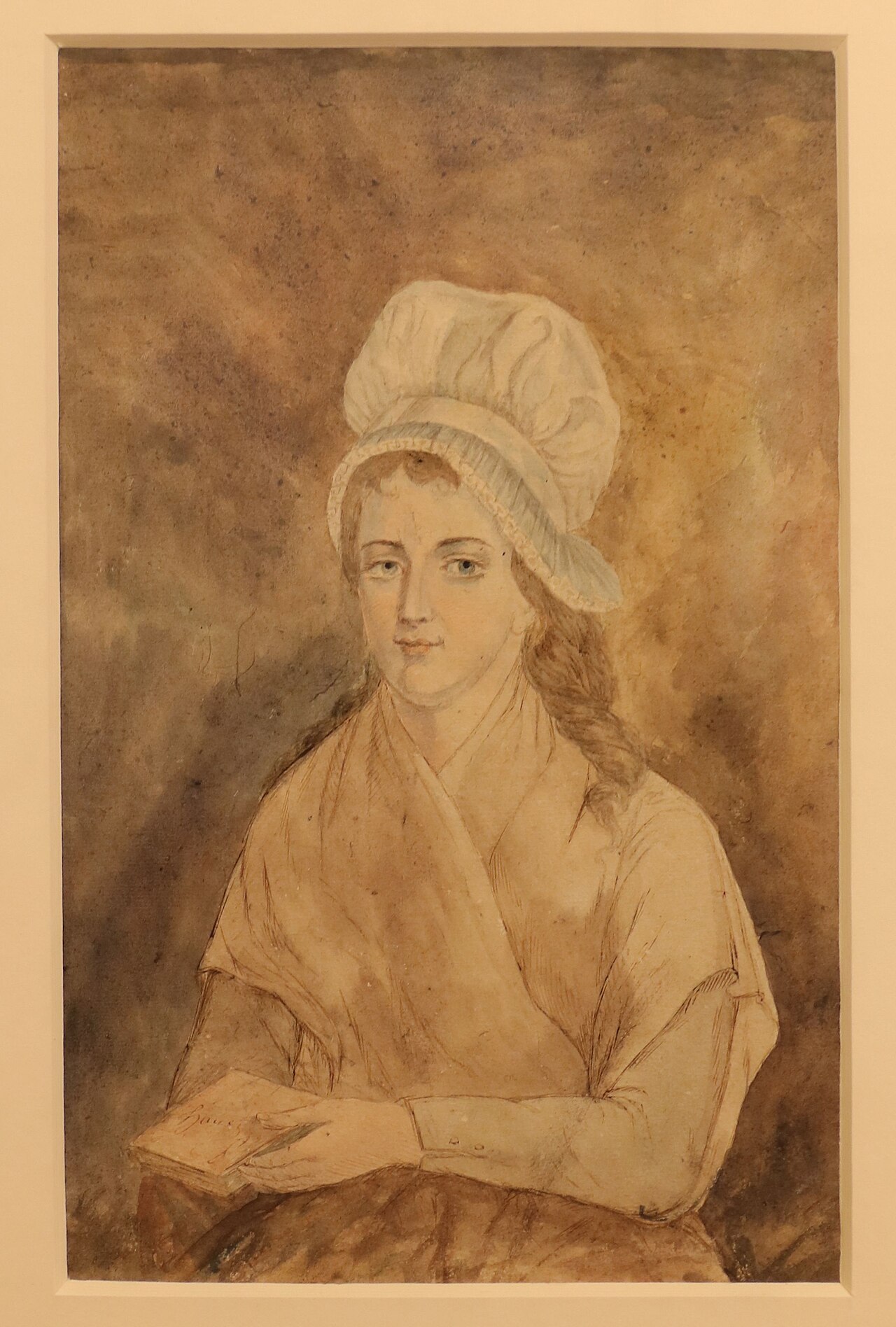
Charlotte Corday Holding a Book
Jean-Jacques Hauer · 1793
 Document
Primary source
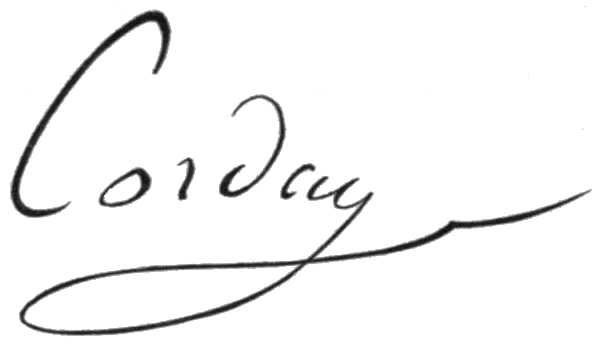
Signature of Charlotte Corday
Charlotte Corday
Free account
Read every Charlotte Corday source
Sign up free →
Ready when you are
Start chatting with Charlotte Corday now.
20 messages free · No credit card · Available in 50+ languages.