


Primary sourcePainting1903
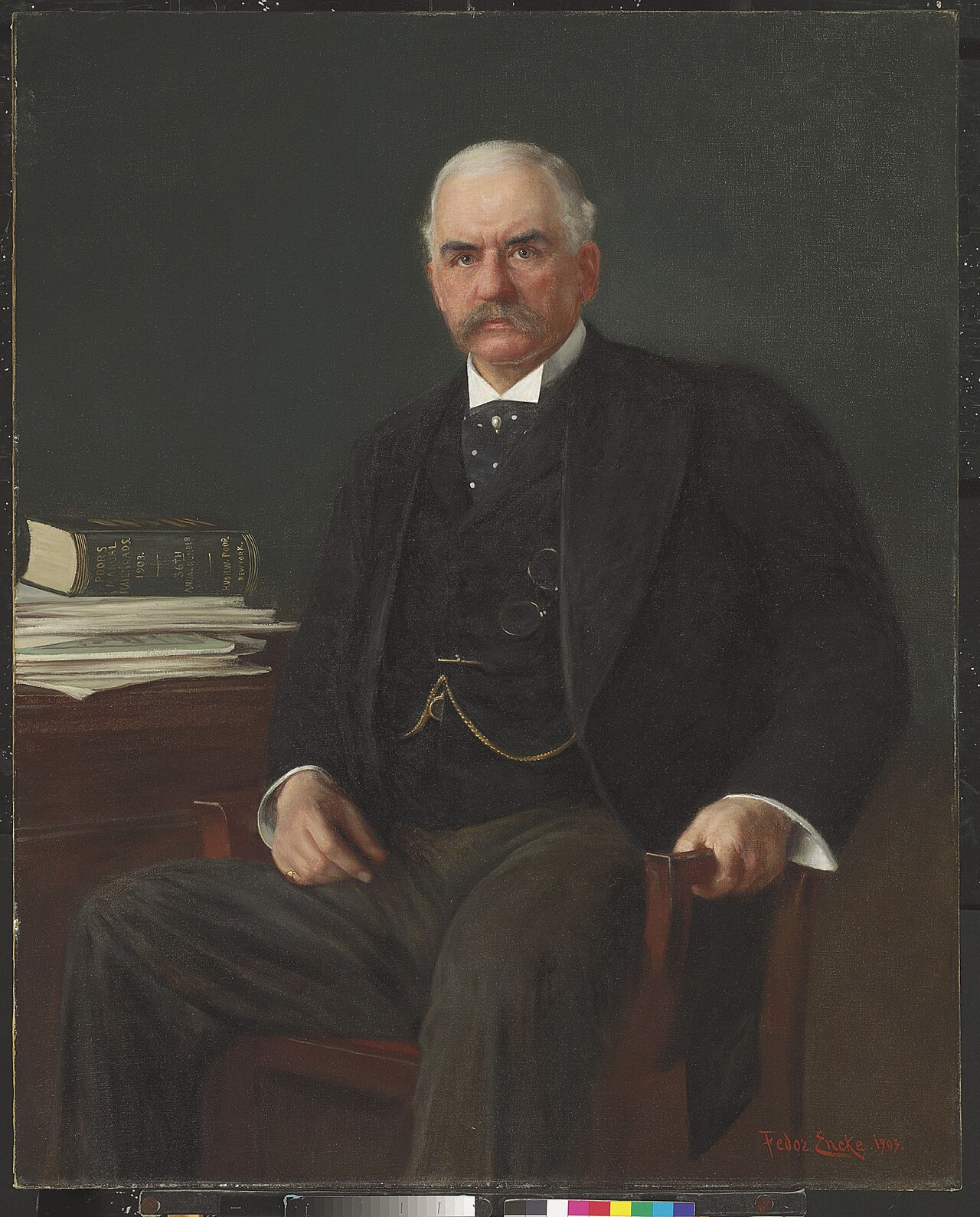
Portrait of John Pierpont Morgan
Fedor Encke · 1903
A 1903 oil portrait of J. P. Morgan by Fedor Encke, painted at the height of his power after the founding of U.S. Steel.
This life portrait depicts Morgan at the height of his financial power after the founding of U.S. Steel.
About this source
What it is
This is an oil portrait of John Pierpont Morgan painted from life in 1903 by the artist Fedor Encke. It shows Morgan seated, dressed formally, with papers and a large book on a desk beside him.
Why it matters
The portrait was made at a peak moment in Morgan's career, not long after he had helped create U.S. Steel, then the world's largest corporation. The setting, with documents and books, hints at his identity as a man of business and also of learning and collecting, since Morgan was known both as a financier and as an art collector.
Look closer
- What does Morgan's pose and expression suggest about how he wanted to be seen?
- Why might the artist have included papers and a book in the painting?
- What might this image leave out about Morgan's life and business dealings?
This painting is part of the curated material that grounds the AI version of J.P. Morgan on Humy.ai — when students ask about related events, the AI can quote it and cite it.
More J.P. Morgan sources
Meet the AI J.P. Morgan →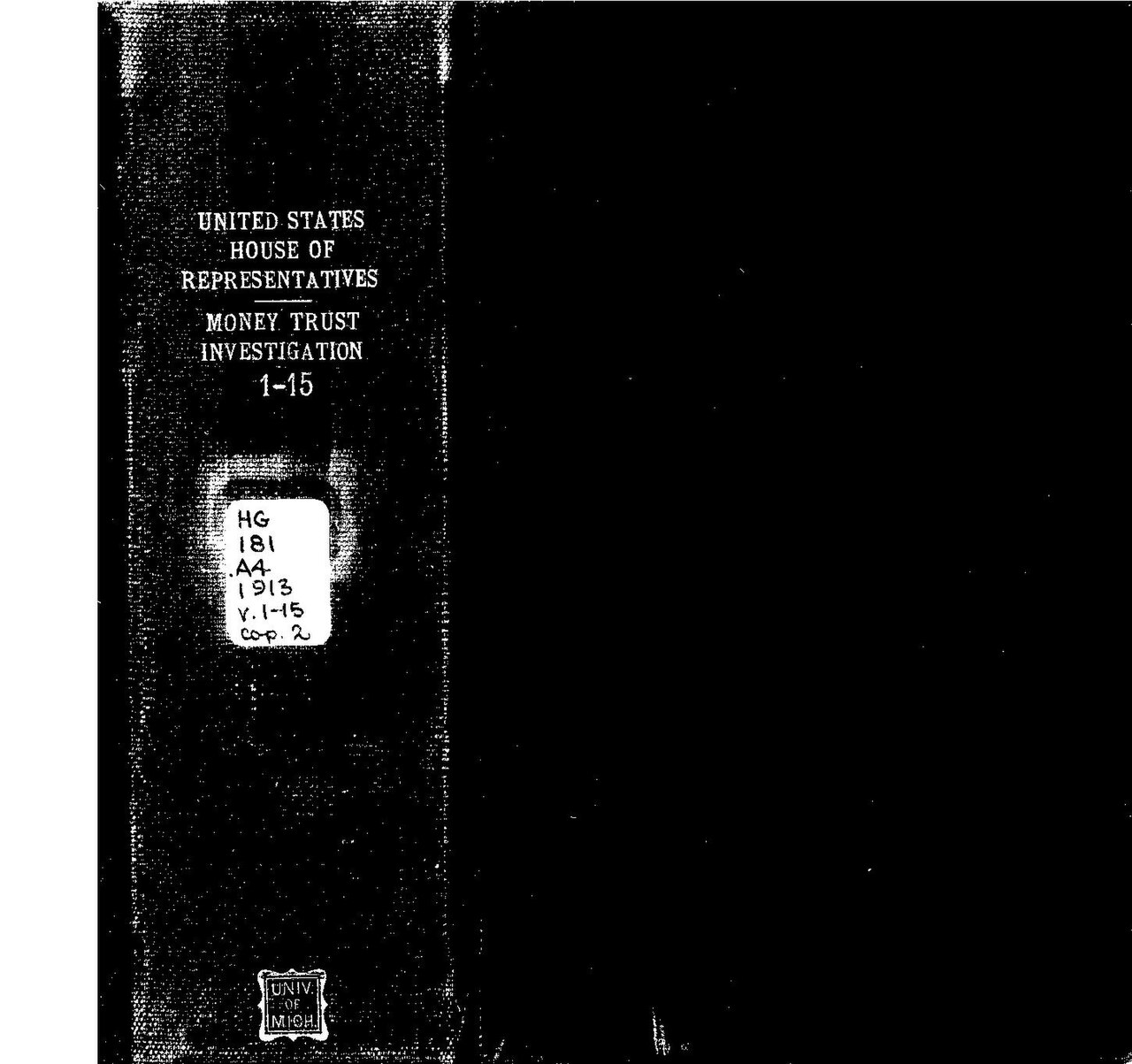 Document
Primary source
Testimony of J. P. Morgan before the Pujo Committee
U.S. House Committee on Banking and Currency (Pujo Committee) · 18 December 1912
 Photograph
Primary source
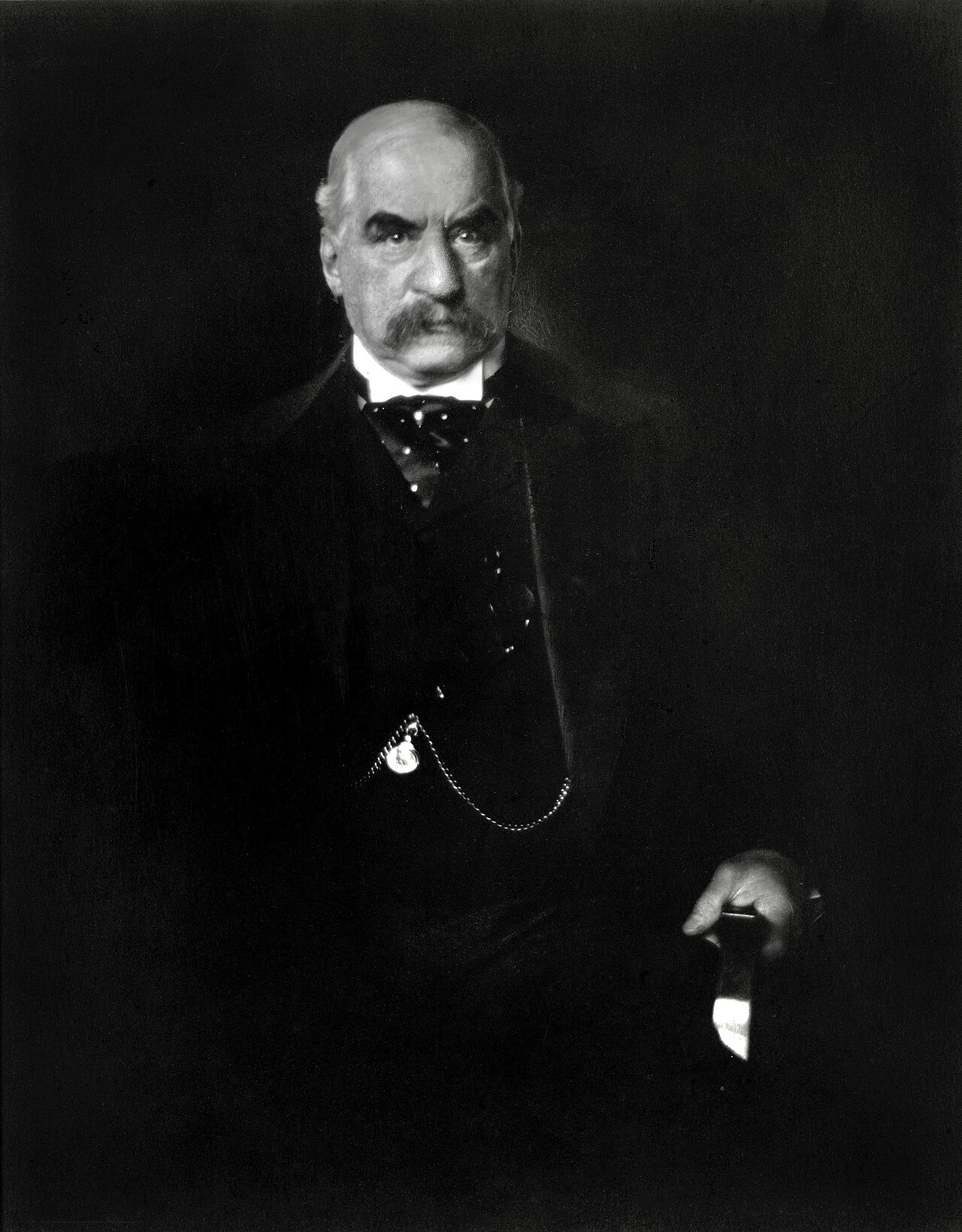
Photographic Portrait of J. Pierpont Morgan
Edward Steichen
 Document
Primary source
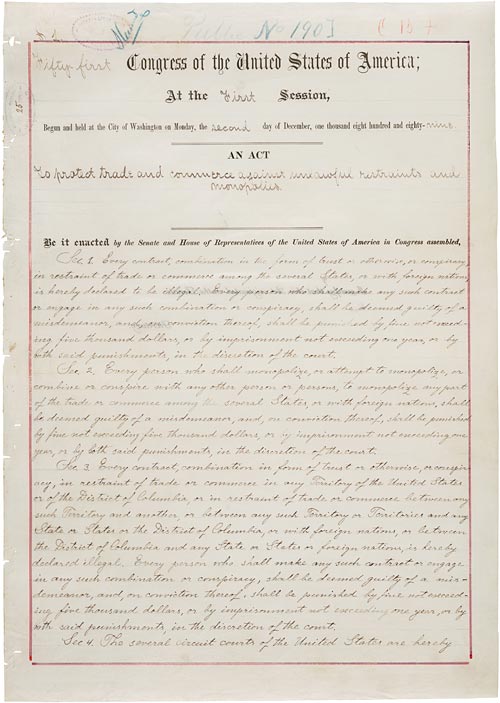
Sherman Anti-Trust Act
2 July 1890
 Document
Primary source
Pujo Report
U.S. House Committee on Banking and Currency · 28 February 1913
 Artifact
Primary source
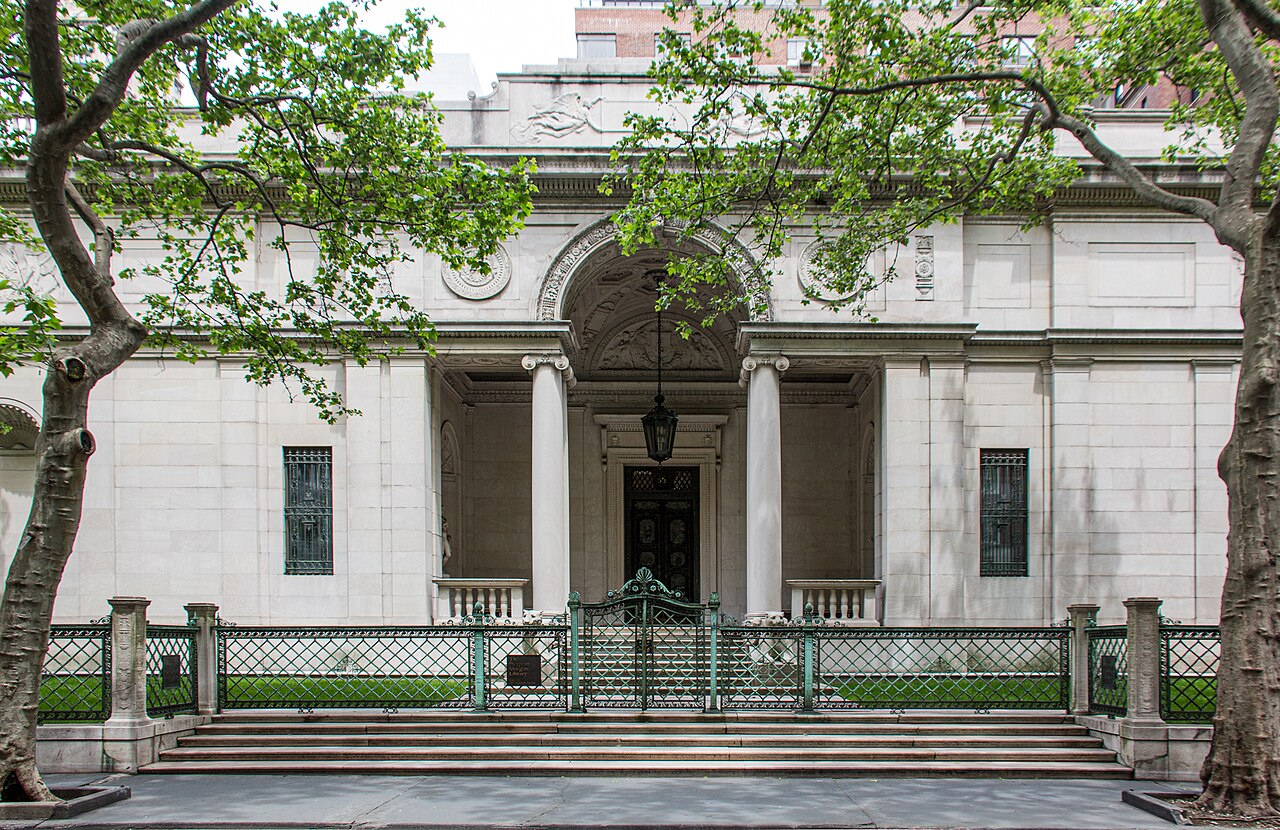
The Morgan Library & Museum
Charles McKim (McKim, Mead & White) · 1902–1906, opened to the public 1924
Ready when you are
Start chatting with J.P. Morgan now.
20 messages free · No credit card · Available in 50+ languages.