


Primary sourcePainting1908
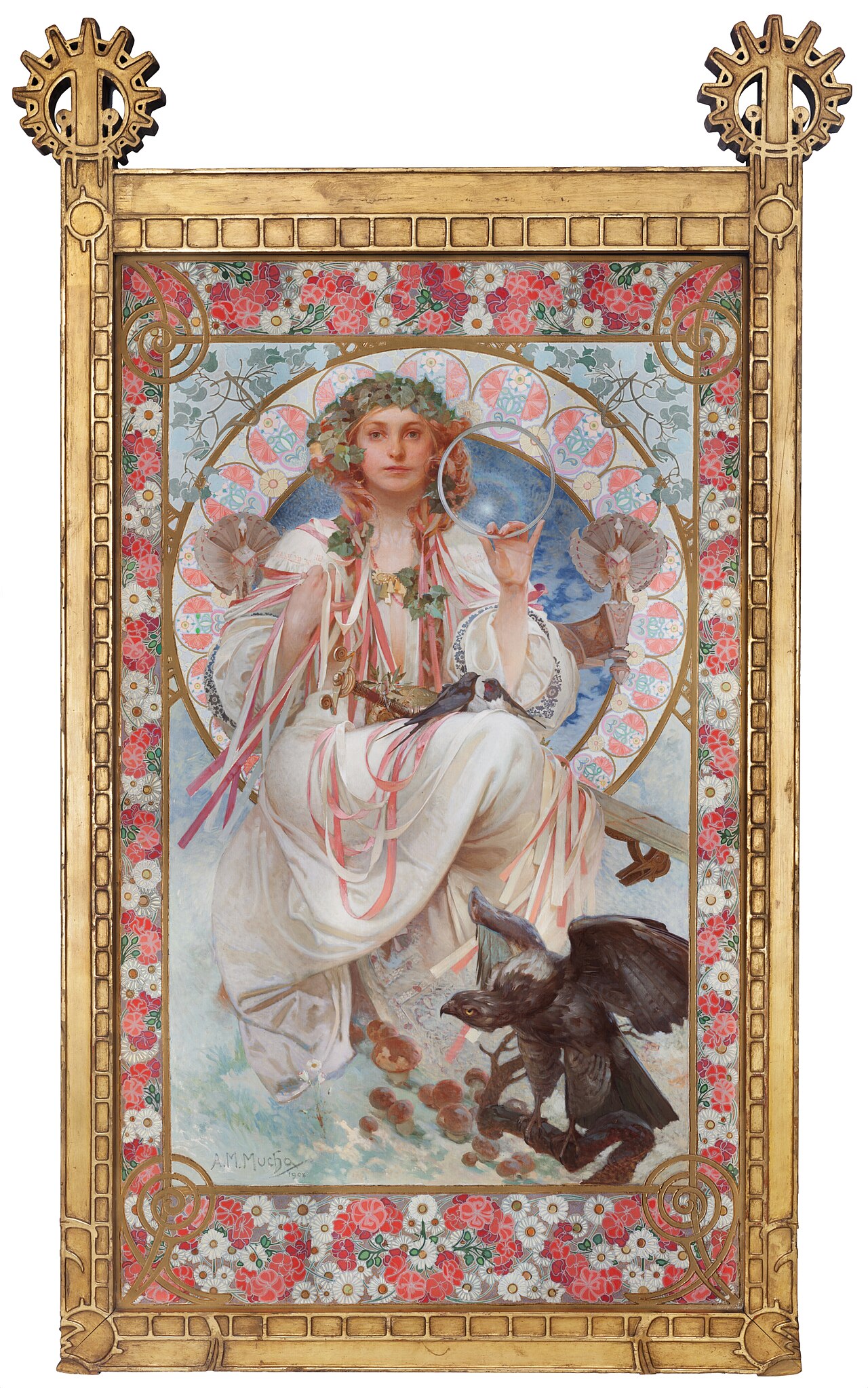
Portrait of Josephine Crane-Bradley as Slavia
Alphonse Mucha · 1908
Mucha's 1908 portrait of Josephine Crane-Bradley, daughter of his American patron Charles Crane, shown as the allegorical figure Slavia.
Painted by Mucha to honor the daughter of Charles Crane, the patron who later funded his Slav Epic.
About this source
What it is
A painting by Alphonse Mucha, signed and dated 1908, held by the National Gallery Prague. It portrays Josephine Crane-Bradley, daughter of the American businessman Charles Crane, dressed as the allegorical figure Slavia.
Why it matters
Charles Crane later funded Mucha's great project, the Slav Epic, and this portrait records the personal connection between artist and patron during Mucha's years working in America. Painting the patron's daughter as a national allegory shows how Mucha blended personal relationships, decorative art and his Slavic nationalist themes.
Look closer
- Why might Mucha choose to paint Josephine as an allegorical figure rather than in ordinary dress?
- What do the wreath, the eagle, and the glass sphere suggest about the symbolism intended?
- What does this painting tell us about how patrons and artists supported each other?
This painting is part of the curated material that grounds the AI version of Alphonse Mucha on Humy.ai — when students ask about related events, the AI can quote it and cite it.
More Alphonse Mucha sources
Browse all 86 →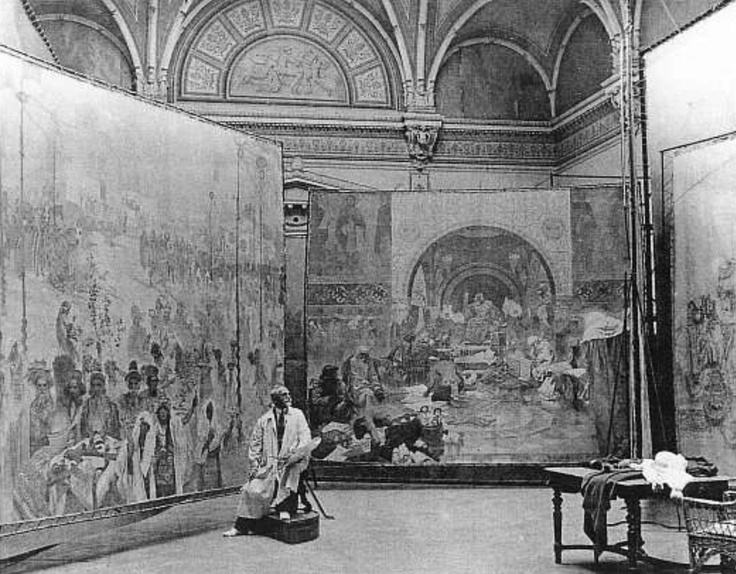 Painting
Primary source
The Slav Epic
Alphonse Mucha · 1910–1928
 Painting
Primary source
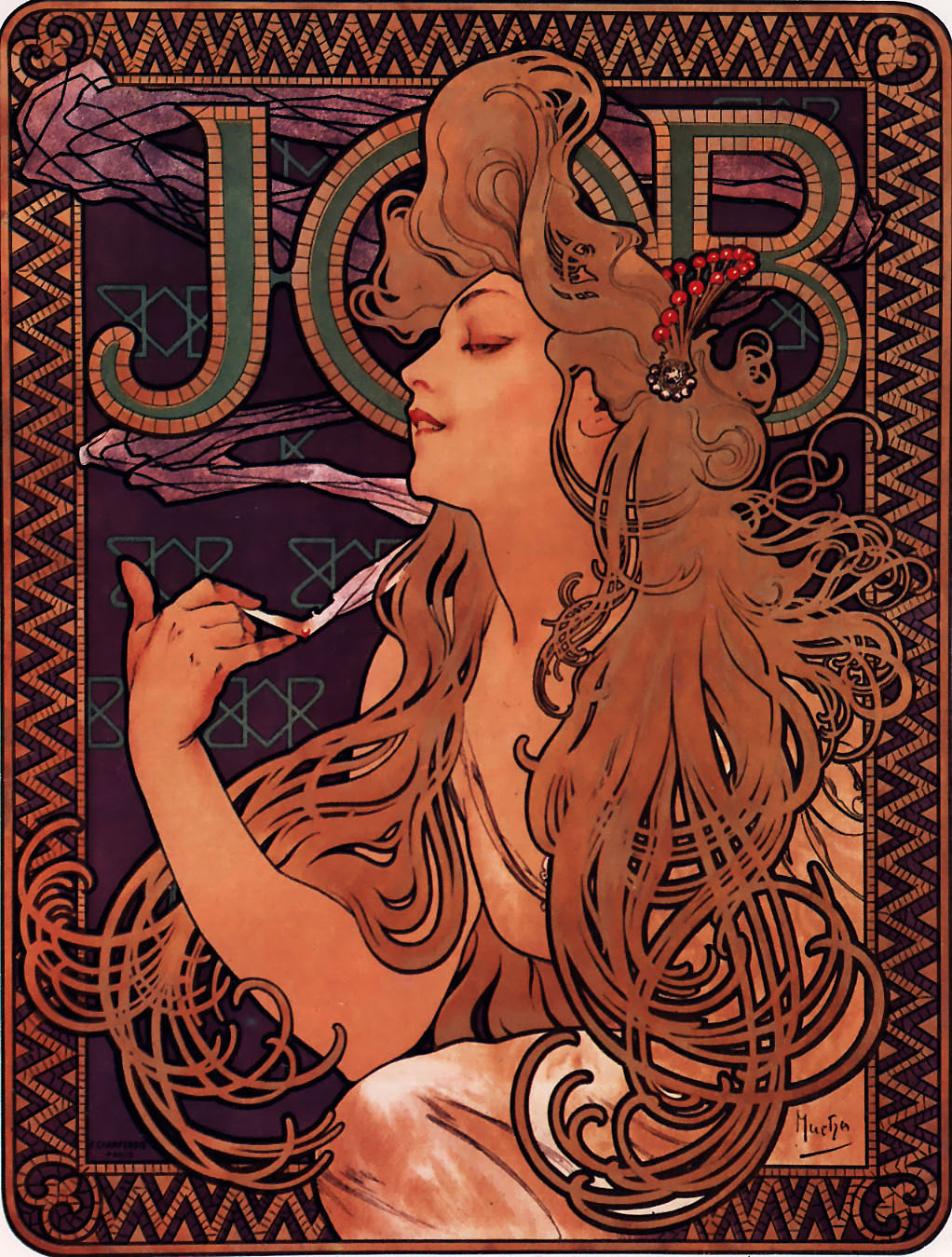
JOB
Alphonse Mucha · 1896
 Painting
Primary source
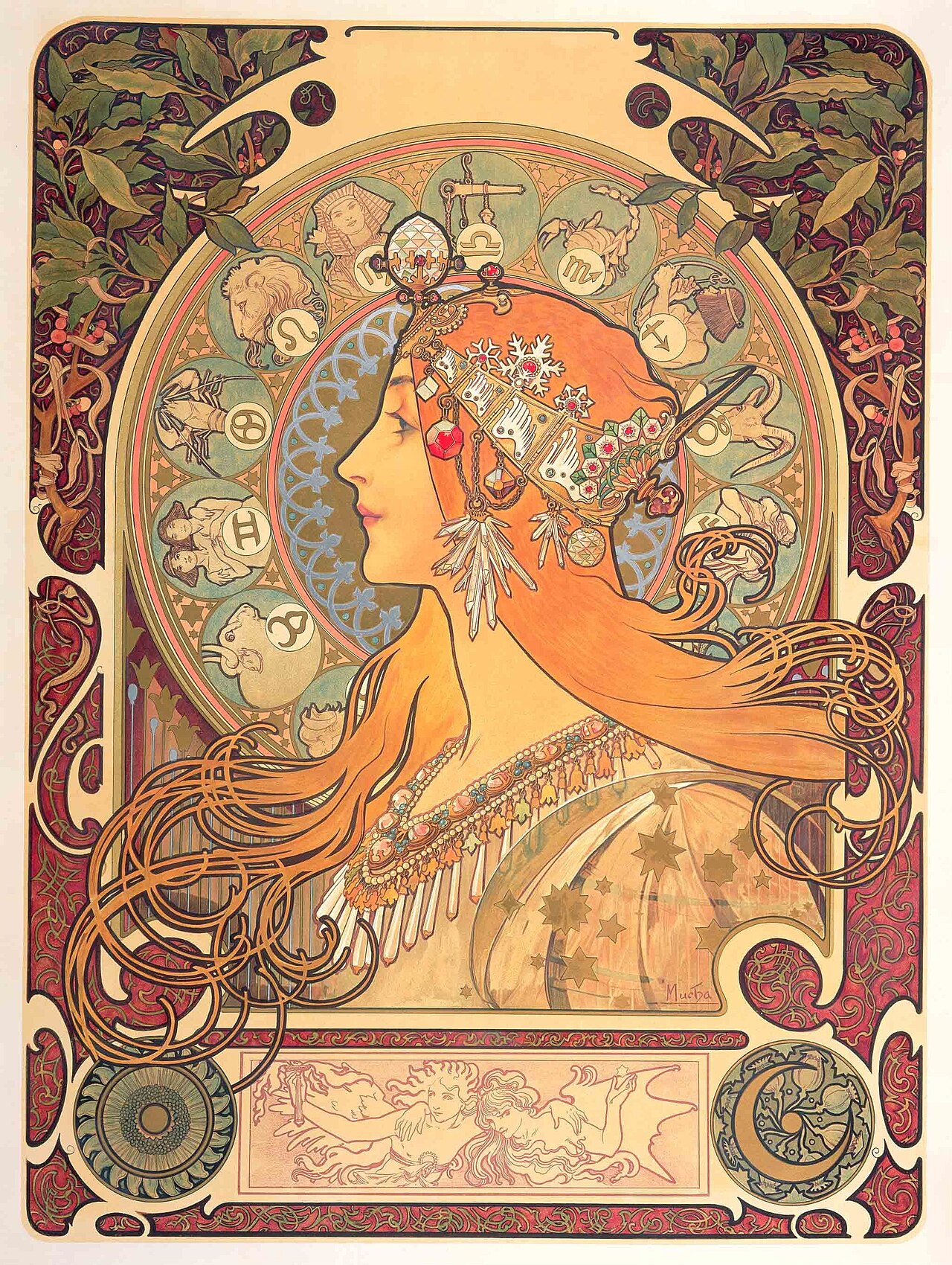
Zodiac
Alphonse Mucha · 1896
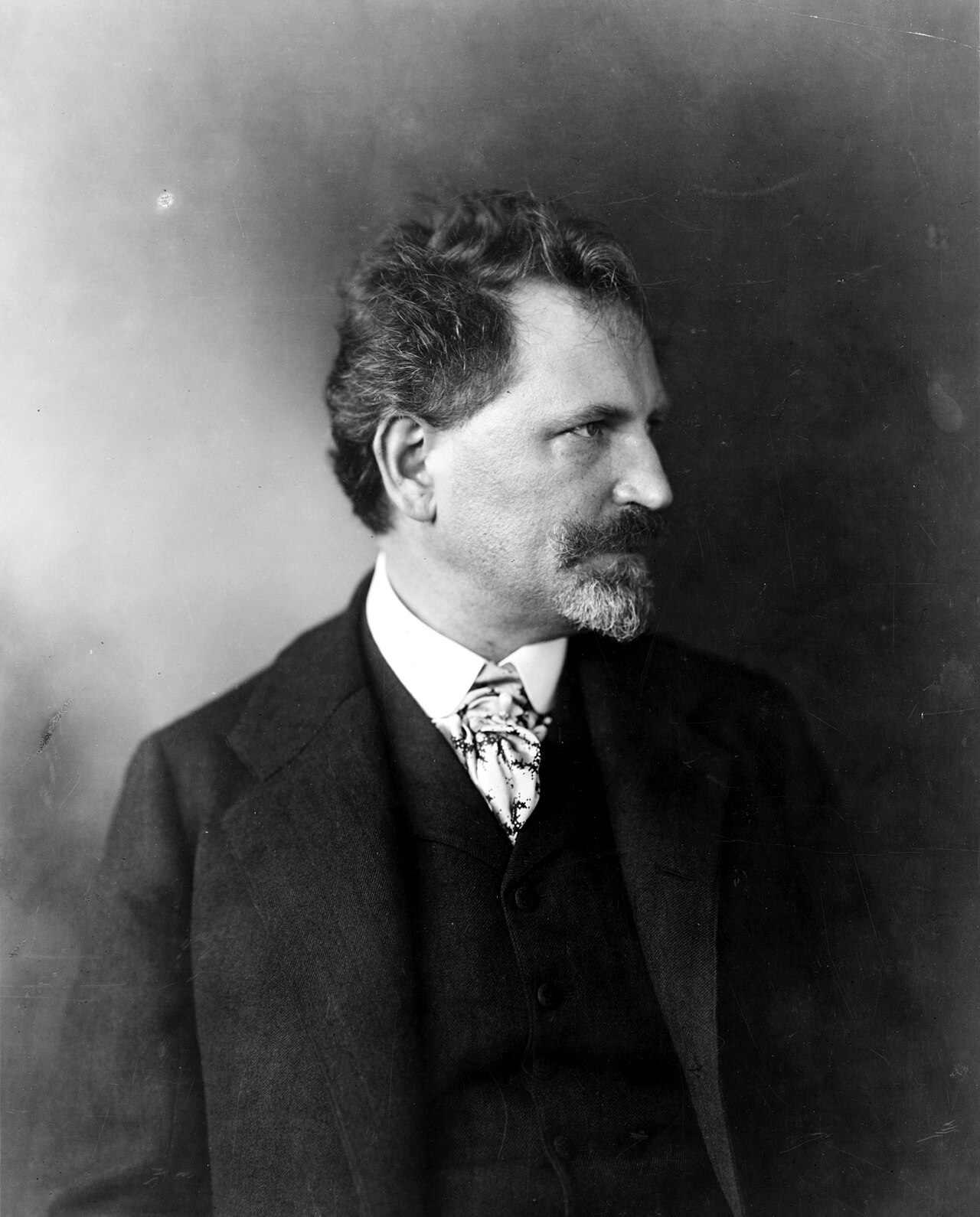 Photograph
Primary source
Alfons Mucha, half-length portrait, facing right
George R. Lawrence Co.
Free account
Read every Alphonse Mucha source
Sign up free →
Ready when you are
Start chatting with Alphonse Mucha now.
20 messages free · No credit card · Available in 50+ languages.