


Secondary sourcePainting1736-1775
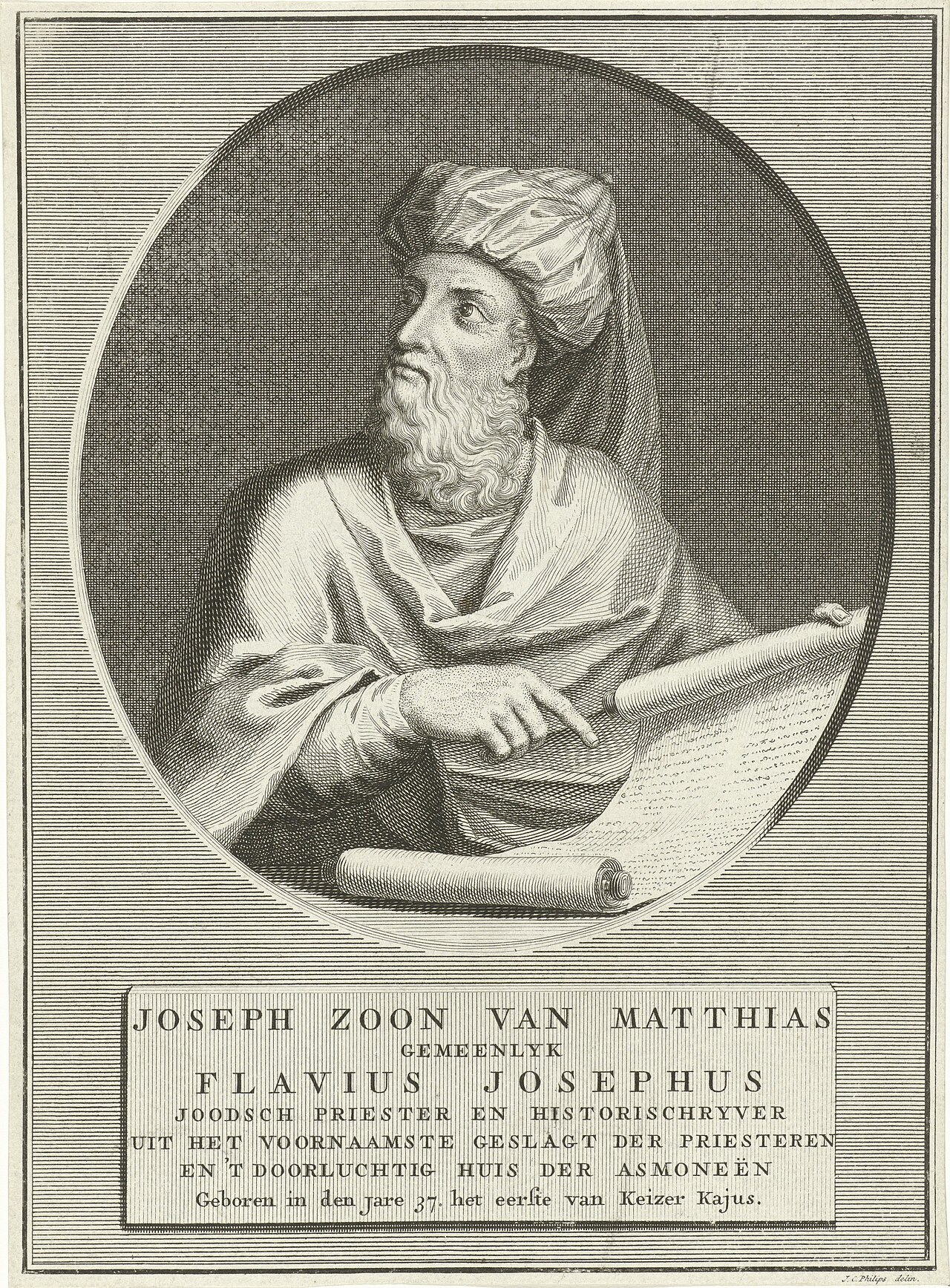
Portrait of Josephus
Jan Caspar Philips · 1736-1775
An 18th-century engraved portrait imagining the likeness of Josephus, pointing to a scroll with Hebrew text.
An imagined likeness of Josephus created long after his death, typical of how he was pictured by later readers.
About this source
What it is
This etching and engraving, made in Amsterdam between 1736 and 1775 by Jan Caspar Philips, shows a bearded man in a turban and robe pointing to an open scroll with Hebrew writing. It is held by the Rijksmuseum and labeled as a portrait of Flavius Josephus, Jewish priest and historian.
Why it matters
No real portrait of Josephus from his own lifetime survives. Images like this one were invented by artists centuries later to accompany printed editions of his works, shaping how readers pictured him. It shows how later generations imagined ancient historians rather than recording their true appearance.
Look closer
- What details in the image (clothing, scroll, gesture) suggest the man's identity as a scholar or priest?
- Why would printmakers invent a portrait rather than leave an edition unillustrated?
- What does this image tell us about how Josephus was remembered in later centuries, rather than about Josephus himself?
This painting is part of the curated material that grounds the AI version of Josephus on Humy.ai — when students ask about related events, the AI can quote it and cite it.
More Josephus sources
Browse all 88 →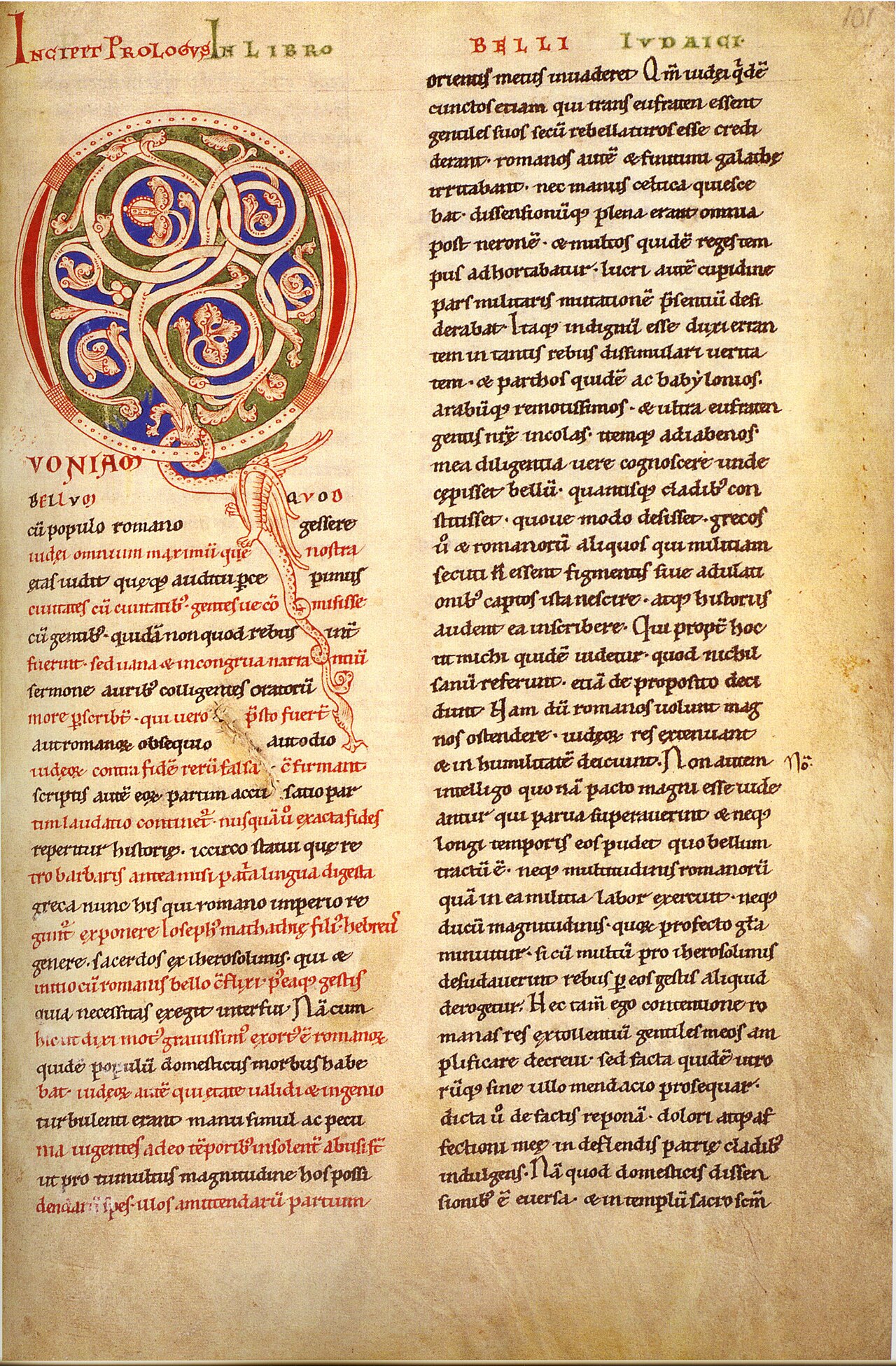 Book
Secondary source
The Jewish War
Josephus · c. AD 75
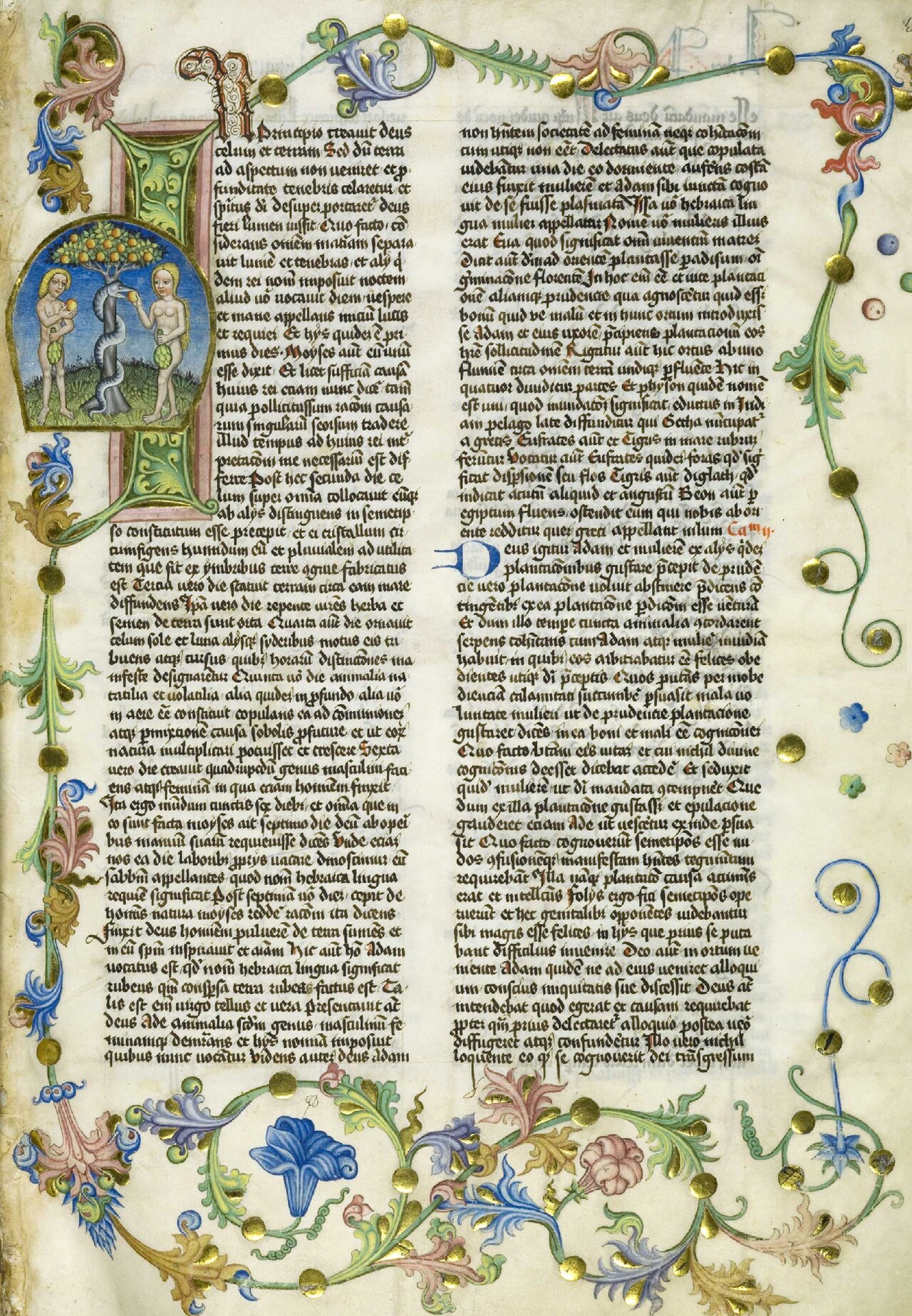 Book
Secondary source
Antiquities of the Jews
Josephus · 94 CE
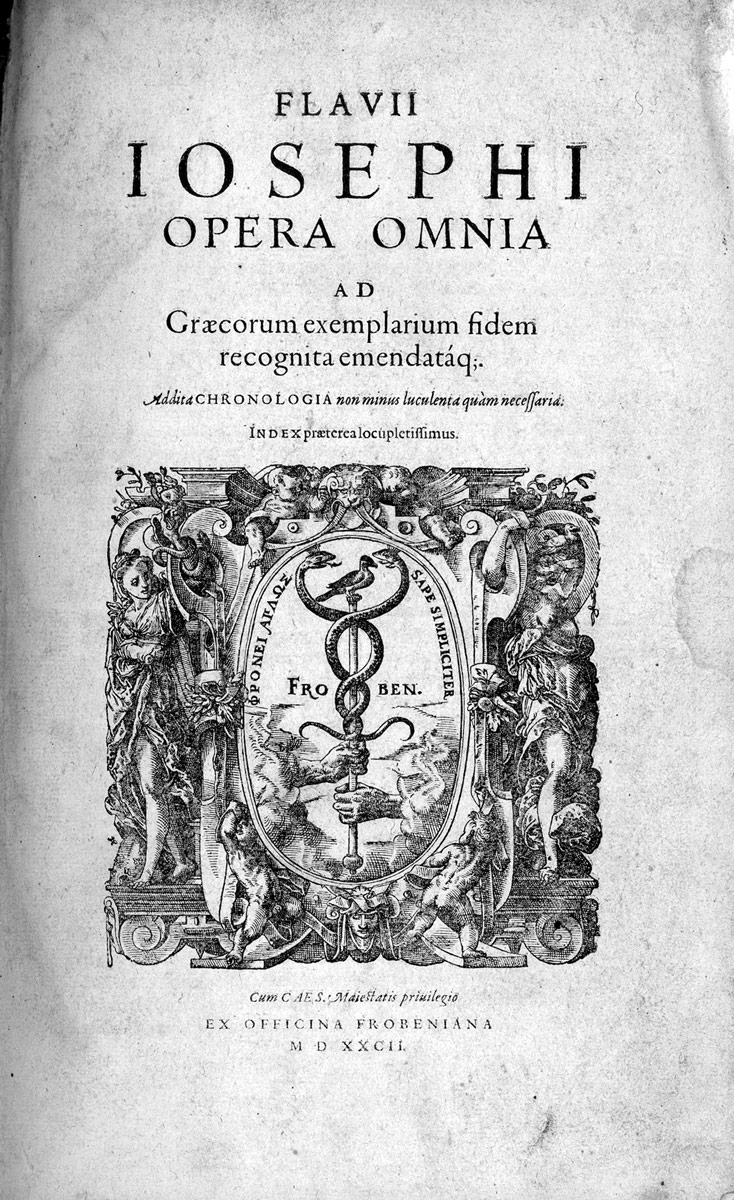 Book
Primary source
The Life of Flavius Josephus
Josephus · c. AD 94-99
Secondary source
Against Apion
Josephus · after 94 CE
Free account
Read every Josephus source
Sign up free →
Ready when you are
Start chatting with Josephus now.
20 messages free · No credit card · Available in 50+ languages.