


Primary sourcePainting1650
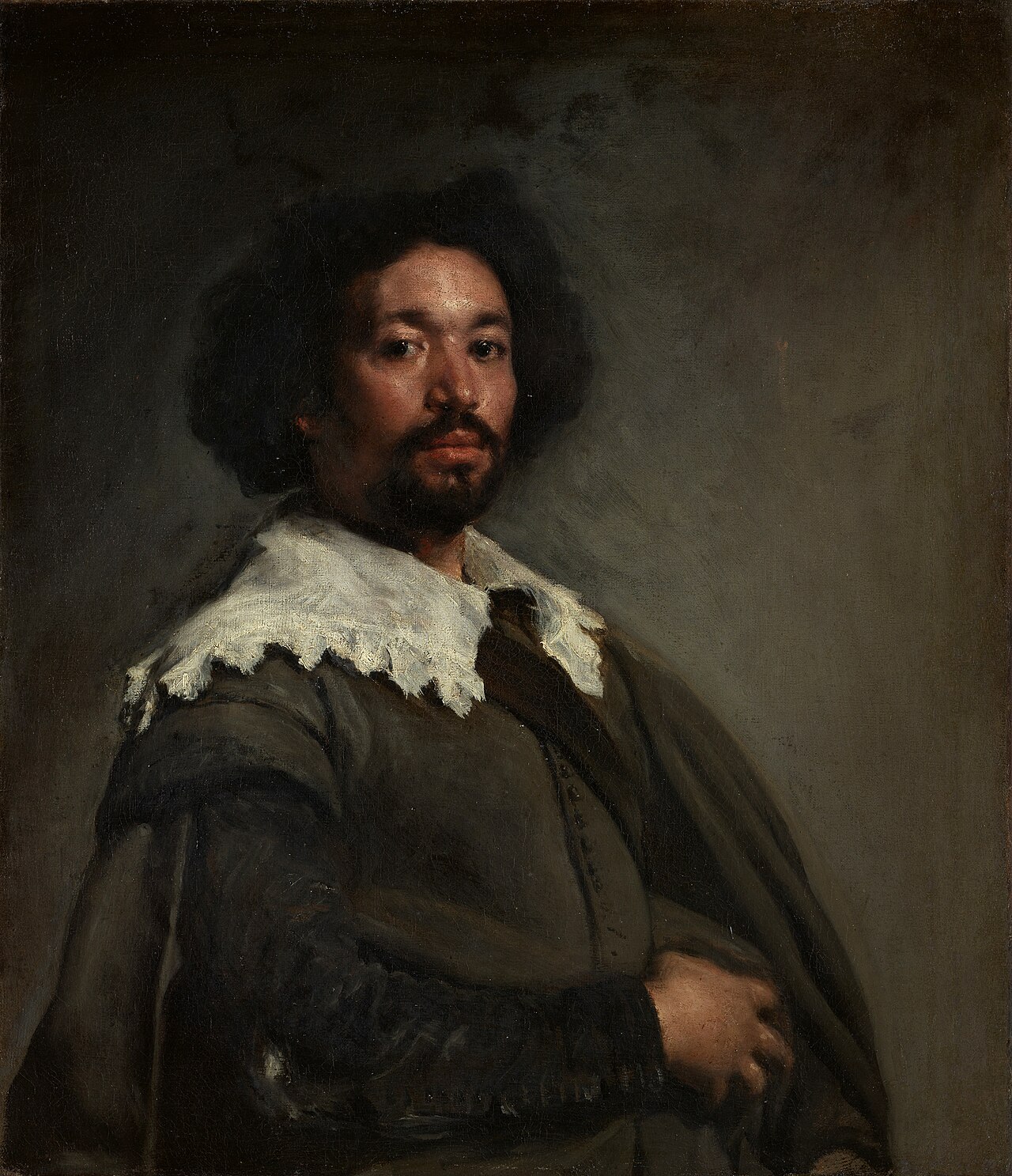
Portrait of Juan de Pareja
Diego Velázquez · 1650
Velázquez's painting of Juan de Pareja, the enslaved man who worked as his assistant and later became a painter himself.
Velázquez painted this portrait of his enslaved assistant, a work tied to his own reputation and career in Rome.
About this source
What it is
This oil painting was made by Diego Velázquez in Rome in 1650. It shows Juan de Pareja, an enslaved man who worked in Velázquez's workshop. It was first shown publicly at the Pantheon in Rome and is now in the Metropolitan Museum of Art.
Why it matters
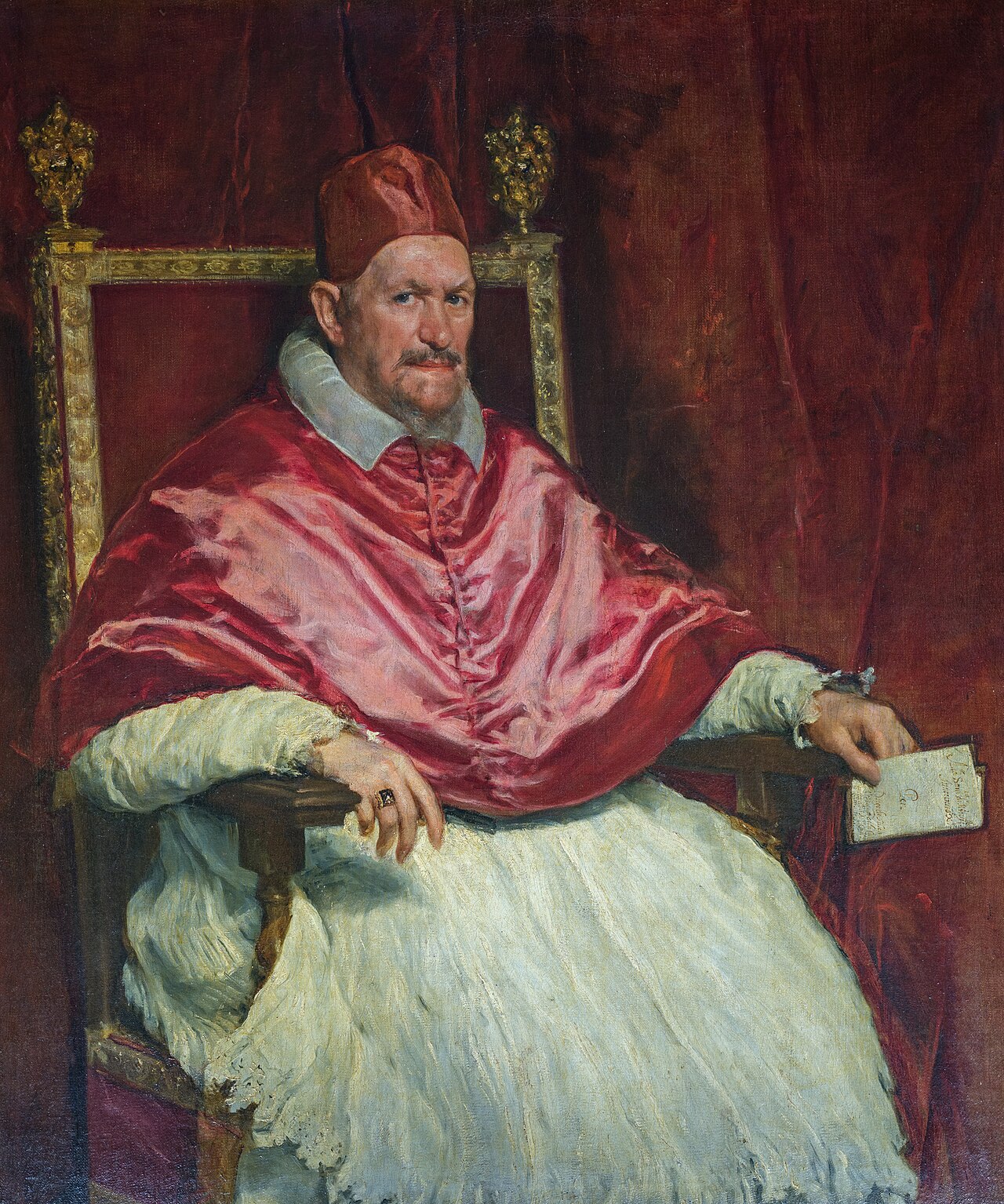
The portrait is tied closely to Velázquez's own career: he reportedly painted it as practice before painting the Pope. It is also linked to Juan de Pareja, who went on to become a recognised painter and was freed by Velázquez a few years later. According to an early biographer, other painters at the exhibition said it was not art but "truth" — a sign of how lifelike it seemed. The painting raises hard questions about the relationship between an artist and an enslaved assistant.
Look closer
- What does Pareja's expression and posture suggest about how Velázquez wanted him to be seen?
- Why might Velázquez have chosen to paint his assistant with such care and realism?
- What does the painting NOT tell us about Pareja's life as an enslaved man?
This painting is part of the curated material that grounds the AI version of Diego Velázquez on Humy.ai — when students ask about related events, the AI can quote it and cite it.
More Diego Velázquez sources
Browse all 98 →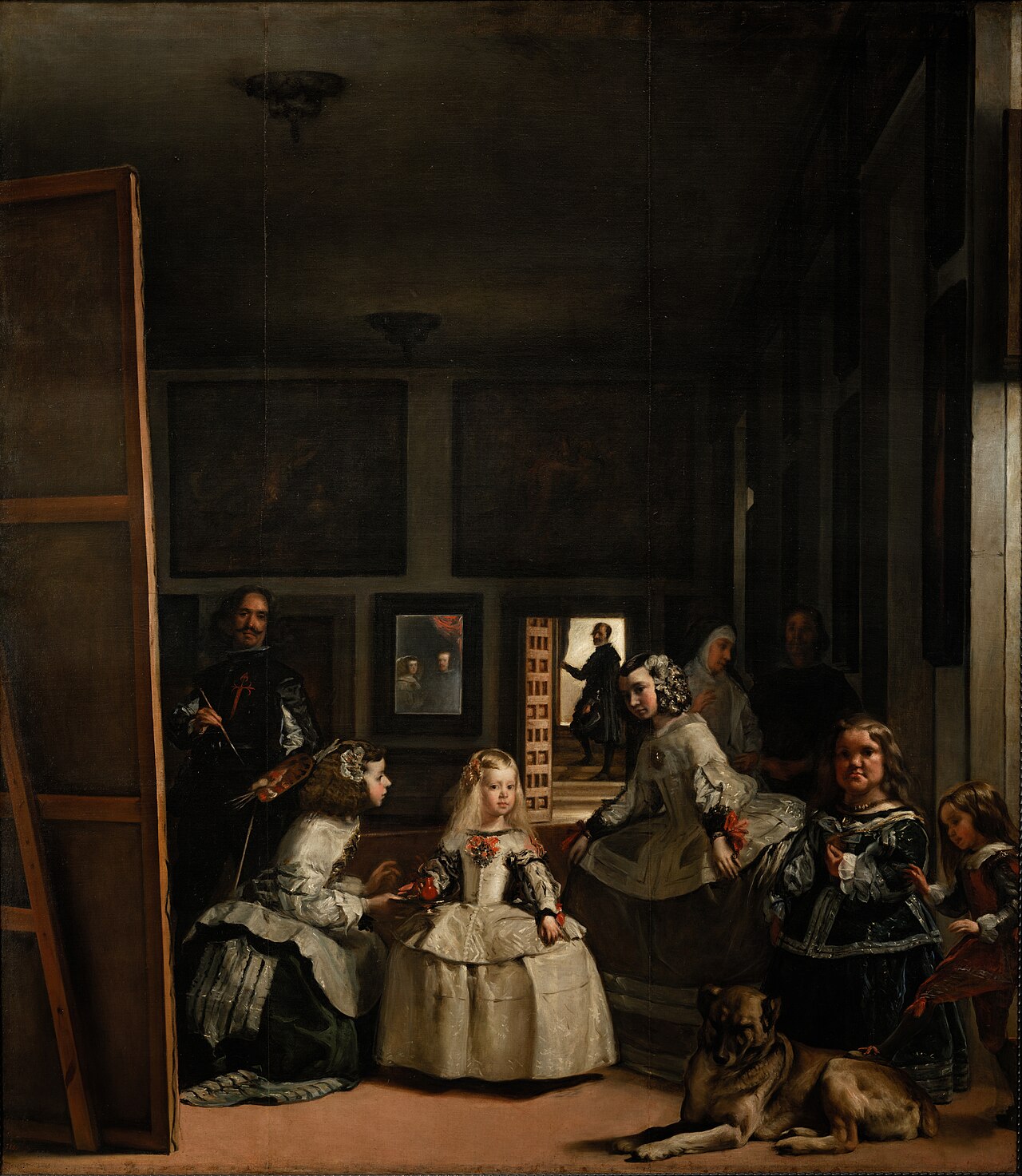 Painting
Primary source
Las Meninas
Diego Velázquez · 1656
 Painting
Primary source
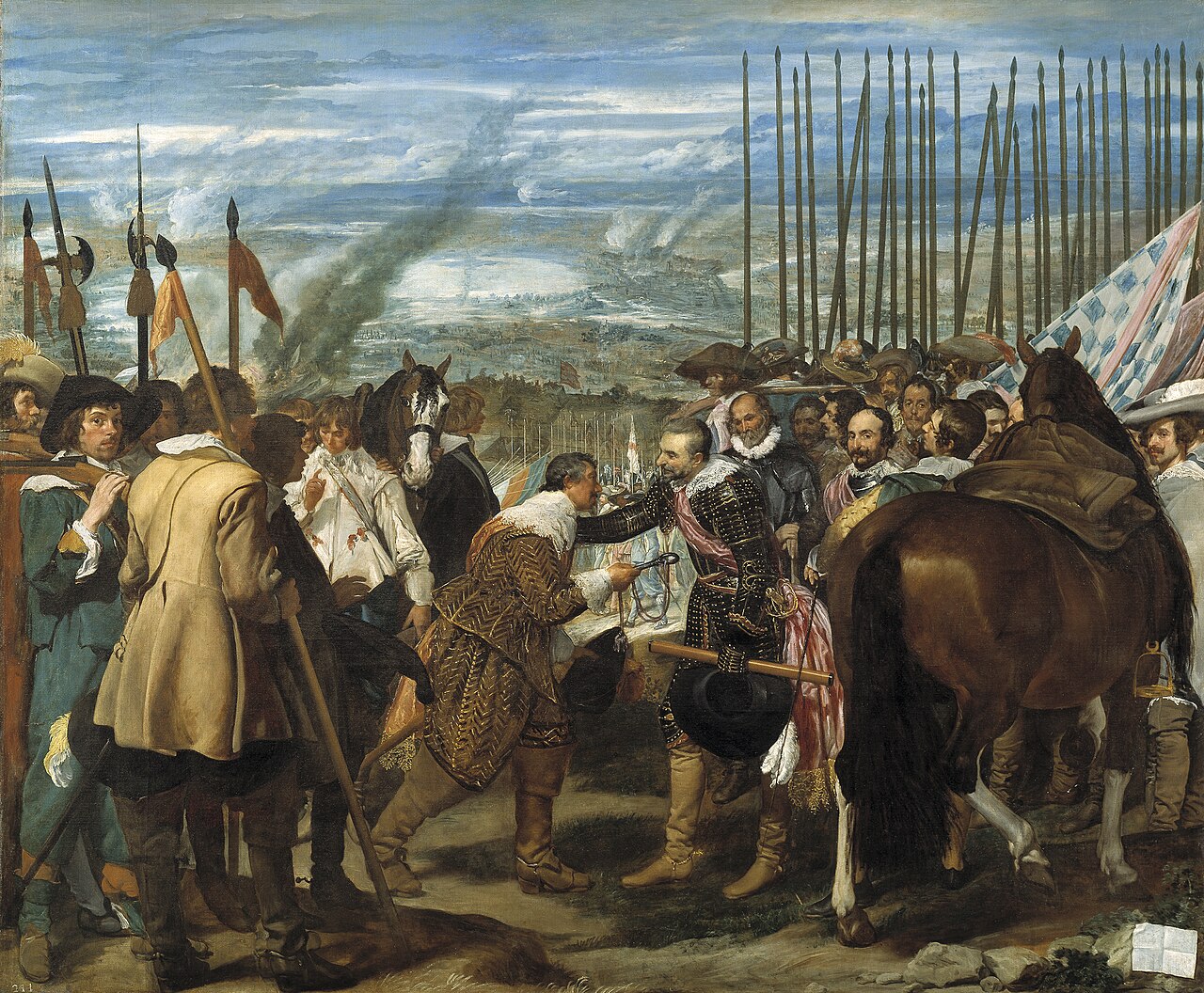
The Surrender of Breda
Diego Velázquez · 1634–1635
 Painting
Primary source
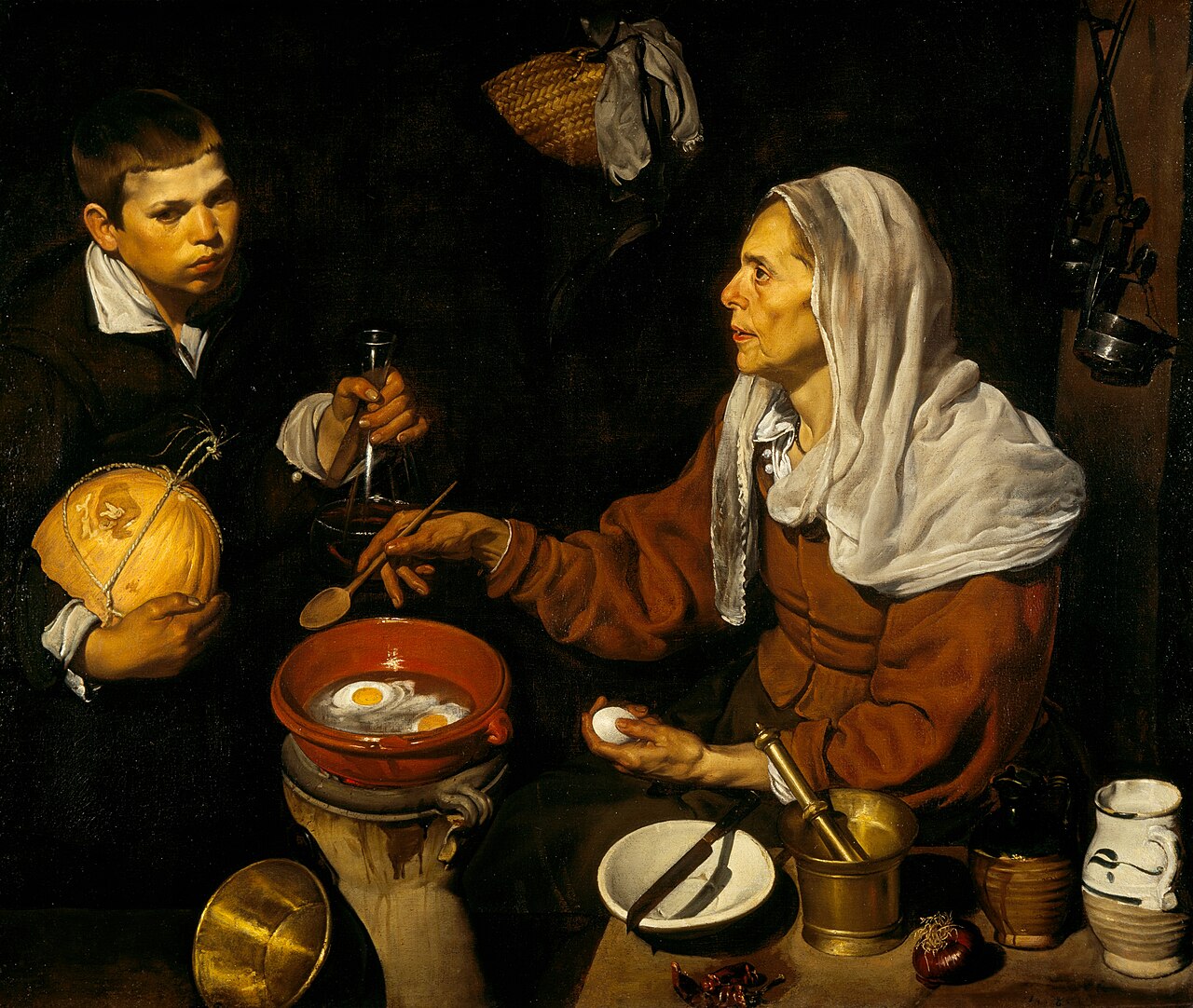
Old Woman Cooking Eggs
Diego Velázquez · c. 1618
 Painting
Primary source
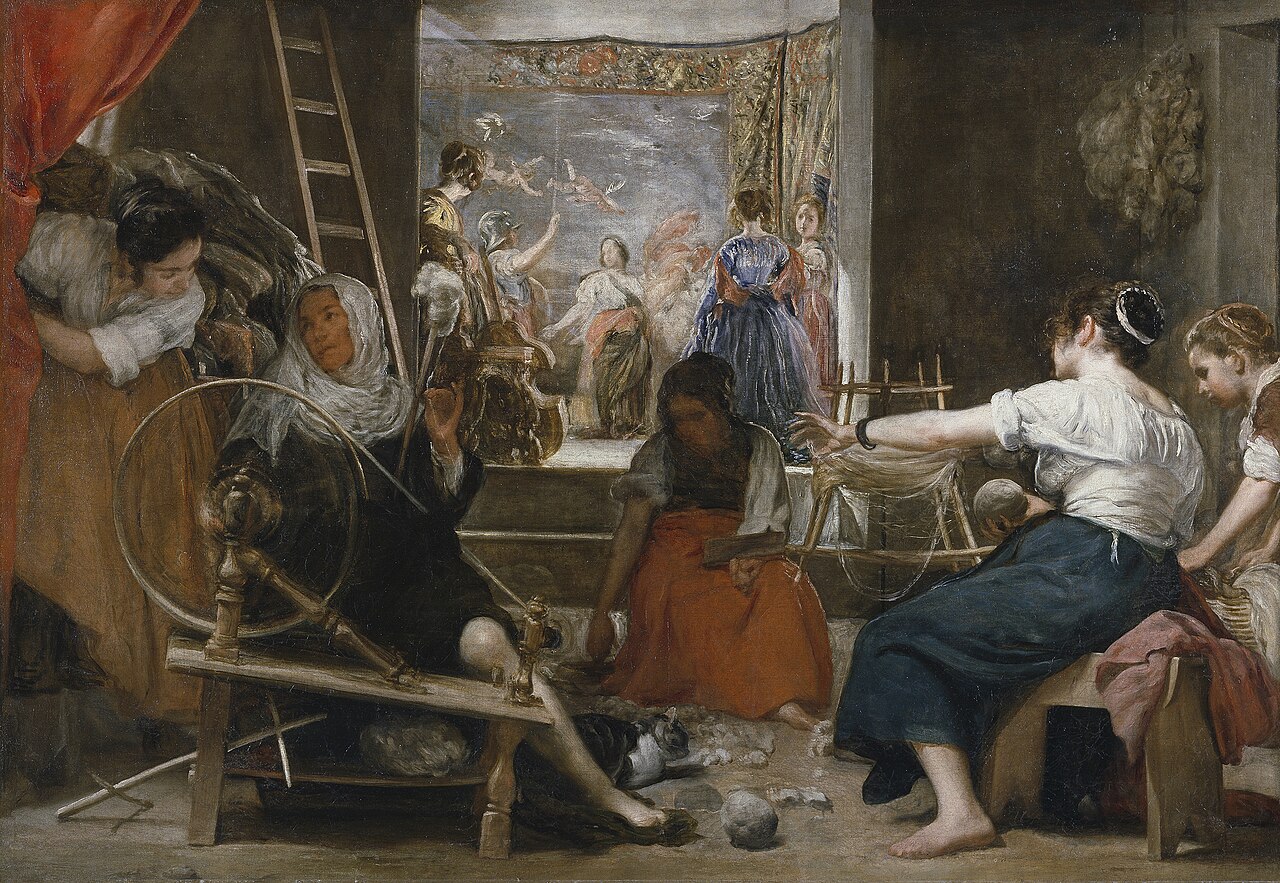
Las Hilanderas
Diego Velázquez · c. 1655–1658
Free account
Read every Diego Velázquez source
Sign up free →
Ready when you are
Start chatting with Diego Velázquez now.
20 messages free · No credit card · Available in 50+ languages.