


Secondary sourcePainting1697
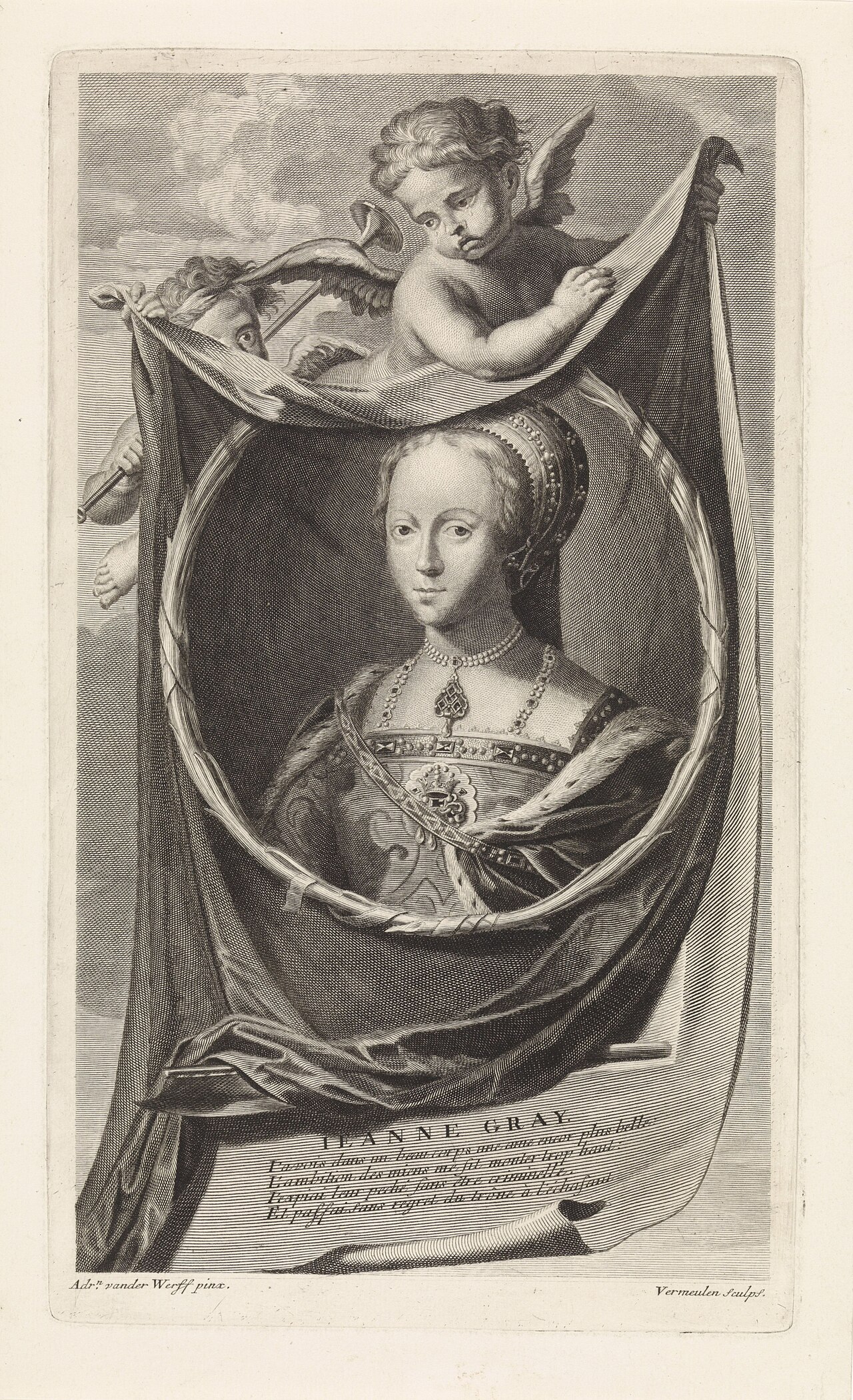
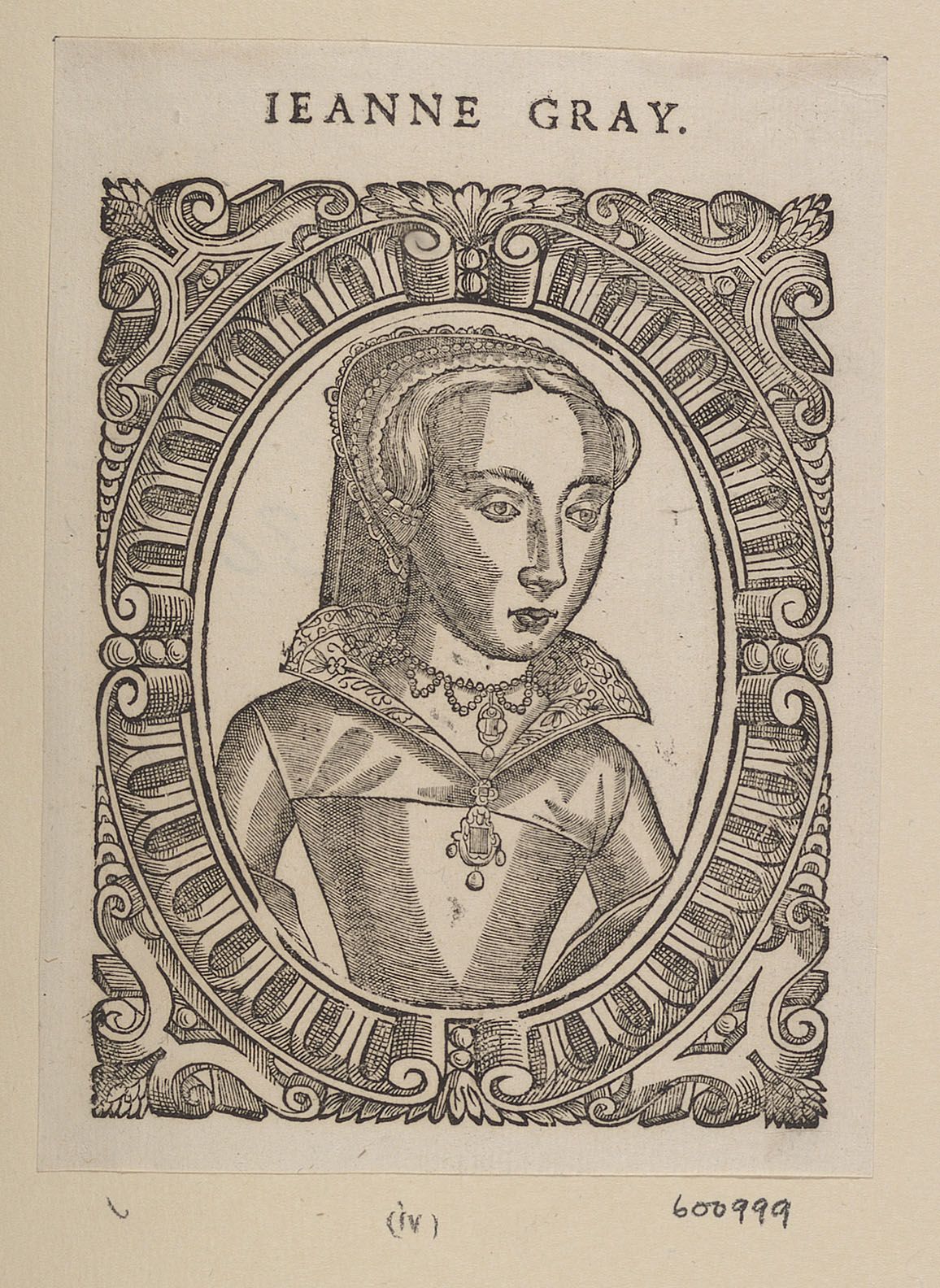
Portrait of Lady Jane Grey, after Adriaen van der Werff
Cornelis Vermeulen, after Adriaen van der Werff · 1697
A 1697 Dutch engraved portrait of Jane Grey, part of a series on English history, showing an axe referring to her execution.
A 1697 engraving memorializing Jane Grey's execution, part of a series depicting figures from English history.
About this source
What it is
This engraving by Cornelis Vermeulen, based on a painting by Adriaen van der Werff, shows Jane Grey in an oval frame held by two weeping cherubs, with an axe below referring to her execution. It was made in Antwerp in 1697, as part of a series of eleven portraits from English history, and was also used to illustrate a history of England, Scotland, and Ireland.
Why it matters
Made well over a century after Jane Grey's death, this print shows how her story—especially her execution—became a dramatic subject for history painting and book illustration across Europe, remembered as part of a tragic tale.
Look closer
- Why do you think the artist included an axe in the design?
- What is the effect of showing weeping cherubs around her portrait?
- How does this image turn Jane Grey's story into a symbol, rather than a factual record?
This painting is part of the curated material that grounds the AI version of Lady Jane Grey on Humy.ai — when students ask about related events, the AI can quote it and cite it.
More Lady Jane Grey sources
Browse all 80 →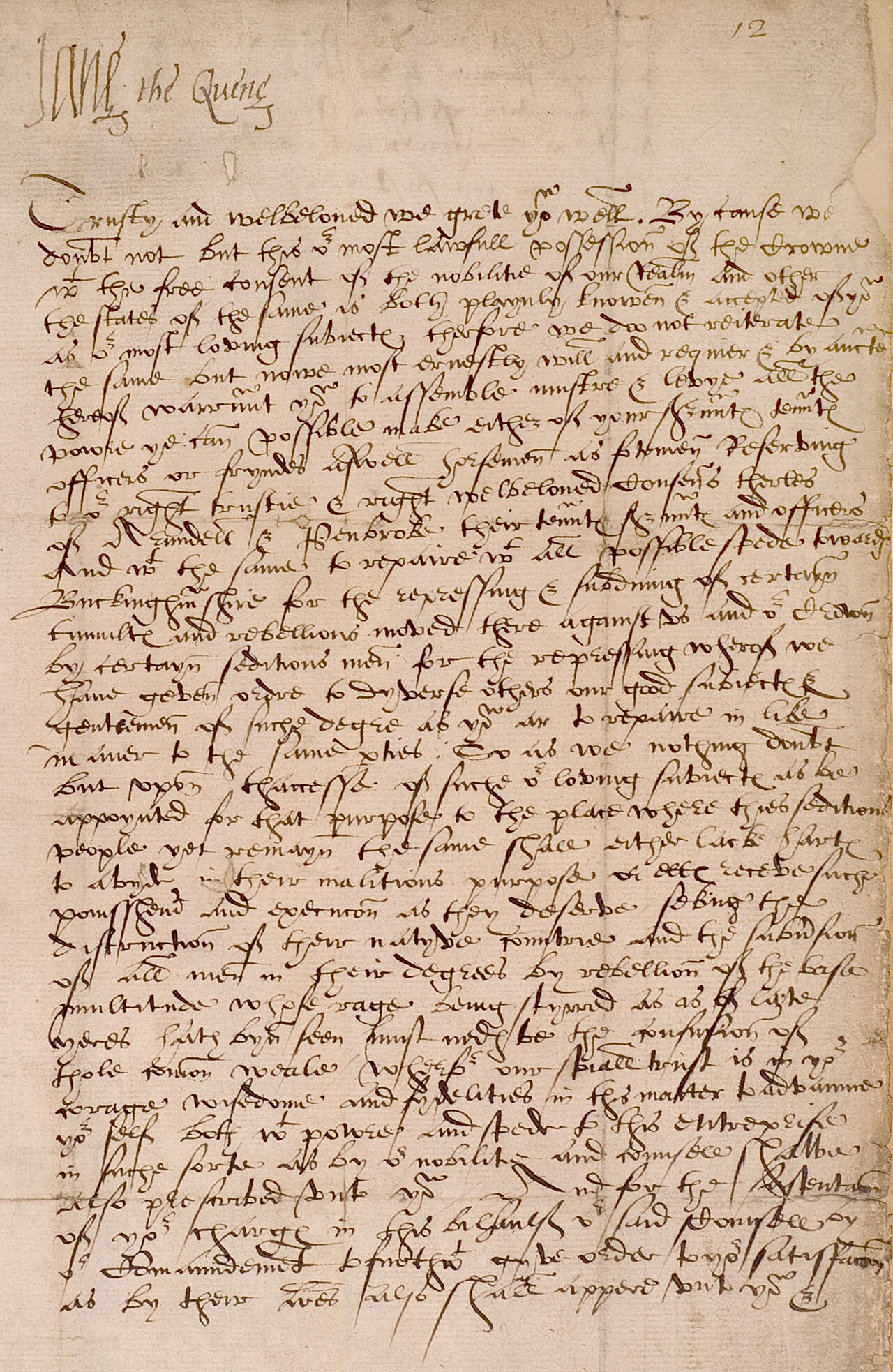 Letter
Primary source
Lady Jane Grey letter as Queen
Lady Jane Grey · July 1553
 Diary entry
Primary source
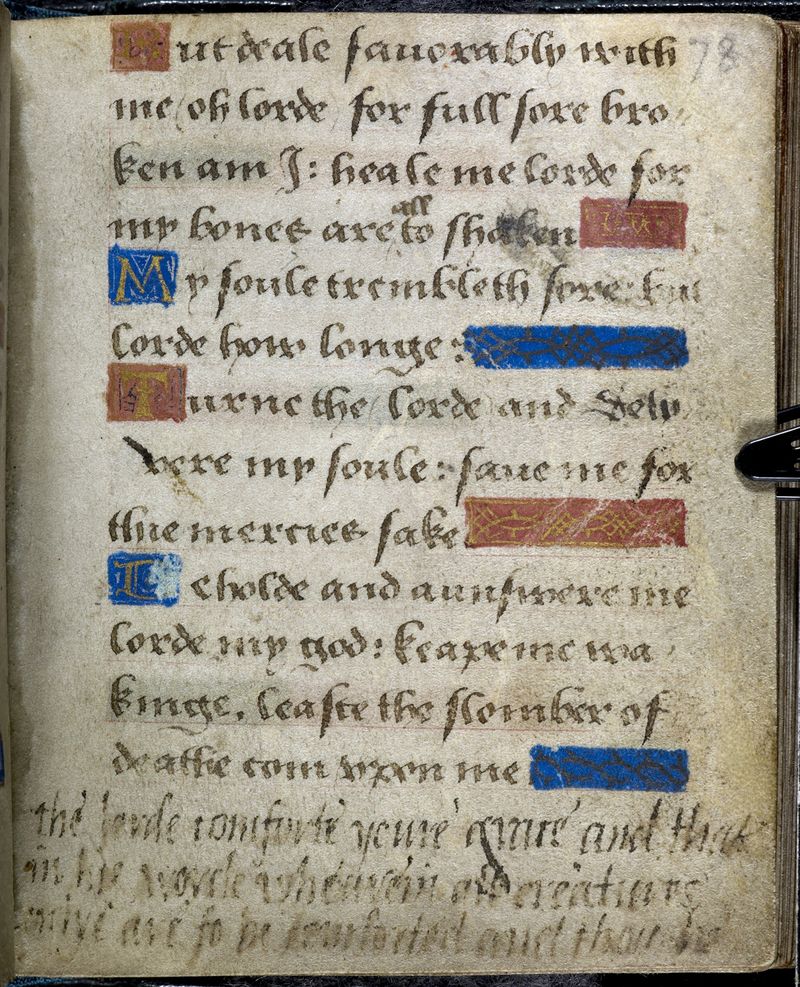
Jane Grey Prayerbook
Unknown (marginal notes believed to be Lady Jane Grey) · 16th century, before February 1554
 Painting
Secondary source
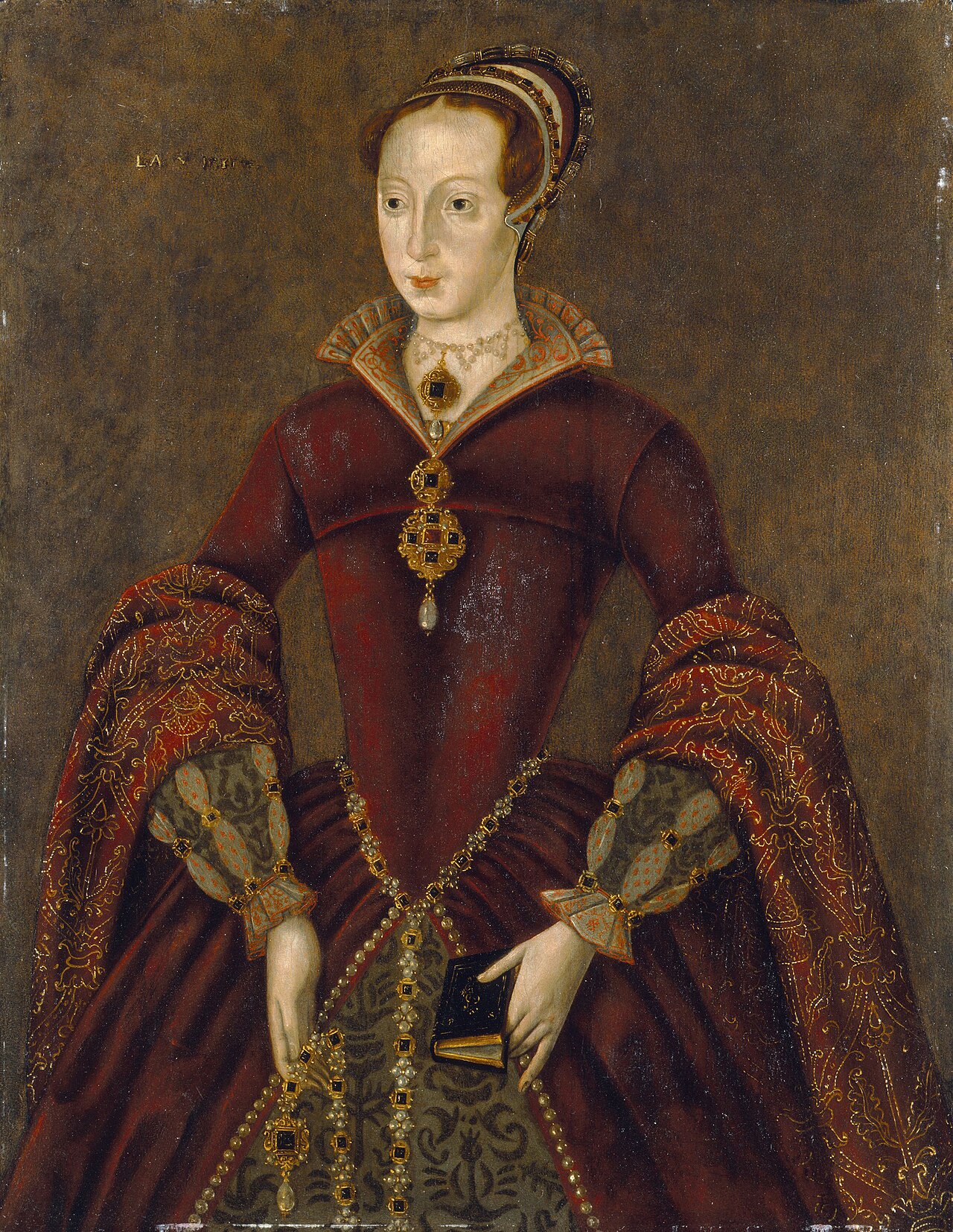
Lady Jane Dudley (née Grey), the Streatham Portrait
Unknown artist · 1590s
 Book
Secondary source
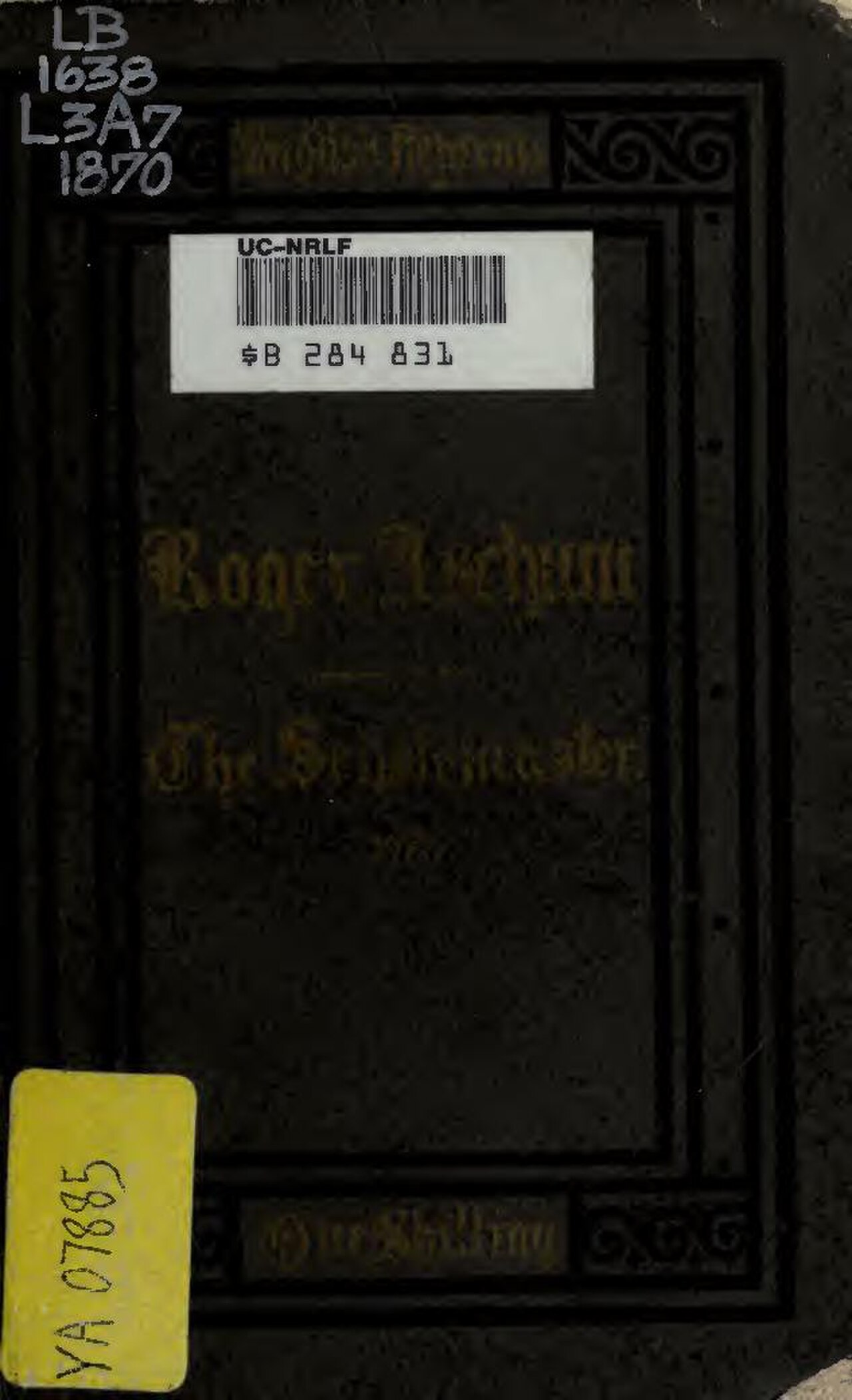
The Scholemaster
Roger Ascham · 1570
Free account
Read every Lady Jane Grey source
Sign up free →
Ready when you are
Start chatting with Lady Jane Grey now.
20 messages free · No credit card · Available in 50+ languages.