


Secondary sourceSculpture30-15 BCE
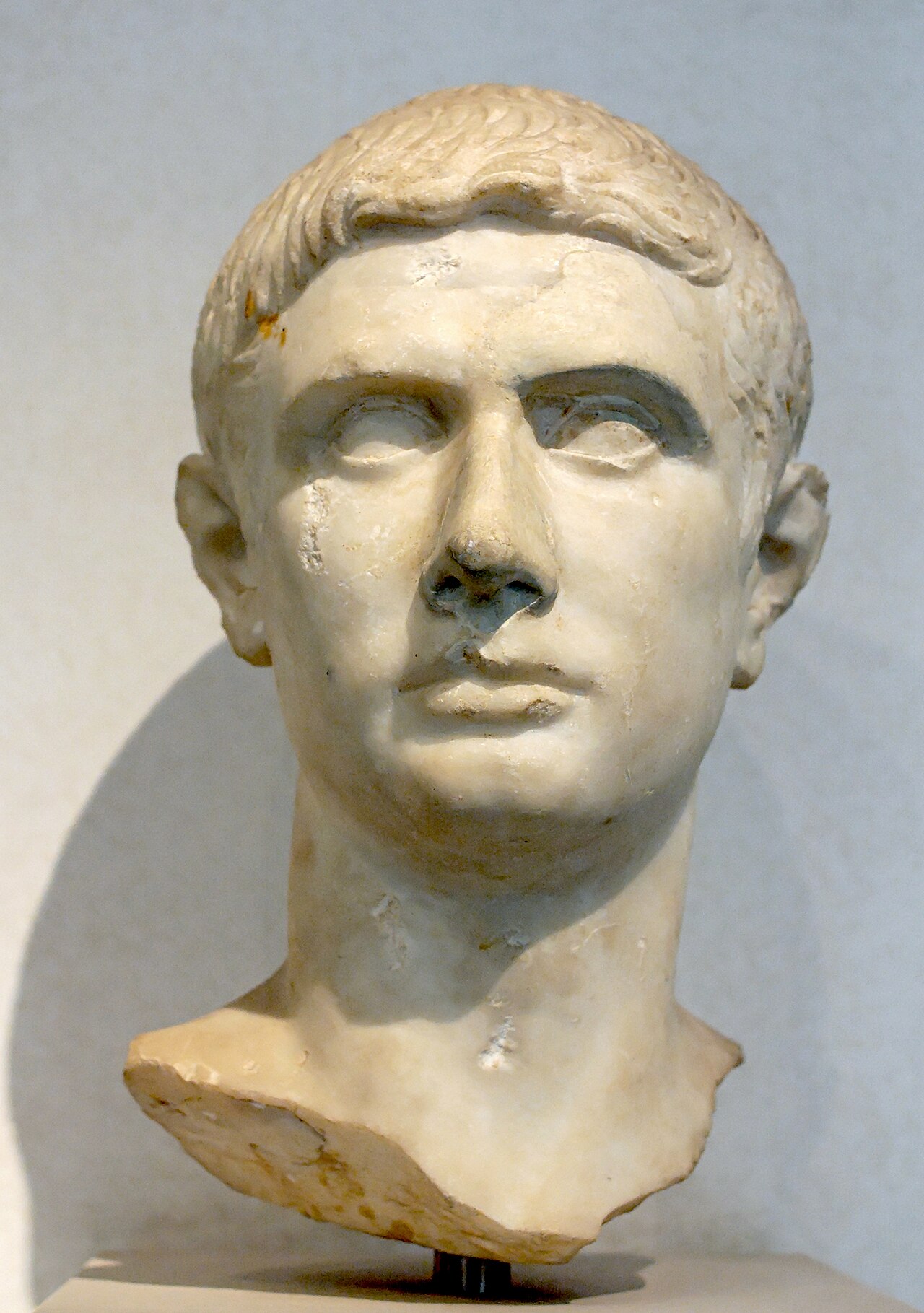
Portrait of Marcus Junius Brutus
30-15 BCE
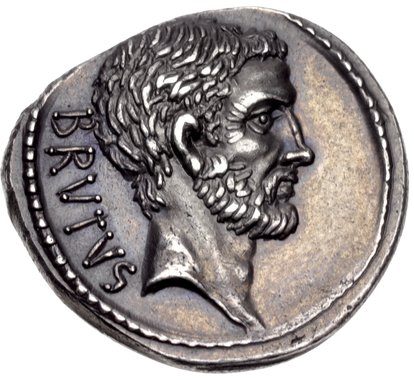
A Roman marble head traditionally identified as Brutus, used to compare with his coin portraits.
This marble head is traditionally identified as a portrait of Brutus, compared with his coin images.
About this source
What it is
This marble head, now in the Palazzo Massimo, is a Roman portrait dated to around 30-15 BCE. It was found in the Tiber river in Rome and is traditionally called "Brutus," though the identification is not certain.
Why it matters
Ancient portrait sculptures like this one were often made to honor or remember important Roman figures. The attempt to identify this bust as Brutus shows how historians and archaeologists use physical evidence, like comparing faces to coin images, to connect anonymous artworks to known historical figures.
Look closer
- What features of the face might lead scholars to think this is Brutus?
- Why is it hard to be certain about who an ancient portrait represents?
- What does it mean that this identification is only a tradition, not a certainty?
This sculpture is part of the curated material that grounds the AI version of Marcus Junius Brutus on Humy.ai — when students ask about related events, the AI can quote it and cite it.
More Marcus Junius Brutus sources
Browse all 87 →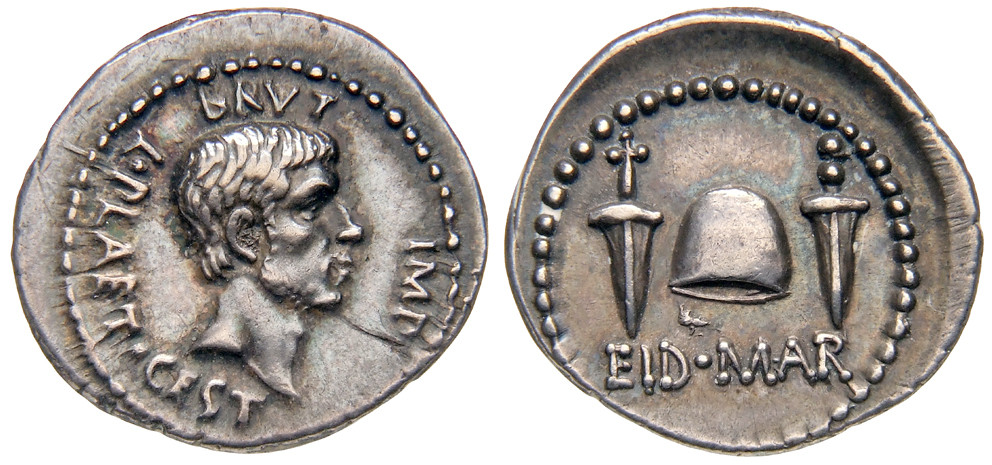 Artifact
Primary source
Ides of March coin
Lucius Plaetorius Cestianus · 43-42 BCE
Secondary source
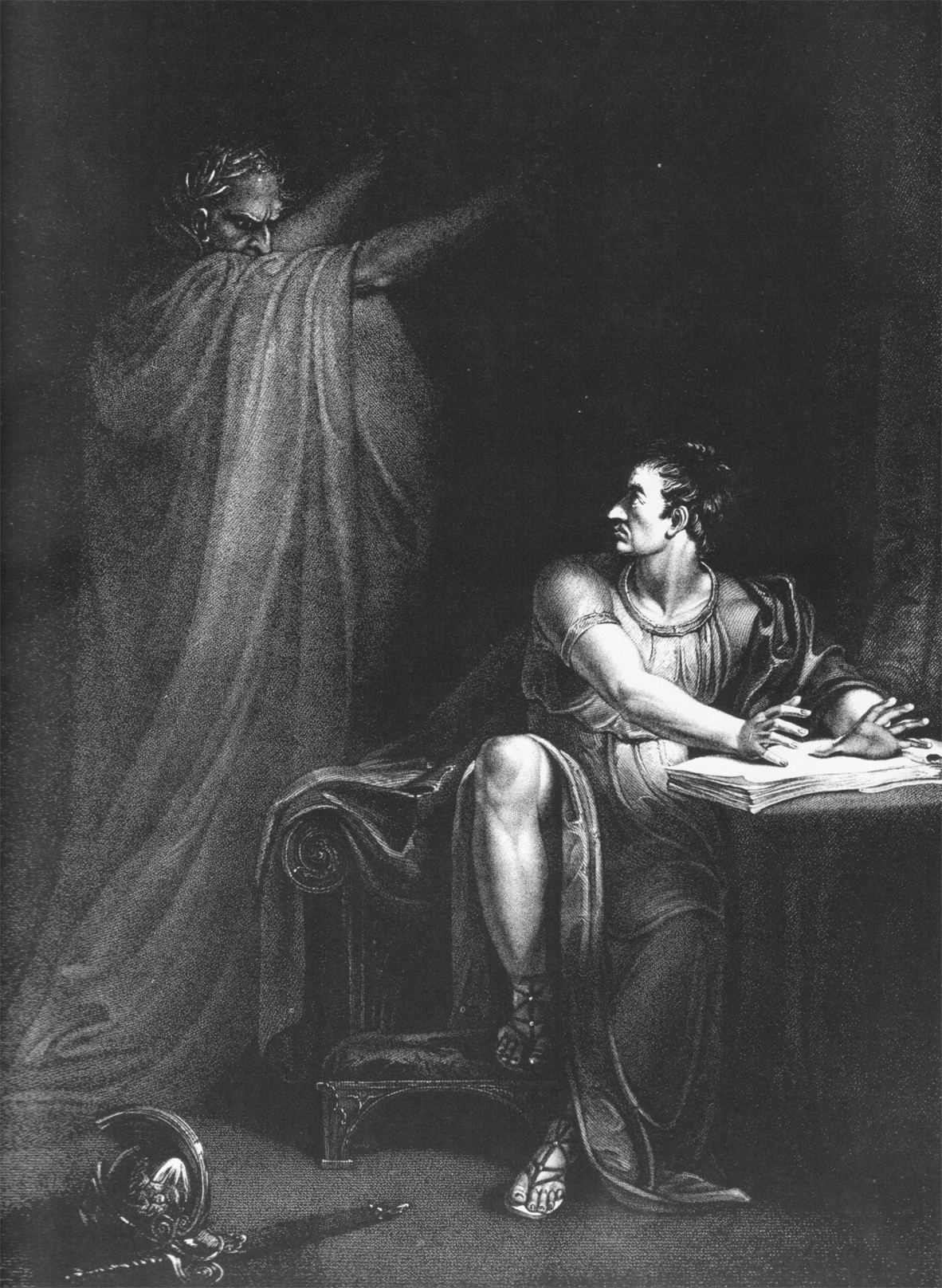
Life of Brutus
Plutarch
Primary source
Epistulae ad Brutum
Cicero and Marcus Junius Brutus · 43 BC
 Book
Secondary source
Julius Caesar
William Shakespeare · 1599
Free account
Read every Marcus Junius Brutus source
Sign up free →
Ready when you are
Start chatting with Marcus Junius Brutus now.
20 messages free · No credit card · Available in 50+ languages.