


Secondary sourcePainting16th century (probably)
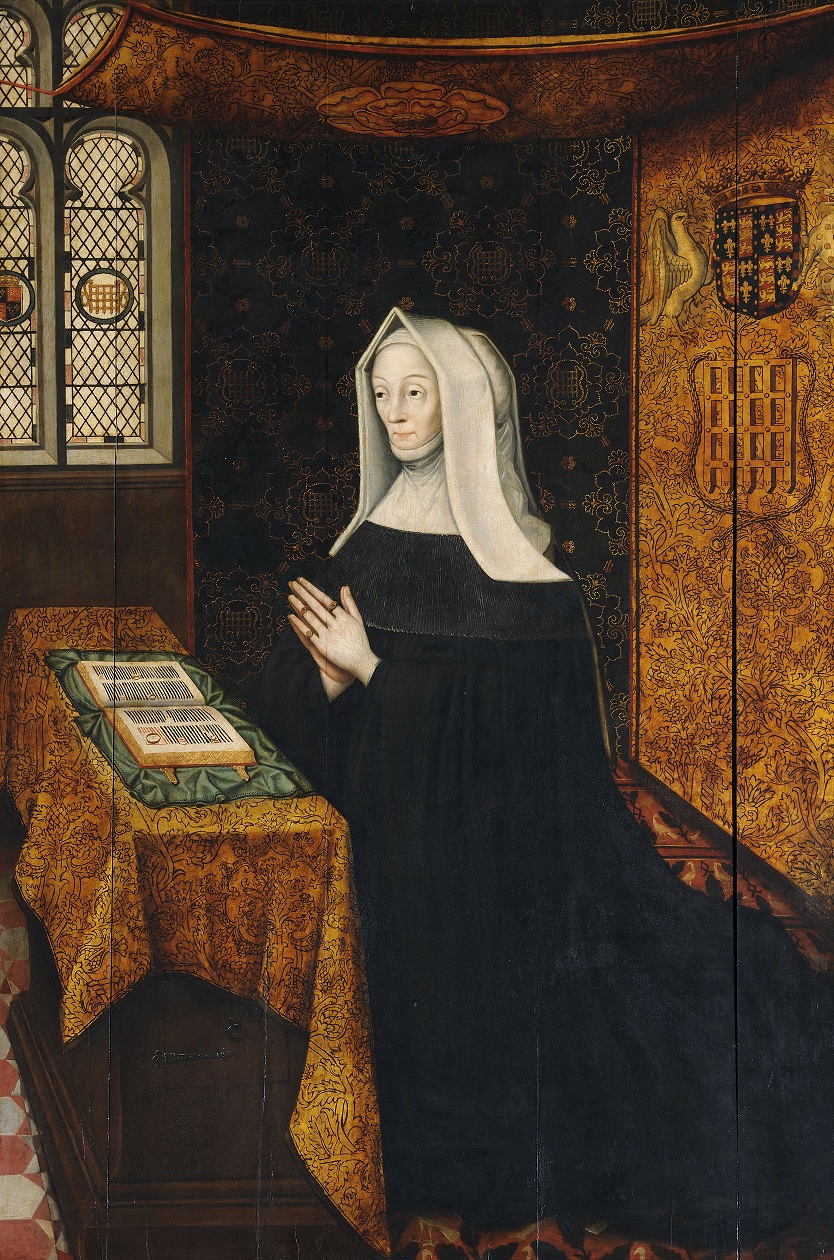
Portrait of Margaret Beaufort (Wewyck type)
Follower of Meynnart Wewyck · 16th century (probably)
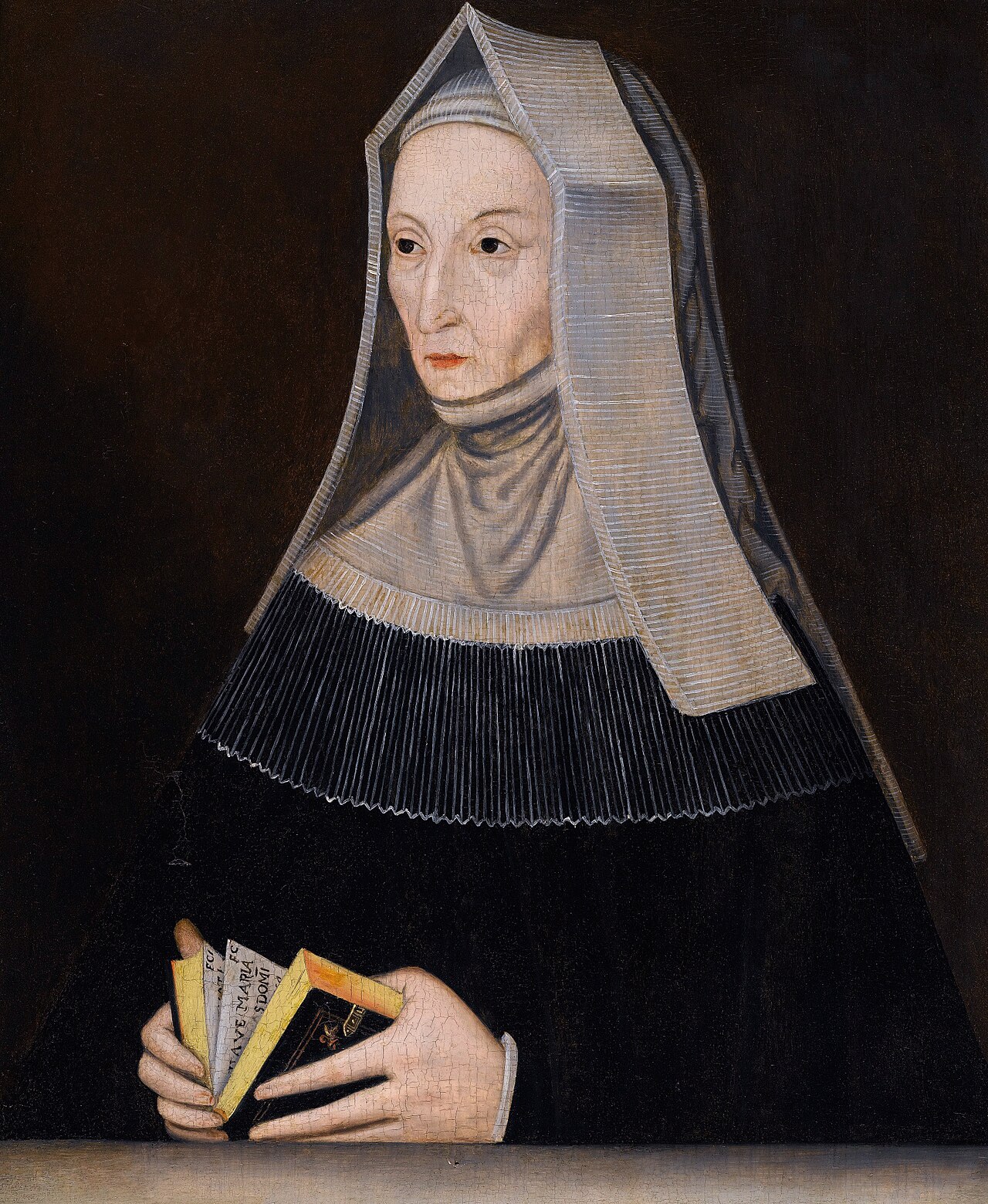
An oil portrait of Margaret Beaufort as an older woman, probably a 16th-century copy after the type by Meynnart Wewyck.
This portrait depicts Margaret Beaufort as an older woman, shaping how she has been visually remembered.
About this source
What it is
This small oil-on-panel portrait shows an older woman in a black gown with a pleated white collar, wearing a grey-white headdress and veil, holding a small book. It is probably a 16th-century copy made by a follower of the painter Meynnart Wewyck, and is identified as a portrait of Margaret Beaufort, Countess of Richmond and Derby.
Why it matters
Margaret Beaufort was the mother of King Henry VII and a powerful figure in her own right, known for her religious devotion and support of learning. Portraits like this one, made after an established type, were copied and recopied to spread an approved image of important people, shaping how later generations pictured her.
Look closer
- What does her clothing and the book she holds suggest about how she wanted to be remembered?
- Why might copies of a portrait type be made long after the original?
- What does the painting leave out about her life and actions?
This painting is part of the curated material that grounds the AI version of Lady Margaret Beaufort on Humy.ai — when students ask about related events, the AI can quote it and cite it.
More Lady Margaret Beaufort sources
Browse all 61 →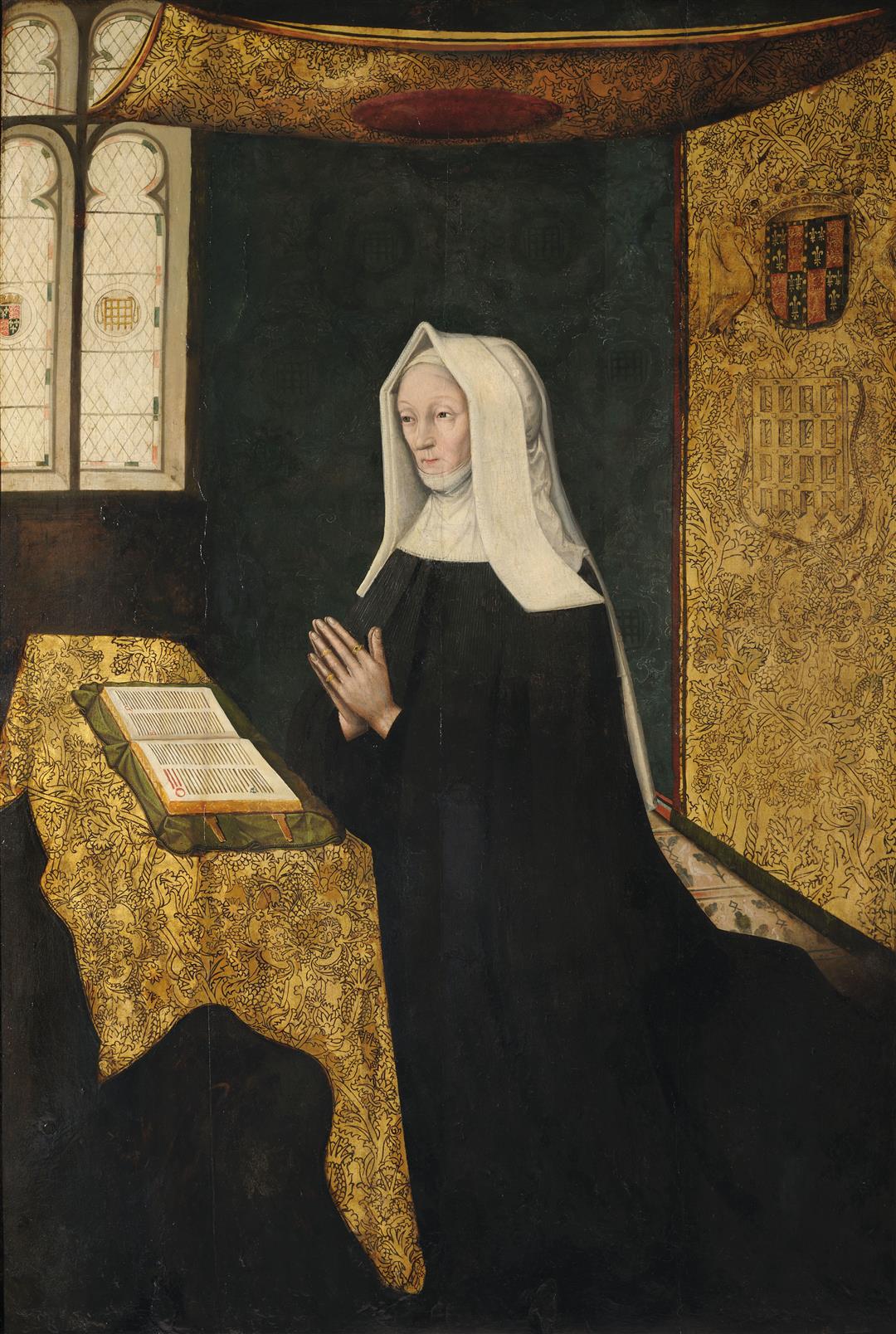 Painting
Primary source
Lady Margaret Beaufort
Meynnart Wewyck · c. 1510
 Sculpture
Primary source
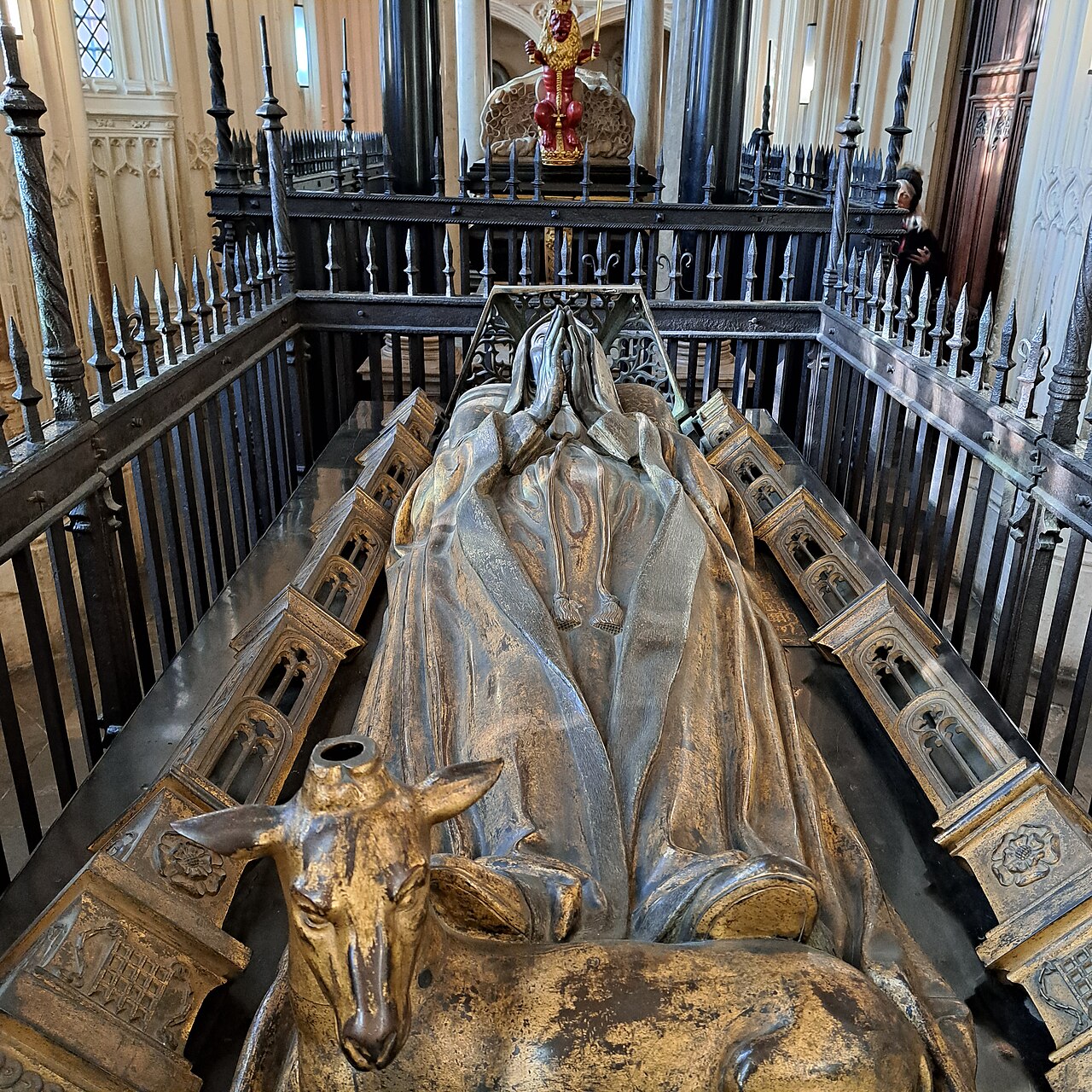
Tomb and Effigy of Lady Margaret Beaufort
Pietro Torrigiano · 1511–1513
 Book
Primary source
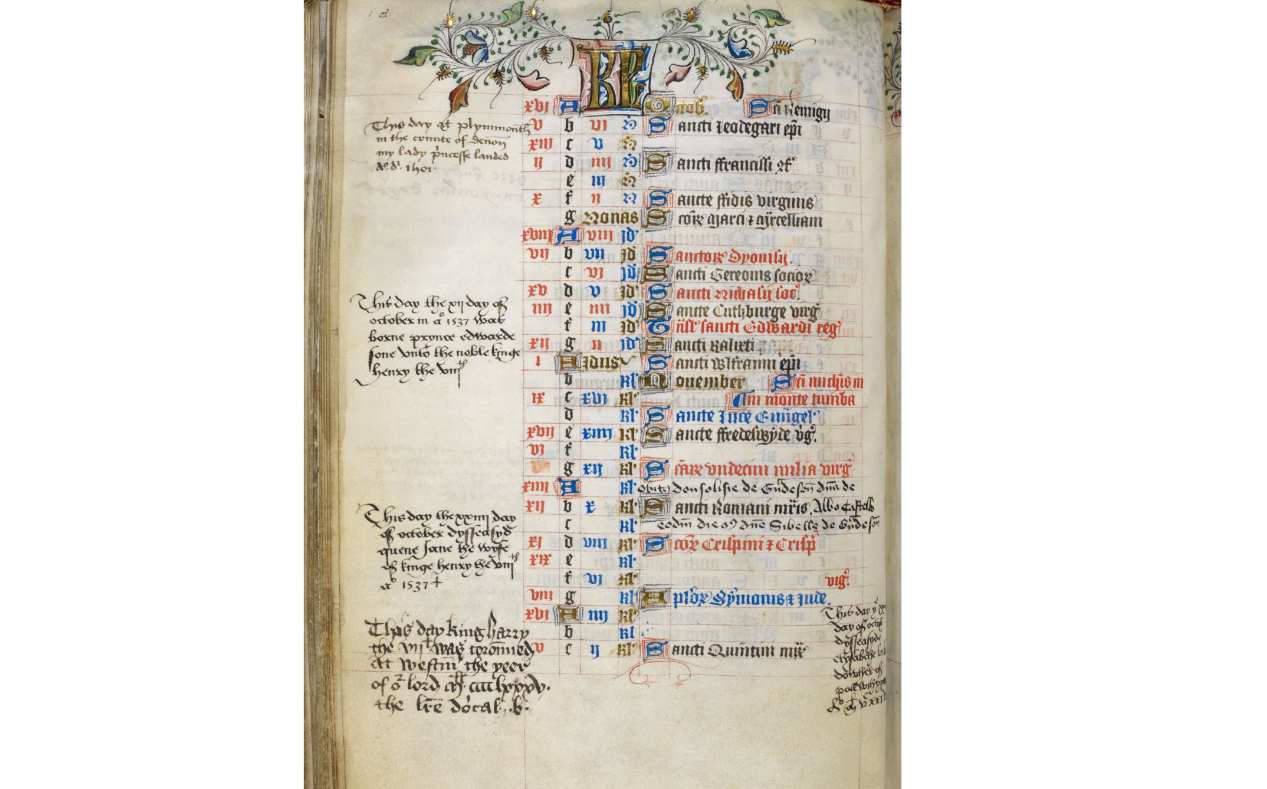
Beaufort Hours
c. 1401–1410, with later additions
 Artifact
Primary source
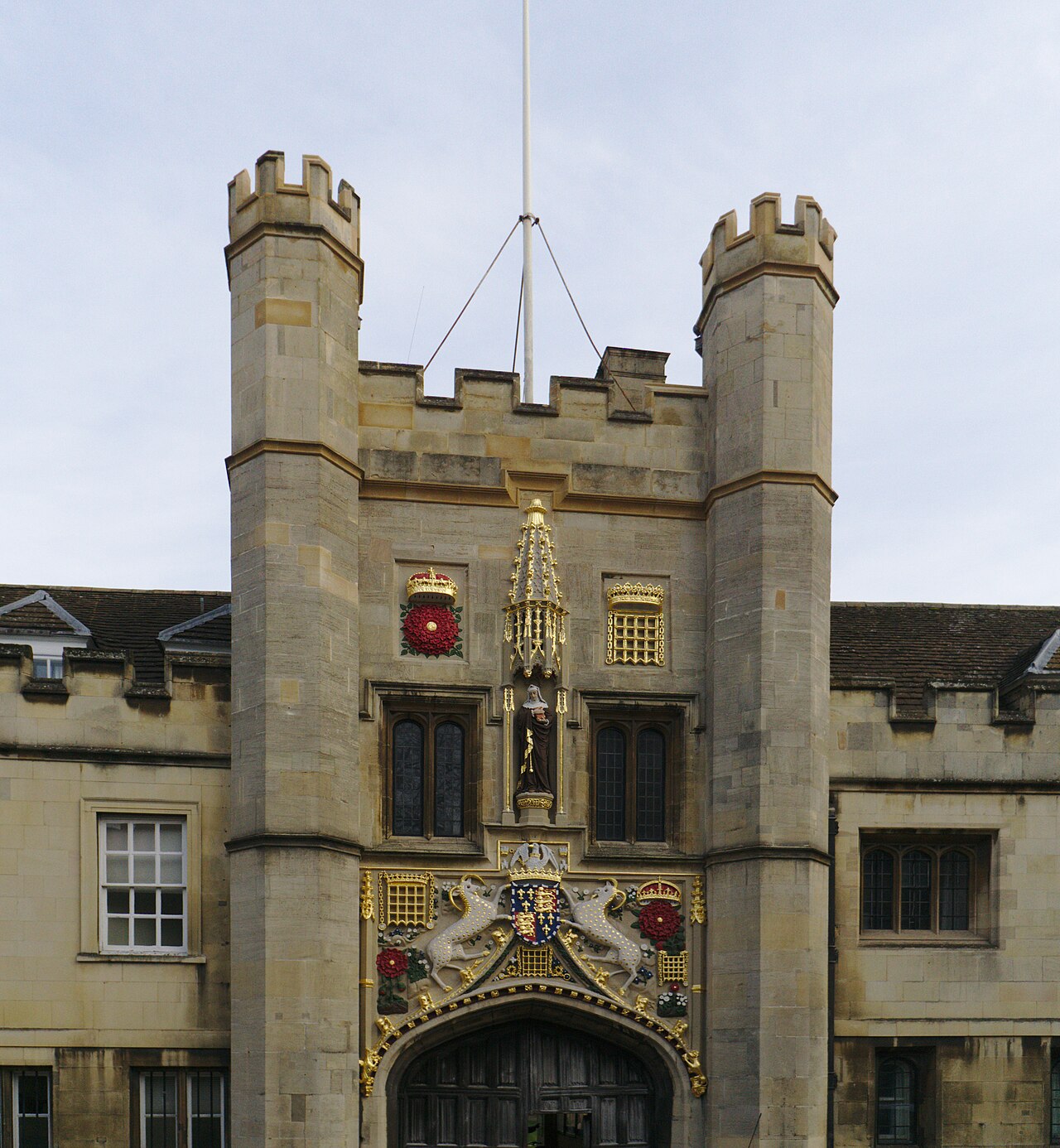
Great Gate of Christ's College, Cambridge
c. 1505–1510
Free account
Read every Lady Margaret Beaufort source
Sign up free →
Ready when you are
Start chatting with Lady Margaret Beaufort now.
20 messages free · No credit card · Available in 50+ languages.