


Secondary sourcePainting16th century
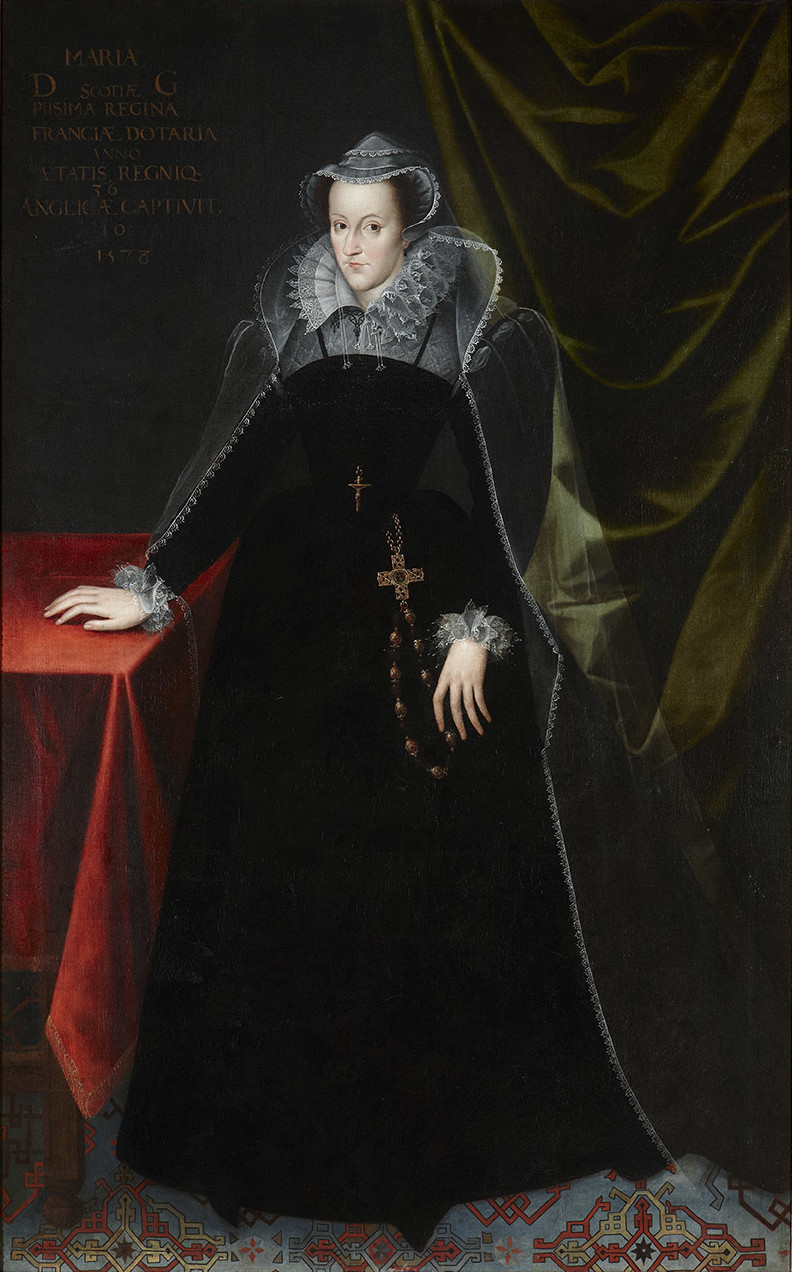
Portrait of Mary Stuart (Liria Palace)
16th century
A sixteenth-century portrait labelled Mary Reine d'Ecosse, of the Scottish queen who was the subject of Zweig's biography.
This sixteenth-century portrait shows Mary, Queen of Scots, the subject of Zweig's 1935 biography, in a period close to her life.
About this source
What it is
This is a painting from the sixteenth century, labelled Mary Reine d'Ecosse, meaning Mary, Queen of Scots. The painter is unidentified. The record gives her dates as 1542 to 1587. The only description available is the label, so the picture itself is not described in detail here.
Why it matters
Mary, Queen of Scots, ruled Scotland and later was held in England, where she was executed. Zweig wrote about her in a 1935 biography. A portrait from her own period shows how she was presented to viewers of her time, and it links Zweig's subject to the art of the Renaissance courts.
Look closer
- Who might have commissioned this portrait, and why did they want her image made?
- What can a painting tell us about a person that a written biography cannot?
- How sure can we be that a portrait shows a real likeness, and how would we check?
This painting is part of the curated material that grounds the AI version of Stefan Zweig on Humy.ai — when students ask about related events, the AI can quote it and cite it.
More Stefan Zweig sources
Browse all 76 →Primary source
Stefan Zweig's Farewell Letter
Stefan Zweig · 22 February 1942
 Document
Primary source
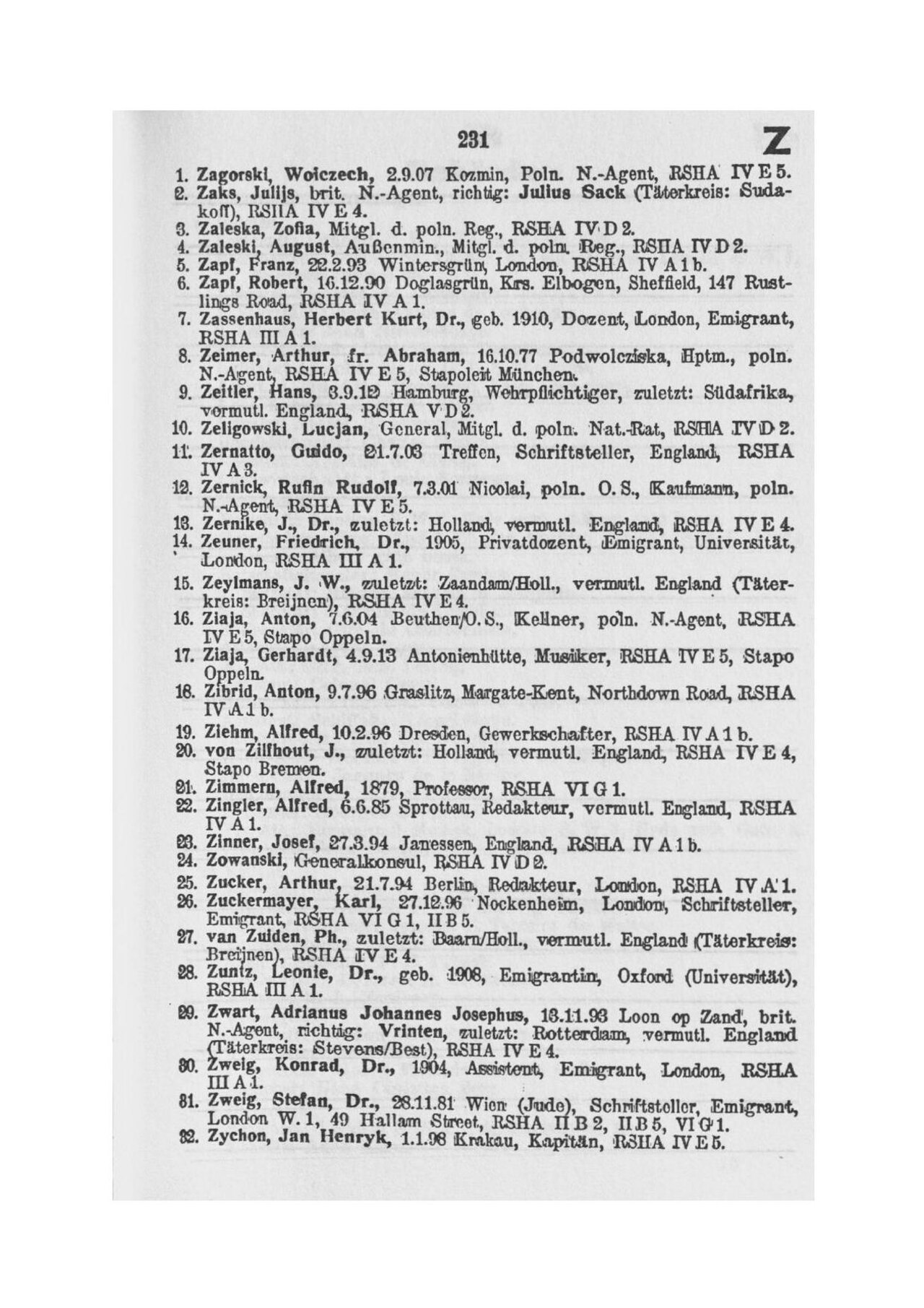
Sonderfahndungsliste G.B. Seite 231
Reichssicherheitshauptamt · 1940
 Document
Primary source
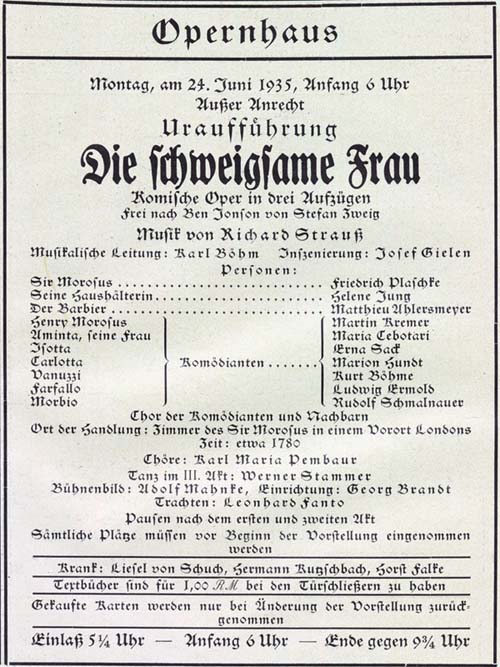
Die schweigsame Frau
Richard Strauss · 1935
 Photograph
Primary source
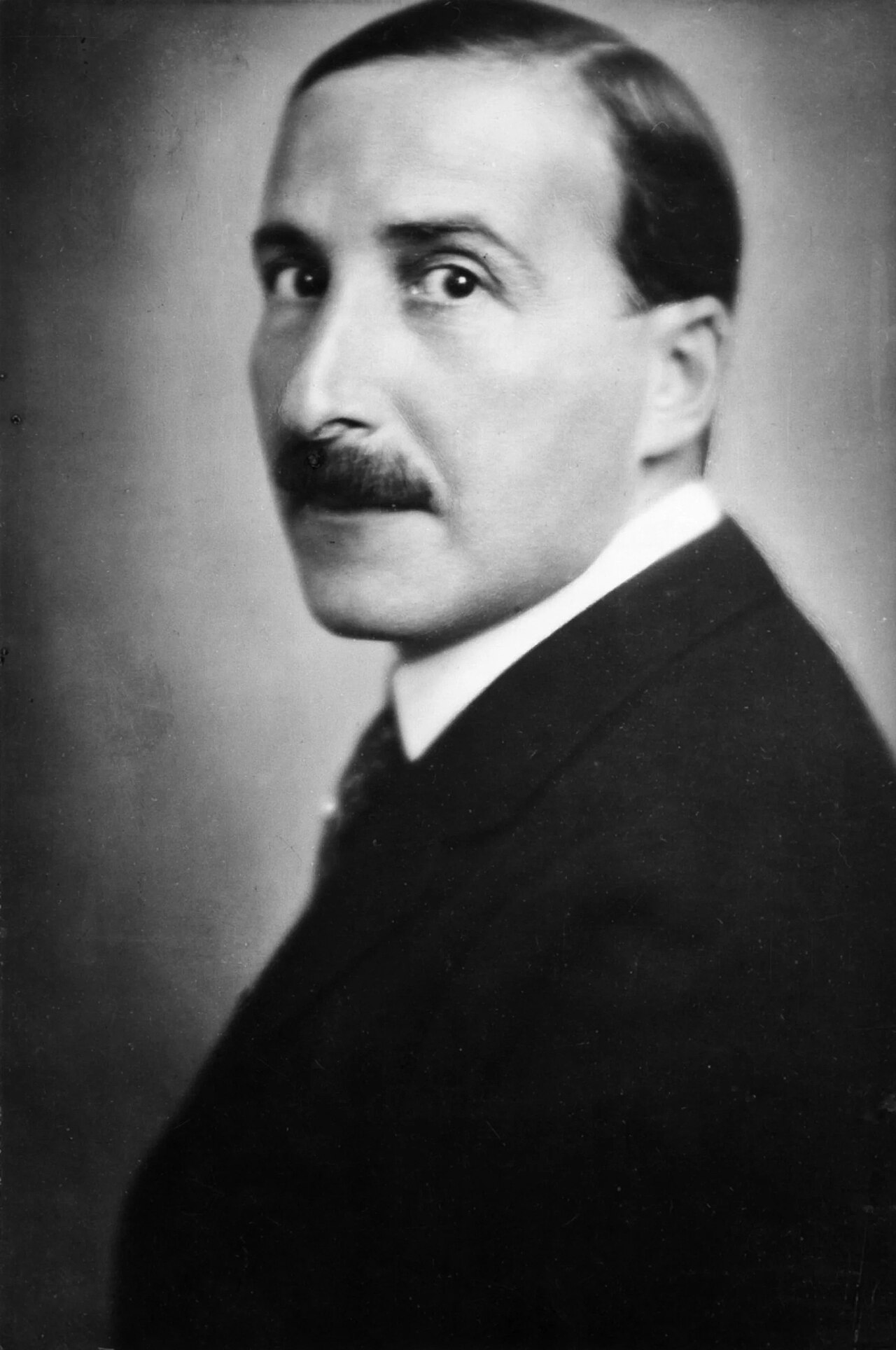
Portrait of Stefan Zweig
F. X. Setzer · 1927
Free account
Read every Stefan Zweig source
Sign up free →
Ready when you are
Start chatting with Stefan Zweig now.
20 messages free · No credit card · Available in 50+ languages.