


Secondary sourcePainting
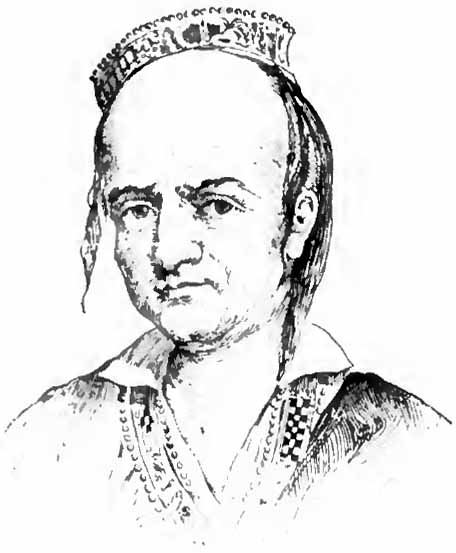
Portrait of Metacomet
A 19th-century engraving imagining the appearance of Metacomet, also known as King Philip, with no basis in any portrait made during his lifetime.
This engraving is the Wikidata-listed portrait of Metacomet, though made long after his death with no life model.
About this source
What it is
This is a black-and-white engraving of an older man wearing a decorated band across his forehead, long hair, and an embroidered collar. It was published in Appletons' Cyclopaedia, a reference work from the 19th century, long after Metacomet's death.
Why it matters
No portrait of Metacomet was made during his lifetime, so this image is entirely imagined by the artist. It shows how 19th-century Americans pictured Native leaders of the past, often based on stereotypes rather than fact. Studying it teaches how images can shape — and distort — historical memory.
Look closer
- What details in the clothing or headdress look invented rather than researched?
- Why might a 19th-century publisher want to include an imagined picture of Philip?
- How does this image compare with what we actually know about Metacomet's appearance?
This painting is part of the curated material that grounds the AI version of Metacomet on Humy.ai — when students ask about related events, the AI can quote it and cite it.
More Metacomet sources
Browse all 31 →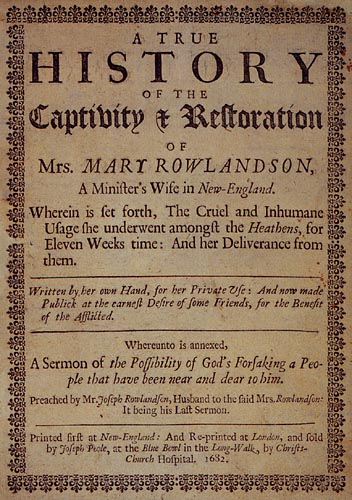 Book
Primary source
A Narrative of the Captivity and Restoration of Mrs. Mary Rowlandson
Mary Rowlandson · 1682
 Book
Primary source
Entertaining Passages Relating to Philip's War
Benjamin Church (with Thomas Church) · 1716
 Book
Primary source
The History of King Philip's War
Thomas Church · 1825
 Letter
Primary source
Letter to John Cotton from Mount Hope
William Bradford · 21 July 1675


Free account
Read every Metacomet source
Sign up free →
Ready when you are
Start chatting with Metacomet now.
20 messages free · No credit card · Available in 50+ languages.