


Primary sourcePainting1768
Portrait of Paul Revere
John Singleton Copley · 1768
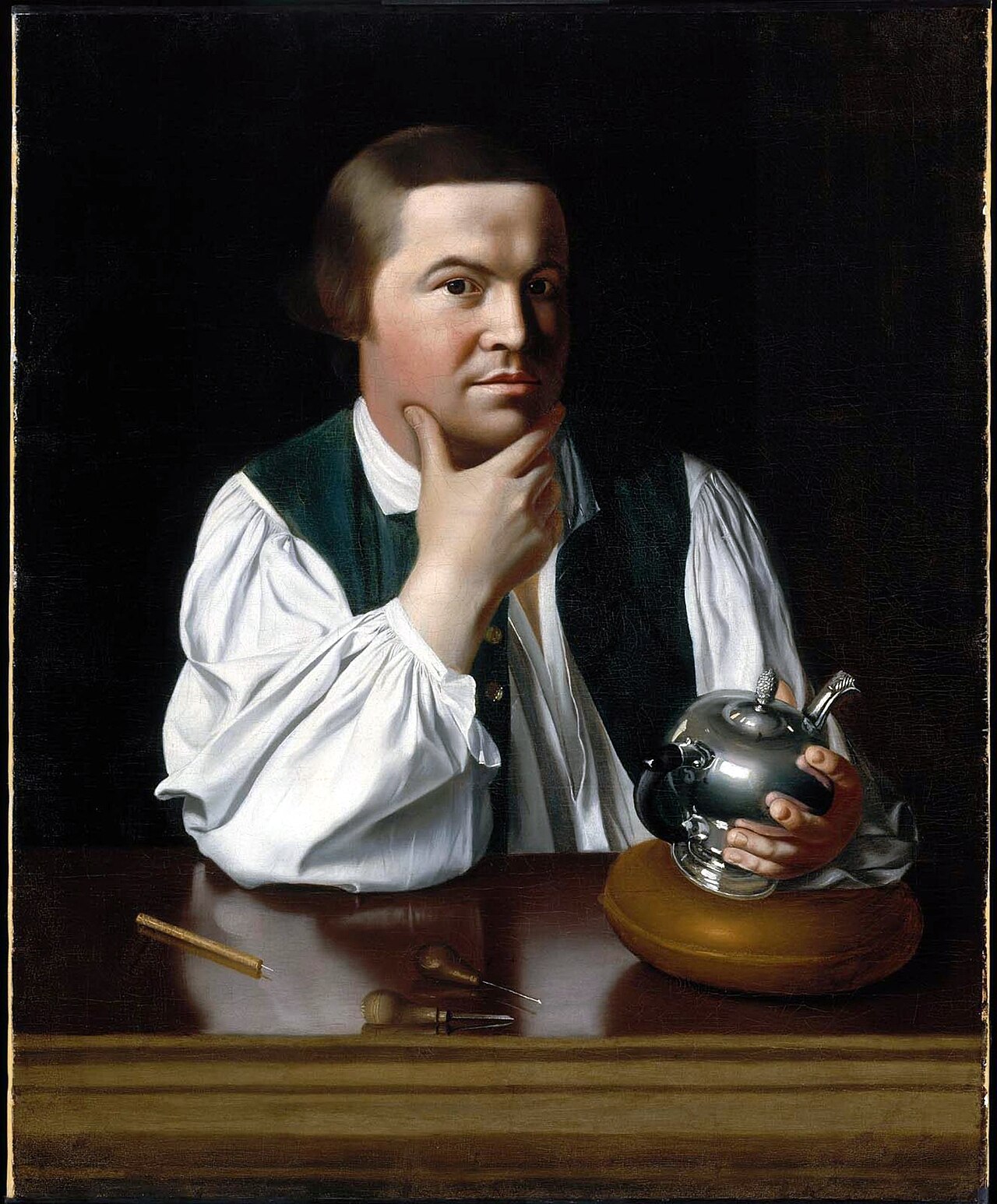
John Singleton Copley's 1768 portrait shows Paul Revere as a working silversmith, holding a teapot beside his tools.
This portrait depicts Revere himself as a silversmith, painted by his friend Copley before his fame as a revolutionary.
About this source
What it is
This oil portrait was painted in 1768 by John Singleton Copley, a friend of Paul Revere's. It shows Revere in shirtsleeves at his workbench, holding a silver teapot, surrounded by his engraving tools. It is now held at the Museum of Fine Arts, Boston.
Why it matters
Copley rarely painted manual workers, so this informal portrait of an artisan was unusual for its time. Revere is shown without the powdered hair or fine clothing expected in English-style portraits, instead caught mid-work on one of his most skillful creations, a teapot. The painting captures Revere before he became known as a revolutionary, showing instead his pride in his craft. It later became one of the most admired works of American colonial art.
Look closer
- What does Revere's clothing and pose tell you about how he wanted to be seen?
- Why might Copley have chosen to paint him working rather than posed formally?
- What details in the painting are realistic, and which seem exaggerated or idealized?
This painting is part of the curated material that grounds the AI version of Paul Revere on Humy.ai — when students ask about related events, the AI can quote it and cite it.
More Paul Revere sources
Meet the AI Paul Revere →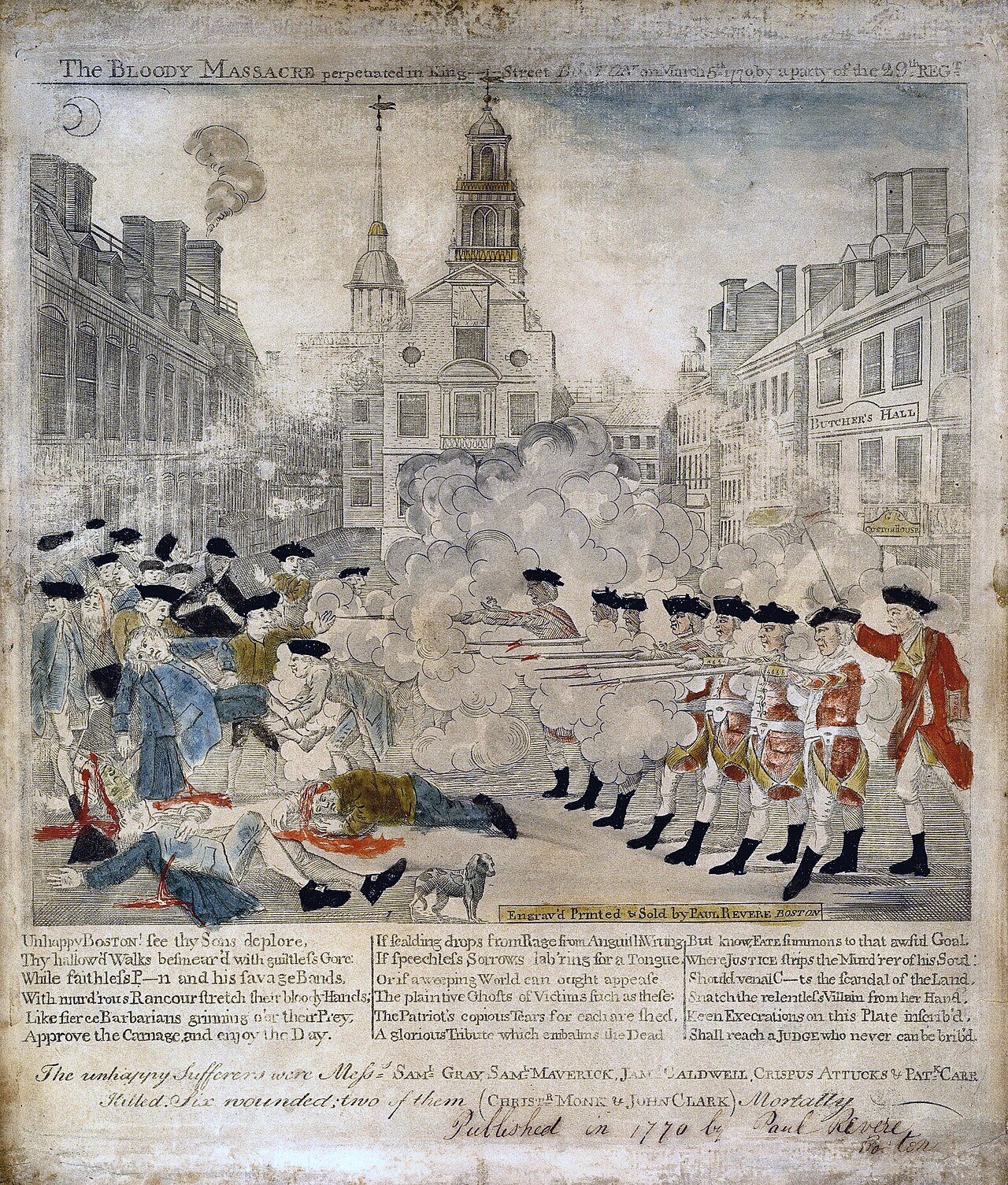 Painting
Primary source
The Bloody Massacre
Paul Revere · 1770
 Artifact
Primary source
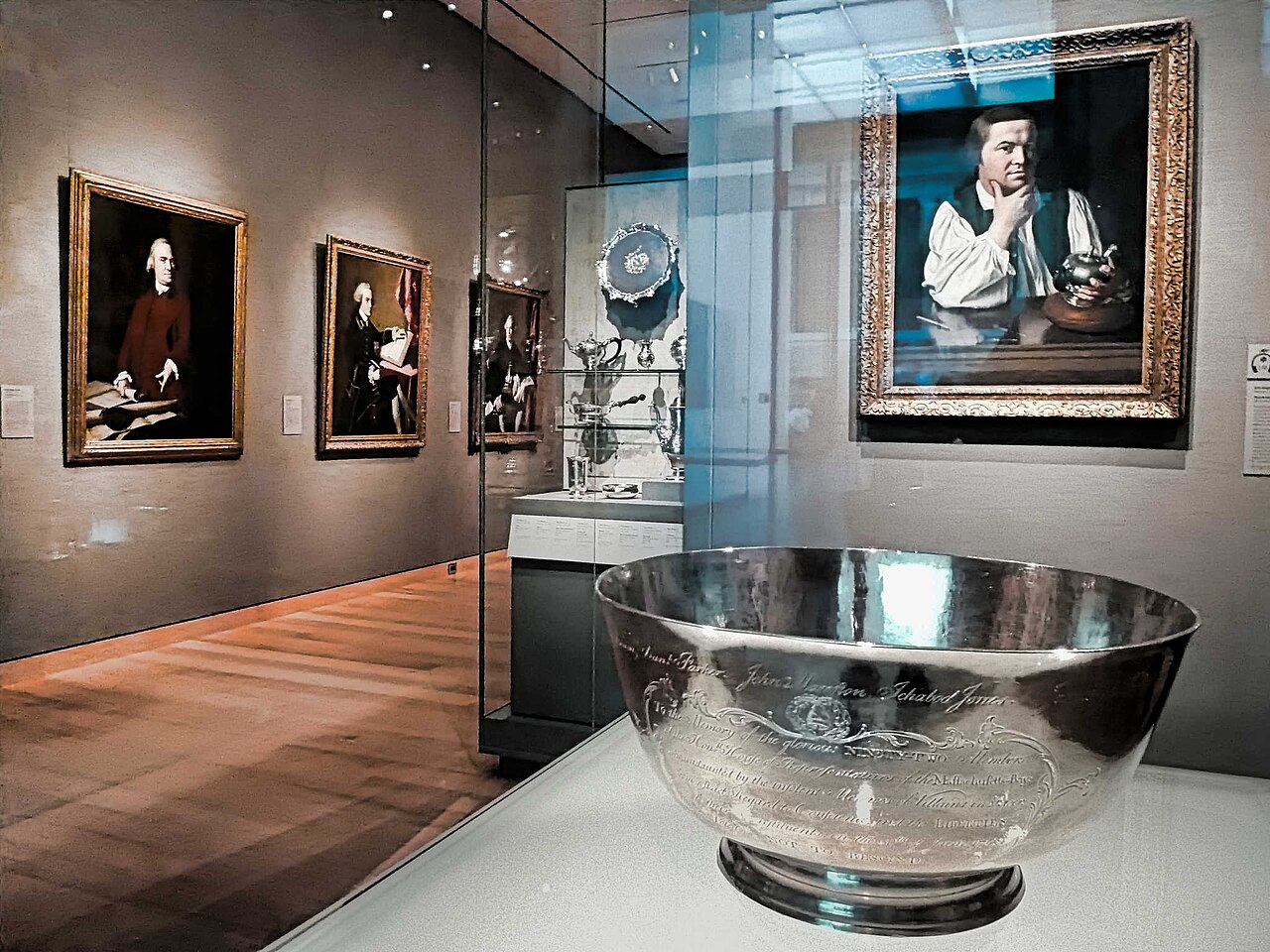
Sons of Liberty Bowl
Paul Revere · 1768
 Book
Secondary source
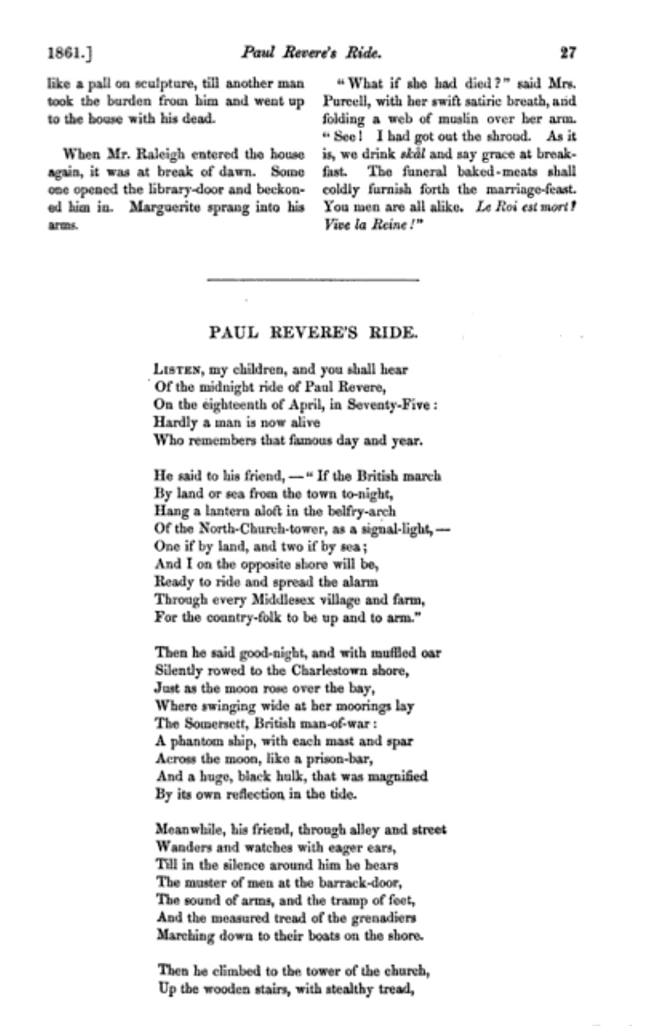
Paul Revere's Ride
Henry Wadsworth Longfellow · 1860
 Artifact
Primary source
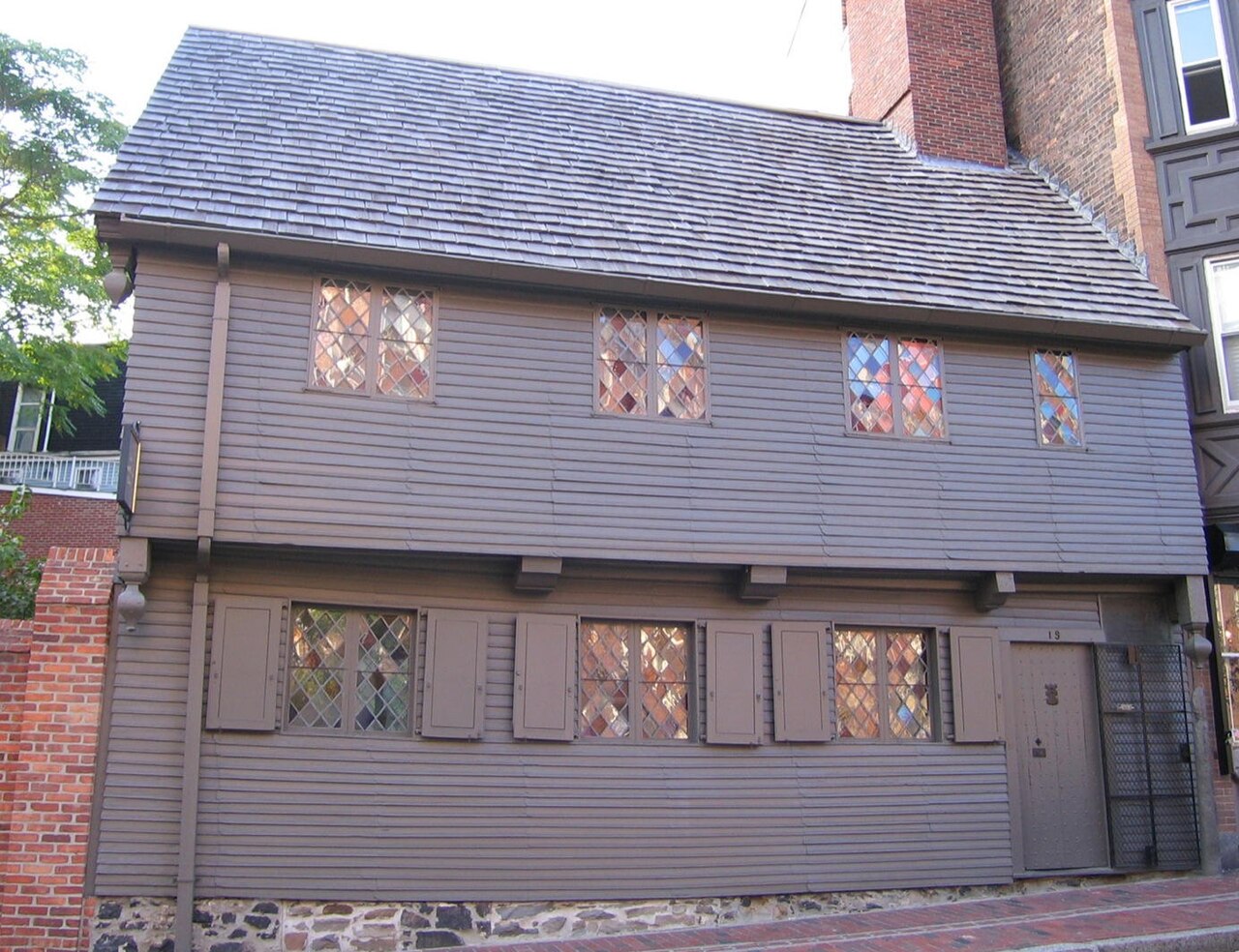
Paul Revere House
c. 1680
 Painting
Primary source
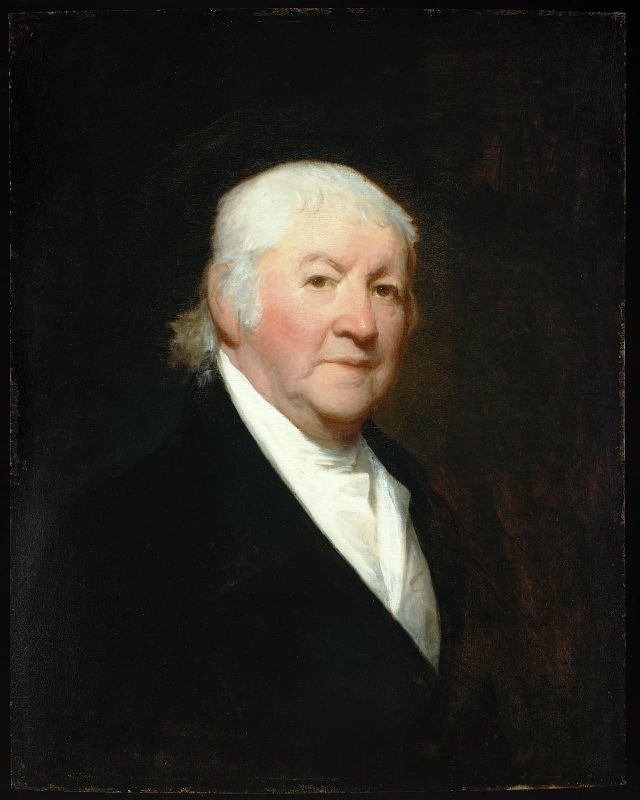
Portrait of Paul Revere by Gilbert Stuart
Gilbert Stuart · 1813
Ready when you are
Start chatting with Paul Revere now.
20 messages free · No credit card · Available in 50+ languages.