


Primary sourcePainting1600s
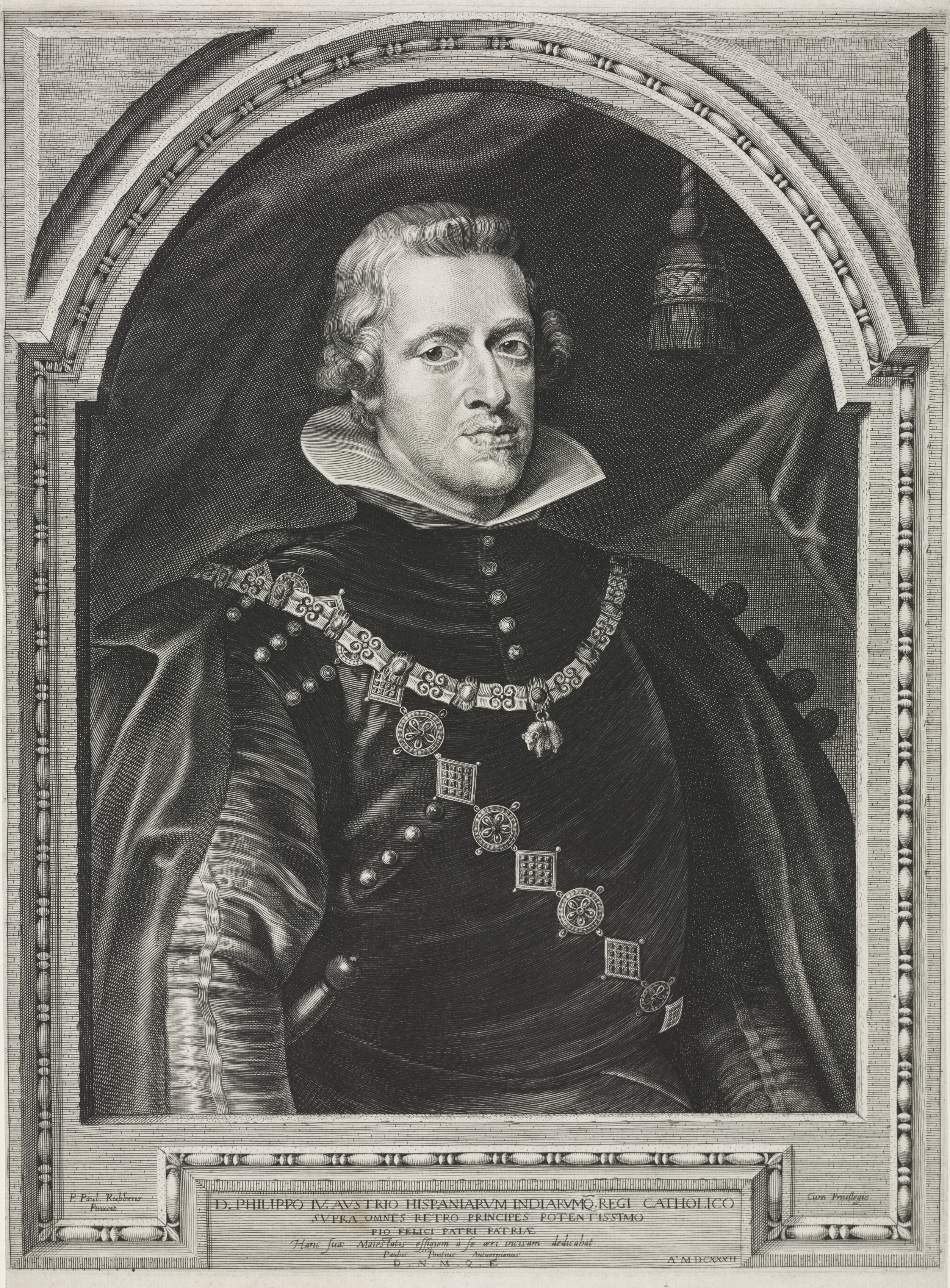
Portrait of Philip IV
Paulus Pontius, after Peter Paul Rubens · 1600s
An engraving of King Philip IV of Spain, made after a painting by Rubens; Philip IV was the king Velázquez served as court painter.
Depicts Philip IV, the king Velázquez served as court painter, showing the monarch whose image Velázquez also captured.
About this source
What it is
This is a 17th-century engraving portrait of King Philip IV of Spain. It was made by the Flemish engraver Paulus Pontius, based on a painting by Peter Paul Rubens. It is held today by the Cleveland Museum of Art.
Why it matters
Philip IV was the Spanish king whom Diego Velázquez served as court painter for many years, producing numerous portraits of the monarch and his family. This engraving, made by different artists working from a Rubens original, shows how the king's image circulated across Europe through prints, not only through Velázquez's paintings. It reflects the networks of artists—Rubens, Pontius, and Velázquez—who shaped how royalty was seen by the public.
Look closer
- What details of clothing and posture suggest royal status?
- Why might an engraving based on a painting be useful for spreading a king's image widely?
- How might this printed portrait differ from a painted one by Velázquez himself?
This painting is part of the curated material that grounds the AI version of Diego Velázquez on Humy.ai — when students ask about related events, the AI can quote it and cite it.
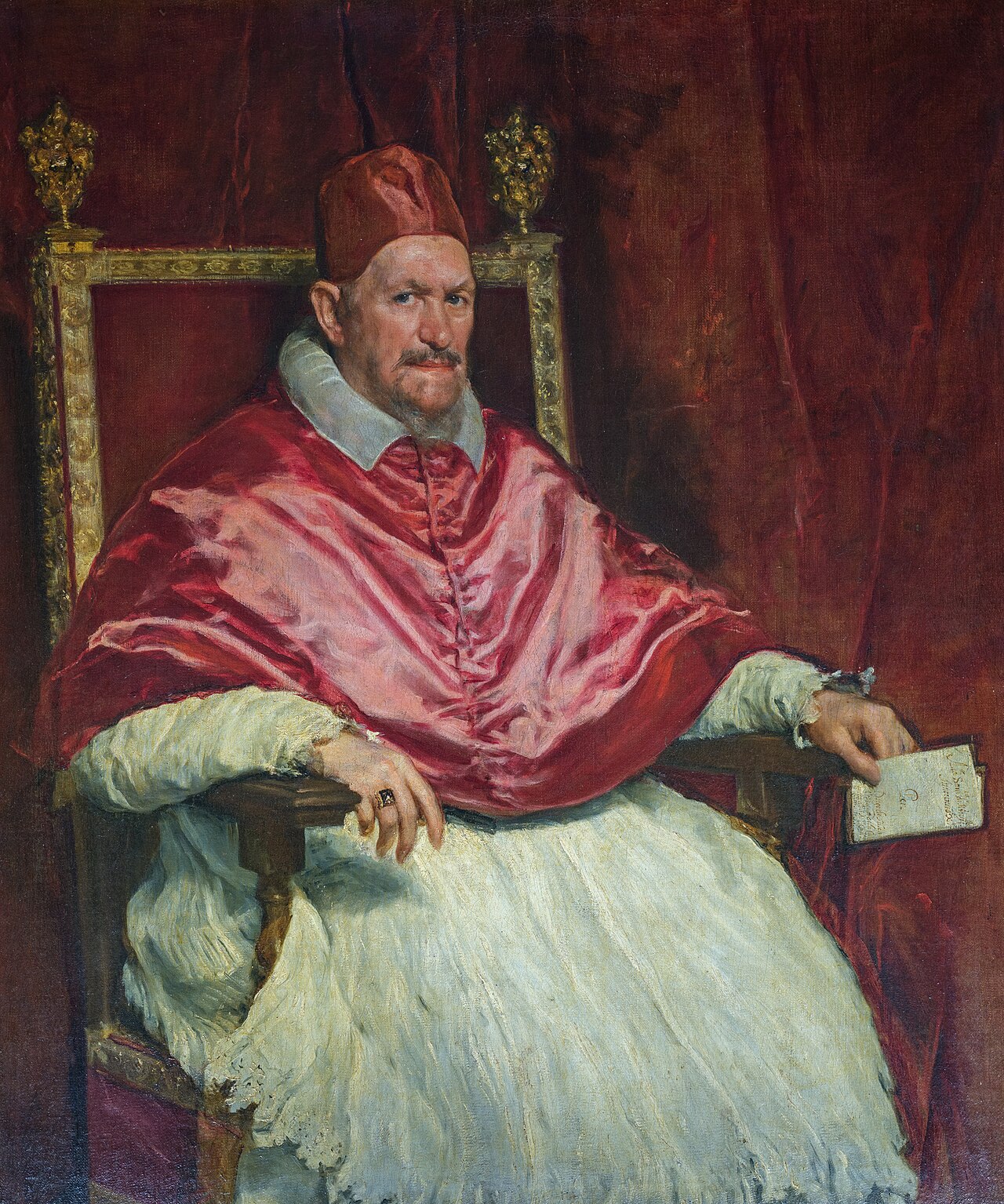
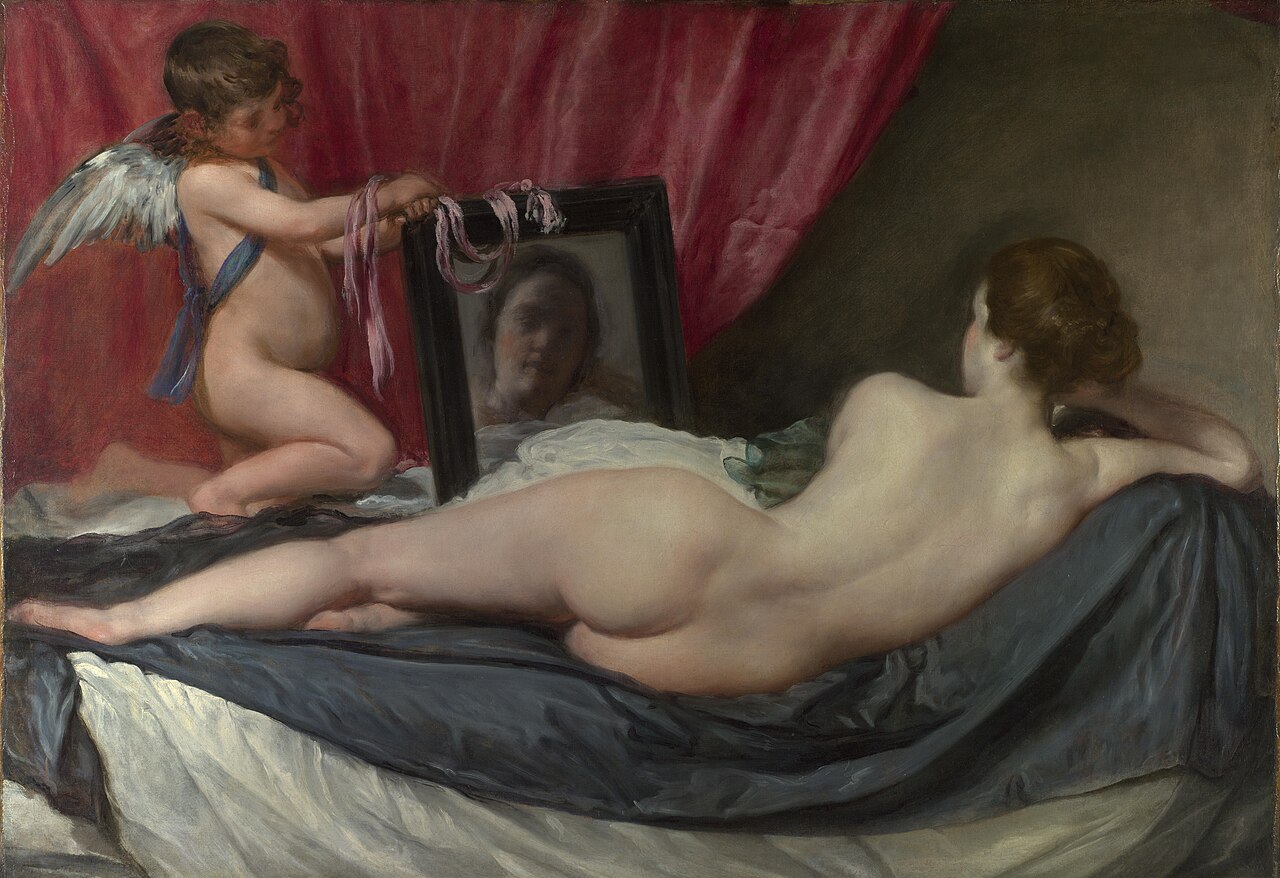
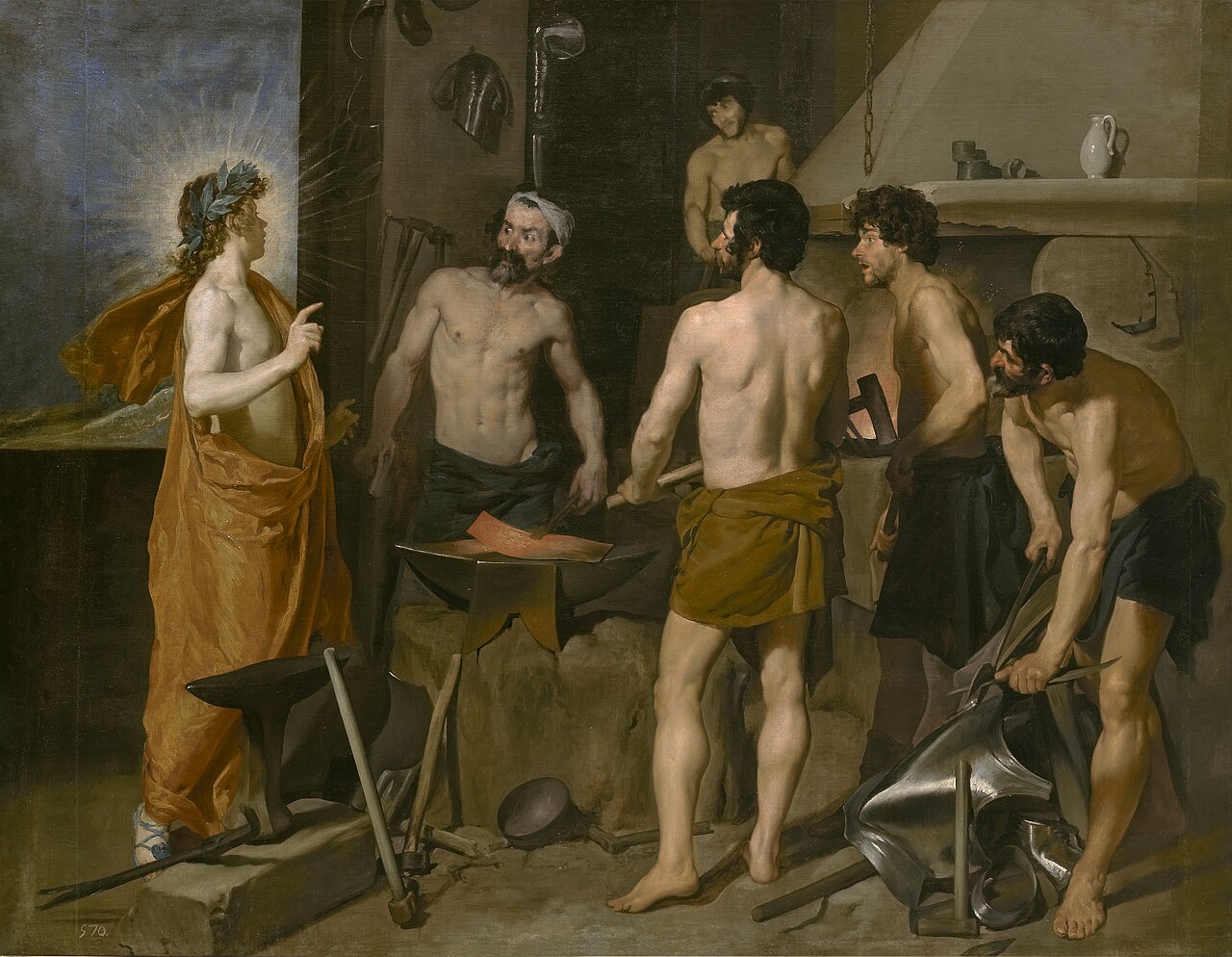
More Diego Velázquez sources
Browse all 98 →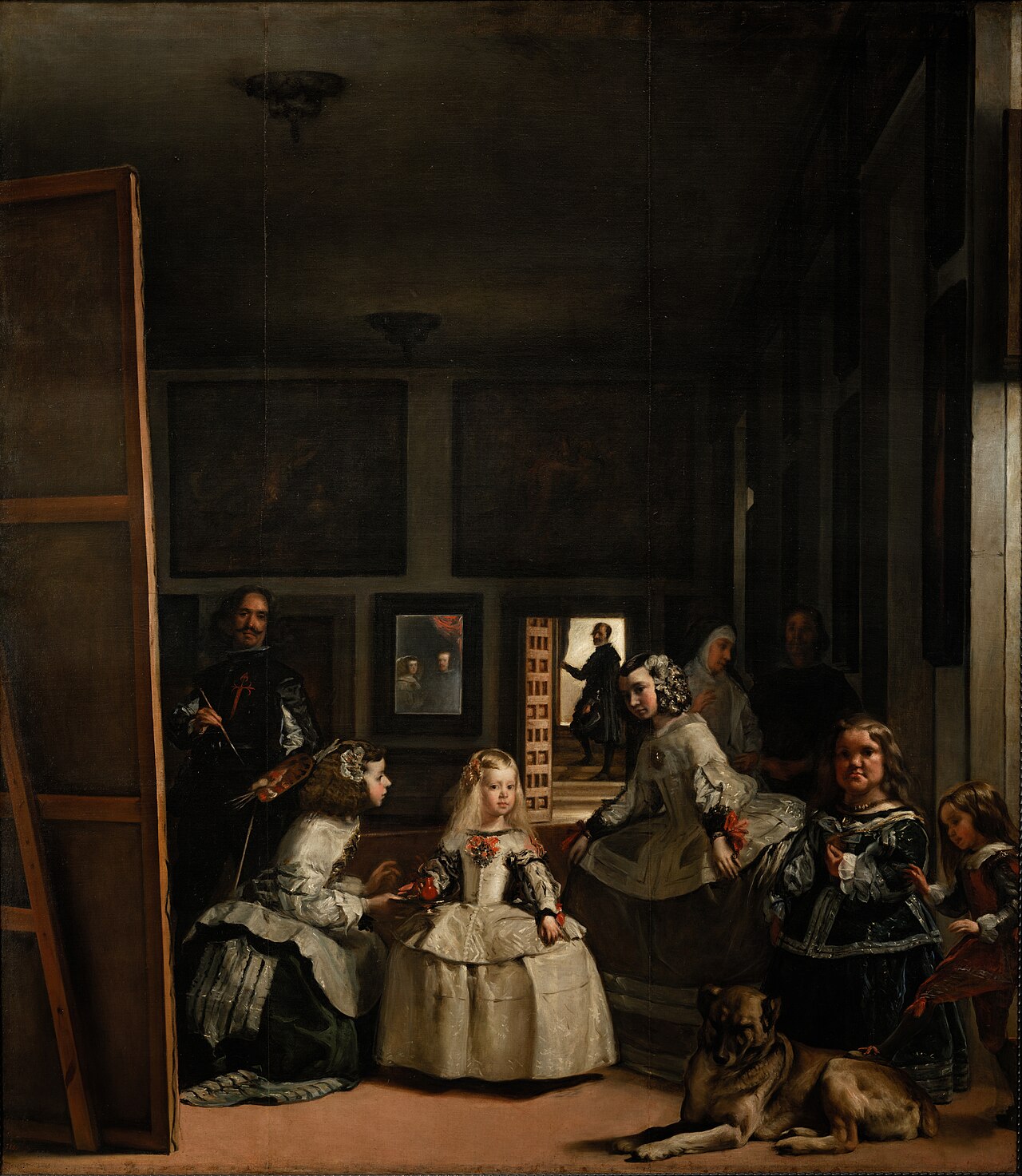 Painting
Primary source
Las Meninas
Diego Velázquez · 1656
 Painting
Primary source
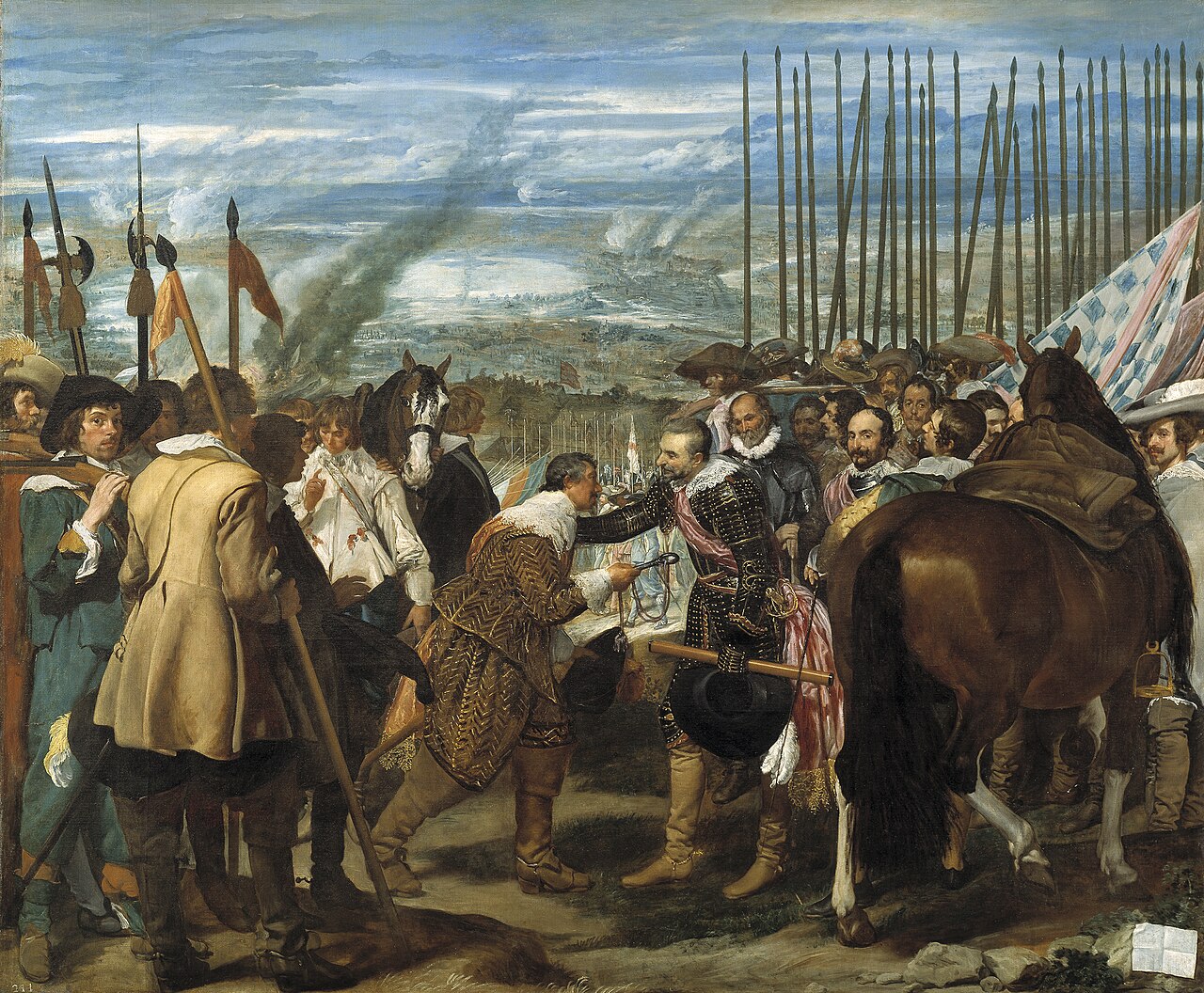
The Surrender of Breda
Diego Velázquez · 1634–1635
 Painting
Primary source
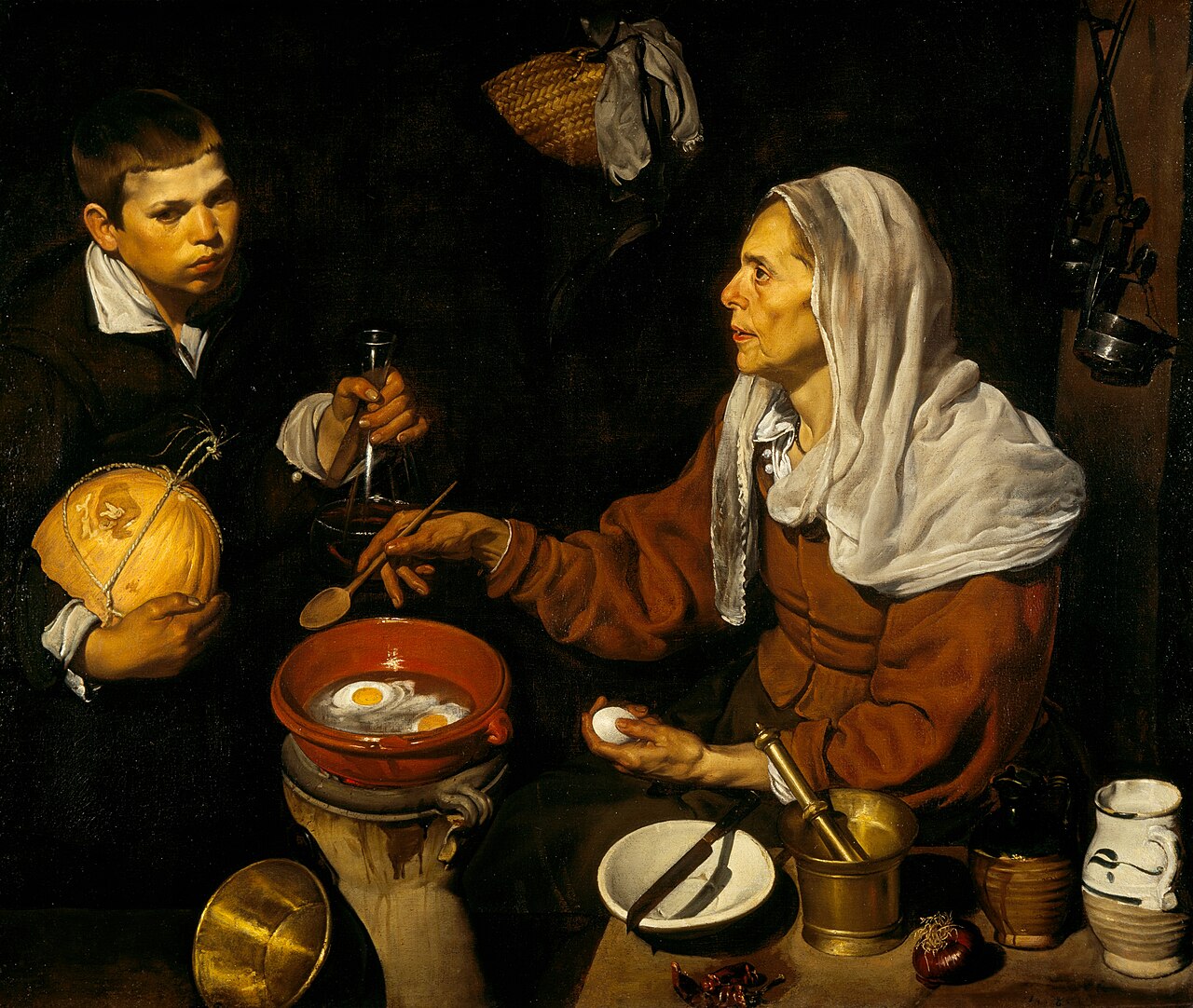
Old Woman Cooking Eggs
Diego Velázquez · c. 1618
 Painting
Primary source
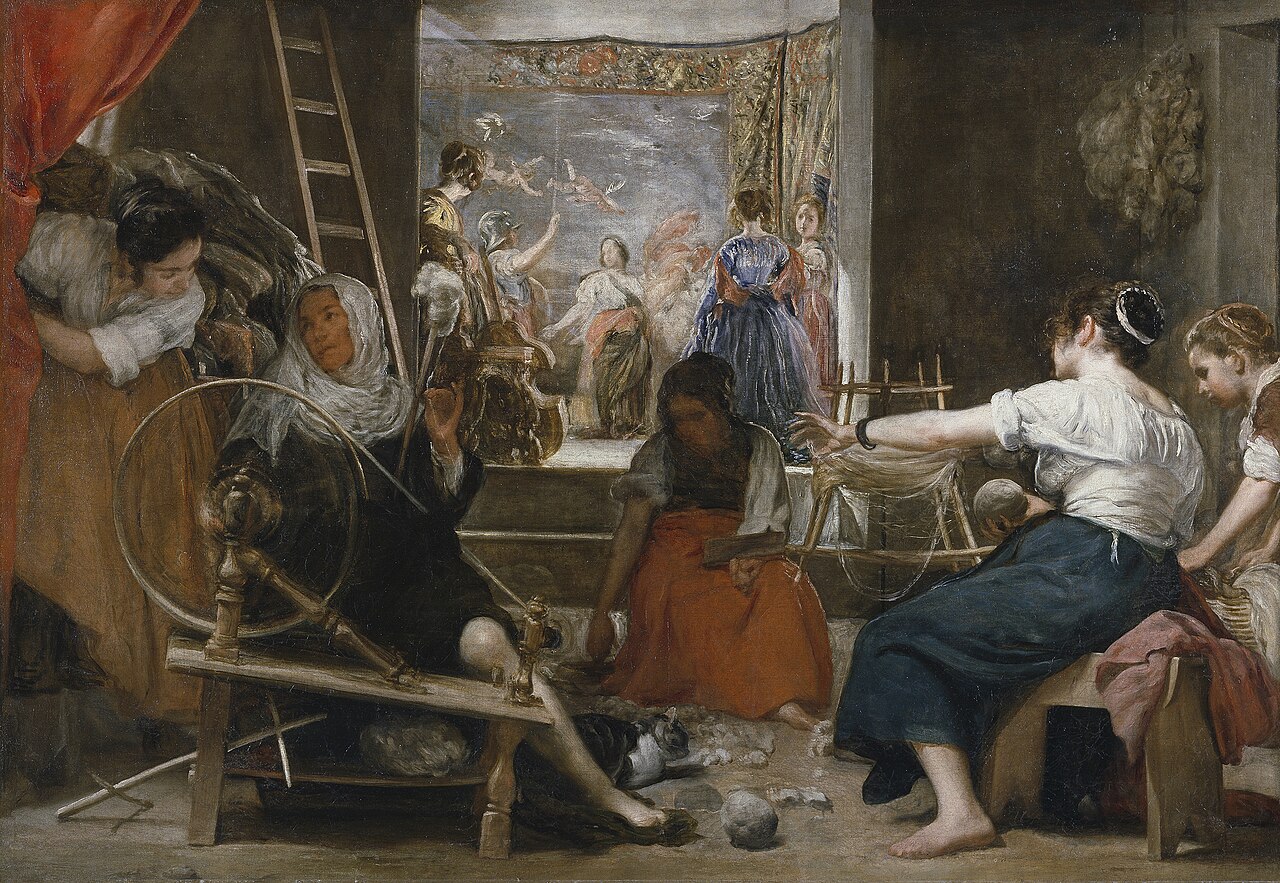
Las Hilanderas
Diego Velázquez · c. 1655–1658
Free account
Read every Diego Velázquez source
Sign up free →
Ready when you are
Start chatting with Diego Velázquez now.
20 messages free · No credit card · Available in 50+ languages.